
Have you ever found yourself struggling to complete a simple task because you didn't have the right tool on hand? Whether you're a DIY enthusiast or just someone who occasionally tackles home projects, having a basic set of hand tools is essential.
Imagine the satisfaction of fixing a leaky faucet, assembling furniture, or hanging a picture frame without any hiccups. You'll discover the essential hand tools that should be in every toolbox. Understanding these basic tools will not only make your life easier but also empower you to take on various tasks with confidence.
Stick around, and you'll soon be ready to handle any project that comes your way!
Hand Tools Overview
Hand tools are the unsung heroes of any toolbox. From simple fixes to major DIY projects, they are essential. Whether you're a seasoned handyman or just starting out, understanding basic hand tools is crucial.
Imagine the satisfaction of fixing that squeaky door yourself. Or hanging up a picture without waiting for someone else. Hand tools empower you to do just that. They allow you to solve everyday problems with ease.
You'll find that investing time in learning about these tools pays off. Not only do they save you money, but they also boost your confidence. Let's dive into the world of hand tools and discover their potential.
Types Of Basic Hand Tools
Screwdrivers
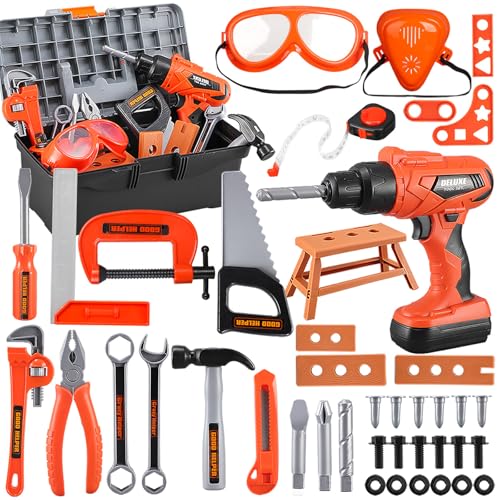
Screwdrivers are indispensable in any toolkit. They come in various shapes and sizes, designed for different screw heads. Phillips and flathead are the most common types you'll encounter.
Have you ever struggled with assembling furniture? A reliable screwdriver can be your best friend. It ensures that screws are tightened properly, preventing wobbly furniture.
Hammers
Hammers are the go-to tool for driving nails into wood and other materials. They are perfect for tasks like building a shelf or hanging a painting. A claw hammer, with its dual ends, is particularly versatile.
Remember the time you couldn't find a nail remover? The claw end of a hammer solves that problem. It effortlessly pulls out nails without damaging the surface.
Wrenches
Wrenches are essential for tightening or loosening nuts and bolts. They come in various types like adjustable, socket, and combination wrenches. Each type serves a unique purpose, making them highly useful.
Ever tried assembling a bicycle? Wrenches make the task straightforward. They ensure that every bolt is securely fastened for a smooth ride.
Pliers
Pliers are versatile tools used for gripping, bending, and cutting wires. They are perfect for electrical work or jewelry making. Needle-nose pliers are particularly handy for reaching tight spaces.
Have you had trouble twisting wires together? Pliers provide the grip needed to do this efficiently. They help you create neat and secure connections.
Measuring Tools
Measuring tools like tape measures and levels are crucial for accuracy. They help ensure that your project is straight and well-proportioned. A reliable tape measure is a must-have in any toolkit.
Consider the frustration of hanging a crooked picture frame. A level prevents this, ensuring your decor is perfectly aligned. It adds a professional touch to your work.
Which hand tool have you found most useful? Share your thoughts and experiences. The right tools can transform your DIY projects into successful endeavors.
Measuring Tools
Measuring tools are essential in any toolkit, ensuring precision in your work. Whether you’re hanging a picture or constructing a piece of furniture, accuracy is key. These tools help you avoid costly mistakes and ensure your projects are spot on. Let's dive into some common measuring tools that are often overlooked yet incredibly useful.
Tape Measure
A tape measure is a staple in almost every toolbox. It’s portable, flexible, and perfect for measuring long distances or awkward spaces. Have you ever tried to measure your living room for a new rug? A tape measure lets you do that with ease.
Available in various lengths, it usually comes with a locking mechanism. This holds the tape in place, allowing you to measure without hassle. Think of the time saved by not having someone hold the other end for you.
Calipers
Calipers are indispensable when measuring the thickness or diameter of objects. They’re precise, often down to fractions of millimeters. If you’ve ever tried to fit a screw into a tight spot and found it too large, calipers would have saved the day.
These tools come in digital versions for ease of reading. This makes them user-friendly, even if you dread reading tiny scales. Imagine knowing the exact size of a bolt without guesswork.
Square
A square is not just a tool, but a guide. It ensures that your cuts and lines are straight and true, crucial for any construction or woodworking project. Building a bookshelf? A square will help keep your angles sharp and your shelves aligned.
Squares are versatile, used for marking, measuring, and checking angles. You might think of them as just for wood, but they work with metal and other materials too. How often do we ignore such a multi-use tool in favor of more specialized ones?
Which measuring tool do you rely on the most in your projects? Maybe it's time to rediscover an old favorite or try something new. Precision in measurement is the first step to achieving professional results, whether you're a seasoned DIYer or just getting started.
Cutting Tools
Various basic hand tools aid in precise cutting. Essential types include saws for wood, files for shaping metal, and chisels for detailed carving. These tools are vital for both beginners and professionals in crafting and construction.
Cutting tools are essential in any toolkit, providing precision and efficiency for various tasks. Whether you’re a DIY enthusiast or a professional, understanding different cutting tools can make your projects smoother and more enjoyable. Let's dive into some basic hand tools that are indispensable for cutting tasks.
Handsaws
Handsaws are the backbone of cutting tools in woodworking. They come in various types, like the crosscut saw for cutting across the wood grain, and the rip saw for cutting with the grain. If you’ve ever built a birdhouse or a simple shelf, you probably relied on a trusty handsaw. The sound of a saw slicing through wood can be immensely satisfying, yet it requires patience and control. Do you remember the first time you used a handsaw? Maybe it didn’t go as smoothly as planned, but with practice, you learned the rhythm and technique.
Utility Knife
A utility knife is incredibly versatile and a must-have in any toolkit. It's perfect for cutting through materials like cardboard, drywall, or even trimming wallpaper. Unlike a handsaw, a utility knife offers more precision for smaller tasks. Imagine needing to open a stubborn package or make a precise cut on a craft project. A utility knife is your go-to tool for these situations. Always ensure the blade is sharp for clean, effortless cuts and remember to handle it with care to avoid accidents.
Chisels
Chisels are not just for professional woodworkers; they are useful for anyone looking to shape wood with precision. They come in different sizes and shapes, each designed for specific tasks like carving, cutting, or smoothing. Think of the last time you tried to fit a new door handle. You might have needed a chisel to adjust the wood for a perfect fit. It's crucial to keep chisels sharp and well-maintained, as a dull chisel can slip and cause injury. Have you considered how a simple tool like a chisel can enhance the quality of your woodworking projects? Understanding these cutting tools can greatly improve your efficiency and accuracy in various tasks. Which of these tools do you use most often, and how have they transformed your projects?
Fastening Tools
Fastening tools are essential in every toolkit, helping you attach, secure, or hold together materials. Whether you're assembling furniture, fixing a bike, or tackling a DIY project, these tools make the task manageable and efficient. Let's explore some basic fastening tools that are indispensable for any handyman or DIY enthusiast.
Screwdrivers
Screwdrivers are a staple in any toolbox. They come in various sizes and types, primarily Phillips and flat-head. Each type is designed to fit specific screw heads, ensuring a snug fit that prevents stripping.
Have you ever tried using the wrong screwdriver for a screw? It's frustrating and often leads to damaged screws. Make sure you have a set with multiple types and sizes. This way, you'll always be prepared for any project.
Wrenches
Wrenches are crucial for gripping, fastening, turning, or loosening nuts and bolts. They come in adjustable and fixed types, each serving a unique purpose. The adjustable wrench is versatile, while the fixed wrench offers precision.
Think about the last time you struggled to loosen a stubborn bolt. A good quality wrench could make all the difference. Investing in a reliable set can save you time and effort, making your tasks smoother and more efficient.
Hammers
Hammers are not just for driving nails; they are versatile fastening tools. From framing to demolition, hammers play a significant role in various tasks. They come in different weights and sizes, each designed for specific jobs.
Have you ever tried hanging a picture without a hammer? It’s nearly impossible. A well-balanced hammer can make the job quick and easy, preventing unnecessary damage to your walls or project materials.
Choosing the right fastening tools can dramatically impact the quality and efficiency of your work. What tools do you find indispensable in your toolkit? Share your thoughts or experiences in the comments below!
Shaping Tools
Shaping tools are essential for any woodworking project. They help refine and perfect the form of your materials. These tools remove excess material, creating smooth and precise finishes. They are crucial for achieving the desired shape and detail. The right tool can make a significant difference in the final product. Let's explore some fundamental shaping tools.
Files
Files are versatile tools with rough surfaces. They smooth and shape wood or metal. Different files have various textures and shapes. Some files are flat, while others are round or half-round. These differences help in achieving specific shaping tasks. Files are great for removing small amounts of material. They are ideal for detailed work.
Planes
Planes are critical for smoothing wood surfaces. They shave thin layers from the wood. This helps achieve a flat and even finish. Planes come in different sizes and types. Some are designed for large surfaces, others for fine detailing. The blade, or iron, of the plane is crucial. Keeping it sharp ensures efficient cutting.
Rasps
Rasps are similar to files but coarser. They remove more material quickly. They are perfect for rough shaping tasks. Rasps often have a textured surface with sharp teeth. This design allows them to cut through materials fast. They are great for shaping curves or intricate designs. Rasps are essential for any woodworking enthusiast.
Holding Tools
In the world of hand tools, holding tools play a crucial role. These tools are your extra pair of hands, keeping your materials steady and secure as you work. Whether you're a DIY enthusiast or a professional, holding tools are indispensable for ensuring precision and safety. Imagine trying to cut a piece of wood without a steady grip—frustrating, right? That's where holding tools come into play, making your tasks more manageable and efficient.
Clamps
Clamps are essential for any project that requires stability. They come in various sizes and types, each designed for specific tasks. From C-clamps to bar clamps, these tools can hold wood, metal, or plastic firmly in place. Have you ever tried gluing two pieces together, only to have them slide apart? A clamp can solve that issue effortlessly. Next time, use a clamp to ensure your pieces stay exactly where you want them.
Vices
Vices are robust holding tools mounted on workbenches. They offer a powerful grip, perfect for tasks that involve heavy-duty materials. Picture trying to saw through a tough metal pipe without a vice—it’s almost impossible. With a vice, you can focus on your work without worrying about the material slipping away. A tip: always check the vice’s grip before starting your task to ensure it’s secure.
Pliers
Pliers are versatile tools that offer both holding and manipulation capabilities. They come in handy for tasks that require more than just a firm grip, like bending wires or gripping small objects. Have you ever tried fixing a small appliance and struggled to hold onto tiny screws? Pliers make such tasks easier and safer. Always select the right type of pliers for your task, whether it’s needle-nose for precision or locking pliers for a solid hold.
Think about your past projects. How much easier would they have been with the right holding tools? Next time you're gearing up for a task, consider what kind of grip you need. It could make all the difference in your project's success.
Safety Tools
Safety tools are essential when using basic hand tools. They protect against potential injuries. These tools ensure you stay safe while working. Always prioritize safety to avoid accidents.
Gloves
Gloves protect your hands from cuts and blisters. They provide a strong grip on tools. Choose gloves made of durable materials. Ensure they fit well for comfort and effectiveness.
Goggles
Goggles shield your eyes from flying debris. They prevent dust and small particles from causing harm. Always wear goggles when cutting or sanding materials. Clear vision helps in precise work.
Ear Protection
Ear protection guards against loud noises. Constant exposure can harm your hearing. Use earmuffs or earplugs during noisy tasks. Protect your ears to maintain good hearing health.
Maintenance Tips
Basic hand tools are essential for any toolbox. Keeping them in good shape ensures they work effectively and last longer. Proper maintenance not only saves money but also increases safety. Below, you'll find simple tips to keep your hand tools in top condition.
1. Regular Cleaning
Clean your tools after each use. Wipe them with a dry cloth. Remove dirt and debris to prevent rust. For stubborn stains, use a mild detergent and water. Make sure to dry them completely to avoid corrosion.
2. Proper Storage
Store tools in a dry place. Use a toolbox or cabinet. Keep them away from moisture to prevent rust. Organize them neatly to avoid damage. Proper storage also makes it easier to find tools when needed.
3. Lubrication
Apply oil to moving parts regularly. This reduces friction and wear. Use machine oil for metal tools. Ensure to wipe off excess oil to avoid dirt build-up. Well-lubricated tools work more smoothly and last longer.
4. Inspect for Damage
Check your tools for cracks or wear. Look for loose parts or handles. Replace any damaged tools immediately. Using damaged tools can be dangerous. Regular inspection helps maintain safety and efficiency.
5. Sharpening
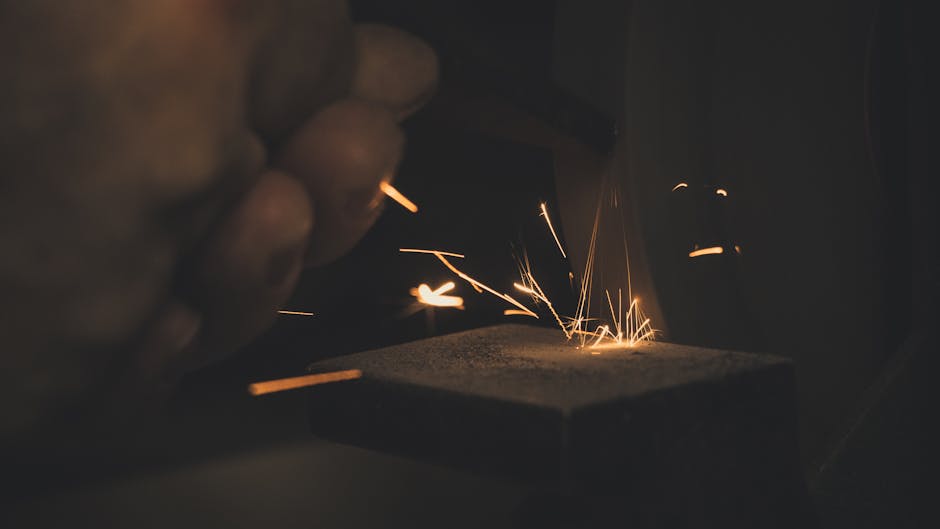
Sharpen blades regularly. Use a sharpening stone or file. Sharp tools work better and require less effort. Be careful while sharpening to maintain the correct angle. A sharp tool is safer than a dull one.
6. Rust Prevention
Apply a rust protector spray. This prevents metal tools from rusting. Store tools in a low-humidity environment. Consider using silica gel packs in storage areas. Regular maintenance can keep rust at bay.
Frequently Asked Questions
What Are Basic Hand Tools Used For?
Basic hand tools are essential for everyday tasks, repairs, and DIY projects. They help with cutting, measuring, fastening, and more. Common tools include hammers, screwdrivers, and pliers. Their versatility makes them valuable in both professional and home settings, providing solutions for various mechanical and construction needs.
How Do You Maintain Hand Tools?
Maintaining hand tools involves regular cleaning, lubrication, and proper storage. Clean them after use to prevent rust and damage. Lubricate moving parts to ensure smooth operation. Store tools in a dry place to avoid moisture. Regular maintenance prolongs the lifespan and efficiency of the tools.
What Are The Common Types Of Hand Tools?
Common hand tools include hammers, screwdrivers, pliers, and wrenches. Hammers are used for driving nails and breaking objects. Screwdrivers tighten or loosen screws. Pliers grip and cut wires, while wrenches tighten or loosen nuts and bolts. Each tool serves specific functions in construction and repair tasks.
Why Choose Hand Tools Over Power Tools?
Hand tools are simple, portable, and require no power source. They offer precision and control, ideal for delicate tasks. Unlike power tools, they are safer and quieter. Hand tools are cost-effective and easy to maintain, making them suitable for basic tasks and beginners in DIY projects.
Conclusion
Basic hand tools are essential for everyday tasks. From hammers to screwdrivers, each tool serves a purpose. These tools simplify home and work projects. Anyone can use them with ease. Beginners find them user-friendly. They help with repairs and creativity.
Using the right tool saves time and effort. Always choose quality tools for better results. Investing in a tool kit is wise. It prepares you for unexpected needs. Hand tools offer convenience and efficiency. So, keep them handy. Stay prepared for any task.