Have you ever wondered about the variety of hand tools and equipment available for different tasks? Whether you're a DIY enthusiast, a seasoned craftsman, or simply someone curious about the tools in your garage, understanding the classification of hand tools and equipment can make your projects more efficient and enjoyable.
Imagine the satisfaction of choosing the right tool for the job, knowing it will help you achieve the best results. By diving into the different categories of tools, you will not only expand your knowledge but also enhance your ability to tackle any task with confidence.
Let's explore the fascinating world of hand tools and equipment, where each tool has its own unique purpose, waiting to be discovered by you.
Categories Of Hand Tools
Hand tools and equipment are essential in our daily lives, whether you're fixing a leaky faucet or building a deck in your backyard. They come in various categories, each designed for specific tasks. Understanding these categories can help you choose the right tool for the job and ensure you work efficiently and safely. Let's dive into the key categories of hand tools.
Cutting Tools
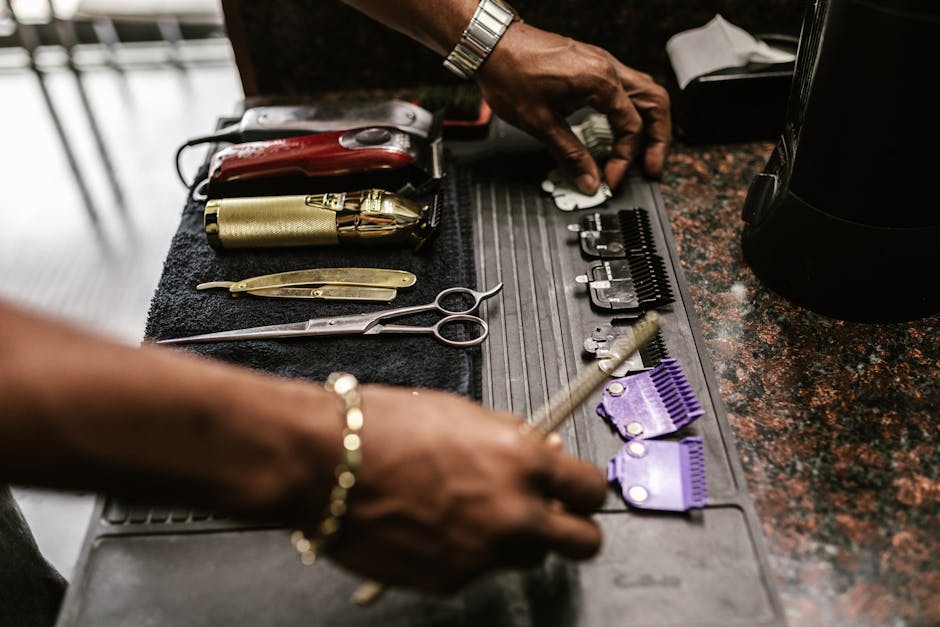
Cutting tools are designed to slice through materials with precision. Think about when you needed to cut through wood or metal; tools like saws, scissors, and knives come to your rescue. These tools must be sharp to perform effectively. It's crucial to maintain their sharpness for safety and efficiency. Have you ever struggled with a dull knife in the kitchen? It's frustrating and dangerous. Always check and sharpen your cutting tools regularly.
Striking Tools
Striking tools are all about impact. Hammers and mallets are prime examples. These tools are used to apply force to objects, whether you're driving nails into wood or breaking apart materials. The key is to use the right striking tool for the job. Ever tried using a mallet instead of a hammer to drive a nail? It doesn't quite work. Ensure you have the correct tool to avoid damage and injury.
Fastening Tools
Fastening tools bring pieces together securely. From screwdrivers to wrenches, they help you tighten or loosen nuts, bolts, and screws. Picture yourself assembling furniture; fastening tools are indispensable. But remember, using the wrong size or type can strip screws or damage nuts. Always match your tool to the task at hand.
Holding Tools
Holding tools keep your work steady. Clamps, vises, and pliers are examples that provide stability when you need it most. Imagine trying to saw a piece of wood without it being held in place—it can be a real headache. These tools ensure precision and safety. They are your third hand when you need one.
Measuring Tools
Precision is key in many tasks, and measuring tools are vital for accuracy. Rulers, tape measures, and calipers help you achieve exact dimensions. Ever cut a piece of fabric only to find it's too short? With the right measuring tools, you can avoid such mishaps. Measure twice, cut once—that's a rule to live by.
Understanding these categories can transform how you approach tasks at home or in your workshop. By selecting the right tool for each job, you enhance efficiency and safety. Are there tools you've neglected in your toolbox? It's time to dust them off and put them to good use!
Types Of Cutting Tools
Cutting tools are essential in various trades and crafts. They are designed to slice, trim, and shape materials. These tools come in different forms, each serving a unique purpose. Understanding these tools helps in choosing the right one for your needs.
Saws
Saws are versatile tools used for cutting materials like wood and metal. They come in many types, including hand saws and power saws. Hand saws are great for precise cuts and small tasks. Power saws offer speed and efficiency for larger projects. Each saw type serves specific needs and materials.
Chisels
Chisels are cutting tools used to carve or cut hard materials. They are common in woodworking and masonry. Chisels have sharp edges to slice through wood, stone, or metal. Different chisels have unique shapes for various tasks. Choosing the right chisel improves the quality of your work.
Knives
Knives are basic cutting tools found in every toolbox. They are used for slicing, cutting, and trimming. Knives come in many forms, such as utility knives and carving knives. Each type has a specific use, like cutting ropes or shaping wood. A good knife is essential for precision work.
Striking Tools Varieties
Striking tools play a vital role in various tasks. They are essential for driving nails, breaking objects, or shaping materials. Different striking tools serve different purposes. Understanding their types enhances efficiency and safety.
Hammers
Hammers are versatile tools found in every toolbox. They come in various sizes and designs. The claw hammer is the most common type. It has a flat head for driving nails. The claw helps in removing nails effortlessly. Sledgehammers have a heavy head. They are used for demolition work. Ball peen hammers are useful in metalworking. Their rounded end shapes and smooths metal.
Mallets
Mallets are striking tools with a soft head. They prevent damage to the struck surface. Wooden mallets are perfect for woodworking tasks. They gently tap chisels and shape wood. Rubber mallets are ideal for applying force without leaving marks. They are often used in assembling furniture or working with tiles.
Fastening Tools Options
Fastening tools are essential companions in any toolkit, helping you assemble, secure, and sometimes even dismantle. Whether you're a weekend DIY enthusiast or a professional tradesperson, choosing the right tool for the job can make your tasks easier and more efficient. Let's dive into some popular fastening tool options and see how they can transform your projects.
Screwdrivers
Screwdrivers are probably the most recognizable fastening tools. They come in various shapes and sizes, primarily to fit different screw heads. A flathead and a Phillips head are staples in any toolbox. But did you know that having a set of precision screwdrivers is invaluable when working with electronics? Imagine trying to fix your eyeglasses without the right size—frustrating, right? Investing in a good set ensures you’re always prepared, no matter the task.
Wrenches
Wrenches are your go-to tools for nuts and bolts. From adjustable wrenches to socket sets, each has its unique purpose. Picture this: you're assembling a new piece of furniture, and that one bolt just won't tighten with a screwdriver. This is where a wrench becomes your best friend. Have you ever faced a stubborn bolt on a bicycle or car? Using the right wrench can save you both time and effort.
Pliers
Pliers are versatile tools used for gripping, twisting, and cutting. They come in handy when you need more force than fingers can provide. Think about the last time you struggled to pull out a nail or twist a wire. Needle-nose pliers are perfect for reaching into tight spaces, while lineman's pliers are excellent for cutting heavy wire. Have you ever tried to grip a small screw with just your fingers? The right pair of pliers can make the task much easier.
Choosing the right fastening tool can significantly impact the outcome of your projects. Which of these tools have you found indispensable in your toolkit? Share your experiences and see how others have benefited from their choices. Your next project could be a lot smoother with just the right tool in hand!
Holding Tools Examples
Holding tools are essential in various tasks. They ensure safety and precision. These tools stabilize workpieces, allowing for efficient operations. Their role is crucial in carpentry, metalwork, and other crafts. Let's explore some common holding tools.
Clamps
Clamps are versatile and widely used in workshops. They hold materials firmly together. This prevents movement during tasks like gluing or cutting. Several types exist, such as C-clamps and bar clamps. C-clamps have a simple design. They are great for small tasks. Bar clamps, on the other hand, suit larger projects. Quick-release clamps offer convenience. They allow for fast adjustments. Select the right clamp for your project. This ensures stability and accuracy.
Vices
Vices are robust holding tools. They secure workpieces for various tasks. Bench vices are common in many workshops. They mount on workbenches, providing a stable platform. Their jaws grip materials tightly. This makes cutting or drilling easier. Pipe vices specialize in holding cylindrical objects. They prevent pipes from slipping. Machine vices are used in machining operations. They ensure precision and safety. Selecting the right vice enhances your work efficiency.
Measuring Tools Range
Measuring tools are essential in both professional and DIY settings. They ensure precision and accuracy in every task. These tools help craftsmen and builders achieve perfect results. From simple to complex, each tool has its unique function. Let's explore some commonly used measuring tools.
Tape Measures
Tape measures are versatile and widely used. They are flexible rulers that measure length, width, and height. Available in various lengths, from a few feet to hundreds. A must-have in every toolbox. Perfect for quick and accurate measurements.
Calipers
Calipers measure the distance between two opposite sides. They offer precision for smaller objects. Used in metalworking, woodworking, and engineering. Available in digital, dial, and vernier types. Each type has its specific use and accuracy level.
Levels
Levels are crucial for ensuring surfaces are even. They detect the true horizontal or vertical alignment. Bubble levels are common and easy to use. Some levels feature laser technology for greater precision. Essential in construction and interior design.
Classification Of Equipment
Hand tools and equipment are classified based on their function and usage. Categories include cutting tools, measuring tools, and fastening tools. Each type serves a specific purpose in construction and repair tasks. Understanding these classifications helps in selecting the right tool for a job efficiently.
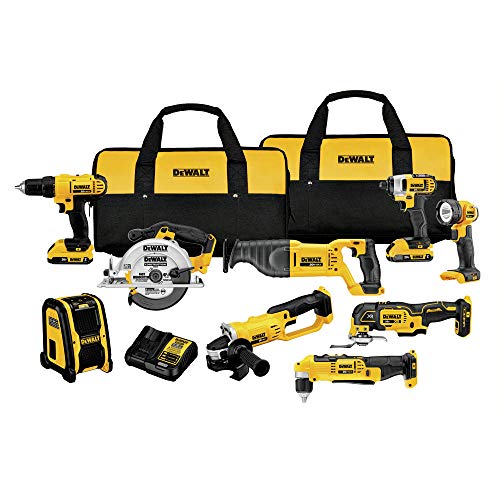
Understanding the classification of equipment can transform your approach to DIY projects or professional work. Equipment falls into different categories based on their function, power source, and usage. Recognizing these distinctions can make your task easier, safer, and more efficient. Imagine the difference between a task completed with a well-chosen power tool versus struggling with an inappropriate handheld device. This classification isn't just about understanding tools; it's about empowering yourself to choose the right tool for the job.
Power Tools
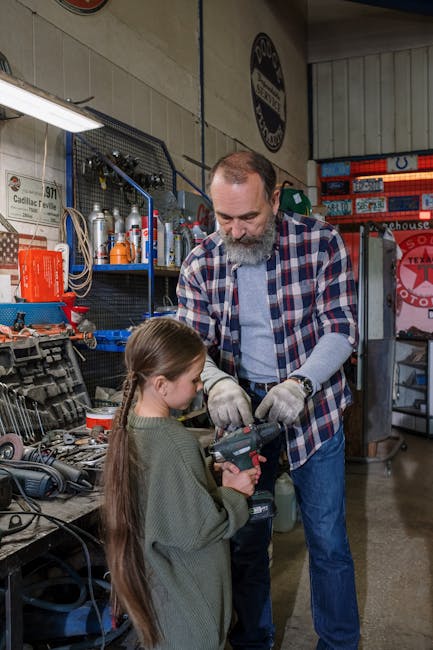
Power tools are indispensable in modern craftsmanship. They are typically driven by an external power source like electricity or batteries. Think of the precision and speed a power drill adds to your work. It's like having a reliable partner that accelerates your progress. When selecting power tools, consider the task at hand. A circular saw might be your best friend for cutting large planks, while a power sander smooths surfaces effortlessly.
Handheld Devices
Handheld devices are all about mobility and control. These tools, like screwdrivers or pliers, are designed for manual operation. Their charm lies in their simplicity and the skill they demand. You might find that tightening screws manually helps refine your dexterity. While they don't offer the brute force of power tools, they provide a tactile connection to your work, allowing more precision in delicate tasks.
Workshop Machinery
Workshop machinery elevates your workspace into a production hub. These are stationary machines like lathes or drill presses. They offer stability and leverage for large-scale tasks or repetitive operations. Picture the steady rhythm of a lathe shaping wood or metal; it’s a dance of creativity and engineering. The challenge lies in mastering their operation and aligning your project to their capabilities. They’re about taking your craftsmanship to a professional level. As you explore the world of tools and equipment, ask yourself: which tool aligns with your project goals? This decision can make the difference between frustration and satisfaction. Equip yourself with knowledge, and let your choice lead you to success.
Safety Considerations
Understanding hand tool classifications enhances safety. Choose tools wisely based on function and material. Proper use prevents accidents and ensures efficiency.
When it comes to hand tools and equipment, safety should be your top priority. Proper handling, maintenance, and the right protective gear can make all the difference. It's not just about getting the job done; it's about doing it without injury. Have you ever thought about how a minor slip-up with a tool could lead to a major accident? Let's dive into some practical safety considerations to keep in mind.
Proper Handling
Always grip your tools firmly and keep your hands dry. A slippery grip can lead to accidents. Position yourself correctly; standing at the wrong angle can cause strain or injury. Make sure your body is balanced and stable. Be aware of your surroundings. Ensure you have enough space to work without interference.
Maintenance Tips
Regularly check your tools for wear and tear. A broken tool is an unsafe tool. Keep them clean and dry. Moisture can lead to rust, making tools more difficult to use. Sharpen blades and replace worn-out parts. A well-maintained tool is not just safer but also more efficient.
Protective Gear
Always wear safety goggles to protect your eyes from flying debris. Eye injuries are one of the most common accidents in tool use. Consider using gloves to protect your hands, especially when handling sharp or hot tools. Don't forget about ear protection if you're using noisy equipment. Prolonged exposure can damage your hearing. Do you have the right footwear? Steel-toed boots can protect your feet from falling objects. Remember, safety isn't just a one-time effort. It's an ongoing commitment to ensure that you're working in the safest way possible. Always stay alert and aware of potential hazards. What steps will you take today to ensure your safety while using hand tools and equipment?
Frequently Asked Questions
What Are Common Types Of Hand Tools?
Hand tools are grouped into categories like cutting, striking, and holding tools. Cutting tools include saws and scissors. Striking tools consist of hammers and mallets. Holding tools include pliers and clamps, aiding in gripping. Each type serves specific functions, ensuring efficient work in various tasks.
How Are Hand Tools Classified?
Hand tools are classified based on function and design. Functional classification includes cutting, driving, and measuring tools. Design classification considers material and ergonomic features. These classifications help users select appropriate tools for specific tasks, enhancing productivity and safety during use.
What Is The Importance Of Hand Tool Classification?
Classification aids in identifying the right tool for the job. It helps improve efficiency, safety, and effectiveness. Understanding tool categories ensures proper usage and maintenance. This knowledge minimizes risks and enhances productivity, making it crucial for professionals and DIY enthusiasts alike.
How Does Equipment Differ From Hand Tools?
Equipment is generally powered and more complex than hand tools. Hand tools are manually operated and simpler. Equipment often requires electricity or fuel, while hand tools rely on human effort. Both are essential for various tasks, but equipment handles more demanding jobs efficiently.
Conclusion
Understanding hand tools and equipment classifications is essential. It ensures safety and efficiency. Different tools serve different purposes. Each tool has a specific role. Knowing this helps in proper selection. It reduces the risk of damage. Also, it saves time during tasks.
Proper knowledge leads to better results. It increases productivity in work. Always choose the right tool for the job. This boosts confidence in handling tasks. Stay informed and work smart. Your projects will benefit greatly.