Imagine standing in front of a daunting electrical project, wires crisscrossing like a puzzle waiting to be solved. You might wonder, "How do professionals make sense of this?"
The answer lies in the array of electrical tools at their disposal. Whether you're an aspiring electrician, a DIY enthusiast, or someone curious about how things work, understanding these tools can transform your approach to electrical tasks. You'll learn about the essential tools that ensure safety, efficiency, and precision.
Picture yourself confidently handling projects with the right tools, reducing errors and enhancing your skills. This article is your gateway to mastering the basics and appreciating the nuances of electrical work. Dive in, and empower yourself to tackle any electrical challenge that comes your way!
Basic Electrical Tools
Basic electrical tools are essential for any electrical project. They help ensure safety and efficiency. Whether you're fixing a light switch or installing a new outlet, these tools come in handy. Understanding each tool's purpose is crucial for both amateurs and professionals.
Screwdrivers
Screwdrivers are a staple in any toolbox. They tighten or loosen screws. Electricians often use flathead and Phillips screwdrivers. Each type fits different screw heads. Having the right size prevents stripping the screw. This ensures a secure fit and smooth operation.
Pliers
Pliers are versatile tools used for gripping and twisting wires. Needle-nose pliers are perfect for reaching into tight spaces. Lineman pliers cut and bend wires efficiently. They offer a strong grip, making them ideal for electrical work.
Wire Strippers
Wire strippers remove insulation from electrical wires. This tool allows precise control without damaging the wire. They have different slots for various wire sizes. Proper stripping is crucial for secure connections. It ensures the wire fits neatly into terminals.
Measurement Tools
Measurement tools are crucial in the field of electrical work. They help ensure safety and accuracy. These tools offer readings on electrical systems and circuits. Knowing how to use them is important for all electricians.
Let's explore some common measurement tools.
Multimeters
Multimeters measure voltage, current, and resistance in circuits. They are versatile tools. Electricians use them to troubleshoot electrical problems. A multimeter can be digital or analog. Digital multimeters are more common. They show results on a clear display. Both types are easy to use. Mastering them enhances safety and efficiency.
Voltage Testers
Voltage testers check the presence of voltage in electrical circuits. They ensure safety before handling wires. There are two types: contact and non-contact testers. Contact testers require touching the wire. Non-contact testers detect voltage without direct contact. They are safer and simpler to use. Knowing how to use them is essential for every electrician.
Clamp Meters
Clamp meters measure current without disconnecting the circuit. They clamp around a wire to take readings. This tool is vital for quick checks. It helps avoid interrupting power supply. Clamp meters are ideal for higher current measurements. They're user-friendly and efficient. Essential for any electrical toolkit.
Cutting And Drilling Tools
Cutting and drilling tools are essential in electrical projects. They help electricians perform precise tasks efficiently. Whether cutting cables or drilling holes, these tools make the job easier. Let's explore some common cutting and drilling tools used in electrical work.
Cable Cutters
Cable cutters are crucial for cutting electrical cables. They offer clean and precise cuts without damaging the cable. Electricians use them to trim wires to the desired length. These tools come in various sizes and styles. Choose the right one for the job.
Drills
Drills are versatile tools for making holes in surfaces. They come with various bits for different materials. Electricians use drills to install fixtures or run wiring through walls. Cordless drills offer mobility and ease of use. Select one with sufficient power for your tasks.
Hole Saws
Hole saws create large holes in various materials. They attach to drills for efficient cutting. Electricians use them to make holes for electrical boxes or conduit. Choose the right size for your project needs. Ensure the saw is sharp for best results.
Power Tools
Power tools come in many types, making tasks easier. Drills, saws, sanders, and grinders are popular electrical tools. Each serves a unique purpose, helping with construction, woodworking, and home improvement projects.
Power tools are essential in both professional and DIY settings. They bring efficiency, precision, and versatility to electrical tasks. Whether you're assembling furniture, crafting a project, or fixing something at home, power tools can save you time and effort.
Impact Drivers
Impact drivers are a must-have for anyone dealing with heavy-duty screwing tasks. They provide more torque than a standard drill, making them ideal for driving large screws and bolts into tough materials. Imagine assembling a deck or constructing a wooden frame; an impact driver ensures the screws go in smoothly without stripping the heads. The beauty of impact drivers is their compact size and ease of use. You can operate them with one hand, freeing up the other for positioning. Next time you're working with tough materials, consider whether an impact driver could make your job easier.
Rotary Tools
Rotary tools are the Swiss army knife of power tools. They can cut, sand, polish, and even engrave, thanks to their versatile attachments. If you enjoy crafting or need precision in your work, a rotary tool can be your best friend. Their small size allows for detailed work. Whether you're customizing a piece of jewelry or smoothing out a rough edge, rotary tools offer precision. Do you have a creative project in mind? A rotary tool might be just what you need to bring it to life.
Soldering Irons
Soldering irons are indispensable for any electrical work. They allow you to join wires and components with ease. Picture fixing a broken circuit board or creating a custom electronic device; a soldering iron provides the heat necessary to melt solder and create secure connections. The key to effective soldering is controlling the temperature and maintaining a clean tip. Once you master these, soldering becomes an enjoyable task rather than a chore. Have you ever considered the satisfaction of repairing your own electronics? Power tools not only make tasks easier but can also open up new possibilities for your projects. Which power tool will you try next?
Safety Equipment
Different electrical tools ensure safety and efficiency. Pliers, wire strippers, and voltage testers are essential. Insulated screwdrivers prevent electrical shock.
When dealing with electrical tools, safety should always be your top priority. Electrical work can be hazardous, and without the right safety equipment, you are putting yourself at significant risk. Having the proper safety gear not only protects you but also enhances your confidence and efficiency while working.
Insulated Gloves
Insulated gloves are your first line of defense against electrical shocks. Imagine reaching out to adjust a wire and feeling a tingle; it’s a stark reminder of why these gloves are crucial. They are designed to protect your hands from live currents and are made from high-quality rubber to ensure maximum safety. Always check for any wear and tear before use. A tiny puncture can compromise their effectiveness. Would you risk your safety by using old, worn-out gloves?
Safety Goggles
Your eyes are invaluable, and safety goggles ensure they stay protected from electrical sparks or debris. Picture working on an overhead fixture and suddenly, a spark flies towards your face. It’s moments like these when goggles become indispensable. They provide a clear view while shielding your eyes from unexpected incidents. Opt for goggles with anti-fog features to maintain visibility even in humid conditions. Can you afford to compromise your vision by ignoring this simple piece of gear?
Fire Extinguishers
No one anticipates a fire, but being prepared can save lives and property. Electrical fires can ignite quickly, often without warning. Having a fire extinguisher nearby is not just a precaution; it’s a necessity. Ensure you have the right type for electrical fires, typically a Class C extinguisher. Regularly check that it’s fully charged and easily accessible. In an emergency, the seconds you save by having it within reach can make all the difference. Are you ready to handle a sudden blaze, or would you be caught off guard? Incorporating these safety tools into your electrical work routine is not just about following rules; it's about valuing your life and the lives of those around you. Take a moment to evaluate your current safety practices. Are you equipped to handle the risks, or are you leaving your well-being to chance?
Specialized Tools
Specialized tools are the unsung heroes of any electrician's toolkit. While basic tools like screwdrivers and pliers might get the job done for simple tasks, specialized tools offer precision and efficiency for more complex projects. These tools not only make your work easier but also ensure safety and accuracy. Let's dive into a few essential specialized tools that every electrician should consider adding to their arsenal.
Circuit Finders
Have you ever been stuck trying to figure out which circuit powers a particular outlet or light fixture? Circuit finders can save you from this frustration. These handy devices help you trace and identify circuit locations without guesswork. Imagine knowing exactly which breaker to flip before starting your repair, minimizing downtime and maximizing safety. Circuit finders are a game-changer, especially when dealing with large or unfamiliar electrical systems.
Wire Crimpers
Wire crimpers are essential for creating secure connections between wires. This tool compresses a connector onto a wire, ensuring a firm grip. Whether you're installing new wiring or repairing old connections, a wire crimper can make a huge difference in the quality of your work. Picture this: you're working on a project, and a loose connection causes a failure. Using a wire crimper prevents such issues, giving you peace of mind that your connections are solid and reliable.
Fish Tapes
Fish tapes are lifesavers when it comes to routing wires through walls, conduits, or tight spaces. This tool allows you to guide wires easily, without tearing up walls or ceilings. If you've ever struggled with pulling cables through a crowded conduit, fish tapes can make it a breeze. With the right technique, you'll find fish tapes not only save time but also reduce the risk of damaging wires during installation. How much easier would your projects be if you could effortlessly navigate complex pathways?
Specialized tools like circuit finders, wire crimpers, and fish tapes can transform your electrical work from challenging to efficient. By incorporating these tools into your routine, you ensure precision, safety, and professional results. So, which tool do you think will make the biggest impact on your next project?
Maintenance And Storage
Electrical tools vary widely, including pliers, wire strippers, and voltage testers. Proper maintenance and storage prevent damage and ensure safety. Organizing tools in a dry, secure place extends their lifespan and maintains functionality.
Maintaining and storing your electrical tools properly is crucial for their longevity and efficiency. Good habits can save you time, money, and frustration. Whether you're a professional electrician or a DIY enthusiast, knowing how to care for your tools ensures they perform at their best when you need them.
Tool Bags
A quality tool bag is the first step in keeping your tools organized and protected. Choose a durable bag with multiple compartments. This helps you find your tools easily and prevents damage from tools banging into each other. My first tool bag transformed my work efficiency, as I no longer had to rummage through a chaotic pile.
Organizers
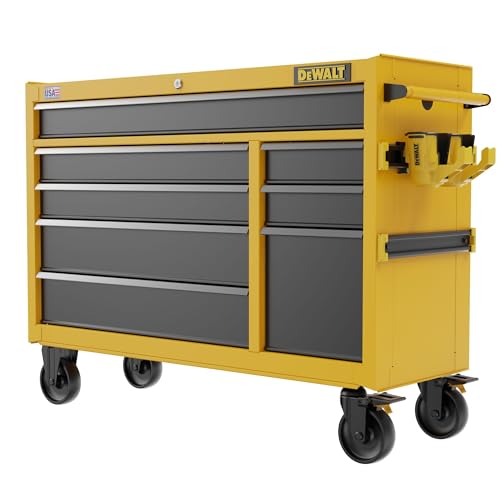
Tool organizers can significantly enhance how you store and access your electrical tools. Consider using pegboards, drawers, or portable boxes. Each tool should have a designated spot, which minimizes the time spent searching for the right screwdriver. Imagine opening your organizer and immediately seeing everything laid out perfectly – it's a game changer!
Care Tips
Regular maintenance is as important as storage. Clean your tools after each use to remove dust and debris. Lubricate moving parts to avoid rust and ensure smooth operation. Inspect electrical cords for wear and tear; replacing them promptly prevents accidents. Have you ever experienced a tool failing mid-task due to poor maintenance? Trust me, it’s a lesson learned the hard way. How do you store and maintain your tools? Could a more organized approach improve your daily tasks? Keeping your tools in peak condition not only extends their life but also makes your work safer and more enjoyable.
Frequently Asked Questions
What Are Common Electrical Tools Used By Electricians?
Electricians use various tools for different tasks. Common ones include pliers, wire strippers, multimeters, and screwdrivers. Each tool serves a specific purpose, from cutting wires to measuring voltage. Understanding the right tool for the job is crucial for efficiency and safety.
How Do Multimeters Help In Electrical Work?
Multimeters measure electrical properties like voltage, current, and resistance. They are essential for diagnosing electrical issues, ensuring circuits function correctly. By using a multimeter, electricians can safely troubleshoot and verify electrical installations, making them indispensable in both residential and industrial settings.
Why Are Wire Strippers Essential For Electricians?
Wire strippers are crucial for safely removing insulation from wires. They prevent damage to the wire itself, ensuring a clean connection. This tool is vital for preparing wires for connections or repairs, making it a fundamental piece in any electrician’s toolkit.
What Is The Purpose Of A Circuit Tester?
Circuit testers check if electrical circuits are live or properly grounded. They help identify faulty wiring, ensuring safety during electrical work. By using a circuit tester, electricians can confirm the integrity of the installation, preventing potential hazards and ensuring reliable operation.
Conclusion
Exploring various electrical tools equips you with essential knowledge. Each tool serves a unique purpose. Knowing them helps in safe and efficient work. Electricians and DIY enthusiasts alike benefit from understanding these tools. From simple screwdrivers to advanced multimeters, each tool plays a role.
Choosing the right tool enhances productivity. It also ensures safety during electrical tasks. With this knowledge, you can handle basic electrical tasks confidently. Always prioritize safety and keep learning. Understanding your tools is the first step in any successful electrical project.
Stay informed and practice safe handling to achieve great results.