
Are you curious about the tools that make computer repairs and assembly a breeze? Knowing the right hand tools can transform your tech tasks from daunting to doable.
Whether you're a budding tech enthusiast or someone who loves a good DIY project, understanding these tools can save you time, money, and effort. Imagine effortlessly fixing your own computer issues or building a custom PC with confidence. In this guide, you'll discover the different types of computer hand tools that are essential for any tech toolkit.
Let's dive into how these tools can empower you to tackle tech challenges head-on!
Basic Hand Tools
When you think of fixing things around the house or tackling a DIY project, basic hand tools are your best friends. These tools form the backbone of any toolkit. They're versatile, easy to use, and essential for both beginners and seasoned pros alike. But what exactly are these basic hand tools, and how do they help you in your day-to-day tasks?
Screwdrivers
Screwdrivers are probably the most common tool found in any toolkit. They come in different types like flathead and Phillips, each serving a specific purpose. Imagine trying to assemble your new bookshelf without a trusty screwdriver—it's almost impossible! A quality screwdriver fits snugly into the screw head, preventing slippage and ensuring a secure fit.
Do you ever wonder why screwdrivers are so varied in their designs? The shape of the screw head often dictates the type of screwdriver you need. Having a selection of screwdrivers ensures you're ready for any task, from tightening a loose doorknob to assembling complex furniture.
Pliers
Pliers are another must-have in any toolkit. They're perfect for gripping, bending, and cutting wires or small metal components. Think about the last time you had to fix a bent wire hanger or pull out a stubborn nail. Pliers make these tasks easy and efficient.
There are different types of pliers, such as needle-nose for precision work and cutting pliers for tougher jobs. Each type is designed to give you the leverage and grip you need. Have you ever tried to twist a wire with your fingers? It's frustrating and ineffective. Pliers provide the strength and control that's hard to achieve otherwise.
Wrenches
Wrenches are essential for loosening or tightening nuts and bolts. They come in various sizes and types, like adjustable wrenches and socket wrenches, each suited for different tasks. Picture yourself trying to fix a leaky pipe under the sink; a wrench is indispensable for this job.
Adjustable wrenches are particularly useful because they can fit a range of bolt sizes. Having a set of wrenches means you're prepared for all kinds of mechanical tasks. Have you ever used the wrong size wrench and stripped a bolt? It's frustrating and can complicate a simple job. The right wrench makes all the difference.
Do you have these basic hand tools in your toolkit? If not, consider adding them. They might just save your day in a pinch!
Cutting Tools
Explore the variety of computer hand tools essential for repair and maintenance tasks. These tools include screwdrivers, pliers, and tweezers, each designed for specific functions. Efficient use of these tools ensures proper handling of delicate computer components, enhancing your repair skills.
Cutting tools are essential in every computer technician's toolkit. They help you manage cables and wires with precision and ease. Whether you’re setting up a new system or maintaining an existing one, having the right cutting tools can make all the difference. Let’s take a look at some of the most effective cutting tools you should consider adding to your collection.
Wire Cutters
Wire cutters are the go-to tool for any job involving wires. They offer clean cuts without fraying the ends, which is crucial when you're dealing with sensitive computer components. I remember the time I tried using scissors instead of wire cutters. It resulted in a mess, with wires that refused to fit neatly into connectors. Trust me, using the right tool saves you from frustration. Wire cutters come in various sizes. Smaller ones are perfect for intricate work, while larger models handle thicker cables. When selecting wire cutters, consider the types of wires you typically work with to ensure efficiency.
Cable Strippers
Cable strippers are indispensable when it comes to preparing cables for installation. They let you remove the insulation without damaging the conductive material inside. This precision is vital when connecting cables to hardware components. One mistake many make is using a knife or scissors to strip cables, which often leads to nicked wires. This can cause connectivity issues down the line. Cable strippers are designed to prevent such mishaps, offering adjustable settings for different cable sizes. Using cable strippers not only saves time but also ensures your connections are reliable. Think about the last time you struggled with a stubborn cable. Wouldn't it have been easier with the right tool?
Precision Knives
Precision knives are not just for arts and crafts; they are a vital tool for any computer technician. They are perfect for making small, precise cuts in tight spaces. Whether you're modifying a case or tidying up a cable run, precision knives offer the control you need. I once used a precision knife to cut away excess plastic from a connector, which allowed it to fit perfectly into a cramped motherboard space. This kind of accuracy is hard to achieve with bulkier tools. When choosing a precision knife, consider one with a comfortable grip and replaceable blades. A steady hand combined with a sharp blade makes all the difference in achieving clean cuts. How often have you found yourself in need of a precise cut, only to be let down by a dull or inappropriate tool? Ensuring you have a precision knife in your toolkit can elevate your work from amateur to professional in no time. Cutting tools are more than just an addition to your toolkit—they're a necessity for efficient and professional work. Which of these tools do you already use, and which are you considering adding to your arsenal?
Measuring Tools
Measuring tools are essential in computer repair and maintenance. They help ensure precision and accuracy in various tasks. These tools come in different forms, each serving a unique purpose. Some common measuring tools include calipers, multimeters, and rulers or tape measures.
Calipers
Calipers are used to measure the distance between two opposite sides. They provide precise measurements in millimeters or inches. Digital calipers offer an easy-to-read display for accurate readings. These tools are essential for measuring small components in computers. Calipers help ensure parts fit correctly during assembly.
Multimeters
Multimeters measure electrical properties like voltage, current, and resistance. They are vital for diagnosing electrical issues in computers. A multimeter can test power supplies or troubleshoot circuit boards. It helps identify faulty components and connections. This tool is crucial for safe and effective computer repair.
Rulers And Tape Measures
Rulers and tape measures are basic but important tools. They measure lengths and distances in various tasks. A ruler is great for small, precise measurements. Tape measures are used for larger distances. Both tools assist in organizing cables and components neatly. They ensure accurate placements and alignments.
Assembly Tools
Assembly tools are crucial in putting together computer components. These tools help in precise and efficient assembly. Knowing the right tool for each task ensures a smooth process. From handling small screws to adjusting tiny components, assembly tools make work easier.
Hex Keys
Hex keys, also known as Allen wrenches, are essential tools. They fit into hexagonal socket screws. These screws are common in computers. Hex keys come in various sizes. They offer precise control when tightening or loosening screws. A full set is useful for different screw sizes.
Tweezers
Tweezers help handle small, delicate components. They provide grip and precision. Tweezers are perfect for placing tiny parts on circuit boards. They minimize the risk of damage. Many tweezers have anti-static properties. This protects sensitive electronic parts.
Nut Drivers
Nut drivers are like screwdrivers, but for nuts and bolts. They fit snugly over hexagonal nuts. Nut drivers offer better grip and control. They are useful for assembling computer cases. Many nut drivers have magnetic tips. This feature prevents losing small nuts.
Specialized Computer Tools
Specialized computer tools are essential for delicate tech tasks. They ensure safety and precision. Professionals and hobbyists use these tools to handle sensitive components. Each tool serves a unique purpose, aiding in efficient repairs or installations. Let's explore some key specialized computer tools.
Anti-static Wrist Straps
Anti-static wrist straps prevent static electricity damage. They are crucial when handling computer parts. By grounding the user, they protect sensitive components from electrostatic discharge. This simple tool can save expensive equipment from damage. Always wear one when working inside a computer.
Spudgers
Spudgers are versatile tools for prying and scraping. They are often used to open electronics without damaging them. With a slim design, spudgers can easily slide into tight spaces. They help in separating parts gently. This makes them ideal for delicate electronic repairs.
Opening Picks
Opening picks are similar to guitar picks but are used for electronics. They are thin and flexible, perfect for opening cases and screens. These picks help avoid scratching or cracking surfaces. They are especially useful for smartphones and tablets. Having a set of opening picks can make tech repairs simpler.
Maintenance Tools
Maintenance tools are essential for keeping your computer running smoothly. They help in cleaning, repairing, and optimizing computer components. Regular maintenance extends the life of your device. It ensures performance remains efficient. Let's explore some key maintenance tools.
Cleaning Brushes
Cleaning brushes are vital for removing dust from computer parts. They come in various sizes and bristle types. Use soft-bristled brushes for delicate components. They gently clean without scratching surfaces. Dust can block airflow and cause overheating. Regular cleaning prevents this issue. It keeps your computer cool and functional.
Compressed Air
Compressed air is perfect for dust removal. It reaches tight spaces inside your computer. Use it to clean fans, heat sinks, and keyboards. Hold the can upright for effective use. Short bursts of air work best. Avoid tilting the can; it may release moisture. Clean regularly to maintain optimal airflow. This prevents overheating and improves efficiency.
Thermal Paste Applicators
Thermal paste applicators ensure proper application. Thermal paste transfers heat from the CPU to the heat sink. Proper application is crucial for cooling efficiency. Applicators help spread paste evenly. Uneven paste can lead to overheating. Ensure surfaces are clean before application. This improves heat transfer and prevents damage.
Storage And Organization
Storage and organization are crucial aspects of maintaining your computer hand tools. Without proper organization, your workspace can quickly become cluttered, making it difficult to find the tools you need. Efficient storage solutions not only keep your tools safe but also enhance your productivity. Let's delve into some practical storage options like toolboxes, organizers, and magnetic trays that can transform your workspace.
Toolboxes
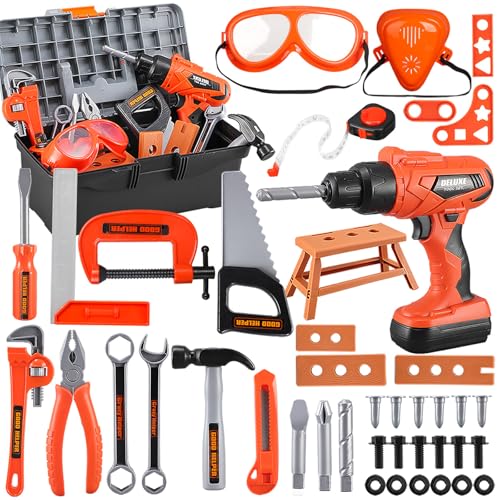
Toolboxes are a classic choice for storing computer hand tools. They offer portability and protection, ensuring your tools are safe from dust and damage. Imagine having all your essential tools neatly arranged in a durable box that you can easily carry around.
Look for toolboxes with compartments to keep your tools organized. This way, you won't waste time rummaging through the box to find the screwdriver you need. It's like having a mini workshop at your fingertips, wherever you go.
Organizers
Organizers take tool storage to the next level by providing specific slots and holders for each tool. Think of them as your tool's personal parking spaces. They help you categorize and access your tools swiftly.
Consider using wall-mounted organizers if you're short on space. They keep your tools visible and within reach, saving valuable desk or drawer space. Picture the convenience of having everything you need right in front of you, without the clutter.
Magnetic Trays
Magnetic trays are a clever solution for storing small metal parts like screws and bolts. Ever spent hours searching for that one tiny screw that rolled off the table? A magnetic tray can save you from such frustrations.
These trays hold your metal components securely, preventing them from getting lost. They're perfect for keeping track of those fiddly bits that are easy to misplace. Wouldn't you love to spend less time searching and more time fixing?
So, what's your favorite way to keep your tools organized? Whether you prefer the portability of toolboxes or the accessibility of organizers, investing in good storage solutions is a smart move for any tool enthusiast.
Frequently Asked Questions
What Are Common Computer Hand Tools?
Computer hand tools include screwdrivers, pliers, and tweezers. These tools are essential for assembling or disassembling computer components. Screwdrivers come in various sizes and types, like Phillips and flathead. Pliers and tweezers help in gripping or manipulating small parts. Proper use ensures safe and efficient computer maintenance.
How Are Screwdrivers Used In Computers?
Screwdrivers are used to tighten or loosen screws in computer hardware. They come in different types, such as Phillips and flathead, catering to various screw heads. Precision screwdrivers are ideal for small screws in electronics. Proper use prevents damage to components, ensuring secure and efficient assembly or repair.
Why Are Tweezers Important For Computer Repair?
Tweezers are crucial for handling small components during computer repair. They help in placing or removing tiny parts accurately without causing damage. Fine-tipped tweezers are ideal for delicate tasks, such as connecting cables or replacing chips. Their precision and control enhance the safety and efficiency of computer maintenance.
Which Pliers Are Used For Computer Work?
Needle-nose pliers are commonly used for computer work. They are ideal for gripping small items and bending wires. Their pointed tips allow access to tight spaces within electronic devices. Proper use assists in cable management and component adjustments, ensuring efficient and safe computer repairs or installations.
Conclusion
Understanding computer hand tools is essential for tech enthusiasts. Each tool serves a unique purpose. They help with repairs, upgrades, and maintenance. Pliers, screwdrivers, and tweezers are common examples. These tools ensure precision and safety during computer work. Proper use prevents damage and enhances efficiency.
Choose tools wisely based on your needs. Quality tools last longer and perform better. Remember, the right tools make tasks easier and faster. Always keep a handy toolkit for quick fixes. Stay equipped and prepared for any computer task. Knowledge of these tools empowers you in managing computer hardware effectively.