Are you diving into the world of computer maintenance or repairs? You might be wondering about the essential hand tools that every tech enthusiast should have on hand.
Whether you're a seasoned IT professional or a curious beginner, understanding the most common hand tools used in computer work can save you time, money, and hassle. Imagine being able to fix minor issues or upgrade components all by yourself! You'll discover the key tools that make computer tasks easier and more efficient.
Get ready to empower yourself with knowledge that transforms your approach to handling computers. Let's unlock the secrets to a more hands-on, hassle-free computer experience!
Essential Screwdrivers
Working with computers often requires specific tools. Among these, screwdrivers stand out as crucial. They help in assembling and disassembling computer parts. Understanding the types of screwdrivers is vital. It ensures you choose the right tool for the job.
Flathead And Phillips
Flathead screwdrivers have a single flat blade. They fit into a straight, linear notch in screws. These are common in older computer models. They provide a simple yet effective way to turn screws.
Phillips screwdrivers feature a cross-shaped tip. This design fits into screws with a cross-shaped indentation. They offer better grip and torque. Most modern computers use Phillips screws for assembly.
Precision Screwdrivers
Precision screwdrivers are small and delicate. They are perfect for tight spaces and tiny screws. Laptops and hard drives often require precision tools. They help prevent damage to sensitive components.
These screwdrivers come in various sizes. Each size suits different screws in computers. Having a set ensures you can handle any task efficiently.
Multimeter
Multimeters measure voltage, current, and resistance, making them essential for diagnosing computer hardware issues. They help technicians ensure optimal performance and safety in computer systems. Understanding readings is crucial for effective troubleshooting.
When working with computers, having a trusty multimeter at your side is essential. It's a versatile tool that helps you measure electrical properties like voltage, current, and resistance. Whether you're building a new PC or troubleshooting an old one, understanding how to use a multimeter can save you time and money. The first time I used a multimeter, I was amazed by how much insight it provided into the inner workings of my devices. So, let's dive into how you can make the most of this handy gadget.
Testing Voltage
Testing voltage with a multimeter is straightforward and invaluable when diagnosing power issues. Start by setting your multimeter to the voltage setting. If you're working with a desktop, you might want to check the power supply or motherboard voltages. Connect the probes to the component you’re testing, ensuring you’re touching the correct positive and negative points. A little tip: always double-check the voltage range you’ve set on the multimeter. It should match the type of voltage you're measuring, whether it's AC or DC. Have you ever wondered if the power supply to your computer is consistent? Testing voltage can be your quick answer!
Checking Continuity
Checking continuity helps you determine if a circuit is complete and functioning. This is a critical step when you're faced with a device that isn't powering up. Set your multimeter to the continuity setting, usually represented by a diode symbol. Touch the probes to the ends of the circuit or wire you're testing. If the multimeter beeps, you’ve got continuity, meaning the path is complete. If it doesn’t, there might be a break or fault. This simple check can help you pinpoint issues in wires and connections without much hassle. Ever had a cable that seemed fine but wasn't working? Checking continuity can reveal hidden breaks or faults. Using a multimeter effectively can transform your computer maintenance routine. It empowers you to diagnose issues quickly and accurately. So, next time you're facing a computer glitch, consider how a multimeter might shed light on the problem.
Pliers And Tweezers
Pliers and tweezers are essential hand tools for computer repairs. Pliers grip and cut wires, while tweezers handle small components and screws. Both tools make tasks easier and more precise.
When you're working on a computer, pliers and tweezers are indispensable tools that can make your tasks easier and more precise. Whether you're assembling parts or repairing a circuit board, these tools are essential for handling small components and wires. Imagine trying to fit a small cable into a tight spot without them—frustrating, right? They offer the precision you need to avoid accidentally damaging fragile parts. Let's dive into the specific types of pliers and tweezers that you might find useful.
Needle Nose Pliers
Needle nose pliers are a staple in any computer toolkit. Their elongated, pointed jaws allow you to reach into tight spaces and grip small components securely. You might find them particularly useful when connecting or disconnecting wires from circuit boards. Having struggled with tangled wires in cramped cases, I've found that a good pair of needle nose pliers can save you from a lot of headaches. They offer the dexterity needed to maneuver cables without damaging them. Have you ever tried to pull out a stubborn connector with your fingers, only to end up frustrated? Needle nose pliers can provide the grip and precision you need to get the job done efficiently.
Electronics Tweezers
Electronics tweezers are perfect for handling small components with precision. They come in various shapes and sizes, making them versatile for different tasks. From picking up tiny screws to placing delicate components on a motherboard, tweezers are invaluable. You might be surprised at how many types of tweezers exist. There's a pair for every task, whether you're dealing with static-sensitive parts or simply need a steady hand for small soldering jobs. Ever dropped a tiny screw inside a computer case? Electronics tweezers can be your best friend in those moments, helping you retrieve parts without disassembling everything. These tools can make your computer repair experience smoother and more enjoyable. What other tools have you found essential in your computer toolkit? Share your thoughts and experiences below!
Cable Tools
Cable tools are essential for anyone working with computer hardware. These tools help manage and organize cables efficiently. Proper cable management keeps your workspace tidy. It also enhances airflow and prevents accidental disconnections. Two commonly used cable tools are wire strippers and cable ties.
Wire Strippers
Wire strippers are a must-have for computer technicians. They remove insulation from wires without damaging them. This tool ensures clean and accurate wire exposure. Wire strippers come in various sizes to suit different wire gauges. Using them is straightforward. Insert the wire, squeeze, and pull. Simple and effective.
Cable Ties
Cable ties help keep cables organized and secure. They are also known as zip ties. These ties bundle cables together neatly. This prevents tangling and makes maintenance easier. Cable ties come in different lengths and colors. Choose the right size for your needs. Use them to maintain a clutter-free workspace.
Anti-static Tools
Anti-static tools like wrist straps and mats are crucial for computer repairs. They prevent static electricity damage to sensitive components. Screwdrivers, pliers, and tweezers are the most common hand tools, ensuring safe and efficient handling of computer parts.
When working with computer components, ensuring that you're protecting them from static electricity is crucial. Static can damage sensitive parts, leading to costly repairs or replacements. Anti-static tools are essential in every computer technician's toolkit. These tools help you safely handle components without risking accidental damage. Let's take a closer look at some of the most common anti-static tools.
Wrist Straps
Wrist straps are a staple in preventing static discharge. They are designed to be worn around your wrist while working on a computer. By grounding you, they prevent static electricity from building up and potentially damaging components. Using a wrist strap is simple. Just attach the strap around your wrist and connect the alligator clip to a grounded object, like a metal part of the computer case. This creates a safe path for static to discharge, keeping your components safe. Have you ever tried working on a computer without one? It’s like walking a tightrope without a net. One misstep, and you could zap your motherboard. These straps are inexpensive but invaluable.
Matting
Anti-static mats provide an additional layer of protection. Placing your computer and components on an anti-static mat ensures they remain grounded. It’s especially useful when you're assembling or repairing a computer on a non-conductive surface. An anti-static mat works by dispersing static electricity across its surface, which is then safely grounded. Just place the mat on your workspace and connect its grounding wire to a safe ground point. Think of it as a shield for your components. Have you ever tried to fix a PC on a wooden table? Without a mat, static can build up quickly. With a mat, you’re creating a safe, controlled environment. Are you using anti-static tools in your computer work? If not, consider adding them to your toolkit. They’re a small investment for peace of mind and protection against costly mistakes.
Diagnostic Tools
Diagnostic tools are essential for identifying and solving computer issues. These tools help pinpoint problems quickly and efficiently. They save time and reduce frustration. Below are some of the most common diagnostic tools used in computer repair.
Post Card
A POST card is an expansion card used during system boot. It stands for Power-On Self-Test. The card helps diagnose hardware issues. It displays error codes when a problem occurs. These codes are easy to read on a small screen. Technicians use POST cards to check motherboard functions. This tool saves time during troubleshooting.
Usb Diagnostic Tools
USB diagnostic tools are portable and versatile. They plug into the computer's USB port. These tools run tests on different hardware components. They check hard drives, memory, and more. USB tools often come with user-friendly interfaces. This makes them accessible to everyone. They are ideal for quick assessments and repairs.
Cleaning Equipment
Computer maintenance often involves basic hand tools. Screwdrivers are essential for opening cases and adjusting hardware. Anti-static wrist straps prevent damaging static electricity during repairs. Tweezers assist in handling small components. Compressed air cans clean dust from keyboards and fans efficiently.
Cleaning equipment is crucial for maintaining the efficiency and longevity of your computer. Dust and grime can accumulate over time, affecting performance and even causing damage. Having the right tools to clean your computer can make a significant difference in its lifespan and functionality.
Compressed Air
Compressed air is a vital tool in the arsenal for computer cleaning. It helps blast away dust from those hard-to-reach crevices inside your computer. I remember using a can of compressed air to clean out my computer's fan—it was astonishing to see how much dust had built up, causing the fan to struggle. Using compressed air is simple. Hold the can upright to avoid spraying any moisture. Short, controlled bursts will effectively clear out the dust without causing damage. Consider this: when was the last time you cleaned your computer's internals? If it’s been a while, a quick session with compressed air might drastically improve its performance.
Brushes And Cloths
Brushes and cloths are equally important for cleaning your computer. While compressed air is great for the interior, brushes help you tackle dust on the surface. Use a soft-bristle brush for delicate parts like the keyboard and ports. A microfiber cloth is another essential tool. It's perfect for cleaning screens and other exterior surfaces without scratching. I once used a regular cloth on my laptop screen and ended up with tiny scratches—lesson learned. Microfiber ensures a smooth, scratch-free finish. With these tools, you can easily maintain a dust-free, efficient computer. Are your brushes and cloths ready for action? A little routine cleaning can go a long way in keeping your computer in top shape.
Tool Kits For Beginners
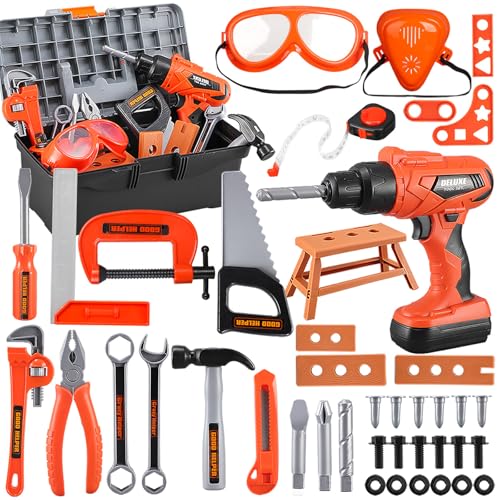
Starting with computer repairs can seem daunting. But a good tool kit simplifies the process. A beginner's tool kit is essential for anyone venturing into computer maintenance. It provides all the necessary tools to safely work on your computer. These kits are designed for easy use, making them perfect for novices.
Basic Kit Components
A basic tool kit includes several important items. A screwdriver set is crucial. You will use it to open computer cases and secure components. Tweezers help handle small parts with precision. An anti-static wrist strap protects against static electricity. It prevents damage to sensitive computer parts. Cable ties keep your work area tidy and organized. Needle-nose pliers are useful for gripping and cutting wires.
Choosing The Right Kit
Consider your needs before selecting a tool kit. Determine the type of repairs or upgrades you will perform. Ensure the kit includes the necessary tools for those tasks. Quality matters. Choose kits with durable tools that will last. Read reviews and check ratings. They provide insights into the kit’s reliability and usefulness. Start simple. You can always add more tools as your skills grow.
Advanced Tools
Essential hand tools in computer repair include screwdrivers, pliers, and tweezers. Screwdrivers are crucial for removing and securing screws. Pliers help in gripping and cutting wires, while tweezers assist in handling small components. These tools simplify the process of assembling and maintaining computers.
When dealing with computer repairs or custom builds, having the right tools is crucial. While basic tools are essential, advanced tools elevate your skills to a new level. These tools not only make your work easier but also ensure precision and safety. They can significantly enhance your capabilities, allowing you to tackle more complex tasks with confidence. Let's look at two advanced tools that every computer enthusiast should consider adding to their toolkit.
Oscilloscope
An oscilloscope is a powerful diagnostic tool. It helps visualize electronic signals, making it invaluable for troubleshooting complex issues. Have you ever struggled to pinpoint a mysterious glitch in your computer's performance? An oscilloscope can reveal what’s happening beneath the surface. By displaying voltage signals as waveforms, you can analyze and identify problematic areas. Imagine being able to see how your computer's components are communicating. This tool provides that insight, offering a real-time look at electrical signals. If you've ever been in a situation where guessing just doesn't cut it, an oscilloscope is your answer. It’s like having a window into the electronic soul of your machine.
Soldering Iron
A soldering iron is your best friend when it comes to repairing or modifying computer hardware. This tool allows you to safely and securely connect electronic components. Have you ever needed to fix a broken connection or replace a faulty capacitor? A soldering iron makes this task achievable, even for beginners. Temperature control is key, as too much heat can damage delicate components. Modern soldering irons come with adjustable settings, giving you precision in your work. Picture the satisfaction of successfully replacing a damaged part yourself. With a soldering iron, you can perform intricate tasks, saving both time and money. These tools might seem intimidating at first, but with practice, they become essential extensions of your skill set. Which advanced tool do you find indispensable in your computer repair toolkit?
Frequently Asked Questions
What Are Essential Hand Tools For Computer Repairs?
Essential hand tools for computer repairs include screwdrivers, pliers, and tweezers. Screwdrivers help in opening cases and removing screws. Pliers assist in gripping and cutting wires. Tweezers are useful for handling small components. These tools are vital for maintenance, upgrades, and troubleshooting computer hardware.
Why Use Screwdrivers In Computer Maintenance?
Screwdrivers are crucial for opening computer cases and securing components. They help in removing and tightening screws on motherboards and drives. Different sizes are needed for various tasks. Precision screwdrivers are especially important for delicate operations. Using the right screwdriver ensures safe and efficient computer maintenance.
How Do Pliers Assist In Computer Work?
Pliers are used for gripping, twisting, and cutting wires. They help in managing cables and removing jumpers. Needle-nose pliers are ideal for reaching tight spaces. Wire cutters cut and strip wires effectively. Pliers are essential in building, repairing, and maintaining computer systems, ensuring neat and functional setups.
Are Tweezers Necessary For Computer Assembly?
Tweezers are vital for handling small components in computer assembly. They help in placing connectors and jumpers accurately. Tweezers provide precision when working with tiny screws and parts. Using tweezers reduces the risk of damaging sensitive hardware. They are indispensable for detailed and careful computer assembly tasks.
Conclusion
Understanding common hand tools enhances your computer repair skills. Pliers, screwdrivers, and tweezers are essential for basic tasks. They ensure precision and safety during repairs. Keeping these tools handy saves time and frustration. Practicing with them builds confidence. Choosing quality tools is important for efficient work.
Remember, patience and practice are key. Familiarize yourself with each tool's use. This knowledge empowers you to handle simple repairs. You'll manage your computer with ease. Start using these tools today and improve your skills. Happy repairing!