Have you ever wondered what the word "hand tool" really means? You might have heard it in conversations or seen it in store aisles, but do you truly know its significance?
Imagine a world where tasks become easier and more efficient with just a simple grip. That's the power of hand tools. These tools are not just objects; they are extensions of your hands, designed to help you achieve precision, control, and creativity.
Whether you're a DIY enthusiast or a professional, understanding what a hand tool entails can open up possibilities you never imagined. Dive into the essence of hand tools and discover how they can transform the way you approach everyday tasks. Are you ready to unlock the secrets behind these indispensable instruments? Let's explore together.
Definition Of Hand Tool
In today's fast-paced world, understanding basic concepts can sometimes be overlooked. Take hand tools, for instance. You might think they are just tools you use with your hands, but there's more to it. Understanding the definition of hand tools not only boosts your knowledge but also empowers you to make smarter choices when working on DIY projects or even daily tasks. Let's dive deeper into what exactly constitutes a hand tool.
Hand tools are tools operated manually without any electrical power or motor assistance. They are the simplest form of tools, often requiring just your physical effort to work.
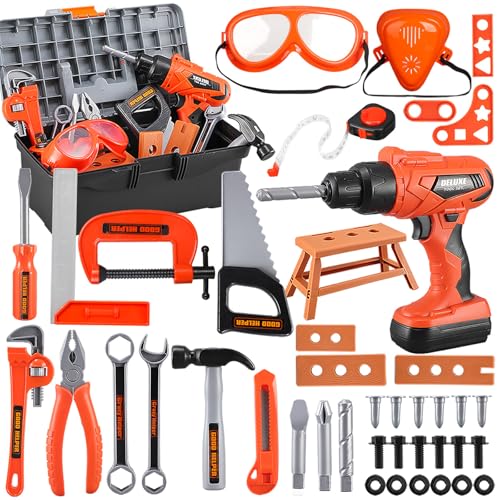
Think about screwdrivers, hammers, and wrenches. These are typical examples that many people have lying around their homes. They rely on your strength and dexterity to get tasks done.
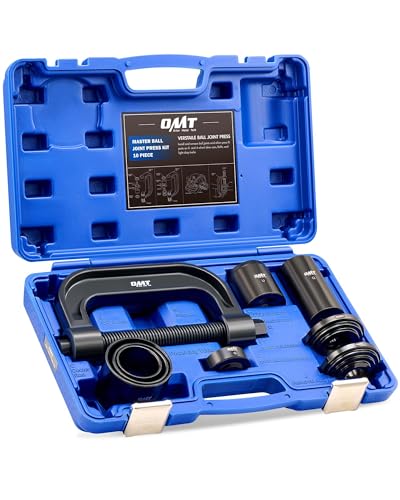
Hand tools cover a broad range of categories. They are essential for home repairs, woodworking, gardening, and more. You can find them in almost every toolbox, no matter the profession.
Why Hand Tools Matter
Have you ever tried fixing a loose shelf or assembling furniture? Hand tools are your go-to solution. They provide precision and control, which is often necessary for detailed tasks.
Using hand tools can also be a safer option. Unlike power tools, they don't have rapid-moving parts, reducing the risk of accidents. Plus, they’re usually more portable and easier to store.
Consider the satisfaction of completing a task with your own hands. Hand tools allow you to see immediate results, giving you a sense of accomplishment.
Before you grab just any tool, ask yourself: What exactly do you need to accomplish? The right tool makes all the difference.
For example, if you're hanging pictures, a simple hammer and nails might be all you need. But for tightening bolts, a wrench is crucial. The choice depends on the task at hand.
Quality also matters. Investing in durable, well-made tools can save you money and frustration in the long run. A good tool lasts longer and works better.
Maintaining Hand Tools
You might not realize it, but maintaining your hand tools can prolong their life. Keep them clean and dry to prevent rust.
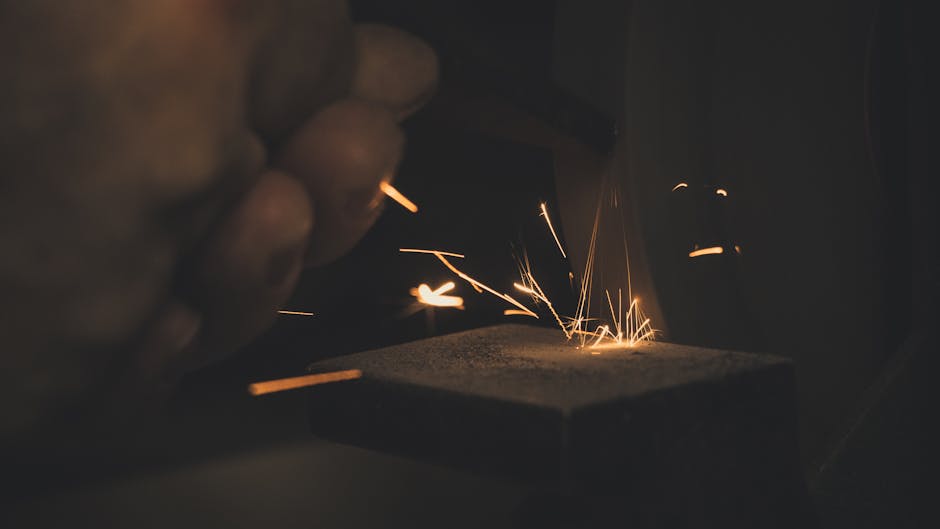
Regularly inspect them for wear and tear. Sharpen blades when necessary, and lubricate moving parts. This ensures they function effectively when you need them.
Storage is key. Store them in a dry, organized space. This not only protects your tools but makes it easier to find what you need quickly.
Hand tools might seem basic, but they play a critical role in everyday tasks. Understanding what they are and how to use them effectively can make your projects smoother and more enjoyable. So next time you face a task, reach for the right hand tool and get the job done with confidence!
Types Of Hand Tools
When you hear the word "hand tool," what comes to mind? Is it the trusty hammer you use for hanging pictures or the precise screwdriver for fixing gadgets? Hand tools have become indispensable in our daily lives, whether you're a DIY enthusiast or a professional. But did you know there are specific types of hand tools designed for different tasks? Understanding these can make your projects more efficient and enjoyable. Let's dive into the fascinating world of hand tools and explore their various types.
Cutting Tools
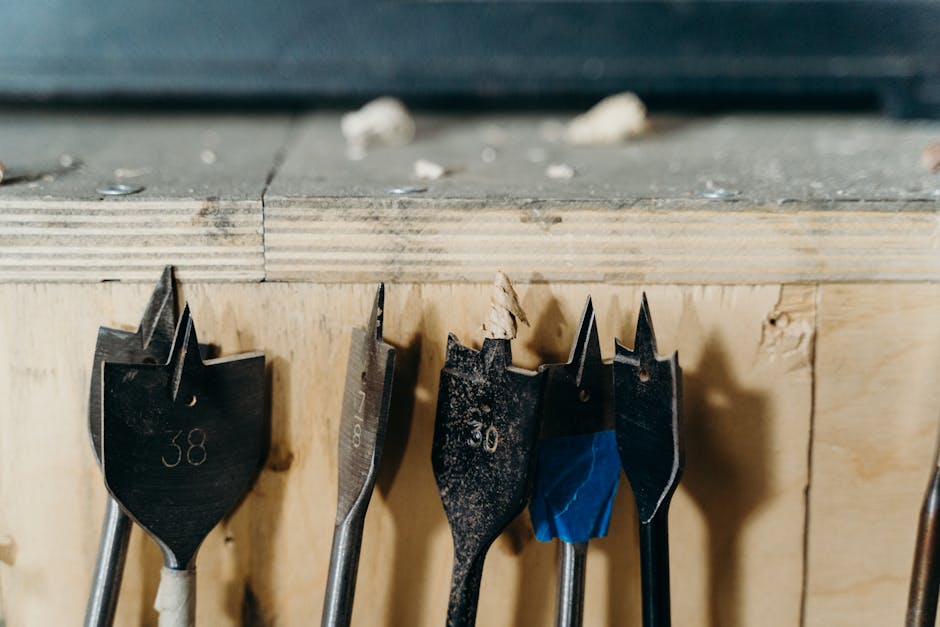
Cutting tools are essential for shaping and trimming materials. Think of scissors, knives, and saws. Have you ever tried cutting through thick cardboard with dull scissors? Frustrating, right? Using the right cutting tool not only saves time but also achieves cleaner cuts. For woodworkers, a sharp chisel is a game-changer, allowing for precise and smooth carving.
Striking Tools
Striking tools are all about impact. They include hammers and mallets, perfect for driving nails or breaking objects. Picture this: you're assembling a bookshelf, and the nails just won't go in. A reliable hammer can be your best friend, ensuring each nail is driven with precision. But remember, not all striking tools are the same. Choose the one suited for your task to avoid damage.
Holding Tools
Holding tools keep your materials in place while you work. Clamps and vices are prime examples. Ever tried gluing two pieces of wood without clamps? It's like trying to balance on a tightrope. Holding tools stabilize your workpiece, allowing you to focus on the task at hand without worrying about slippage. Choose clamps with adjustable jaws for versatility.
Measuring Tools
Accuracy is key in any project, and measuring tools ensure you get it right. Rulers, tape measures, and calipers are invaluable for precise measurements. Imagine making a table without measuring; you’d end up with mismatched parts. Good measuring tools guide you to perfection. Next time you embark on a project, double-check your measurements. A little extra effort can save you from costly mistakes.
Now, take a moment to look at your toolbox. Are there any hand tools you’re missing that could revolutionize your next project? Understanding and using the right types of hand tools can elevate your craftsmanship and make tasks more enjoyable. What's the next tool you'll add to your collection?
Materials Used In Hand Tools
Hand tools are essential in everyday tasks. They come in various shapes and sizes. Each tool is crafted from specific materials. These materials are chosen for their strength and durability. Understanding these materials can help in selecting the right tool.
Metal Alloys
Metal alloys are common in hand tools. They offer strength and toughness. Steel is often used for its durability. It resists rust and wear. Aluminum is lightweight yet strong. Metal alloys provide a balance between weight and durability.
Wood
Wood is another popular material in hand tools. It is used in handles and grips. Wood provides a comfortable feel. It absorbs shock, making it ideal for hammers. Wooden handles are often preferred for their natural touch.
Plastic Composites
Plastic composites are increasingly used in hand tools. They offer flexibility and are lightweight. These materials resist chemicals and moisture. Plastic composites are often used in handles and protective grips. They provide a modern touch to traditional tools.
Importance In Daily Tasks
Hand tools play a vital role in our daily tasks. They are essential for many household activities. These simple tools help us fix, create, and maintain things around us. Their importance extends to various domains of our lives.
Home Repairs
Home repairs often require basic hand tools. Hammers, screwdrivers, and wrenches are common choices. They help fix loose screws and tighten bolts. Hand tools make small home repairs easy and quick. They save time and prevent bigger problems.
Craftsmanship
Craftsmanship thrives on the use of hand tools. Artists and builders rely on them for precision. Chisels and saws are popular for detailed work. Hand tools allow for creativity and control. They help create beautiful and functional pieces.
Gardening
Gardening also benefits from hand tools. Trowels and pruners are essential for planting and trimming. They make it easy to care for plants. Hand tools help maintain healthy gardens. They are simple yet effective in nurturing plant life.
Safety Tips For Using Hand Tools
Understanding the term "hand tool" is essential for safe usage. These tools operate without power, relying on manual effort. Proper grip and correct usage prevent accidents, ensuring safety.
Using hand tools can be a rewarding experience, but it comes with its own set of responsibilities. Whether you're a seasoned craftsman or a weekend DIY enthusiast, safety should always be your top priority. Understanding how to properly handle, maintain, and store your tools can prevent accidents and extend their lifespan.
Proper Handling
Always ensure you're using the right tool for the job. A wrench should never be used as a hammer. Misusing tools can lead to injuries or damage to the tool itself. Grip your tools firmly but not too tightly. A relaxed grip reduces fatigue and gives you better control. Think about how you hold a steering wheel during a long drive. Pay attention to your surroundings. Make sure your workspace is clear of obstacles and distractions that could cause a slip or trip.
Regular Maintenance
Regularly inspect your tools for signs of wear and tear. A dull blade or a loose handle can turn a simple task into a hazardous one. Keep your tools clean. Dirt and rust can compromise their functionality. A quick wipe down after each use can go a long way. Lubricate moving parts to ensure smooth operation. Just like you wouldn't drive your car without oil, your tools need their own type of care.
Appropriate Storage
Store tools in a dry, secure place. Moisture can lead to rust, which weakens metal and reduces effectiveness. Organize your tools. A well-organized tool bench or toolbox not only looks good but also helps you find what you need quickly. This reduces the temptation to use the wrong tool out of convenience. Consider using pegboards or labeled drawers. They keep tools visible and easily accessible, which can save time and prevent frustration. Have you ever spent half an hour searching for a screwdriver, only to find it under a pile of clutter? An organized storage system can save you from such headaches. By focusing on these safety tips, you not only protect yourself but also ensure your tools are always ready for the next project. What safety measures do you practice with your hand tools?
Choosing The Right Hand Tool
A hand tool refers to any manually operated device used for various tasks. These tools include hammers, screwdrivers, and wrenches. Essential for DIY projects and repairs. They offer precision and control, making them indispensable in every toolbox.
Choosing the right hand tool can make a big difference. It affects the quality and speed of your work. The correct tool helps you avoid injuries too. With many options available, finding the perfect tool might seem hard. But focusing on key aspects makes it easier. Let's explore these important factors.
Task Requirements
Understand the task at hand. Different tasks need different tools. For cutting, a saw works best. For tightening, choose a wrench. Match the tool to the job. This saves time and effort. It also ensures better results. Think about the material you will work with. Wood, metal, and plastic need specific tools. Knowing the task helps in making the right choice.
Quality Considerations
Quality matters a lot in hand tools. A high-quality tool lasts longer. It performs better too. Look for tools made with strong materials. Stainless steel and high-grade plastic are good choices. Check for solid construction. Avoid tools that feel flimsy. Quality tools often cost more. But they are worth the investment. They save money in the long run.
Ergonomic Features
Ergonomic tools reduce strain on your body. They fit well in your hand. This makes them comfortable to use. Look for tools with non-slip grips. These prevent accidents. Lightweight tools are easier to handle. Adjustable features can add comfort. Ergonomics improve your work experience. They help you work longer without fatigue.
Future Trends In Hand Tools
Hand tools refer to manually operated equipment like hammers and screwdrivers. They are evolving with ergonomic designs and smart technology. Future trends focus on user comfort and enhanced efficiency, making tasks easier and faster.
The world of hand tools is constantly evolving, driven by innovation and sustainability. As we look to the future, exciting trends are reshaping how we perceive and use these indispensable devices. From cutting-edge designs to eco-friendly materials, hand tools are getting a significant makeover. Imagine the possibilities of a hammer that charges itself or a screwdriver made from recycled materials. The future is promising, and it's happening now.
Innovative Designs
Hand tools are no longer just about function; they are about efficiency and user experience. Designers are crafting tools that are not only ergonomic but also aesthetically pleasing. Consider a wrench that adjusts automatically to the size of the nut or bolt. Such smart designs save time and reduce frustration. Next time you're in the workshop, what kind of tool would make your job easier?
Sustainable Materials
With growing awareness about environmental issues, the hand tool industry is taking steps towards sustainability. Manufacturers are using materials that are eco-friendly and sustainable. Bamboo handles and recycled metals are becoming more common. This shift not only reduces carbon footprints but also promotes a sense of responsibility. Would you choose a tool that helps save the planet?
Smart Technology Integration
Technology is making its way into hand tools, transforming them into smart gadgets. Some hand tools now feature digital displays or connect to your smartphone. Imagine a level that shows you an exact angle or a drill that adjusts its speed based on resistance. These innovations make tasks more precise and efficient. Are you ready to embrace these tech-savvy tools? The future of hand tools is filled with potential. By embracing these trends, you'll not only improve your craftsmanship but also contribute to a more sustainable world. Which of these trends excites you the most?
Frequently Asked Questions
What Is A Hand Tool?
A hand tool is any device operated manually, without power assistance. Examples include hammers, screwdrivers, and wrenches. These tools are essential for various tasks in construction, woodworking, and repairs. They offer precision and control, making them indispensable in many professions and DIY projects.
Why Are Hand Tools Important?
Hand tools provide control and precision for tasks requiring manual effort. They are crucial for woodworking, construction, and repairs. Unlike power tools, hand tools allow detailed work and are often safer. Their versatility makes them essential for professionals and hobbyists alike.
How Do Hand Tools Differ From Power Tools?
Hand tools are operated manually without external power, while power tools require electricity or batteries. Hand tools offer more control and precision for detailed tasks. Power tools provide speed and efficiency for larger projects. Choosing between them depends on the task's scale and complexity.
What Are Common Types Of Hand Tools?
Common hand tools include hammers, wrenches, screwdrivers, and pliers. Each serves specific functions in construction, repairs, and crafting. Their design allows for precision and control. These tools are essential for professionals and DIY enthusiasts, offering versatility across various applications.
Conclusion
Hand tools are essential in everyday tasks. They make work easier and more precise. From simple hammers to complex wrenches, each tool has its purpose. Understanding these tools saves time and effort. It also improves efficiency in any project. Always choose the right tool for the job.
This ensures safety and effectiveness. Remember, tools are extensions of our hands. They help us achieve more than we could alone. So, respect and maintain them. A well-kept tool lasts longer and performs better. In the end, a good hand tool is a wise investment.