Have you ever wondered how a craftsman transforms a simple piece of wood into a beautiful work of art? Or how a mechanic can repair a car's engine with such precision?
The secret often lies in the skilled use of a tool hand. If you're curious about what a tool hand is and why it matters, you're in the right place. This concept may seem straightforward, but it holds the key to mastering any craft or trade you can imagine.
By understanding the power of a tool hand, you'll unlock the potential to improve your own skills, whether you're a hobbyist, a professional, or someone eager to learn more about the tools of the trade. Stick around as we delve deeper into this fascinating topic, revealing insights that could change the way you approach your own projects.
Tool Hand Basics
Understanding the basics of Tool Hand can be a game-changer in your daily life. Imagine having a reliable assistant that helps you accomplish tasks with ease. Tool Hand, a concept gaining traction, refers to the seamless integration of tools and resources into your workflow, making them an extension of yourself.
Whether you’re fixing a leaky faucet or organizing your workspace, having the right tool at your fingertips can make all the difference. But how do you ensure you're using Tool Hand effectively?
What Is Tool Hand?
Tool Hand is not just about having tools; it's about knowing how to use them efficiently. It involves mastering the basics, such as understanding the function of each tool and recognizing when to use it.
Think of Tool Hand as developing a skill set. It's about building a toolkit that resonates with your needs and lifestyle. This means choosing tools that fit comfortably in your hand and serve multiple purposes.
Importance Of Tool Hand In Everyday Tasks
Imagine trying to fix something without the right tool. Frustrating, right? Tool Hand simplifies tasks, saving you time and effort. Knowing how to use tools effectively can transform a challenging task into a manageable one.
Consider a simple screwdriver. It's not just for screws; it can pry open lids or scratch surfaces when needed. This versatility is key to Tool Hand.
Developing Your Tool Hand Skills
Start by familiarizing yourself with each tool in your kit. Practice using them for different tasks. The more you use them, the more they become an extension of your hand.
Do you have a favorite tool? Why not explore its potential further? Experiment with it in creative ways, and you'll likely discover new uses.
Practical Tips For Enhancing Tool Hand
- Keep your tools organized and accessible. An organized toolkit is crucial for efficiency.
- Maintain your tools regularly. A well-maintained tool performs better and lasts longer.
- Invest in quality tools. They may cost more upfront, but they offer reliability and durability.
Have you ever found yourself stuck because you didn’t have the right tool? Reflect on those moments. They offer valuable insights into what tools you need to add to your collection.
How Tool Hand Can Impact Your Productivity
Efficient use of tools can streamline your workflow, boosting productivity. When your tools become an extension of your hand, tasks that seemed daunting become achievable.
Can you imagine achieving your goals faster and with less stress? Tool Hand can lead you there. It’s about making your tools work for you, not the other way around.
By embracing Tool Hand basics, you’re not just equipping yourself with tools; you’re empowering yourself with skills that enhance your everyday life. Take the leap and let your tools become your trusty companions in productivity.
Essential Tools
When diving into any project, the right tools can make all the difference. Whether you're fixing a leaky faucet or building a bookshelf, having the right tool in your hand transforms a daunting task into an achievable one. So, what are the essential tools every DIY enthusiast or professional should have in their toolbox? Let’s break it down into two main categories: hand tools and power tools.
Hand Tools
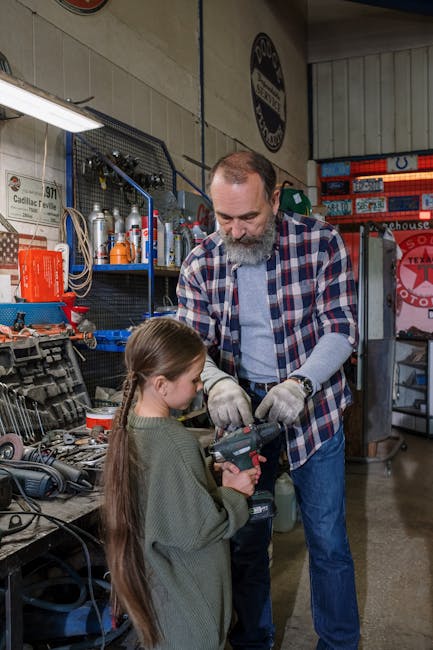
Hand tools are the backbone of any toolbox. They're simple, reliable, and don't require a power source. Imagine you're assembling furniture and you need to tighten screws. A screwdriver is your go-to choice. It's easy to use and doesn’t need batteries or charging.
Think about the times you've needed to hang a picture. A hammer becomes indispensable. Its straightforward design is perfect for driving nails into walls. These tools are all about precision and control. You can feel the material you’re working with, making adjustments by hand as needed.
What hand tools do you use most often? Is there one you reach for more than others? For many, a trusty tape measure is a staple. It allows you to measure twice and cut once, ensuring accuracy in every task.
Power Tools
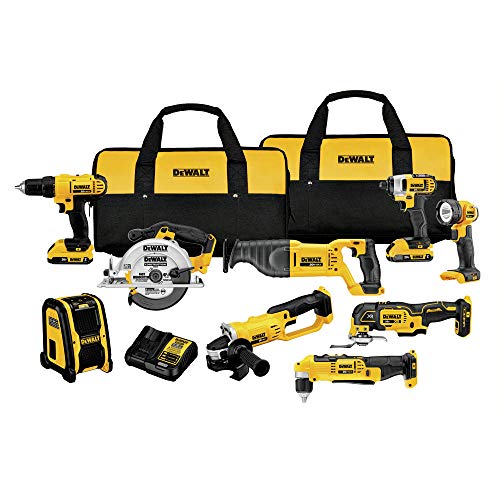
Power tools bring speed and efficiency to any project. They take the muscle out of heavy-duty tasks. Picture this: you're installing shelves and need to drill holes quickly. A power drill becomes your best friend, making the job faster and easier.
Have you ever thought about the benefits of a circular saw? It cuts through wood with ease, saving you time and effort. Power tools are perfect for bigger projects where manual tools just won't cut it.
However, power tools require caution. Safety should be your priority. Always wear protective gear and familiarize yourself with the tool's operation. What safety measures do you take when using power tools?
Choosing the right tool is about understanding your needs and the task at hand. The right combination of hand and power tools can transform your projects from overwhelming to manageable. So, what's in your toolbox? Are you equipped for the tasks you face?
Skill Development
Developing skills with a tool hand requires patience and practice. This tool enhances your ability to perform tasks accurately. It helps you hone important motor skills. As you work with it, your precision and control improve significantly. This development is vital in many fields.
Each task you complete with a tool hand builds your confidence. It also boosts your ability to handle various tools. This skill development process is gradual but rewarding.
Precision And Control
Using a tool hand enhances precision in every task. You learn to make small adjustments with ease. Each movement becomes more deliberate and controlled. This precision is crucial in tasks that demand accuracy.
Control over the tool hand allows for smoother operations. You begin to handle complex tasks with confidence. This control reduces errors and increases efficiency.
Coordination And Dexterity
Coordination improves as you use a tool hand regularly. Tasks requiring both hands become easier to perform. Your brain and hands start working in harmony. This coordination is essential in many daily activities.
Dexterity, or skillful movement, also increases with practice. You gain the ability to manipulate tools with agility. Dexterity is key to performing delicate tasks effortlessly.
Safety Practices
Tool Hand refers to the proper way of holding and using tools safely. It involves gripping tools firmly and using them with care to prevent accidents. Practicing Tool Hand helps ensure safety and efficiency in any task involving tools.
Safety is paramount when using any tool, and tool hand is no exception. Proper safety practices not only protect you but also ensure the longevity and efficiency of the tool. Whether you're a seasoned professional or a DIY enthusiast, understanding and implementing these practices is crucial. Let's dive into some essential safety practices that you should never overlook.
Proper Handling
Handling tools correctly is your first step toward safety. Always inspect the tool before use to ensure it's in good working condition. A friend once borrowed my tool hand without checking it first, and it led to a minor accident that could have been avoided. Maintain a firm grip and use the tool according to the manufacturer's instructions. Avoid using excessive force, which can lead to slipping and injury. Remember, efficiency comes from correct technique, not brute strength.
Protective Gear
Wearing the right protective gear is essential. Safety goggles protect your eyes from flying debris, while gloves provide a better grip and shield your hands from cuts. I once skipped wearing gloves, thinking it would be a quick job, and ended up with a nasty blister that lasted a week. Consider wearing a mask if you're working with materials that produce dust or fumes. Steel-toed boots can protect your feet from heavy falling objects. What protective gear do you usually overlook? It might be time to reassess what's in your toolbox. By adopting these safety practices, you not only protect yourself but also enhance your efficiency and confidence in handling tool hand.
Maintenance Tips
Tool Hand involves using and maintaining tools safely and effectively. Regular checks keep tools in good shape. Clean and store them properly to prevent damage.
Maintaining your tools properly is essential to ensuring they last and perform at their best. Whether you're a DIY enthusiast or a professional, good maintenance can save you time and money. Proper care not only extends the life of your tools but also enhances your productivity. Let's dive into some practical maintenance tips that will keep your tool hand in top condition.
Cleaning Tools
Regular cleaning is crucial. Dust and grime can cause tools to malfunction. After each use, wipe down your tools with a clean cloth. For stubborn dirt, use a mild soap solution and a soft brush. Keep an eye on tools with moving parts. Lubricate them occasionally to prevent rust and ensure smooth operation. This simple act can make a significant difference in your tool's performance and longevity.
Storage Solutions
Where you store your tools matters. A cluttered space can lead to misplaced or damaged tools. Consider setting up a dedicated area for your tools. Use toolboxes or wall-mounted racks to keep them organized. This not only keeps your space tidy but also makes it easier to find what you need. Think about the environment. Humidity can be a tool's worst enemy, leading to rust and decay. If your workspace is damp, consider using dehumidifiers or moisture absorbers. It’s a small investment for the peace of mind that your tools are safe. Have you ever struggled to find a tool when you needed it most? Proper storage can prevent those frustrating moments and keep your projects on track. Engaging in these maintenance practices will ensure your tools remain in prime condition, ready for the next task at hand. Remember, a well-maintained tool is a reliable tool, and a reliable tool makes every job easier.
Training Resources
Training resources for Tool Hand are essential for skill development. They offer comprehensive learning opportunities. These resources cater to various learning styles and preferences.
Workshops And Courses
Workshops provide hands-on experience with Tool Hand techniques. They are usually led by experienced instructors. Participants can ask questions and get direct feedback. Courses offer structured learning over several weeks. They include detailed modules covering different aspects of Tool Hand. Both workshops and courses build foundational skills.
Online Tutorials
Online tutorials are flexible and convenient. They can be accessed from anywhere. Tutorials often include step-by-step guides. They show specific Tool Hand techniques. Videos make learning visual and engaging. Online platforms offer a variety of tutorials. They cater to beginners and advanced users alike. Tutorials allow learners to progress at their own pace.
Career Opportunities
Tool Hand careers offer hands-on experience in equipment management. Workers ensure tools are organized and ready for use. It's a vital role in industries like construction and manufacturing. These opportunities provide practical skills and a chance to grow professionally.
Exploring career opportunities as a tool hand can open doors you might never have considered. Whether you're looking for a stable career or a stepping stone to more specialized roles, the possibilities are vast. Understanding where these opportunities lie can help you make an informed decision about your future.
Trades And Industries
Tool hands are vital in many trades and industries. In construction, they support carpenters and electricians by ensuring they have the right tools at the right time. In manufacturing, tool hands maintain equipment, which keeps production running smoothly. Oil and gas industries also rely heavily on tool hands to assist with drilling and maintenance. These sectors not only offer job stability but also opportunities for advancement. Imagine working on a large construction project or a bustling oil rig—each day brings unique challenges and learning experiences.
Specialized Roles
As a tool hand, you can progress into specialized roles that require more expertise. With experience, you might transition into a tool technician position, taking on more responsibilities such as tool repair and inventory management. This can lead to increased pay and job satisfaction. You can also move into supervisory roles, overseeing a team of tool hands and coordinating their activities. If you're passionate about a specific industry, becoming a specialist in that field can set you apart. Have you ever thought about becoming an expert in tool technology for renewable energy projects? The journey from a tool hand to a specialized role is achievable with dedication and continuous learning. Are you ready to take the first step towards a rewarding career?
Future Of Tool Handling
Tool Hand refers to advanced devices used for better tool management. These devices improve efficiency and safety. The future promises more smart and connected tools, making tasks easier.
The future of tool handling is an exciting journey blending technology with sustainability. Imagine a world where tool handling not only becomes more efficient but also eco-friendly. This is not just a possibility; it's rapidly becoming a reality. As you explore this future, consider how these changes can impact your daily life and work.
Technological Advancements
Tool handling is evolving with smart technologies. Tools are now embedded with sensors that monitor usage and condition, notifying you when maintenance is needed. This proactive approach can save you time and money by preventing unexpected breakdowns. Digital platforms are emerging that allow you to manage your tools from anywhere. With just a smartphone, you can track tool locations, usage patterns, and even share tools with colleagues. This level of connectivity brings unprecedented convenience and efficiency. Robotics and automation are also making waves in tool handling. Imagine robots that can sort, transport, and even operate tools in complex environments. This could significantly reduce human error and enhance productivity in industries ranging from construction to manufacturing.
Sustainable Practices
Sustainability is becoming a key focus in tool handling. More companies are designing tools with recyclable materials and energy-efficient features. By choosing these products, you not only reduce waste but also support a healthier planet. Circular economy models are gaining traction. Instead of buying new tools, consider renting or leasing options. This approach not only saves resources but also encourages manufacturers to create durable, long-lasting products. Think about the impact of your tool usage on the environment. Can you adjust your practices to minimize energy consumption? Small changes, like using tools during off-peak energy hours, can make a big difference in your carbon footprint. As you embrace these future trends, reflect on how they might transform your work. How can you leverage technology and sustainability to enhance your tool handling practices? The future holds endless possibilities for those willing to adapt and innovate.
Frequently Asked Questions
What Does A Tool Hand Do?
A Tool Hand is responsible for managing and maintaining tools and equipment. They ensure tools are in good condition, ready for use, and properly stored. Their role is crucial in operational efficiency, reducing downtime, and ensuring workplace safety. They often work closely with technicians and engineers.
How Important Is A Tool Hand Role?
The Tool Hand role is vital for smooth operations. They help prevent delays and ensure tools are always available. By maintaining tool quality, they contribute to safety and efficiency. Their expertise in managing inventory and equipment ensures seamless workflow in industries relying on tools.
What Skills Are Needed For A Tool Hand?
A Tool Hand requires strong organizational skills and attention to detail. They should be knowledgeable about different tools and their uses. Good communication skills are important to coordinate with other staff. Basic technical skills are beneficial for troubleshooting and maintenance tasks.
How Does Tool Hand Improve Productivity?
Tool Hands enhance productivity by ensuring tools are readily available and in top condition. They minimize downtime by performing regular checks and maintenance. Their expertise helps prevent equipment failures. This systematic approach to tool management supports efficient and uninterrupted workflow.
Conclusion
Tool Hand offers simplicity in tool management. It organizes and stores tools efficiently. This boosts productivity and saves time in the workplace. Easy access to tools ensures smooth workflow. Users can focus on tasks without disruptions. Tool Hand adapts to various environments, from home garages to industrial sites.
Its versatility makes it a valuable asset for many. Understanding its features can enhance day-to-day operations. Consider incorporating Tool Hand into your routine. It promises more organized and efficient tool use. Empower your workspace with this practical solution. Embrace Tool Hand for better tool management today.