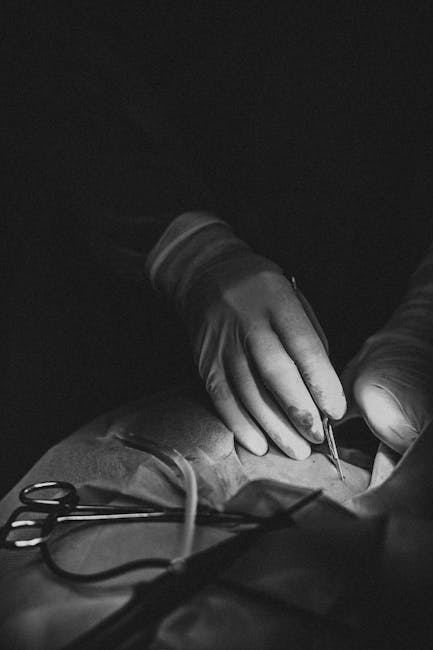
Imagine yourself lying on an operating table, bright lights overhead, surrounded by a team of skilled professionals. Your life is literally in their hands.
But have you ever wondered about the unsung hero who ensures that the surgeon has the right tools at precisely the right moment? This isn't just any role—it's a profession that requires precision, attention to detail, and a cool head under pressure.
Understanding who this key player is and how their expertise directly impacts the success of surgical procedures might change the way you think about operating rooms forever. By the end of this article, you'll gain a new appreciation for the critical role they play in your health and safety. Stay with us, and discover the fascinating world behind the surgical scenes.
Surgical Team Dynamics
In the fast-paced, high-stakes environment of an operating room, every second counts. The smooth functioning of a surgical team is crucial to the success of any procedure. Each member plays a vital role, and understanding these dynamics can greatly improve your appreciation for the intricate dance that is surgery.
Roles In The Operating Room
The operating room is a hub of activity, with each professional having a distinct role to ensure the surgery proceeds seamlessly. Surgeons, of course, lead the procedure, but who hands them the tools? This is the responsibility of the surgical technologist, often known as the scrub tech.
Scrub techs are the unsung heroes of the surgical team. They prepare the instruments and maintain sterility, ensuring everything is ready for the surgeon's next move. Their knowledge of the tools and the procedure is critical.
An anesthesiologist or nurse anesthetist manages the patient’s anesthesia, ensuring they remain comfortable and stable. Nurses circulate the room, offering support and handling unexpected issues, making them indispensable to the surgical process.
Importance Of Coordination
How does a surgical team achieve the synchronization required for a successful operation? Coordination is key. Each member must anticipate the needs of others, which demands a high level of communication and trust.
Imagine you're the scrub tech. You hand the surgeon a scalpel just as they need it, without a word spoken. This intuitive understanding comes from experience and practice. It’s this silent communication that often makes or breaks the procedure.
Have you ever wondered what happens if there’s a misstep in this coordination? Even a slight delay can lead to complications. This highlights the need for meticulous planning and teamwork, where everyone knows their role and executes it flawlessly.
Consider the last time you worked in a team under pressure. Reflect on how vital clear roles and coordination were to your success. In surgery, lives depend on this dynamic. Could your team benefit from adopting similar practices?
Role Of The Surgical Technologist
In the intricate dance of the operating room, where precision and timing are everything, the role of the surgical technologist is crucial. Often regarded as the surgeon's right hand, surgical technologists ensure that every tool is in place, sterile, and ready for use. They are the unsung heroes who make the surgeon's job possible, contributing significantly to the success of surgical procedures. But what exactly does a surgical technologist do? Let's dive into their key responsibilities and understand their journey through training and certification.
Key Responsibilities
Surgical technologists play a pivotal role during operations. They prepare the operating room by setting up surgical instruments and equipment, ensuring everything is sterile and organized. Imagine the precision required here—every tool must be in its exact place.
During surgery, they assist by passing instruments to the surgeon, holding retractors, and even helping with suturing. Their focus and quick reflexes can make or break the rhythm of the procedure. They also monitor supplies and ensure nothing runs out mid-operation.
Post-surgery, they help clean and restock the operating room, readying it for the next patient. Their work is continuous, demanding, and vital to the seamless flow of surgeries.
Training And Certification
Becoming a surgical technologist requires dedication and specialized education. Most start with a diploma or an associate degree in surgical technology. These programs cover anatomy, medical terminology, and the essentials of surgical procedures.
Certification is a significant milestone. The Certified Surgical Technologist (CST) credential, offered by the National Board of Surgical Technology and Surgical Assisting, is highly regarded. It validates your skills and opens doors to better job opportunities.
Continuous education is essential in this field. Medical technologies evolve rapidly, and staying updated is crucial. Are you ready to commit to lifelong learning?
With the right training and certification, you can be an indispensable part of the surgical team. Your role not only supports surgeons but also impacts patient safety and outcomes. Would you want to be the reliable hand that guides critical surgeries to success?
Evolution Of The Surgical Technologist
The role of the surgical technologist has evolved significantly over time. This profession is essential in the operating room. They are the ones who hand the tools to surgeons. Their importance cannot be overstated. Let's explore how this role has developed over the years.
Historical Development
In the early days, surgical assistants had minimal training. They learned through on-the-job experiences. Often, they were nurses or military medics. Their main tasks were simple. They sterilized instruments and prepared the operating room. As surgeries grew complex, the need for specialized skills increased. Schools began offering formal training programs. This led to the creation of the surgical technologist profession.
Modern Advancements
Today, surgical technologists are highly skilled professionals. They receive comprehensive education and certification. Their training covers a wide range of medical procedures. They must understand anatomy and sterile techniques. Technology plays a big role now. They use advanced equipment in surgeries. This includes robotic instruments and computerized systems. Continuous learning is crucial for them. They must keep up with new surgical techniques and tools.
Tools And Equipment Management
In the operating room, a surgical technologist hands tools to the surgeon. This professional ensures instruments are sterile and ready. Quick and precise, they play a vital role in surgery.
In the fast-paced world of the operating room, tools and equipment management play a crucial role in the success of surgical procedures. The professionals responsible for handling these tools are surgical technologists, often referred to as "scrub techs" or "surgical techs." They ensure that surgeons have the right instruments at the right time, maintaining a seamless flow during operations. But what exactly goes into this meticulous process?
Inventory And Preparation
Surgical technologists begin their day with a detailed inventory check. They meticulously review the surgical schedule to understand which instruments and tools are required for each procedure. This task involves organizing surgical trays, ensuring that every instrument is in place, and checking for any damage or wear. Preparation is not just about collecting tools; it’s about understanding their importance. Imagine the chaos if a surgeon reaches for a tool only to find it missing. By anticipating needs and preparing thoroughly, surgical techs help prevent such disruptions.
Sterilization And Safety Protocols
Sterilization is a non-negotiable part of surgical tool management. Surgical technologists follow strict protocols to clean and sterilize each instrument. This process eliminates any bacteria or viruses, ensuring patient safety. Safety protocols extend beyond sterilization. Surgical techs must handle tools with precision and care. They are trained to maintain a sterile field and to pass instruments to the surgeon in a manner that does not compromise sterility. Have you ever wondered how a small slip-up can lead to significant complications? This highlights the importance of adhering to safety protocols. Surgical technologists’ attention to detail and commitment to safety are what protect patients from infection and ensure successful outcomes. By understanding the complexities of tools and equipment management, you gain insight into the behind-the-scenes efforts that make surgery possible. How do you think these meticulous preparations impact the success of surgical procedures?
Collaboration With Surgeons
Surgical technologists play a crucial role in the operating room. They ensure surgeons have the right tools during procedures. Their precision and knowledge support the surgical team, ensuring smooth operations and patient safety.
Collaboration with surgeons is crucial in the operating room. Surgical procedures require a seamless partnership between the surgeon and the surgical technologist. This professional, often known as a surgical technologist or scrub tech, plays an essential role in ensuring the surgery runs smoothly.
Communication Techniques
Effective communication is the backbone of any successful surgical team. Surgical technologists must be adept at interpreting a surgeon's cues, often without words. This requires keen observation skills and the ability to anticipate needs quickly. Listening actively is crucial. A surgical technologist should always be aware of the procedure's progress. This helps in handing the right tool at the right moment, minimizing any disruption. Questions are a vital tool. If unsure, a quick, clarifying question can prevent mistakes. This fosters trust and ensures everyone is on the same page.
Adapting To Surgeon Preferences
Every surgeon has unique preferences. Some might prefer instruments in a specific order or certain techniques. As a surgical technologist, it’s vital to adapt quickly to these individual styles. Observation is key here. Pay attention to how surgeons like their tools arranged or how they communicate during procedures. This subtle learning can significantly enhance the efficiency of the operation. Flexibility is your friend. Surgeons appreciate a technologist who can adjust on the fly. This not only improves the workflow but also establishes a stronger professional rapport. Have you ever wondered how much impact a surgical technologist's adaptability can have on the success of a surgery? It's immense. By honing these skills, you can make a significant difference in patient outcomes and team dynamics.
Challenges Faced In The Field
Surgeons face challenges with tool handling, relying on skilled professionals for assistance during operations. Coordinating effectively ensures precision and safety. Collaboration between team members is crucial to overcoming obstacles in the surgical field.
The role of the professional who hands tools to surgeons in the operating room, often known as a surgical technologist or scrub nurse, is as critical as it is demanding. You might think it's a straightforward task, but the challenges they face are immense. This profession demands precision, adaptability, and a calm demeanor under pressure. Understanding these challenges not only broadens our appreciation for their work but also highlights the complexities of the medical field.
Stress And High-stakes Environment
Working in an operating room is not for the faint-hearted. Every surgery is a high-stakes situation where lives hang in the balance. Imagine the pressure of having to anticipate a surgeon's needs without a moment's delay. Your margin for error is virtually non-existent. A single mistake can have serious consequences. This stress is compounded by the fast-paced environment, where you're constantly on your feet, making split-second decisions. How would you cope with such a relentless pace?
Keeping Up With Medical Innovations
The medical field is always evolving, and as a surgical technologist, you must keep up with these changes. New tools and techniques are regularly introduced, requiring ongoing learning and adaptation. Consider the challenge of mastering a new surgical instrument. You can't afford to be behind the curve, as it could affect the entire surgical team's efficiency. Continuous education is a must, but it can be overwhelming. How do you stay motivated to learn in a field that's always changing? These challenges make the role of surgical technologists both demanding and rewarding. Their ability to navigate stress and embrace innovation ensures that surgeons can perform their best, ultimately saving lives.
Future Of Surgical Assisting
The future of surgical assisting looks promising and dynamic. Technological advancements and an evolving healthcare landscape are shaping new roles. Surgical assistants play a crucial part in operating rooms. Their skills and responsibilities are expanding. This profession offers exciting opportunities for those interested in medical careers.
Technological Influences
Technology plays a big role in surgical assisting. Robotics and AI are changing surgery. These tools help surgical assistants enhance precision. Virtual reality provides training opportunities. It allows practice in a safe environment. Advanced imaging tools assist in complex procedures. They improve accuracy and reduce errors. Technology improves patient outcomes and increases efficiency.
Potential Career Growth
The demand for surgical assistants is rising. More surgeries are performed every year. The aging population needs more medical care. This increases the need for skilled assistants. Hospitals and clinics seek qualified professionals. Career growth opportunities are expanding. Surgical assistants can pursue specialized certifications. These add value to their roles. They can also teach new skills to other team members. This enhances their career prospects.
Frequently Asked Questions
Who Assists The Surgeon During Operations?
The surgical technologist assists the surgeon during operations. They are responsible for handing the necessary tools to the surgeon. Their role is crucial for ensuring a smooth and efficient procedure. They maintain the sterile field and ensure that all instruments are ready and available.
What Is The Role Of A Scrub Nurse?
A scrub nurse plays a vital role in the operating room. They provide instruments and other supplies to the surgeon during surgery. They ensure that the surgical environment remains sterile. They also monitor the patient’s condition throughout the procedure, helping ensure everything runs smoothly.
How Does A Surgical Technologist Prepare For Surgery?
A surgical technologist prepares for surgery by setting up the operating room. They ensure all necessary instruments and equipment are sterilized and ready. They arrange surgical tools in an orderly manner for easy access. They also assist in prepping the patient for surgery, ensuring everything is in place.
What Qualifications Are Needed For Surgical Technologists?
Surgical technologists typically need a postsecondary non-degree award. Many earn an associate’s degree from a community college or technical school. Certification is often preferred by employers, which can be obtained through accredited programs. On-the-job training is also crucial to develop the necessary skills.
Conclusion
Understanding who assists the surgeon is crucial. Surgical technologists play a vital role. They manage tools and maintain a sterile environment. This team effort ensures successful operations. Surgeons rely on them for precision and support. Their expertise helps the surgical process run smoothly.
Without them, operations can face challenges. So, next time you think of surgery, remember the teamwork involved. A surgeon's skill is only part of the equation. The surgical technologist completes the picture. Together, they create a seamless experience for patients.
Their combined efforts ensure better outcomes and patient safety. It's teamwork at its best.