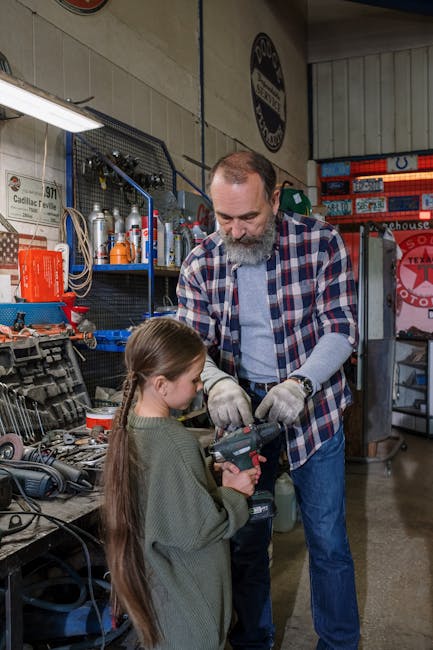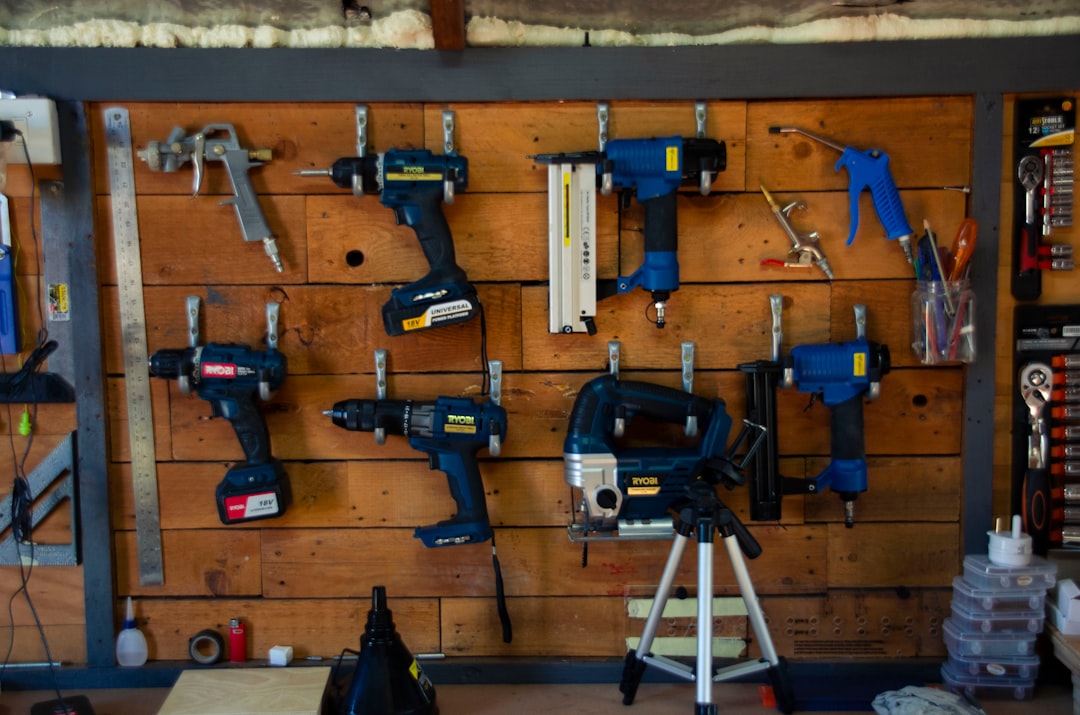
Imagine this: it’s a beautiful Saturday morning, and you're eager to dive into your latest DIY project. You've got your power tools ready, and you're excited to start.
But wait—have you ever paused to consider the best time to use your power tools? You might not realize it, but there are specific times when you can and can't operate these noisy machines. Understanding these time frames is crucial, not just for maintaining neighborly peace, but also for adhering to local regulations.
You'll discover when you can legally and considerately use power tools, ensuring that your projects don’t just enhance your home, but also keep everyone around you happy. Ready to find out more? Keep reading to make sure you’re on the right track and avoid any unwanted disruptions.
Legal Regulations
Local laws often dictate specific times for using power tools to reduce noise pollution. Typically, weekday hours are between 7 AM and 10 PM, while weekends might have stricter limits. Always check local regulations to avoid penalties.
When it comes to using power tools, it's crucial to understand the legal regulations that govern their usage. These rules are set in place to ensure safety, reduce noise pollution, and maintain peace within neighborhoods. Knowing the legal framework can help you avoid fines and conflicts with neighbors. Let's dive into what you need to know about these regulations.
Understanding Local Noise Ordinances
Local noise ordinances dictate when you can use power tools. These laws vary from place to place. Most cities restrict usage during early mornings and late evenings. Before you start your project, check your city’s regulations online or at the local government office. This simple step can save you from unexpected fines.
Residential Vs. Commercial Areas
The rules often differ between residential and commercial areas. Residential areas tend to have stricter regulations. This is to ensure that residents can enjoy peace and quiet. If you live in a commercial area, the rules might be more lenient. Always verify with your local council to avoid any issues.
Consideration Of Public Holidays And Weekends
Public holidays and weekends usually have specific restrictions. These are times when people are likely home and resting. You might be required to limit your use of power tools during these periods. This is a good time to ask yourself: is this task urgent or can it wait? Being considerate can foster goodwill with your neighbors.
Safety Regulations For Power Tool Usage
Safety regulations are crucial to prevent accidents. Always wear protective gear such as goggles and gloves. Ensure your tools are in good working condition. This not only keeps you safe but also reduces noise levels. Remember, safe tool usage contributes to a quieter environment.
Personal Story: Avoiding Conflict With Neighbors
I once started a DIY project early on a Sunday morning. I thought it was the perfect time. However, my neighbor quickly informed me of the noise restrictions. It was an eye-opener. I realized the importance of checking regulations first. Since then, I've always been cautious, and my neighbors appreciate it. Understanding these regulations isn't just about obeying the law. It's about being a good neighbor and keeping your community harmonious. Have you ever faced challenges with power tool regulations? Consider how following these rules can positively impact your environment.
Residential Areas
Living in residential areas means being part of a community. One of the key aspects of coexisting with neighbors is being mindful of noise levels. Using power tools can be necessary, but it's important to know when you can do so without disturbing others. Understanding the rules around the timing of power tool use can save you from potential conflicts and help maintain a peaceful neighborhood.
Weekday Restrictions
Weekday restrictions often aim to balance the needs of working individuals and families. Most residential areas allow power tool use during the day, typically from 7 or 8 AM to 8 PM. However, you should check local regulations as they can vary.
Consider your neighbors' schedules. If you know someone works night shifts, it might be courteous to adjust your timing. A little consideration can go a long way in maintaining good neighborly relations.
Weekend Guidelines
Weekends are often reserved for relaxation and family time, which is why noise restrictions can be stricter. In many areas, power tools may be used from 9 or 10 AM to 6 PM on weekends. Again, local rules may differ, so it's wise to double-check.
Think about how you spend your weekends. Just as you might want a quiet Sunday morning, so do your neighbors. Planning ahead can help you finish your projects without causing disruption.
Have you ever been woken up by a neighbor's power tools on a Saturday morning? How did it make you feel? Remembering your own experiences can help you empathize and choose better times for your activities.
Being aware of these guidelines not only keeps you within legal boundaries but also fosters a respectful environment. How do you ensure you're respectful of your neighbors' peace? Share your strategies and experiences in the comments below.
Commercial Zones
Commercial zones are buzzing hubs where businesses thrive and grow. These areas host various activities, from retail shops to office buildings. The use of power tools in these zones is common. Understanding the rules for using them can prevent disruptions.
Standard Operating Hours
Most commercial zones have specific hours for power tool use. Typically, these hours align with business operations. Commonly, the permitted hours are from 8 AM to 6 PM. This ensures minimal disturbance to businesses and customers. Adhering to these hours helps maintain harmony in the area.
Noise Ordinances
Noise ordinances play a crucial role in regulating power tool use. These laws aim to limit excessive noise, which can disturb others. In commercial zones, noise levels are often monitored. Tools must operate within set decibel limits. Violating these ordinances can lead to fines or penalties. Understanding these rules benefits everyone in the community.
State And Local Variations
Local laws dictate when power tools can be used, varying by state and community. In residential areas, typical hours often range from 7 a. m. to 10 p. m. Specific rules depend on noise ordinances and neighborhood agreements. Always check local regulations to avoid fines.
When you're planning a home improvement project, understanding the rules for using power tools is crucial. These rules can vary widely depending on where you live. Knowing the local guidelines not only helps you stay compliant but also keeps your neighbors happy. This section will cover how state and local variations impact when you can use power tools.
State-specific Laws
Each state in the U.S. may have its own laws about when you can operate power tools. Some states have noise ordinances that dictate specific hours for noisy activities. In California, for example, some counties restrict construction noise to between 7 AM and 7 PM on weekdays. Other states might have more lenient rules or leave these decisions to local authorities. It's essential to check your state’s regulations before starting your project. A quick online search or a call to your state's environmental or local government office can provide clarity.
Local Government Rules
Local governments often have more specific rules than state laws. Cities and counties may impose stricter noise restrictions to maintain peace in residential areas. In my neighborhood, for instance, power tools can only be used from 8 AM to 6 PM, even on weekends. These local rules are usually enforced by city councils or zoning boards. You'll often find these details on your city’s official website. Ignoring these rules could result in fines or complaints from neighbors. Have you ever been caught off guard by unexpected local rules? It’s a good reminder to double-check before you start any loud activities. Knowing the rules helps you plan better and keeps you on good terms with those around you.
Exceptions And Special Permits
Understanding the rules around using power tools is crucial. There are set times for their use. But, sometimes, exceptions and special permits change these rules. Knowing these exceptions can help avoid fines or disputes. Let's explore how exceptions work and when you might need a special permit.
Exceptions For Construction Projects
Construction projects often have different rules. They may start earlier or finish later. These exceptions depend on the location and local laws. Builders usually get special permissions. This ensures the project stays on schedule.
Emergency Repairs
Sometimes, repairs can't wait. Emergencies like burst pipes or electrical faults need immediate action. In these cases, using power tools any time is allowed. Safety comes first. This means fixing the problem quickly is important.
Special Permits For Events
Big events sometimes need special permits. Events like fairs or concerts might require early setup. In these situations, permits allow using power tools outside regular hours. This helps ensure everything is ready on time.
Working With The Local Council
Getting a special permit involves the local council. They assess the request and its impact. If approved, you can use power tools as needed. Always check with them first.
Consideration For Neighbors
Even with permits, be considerate of neighbors. Noise can disturb their peace. Inform them about any unusual noise early. This helps maintain good relationships.
Considerations For Homeowners
Using power tools at home requires careful timing. Neighbors value peace, especially during early hours. Local laws often govern noise levels. Understanding these rules prevents fines and fosters community harmony. Knowing when to use tools saves stress and keeps relationships intact. Consider the impact before starting any noisy work.
Respecting Neighbors
Consider the time neighbors wake up and sleep. Early mornings are usually quiet. Late nights should be peaceful too. Many prefer weekends for relaxation. Plan tool usage around these times. Check local noise ordinances. They often specify acceptable hours. Respect these to maintain good neighborly relations.
Avoiding Fines
Fines for noise violations can be costly. Research local regulations to avoid penalties. They often dictate specific quiet hours. Follow these to prevent any legal troubles. Knowing the rules protects your wallet and peace of mind. Always stay informed to avoid unexpected fines.
Tips For Compliance
Using power tools at the right time is crucial for maintaining peace. It ensures compliance with local noise regulations and avoids disturbing neighbors. Following specific tips can help you use power tools responsibly. This will also ensure that your projects run smoothly.
Planning Projects
Plan your projects considering the allowed hours for power tool use. Check local noise ordinances to know the permitted times. This helps in scheduling work during acceptable hours. Create a timeline for your project, keeping noise restrictions in mind. This way, you can complete tasks efficiently without any interruptions.
Using Noise-reducing Tools
Choose tools that produce less noise to minimize disturbance. Many modern tools come with noise-reduction features. They help in keeping the noise level low. Regularly maintain your equipment to ensure they operate quietly. Well-maintained tools often make less noise than neglected ones. Investing in quieter tools can make a big difference.
Resources For Further Information
Finding the right time to use power tools can be confusing. Different areas have different rules. Knowing where to find information is important. This section provides resources to help you understand regulations.
Government Websites
Government websites are reliable for accurate information. They often have guidelines about noise regulations. Visit your local government's website. Look for sections on community laws or noise control. These sites offer clear instructions about tool use times. They may also have contact information for further inquiries.
Community Boards
Community boards are another excellent resource. They are often found online or in community centers. They might have posts about local noise regulations. Residents usually share experiences and tips. This information can be helpful and specific to your area. Checking these boards regularly can keep you informed.
Frequently Asked Questions
What Are Common Power Tool Usage Times?
Most areas allow power tool usage between 7 AM and 9 PM on weekdays. On weekends, the permissible hours might start later, around 8 AM or 9 AM, and end earlier, around 7 PM. Always check local regulations to ensure compliance with noise ordinances.
Are There Noise Restrictions For Power Tools?
Yes, many communities have noise ordinances that restrict loud tool use during certain hours. These regulations are designed to minimize disturbances, especially in residential areas. It's crucial to be aware of and adhere to these local rules to avoid fines and maintain neighborly relations.
Can I Use Power Tools On Public Holidays?
Using power tools on public holidays might be restricted in some areas. Many local ordinances specify reduced hours or prohibit noisy activities on such days to ensure a peaceful environment. It's advisable to check specific local regulations before planning any work on public holidays.
How Can I Minimize Noise From Power Tools?
To minimize noise, use quieter tools, work indoors if possible, and invest in soundproofing materials. Consider scheduling noisy tasks during approved hours and inform neighbors in advance. Using modern, well-maintained tools can also significantly reduce noise levels during operation.
Conclusion
Respecting power tool usage times is essential. It maintains peace in neighborhoods. Always check local regulations before starting work. Consider your neighbors' schedules. Early mornings and late nights might disturb others. Using tools at appropriate times shows courtesy. It also prevents noise complaints.
Safety and consideration should guide your actions. Keep tools maintained for efficient use. This reduces unnecessary noise. Proper timing and care enhance your work experience. Happy neighbors mean a happier community. Following these guidelines benefits everyone involved. Stay informed and considerate for harmonious living.