Are you curious about the tools that help us understand and measure electric current? Whether you're diving into a DIY electronics project or simply want to expand your knowledge, knowing how to measure electric current is essential.
Imagine being able to troubleshoot, optimize, and ensure the safety of your electrical devices with confidence. The tool that makes this possible is not just a gadget; it's a gateway to mastering the invisible yet powerful force that powers our modern world.
Discover how this tool works and why it's vital for your projects and peace of mind. Read on to uncover the secrets of measuring electric current efficiently and accurately. Your journey to becoming more informed starts here!
Multimeter
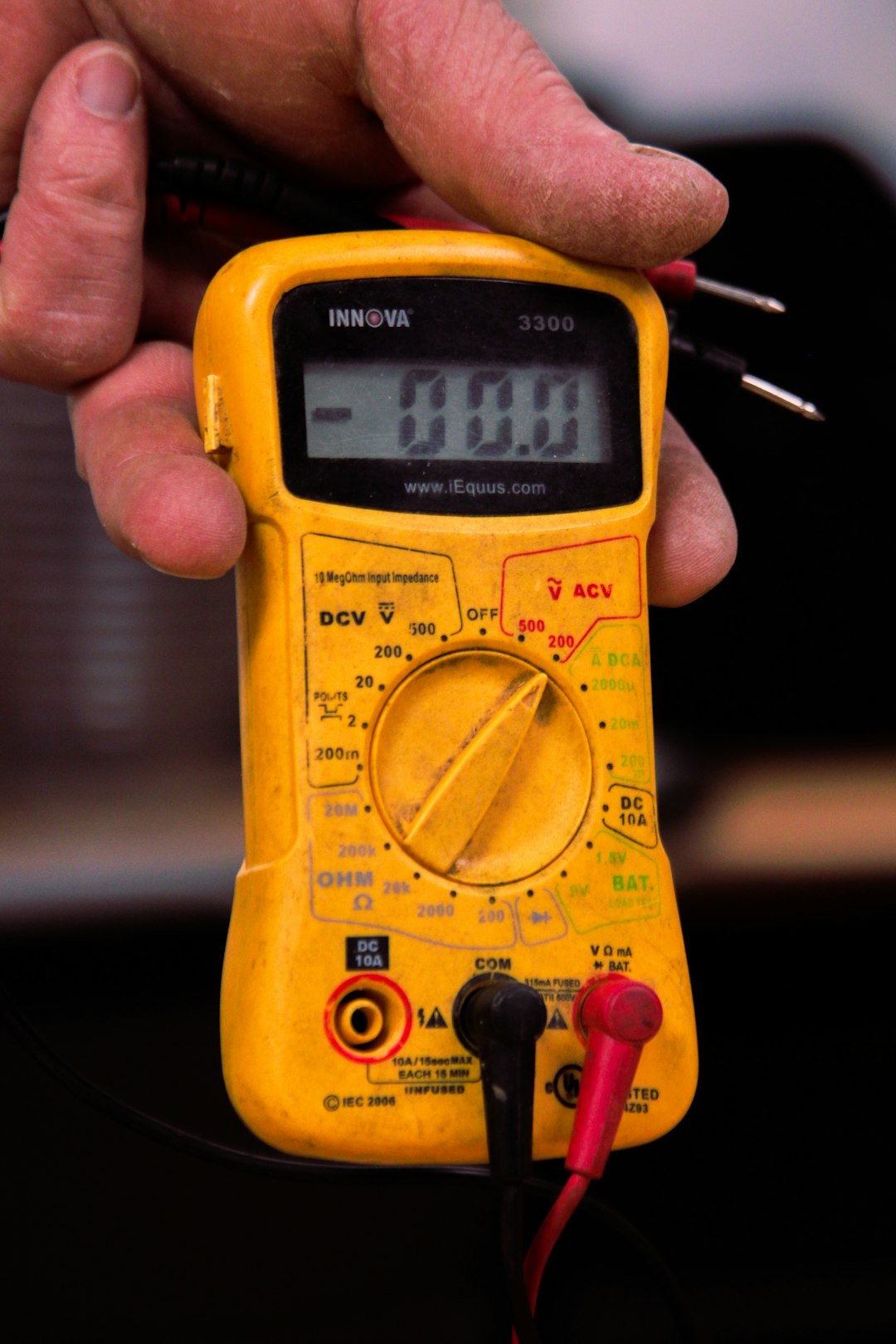
A multimeter is a versatile tool for measuring electrical values. It helps in measuring voltage, resistance, and electric current. Electricians and hobbyists use it for troubleshooting circuits and electrical appliances. Understanding its types and functions aids in effective usage.
Digital Multimeter
The digital multimeter is user-friendly and widely used. It displays readings on a clear LCD screen. This feature makes it easy to read values quickly. Digital multimeters offer high accuracy and reliability. They often come with an auto-ranging function. This function simplifies the measurement process for users.
Analog Multimeter
Analog multimeters have a traditional design. They use a needle and scale to show measurements. Reading values requires more skill and attention. Analog multimeters are preferred for observing trends. They are useful in detecting fluctuations in readings. Some users find them better for monitoring changing signals.
Features And Functions
Multimeters have various features and functions. They include measuring AC and DC voltage. Resistance measurement is another key feature. Continuity testing is useful for checking circuit connections. Some multimeters have additional functions like diode testing. Others offer temperature measurement capabilities.
Safety features are important in multimeters. Look for overload protection to prevent damage. Ensure your multimeter has insulated probes. This reduces the risk of electric shock during use.
Clamp Meter
A clamp meter is a handy tool for measuring electric current without disconnecting wires. It features jaws that open to clamp around a conductor, making it easy and safe to get accurate readings. Ideal for electricians, it simplifies current measurement in various electrical systems.
A clamp meter is a device that measures electric current without the need to directly touch the conductor. This handy tool is a favorite among electricians and technicians for its ease of use and safety. Imagine needing to measure the current flowing through a wire without cutting or stripping it—that's where a clamp meter shines. You simply clamp it around the wire, and it gives you a reading. It’s like the stethoscope of the electrical world, allowing you to listen in on the electricity flow without disturbing it.
Working Principle
The clamp meter works on the principle of electromagnetism. When you clamp it around a conductor, it detects the magnetic field generated by the current flowing through the wire. A sensor in the clamp translates this magnetic field into an electric signal, which is then displayed as a current reading. This non-intrusive method makes it safe and convenient for measuring current.
Advantages And Limitations
Advantages: - Safety First: You don't need to disconnect the circuit to measure current, reducing the risk of electric shock. - Versatility: Many clamp meters also measure voltage, resistance, and continuity, making them multifunctional. - Convenience: Portable and easy to use in tight spaces; great for on-the-go diagnostics. Limitations: - Accuracy: While generally accurate, clamp meters may not be as precise as traditional multimeters for low currents. - Sensitivity: They might not detect small currents in thin wires accurately. - Limit on DC Measurements: Some models may struggle with measuring DC current, especially at lower levels. If you’ve ever been in a situation where you needed to measure current quickly and safely, you know how invaluable a clamp meter can be. Have you used a clamp meter before? What challenges did you face? Consider adding this tool to your electrical toolkit, and you may find it makes your tasks a lot easier.
Oscilloscope
The oscilloscope is an incredibly versatile tool used in measuring electric current and analyzing electronic signals. If you've ever wondered how technicians visualize the flow of electricity through circuits, the oscilloscope is key. It provides a graphical representation of voltage over time, allowing you to see the waveform of the current. This is crucial for diagnosing issues or fine-tuning electronic devices.
Visualizing Electric Current
Imagine having the ability to see electricity at work. That's what an oscilloscope offers—an electronic window into the world of currents. By displaying waveforms, you can determine the frequency, amplitude, and other characteristics of an electrical signal. It's like having x-ray vision for your electronic projects.
Have you ever tried troubleshooting a faulty electronic device without understanding what’s happening inside? An oscilloscope simplifies this by showing you the electric current's behavior. You can pinpoint anomalies or confirm that everything's running smoothly. Whether you're fixing a broken gadget or testing new prototypes, seeing is believing.
Types Of Oscilloscopes
Oscilloscopes come in various types, each suited for different tasks. The most common types are analog and digital oscilloscopes. Analog oscilloscopes are the traditional choice, using a cathode-ray tube to display waveforms. They offer a classic feel but are less common today.
Digital oscilloscopes have largely taken over the scene. They convert the analog signal into a digital format, providing more precise readings and advanced functionalities like waveform storage. These are perfect for modern electronics where precision is key.
Have you considered a mixed-signal oscilloscope? It combines digital and analog functionalities, allowing you to measure both types of signals simultaneously. This can be a game-changer if you're working on complex devices requiring comprehensive analysis.
So, which type do you need? Think about what you're measuring and your level of expertise. A digital oscilloscope is often the best choice for beginners due to its ease of use and advanced features. But sometimes, simplicity is all you need, and an analog model will do the trick.
If you're looking to dive deeper into electronics, investing in the right oscilloscope could save you time and headaches. Have you ever struggled to understand a signal with another tool, only to find clarity with an oscilloscope? It's an experience that underscores the importance of choosing the right equipment.
Current Transformer
Have you ever wondered how electricians measure electric current in high-voltage systems without directly connecting to the live wire? Enter the Current Transformer, a tool that’s not only fascinating but also essential for safe and efficient electrical measurements. This device allows us to measure large currents by transforming them into smaller, manageable values. It plays a crucial role in ensuring that electrical systems operate safely and efficiently.
Application In High Voltage Systems
Current Transformers are indispensable in high voltage systems, often found in power plants and large industrial setups. They enable accurate current measurement without the need for direct contact, reducing the risk of accidents. Imagine trying to measure the current flowing through a high-voltage line without this tool. It would be not only challenging but also dangerous.
These transformers convert high currents into lower ones, which are easier to measure and analyze. This transformation allows technicians to monitor system performance and detect issues early. By using Current Transformers, you’re able to maintain system reliability and safety.
Design And Construction
The design of a Current Transformer is both simple and ingenious. It consists of a primary winding through which the current to be measured flows, and a secondary winding that produces a reduced current. This secondary current is proportional to the primary current, making it easy to measure.
Typically, the primary winding is a single turn, such as a cable or bus bar that passes through the transformer core. The secondary winding is made of many turns of wire, which helps in reducing the current. This design ensures that even a non-expert can grasp how the transformer works.
Construction materials are chosen to withstand high voltages and harsh environmental conditions. This durability ensures the device can operate safely for years. When choosing a Current Transformer, consider its capacity and the environment it will be used in. This attention to detail can save you from potential issues down the line.
Have you used a Current Transformer before, or are you planning to? Understanding its design and applications can make a significant difference in how effectively you use it. What challenges have you faced when dealing with high voltage systems, and how did the Current Transformer help?
Shunt Resistor
A shunt resistor plays a key role in measuring electric currents. It is a small, precise resistor placed in parallel with a measuring device. This setup allows it to handle large currents, measuring the voltage drop across it. By doing so, it calculates the current flowing through the circuit. This method offers accuracy and stability, making shunt resistors popular in many applications.
Measuring Low Currents
Shunt resistors excel at measuring low currents with high precision. They convert small current into a measurable voltage drop. This voltage drop is then read by instruments to determine current. The low resistance value minimizes power loss. It ensures that the current measurement is accurate. Engineers often choose shunt resistors for sensitive applications. They are reliable and offer consistent performance.
Calibration Process
The calibration process for a shunt resistor is crucial. It ensures accurate current measurement. This involves comparing the shunt's readings with a standard reference. Adjustments are made to match the reference values. Regular calibration maintains accuracy over time. It compensates for any resistance changes. This process is essential for precision in critical applications. Calibration helps avoid errors in current measurement.
Hall Effect Sensor
Hall Effect Sensors measure electric current by detecting magnetic fields. These sensors provide accurate and contactless current measurements. Ideal for various applications in electronics and automotive industries.
The Hall Effect Sensor is a fascinating tool used to measure electric current. It operates based on the Hall Effect principle, discovered by Edwin Hall in 1879. This sensor is widely appreciated for its ability to measure current without direct contact, making it a popular choice in various applications.
Non-invasive Measurement
One of the most appealing features of the Hall Effect Sensor is its non-invasive nature. You don't have to cut wires or disrupt circuits to measure current, which can save a lot of time and hassle. Imagine working in a busy lab where time is precious. Using a Hall Effect Sensor, you can quickly gather data without altering your setup. This ease of use can lead to increased efficiency and fewer errors. Have you ever wondered how you can ensure safety while measuring current? The non-invasive method of the Hall Effect Sensor significantly reduces the risk of electric shock, making it a safer option for technicians and engineers.
Industrial Applications
Industries rely heavily on the Hall Effect Sensor for its reliability and accuracy. In manufacturing, these sensors help monitor equipment performance and detect faults before they lead to costly downtime. Consider the automotive industry, where precision is crucial. Hall Effect Sensors are used to measure the speed of wheels and the position of pedals, ensuring smooth and safe operation. Are you curious about how renewable energy plants measure current flow? Hall Effect Sensors play a critical role in monitoring solar panels and wind turbines, optimizing energy production and ensuring sustainability. Incorporating Hall Effect Sensors into your projects can offer practical benefits. These sensors not only improve efficiency but also provide peace of mind with their accurate readings.
Choosing The Right Tool
Choosing the right tool to measure electric current is crucial. It ensures accurate readings and safety. Electric current measurement tools come in various types. Each has its own unique features and specifications.
Understanding the key factors and common use cases helps in making an informed choice. You will get the best performance and results by selecting the right tool.
Factors To Consider
Accuracy is a primary concern when measuring electric current. Choose tools with high precision for reliable results. Consider the range of the tool. Ensure it can handle the currents you need to measure.
Ease of use matters, especially for beginners. Opt for user-friendly devices with clear instructions. Durability is important. Select tools made from quality materials to ensure long-term use.
Safety features protect users from electrical hazards. Look for tools with protective measures. Cost can influence your decision. Choose a tool that fits your budget without compromising quality.
Common Use Cases
Electricians often use these tools to troubleshoot circuits. They ensure proper functioning and fix issues promptly. Homeowners use them for DIY projects, like fixing appliances.
Educators use these tools for teaching purposes. They help students understand electricity concepts practically. Engineers use them in development and testing of electronic devices.
Technicians rely on these tools for maintenance tasks. They ensure equipment performs efficiently and safely. Hobbyists use them for personal projects and experimenting with electronics.
Frequently Asked Questions
What Tool Measures Electric Current Precisely?
An ammeter is the tool used to measure electric current precisely. It connects in series with the circuit to measure current flow. Ammeters are designed to minimize resistance, ensuring accurate readings without affecting the circuit. They come in analog and digital forms, providing reliable current measurements for various applications.
How Does An Ammeter Work?
An ammeter works by detecting the flow of electric current through a wire. It measures current by converting it into a readable value using a needle or digital display. The tool is connected in series to ensure that the current flows through it, providing accurate readings without altering the circuit's performance.
Can A Multimeter Measure Electric Current?
Yes, a multimeter can measure electric current effectively. It serves multiple functions, including measuring voltage, resistance, and current. To measure current, switch the multimeter to the ampere setting. Connect it in series with the circuit. Multimeters are versatile tools for troubleshooting electrical issues.
What Is The Difference Between Ammeter And Voltmeter?
An ammeter measures current, while a voltmeter measures voltage. Ammeters connect in series to measure current flow accurately. Voltmeters connect in parallel to measure the voltage across two points. Both tools are essential for diagnosing electrical circuits, providing insights into circuit functionality and performance.
Conclusion
Measuring electric current is essential in electrical work. The ammeter is the primary tool for this task. It provides accurate readings. Using an ammeter ensures safe and efficient electrical systems. It's vital for diagnosing and troubleshooting electrical issues. Understanding its use helps in maintaining equipment.
This knowledge can prevent potential hazards. Always ensure proper use of the ammeter. It can safeguard you from electrical mishaps. With practice, reading current becomes straightforward. Remember, safety first in all electrical tasks. An ammeter is your reliable partner in measuring current accurately.