Imagine you're about to tackle an electrical project at home. Perhaps you're fixing a faulty appliance or setting up new lighting.
You know that understanding electrical current is crucial, but where do you start? What's the tool that can measure electrical current accurately and safely? In this post, we'll unravel the mystery behind this essential tool, helping you feel more confident and informed.
By the end, you'll not only know its name but also understand how it works and why it's indispensable for any electrical task you undertake. Let's dive in and empower you with the knowledge you need to handle electricity like a pro!

Credit: www.amazon.com
Multimeter Basics
Understanding how to measure electrical current is vital for many tasks. A multimeter is a valuable tool in this process. It's versatile, measuring voltage, current, and resistance. This device is a must-have for both beginners and professionals. Let's dive into the basics of using a multimeter.
Types Of Multimeters
There are two main types of multimeters: analog and digital. Analog multimeters have a needle that moves over a scale. This type offers a visual representation of measurements. Digital multimeters, on the other hand, display readings numerically. They are more precise and easier to read. Each type has its own strengths and weaknesses. Choose based on your specific needs and preferences.
How Multimeters Work
Multimeters work by connecting probes to the circuit being tested. They measure electrical current flowing through the circuit. The device then displays the reading on a screen or dial. Switch settings allow for different types of measurements. These include voltage, current, or resistance. Understanding these settings is crucial for accurate readings. Always follow safety precautions while using multimeters.

Credit: www.mikroe.com
Using An Ammeter
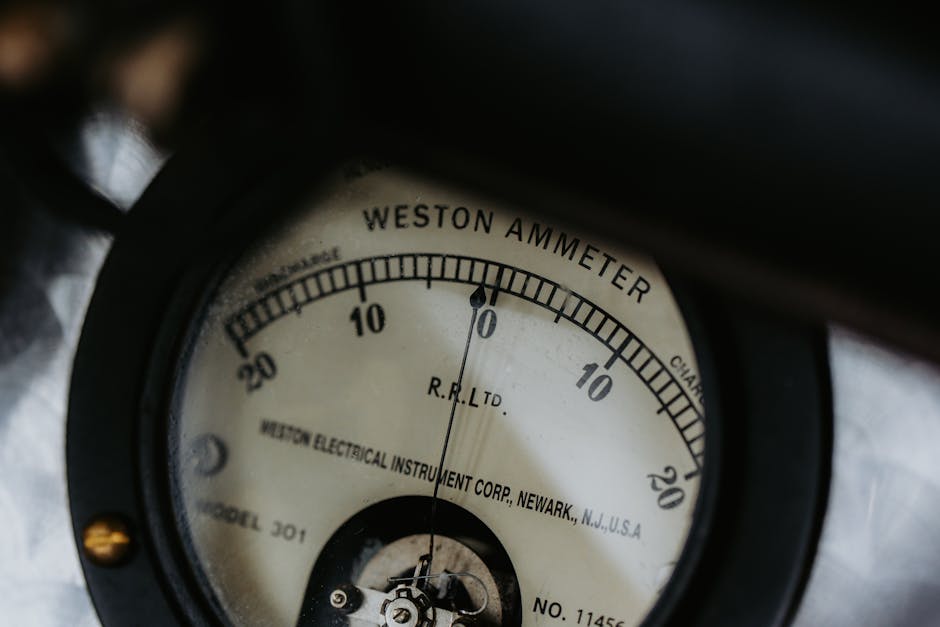
Understanding electrical current is essential for many tasks. An ammeter is the tool designed for this purpose. It helps measure current flowing through a circuit. This device offers precise readings, ensuring safety and accuracy in various applications.
Ammeter Types
Ammeter types vary to suit different needs. Analog ammeters use a needle to show measurements. Digital ammeters display readings in numbers. Clamp ammeters can measure current without disconnecting a circuit. Each type offers unique benefits for specific tasks.
Reading Measurements
Reading measurements with an ammeter is straightforward. Connect the ammeter in series with the circuit. Ensure correct polarity to avoid errors. Observe the reading displayed on the device. Interpret the results according to the scale or digital readout.
Clamp Meter Overview
Clamp meters are versatile tools used to measure electrical current. They offer a convenient way to assess live wires without disconnecting them. This device is crucial for professionals working with electrical systems. It provides accurate measurements and enhances safety during inspections. Understanding its benefits and applications can significantly improve your work efficiency.
Advantages Of Clamp Meters
Clamp meters provide non-contact current measurement. This reduces the risk of electric shock. They allow you to measure currents in live circuits. You don't need to interrupt the circuit, which saves time. These meters are portable and easy to use. Their design suits both beginners and professionals.
They come with a wide range of features. Some models offer additional measurements like voltage and resistance. This versatility makes them an essential tool in electrical inspections. Their durability ensures long-term use in various environments.
Clamp Meter Applications
Clamp meters are used in several fields. They are essential in electrical maintenance and troubleshooting. Technicians often use them in industrial settings to monitor equipment. They help identify potential issues before they become serious.
In residential applications, they ensure safe electrical installations. Electricians use them to verify current flow in homes. They are also used in automotive electrical diagnostics. This helps mechanics assess battery and alternator performance.
Overall, clamp meters serve many purposes. They improve accuracy in electrical measurements. This makes them indispensable for anyone working with electricity.
Choosing The Right Tool
Selecting the proper tool for measuring electrical current is crucial. An ammeter is specifically designed for this task. It accurately detects and measures the flow of current in circuits.
Choosing the right tool to measure electrical current can make all the difference in your projects. Whether you're a seasoned electrician or just starting out, selecting the proper tool ensures accuracy and safety. But how do you know which tool is right for you? Let's break it down.
Factors To Consider
When selecting a tool to measure electrical current, consider the range of current you will be working with. Make sure the tool can handle both high and low currents. Think about the environment in which you'll be using the tool. If you work in harsh conditions, opt for a tool that's durable and resistant to damage. Ease of use is critical, especially if you're new to measuring electrical currents. Choose a tool with a simple interface and clear instructions.
Comparing Features
Create a list of the features you need in a tool. Some tools offer digital displays for easy reading, while others have analog scales. A clamp meter can measure current without direct contact with wires, adding an extra layer of safety. On the other hand, a multimeter offers versatility, measuring voltage and resistance as well. Check if the tool includes features like automatic ranging. This can save you time and prevent errors by automatically selecting the correct measurement range. Imagine you're in the middle of a project, and your tool suddenly fails. You'd wish you had considered battery life before making a purchase. Choosing the right tool requires balancing these factors with your specific needs. What features are non-negotiable for you?
Safety Precautions
Using an ammeter safely is crucial when measuring electrical current. Always ensure the device is connected correctly to avoid accidents. Double-check connections and follow the manufacturer's guidelines for accurate readings and safety.
Safety precautions are vital when measuring electrical current. Electricity can be dangerous if not handled correctly. Understanding these precautions can prevent accidents and injuries. This section outlines key safety measures. It ensures safe handling of electrical tools.
Handling Electrical Equipment
Always inspect your tools before use. Check for visible damage. Faulty tools can be hazardous. Wear rubber gloves to protect your hands. Use insulated tools to prevent electric shock. Ensure the power source is off before connecting the tool. Double-check connections for stability.
Avoiding Common Mistakes
Never work with wet hands. Water conducts electricity, increasing risk. Avoid using damaged wires. They can cause short circuits. Always use the right tool for the job. Using the wrong tool can lead to accidents. Follow the manufacturer's instructions carefully. They provide essential safety guidelines.
Troubleshooting Tips
Electricians often face challenges in measuring electrical current accurately. Troubleshooting tips help ensure reliable readings and resolve common problems. These tips save time and prevent errors.
Identifying Faulty Readings
Incorrect current readings can lead to serious issues. First, check the tool's settings. Ensure it matches the current type, AC or DC. Use a known good battery to verify the tool's accuracy. Examine the tool's connections. Loose connections might give false readings. Inspect the tool's probes for damage or dirt. Clean or replace them if necessary.
Resolving Measurement Issues
Measurement issues often arise from environmental factors. Check for interference from nearby electronic devices. Shield the tool from external sources that affect readings. Confirm the tool is calibrated correctly. Calibration ensures the tool's precision. Follow the manufacturer's instructions for calibration. If readings remain inconsistent, consider the tool's age. Older tools might need replacement for accurate measurements.

Credit: leomamnev.wordpress.com
Frequently Asked Questions
What Tool Is Used To Measure Electrical Current?
An ammeter is used to measure electrical current. It is connected in series with the circuit. This ensures accurate current measurement. Digital ammeters provide precise readings, while analog versions are useful in educational settings. Always ensure the ammeter's range is suitable for the current being measured.
How Does An Ammeter Work?
An ammeter measures current by detecting the flow of electrons. It is placed in series in a circuit. The ammeter's internal resistance is very low. This minimizes the voltage drop and ensures accurate measurements. Digital ammeters convert current to a readable digital display, enhancing accuracy.
Can Multimeters Measure Electrical Current?
Yes, multimeters can measure electrical current. They have an ammeter function built-in. Switch the multimeter to the current measurement mode. Connect it in series with the circuit. Multimeters provide both AC and DC current measurements, offering versatility in various applications.
Why Is Measuring Electrical Current Important?
Measuring electrical current ensures circuit safety and efficiency. It helps diagnose electrical issues and prevents equipment damage. Accurate current measurement allows for proper component selection. It also ensures compliance with electrical standards. Knowing the current flow helps optimize system performance and energy consumption.
Conclusion
Choosing the right tool for measuring electrical current is essential. Multimeters are the most common and reliable option. They measure current, voltage, and resistance. Clamp meters are great for non-contact measurements. They are easy to use and safe. Both tools help ensure accuracy and safety in electrical work.
Understanding their features makes tasks easier. Always follow safety guidelines when working with electricity. Proper knowledge and tools prevent accidents and ensure efficiency. So, next time you measure current, choose wisely. Your safety depends on it.