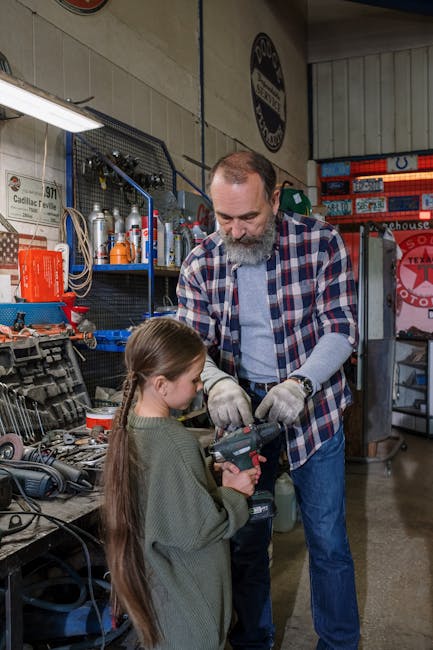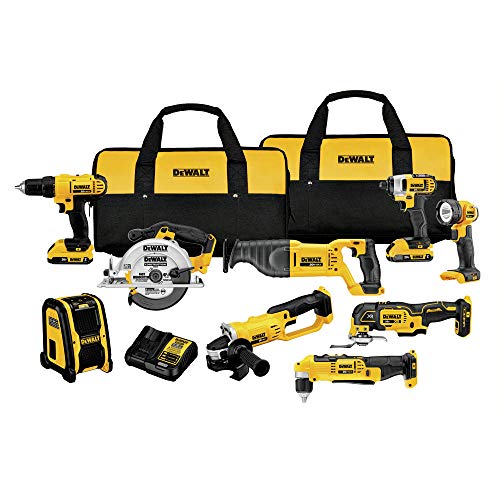

Have you ever felt your hands buzzing after using power tools? That's the unsettling sensation of hand-arm vibration (HAV), and it's more common than you might think.
You might not realize it, but frequent exposure to this vibration can lead to serious health issues, like Hand-Arm Vibration Syndrome (HAVS). But what exactly are the culprits behind this? Understanding which tools cause the most vibration can empower you to make safer choices for your health and well-being.
We’ll uncover the specific tools that pose the biggest risks and explore why it’s crucial for you to be informed. By the end, you'll not only identify the usual suspects in your toolkit but also gain insights on how to protect yourself from their hidden dangers. Ready to learn how to safeguard your hands and arms? Let’s dive into the details.
Common Tools With High Vibration Levels
Hand arm vibration syndrome (HAVS) affects thousands of workers worldwide. It's crucial to understand which tools cause high vibration levels. Knowing the culprits can save your health and improve your work efficiency. Let’s dive into the tools that are notorious for causing hand arm vibration.
Power Drills
Power drills are a staple in construction and DIY projects. However, their rapid spinning motion generates significant vibration. Ever felt your hands tingle after using a drill for too long? That's the vibration impacting your nerves. To minimize this, use drills with vibration dampening features. Also, take frequent breaks to give your hands a rest.
Chainsaws
Chainsaws are essential for cutting through wood quickly. But they vibrate intensely, making prolonged use risky. Imagine cutting through a thick tree and your hands feeling numb afterward. That's a sign of high vibration exposure. Opt for chainsaws designed with anti-vibration technology. Always wear protective gloves to lessen the impact.
Jackhammers
Jackhammers are powerful tools used to break concrete. Their pounding action results in extreme vibration levels. If you've ever used one, you know how tiring it can be. Your arms feel like jelly after a day's work. Consider using models with built-in shock absorbers. Regularly switch hands to distribute the vibration exposure evenly.
Grinders
Grinders are versatile tools used for cutting, grinding, and polishing. Their high-speed rotation causes substantial vibration. Have you noticed how your hands shake after using a grinder? This can lead to long-term damage. Use grinders with vibration control features. Always maintain a firm grip and wear anti-vibration gloves.
How often do you use these tools? Do you feel the effects of vibration on your hands and arms? It's time to take action and protect yourself. Remember, your health is more important than any task at hand.
Factors Influencing Vibration Intensity
Various tools cause hand-arm vibration, affecting vibration intensity. Power drills, chainsaws, and jackhammers are common culprits. These tools transmit vibrations to users, impacting comfort and safety.
Factors influencing vibration intensity are vital in understanding hand arm vibration. Several elements contribute to how much vibration a tool produces. Each aspect affects the user's comfort and safety.
Tool Design
The design of a tool impacts its vibration levels. Ergonomic designs reduce vibration exposure. Well-balanced tools minimize vibration intensity. Heavy tools often lead to more vibration. Lightweight materials can help lessen vibrations. Hand grips should be comfortable and firm.
Operational Speed
Speed plays a key role in vibration intensity. High-speed tools often generate more vibrations. Slow speeds may produce less vibration. Operators should adjust speeds to safe levels. Each tool has an optimal speed for minimal vibration. Proper speed settings can enhance user comfort.
Material Hardness
Material hardness affects vibration levels. Hard materials often cause higher vibrations. Softer materials tend to reduce vibration intensity. Tools working on metal might vibrate more. Wood and plastic usually lead to less vibration. Material choice is crucial in managing vibration exposure.
Health Risks Of Hand Arm Vibration
Hand Arm Vibration (HAV) is a significant concern in many industries, affecting workers who regularly use vibrating tools. The health risks associated with prolonged exposure to these vibrations can be severe and life-changing. Understanding these risks is crucial for safeguarding your health and well-being.
Vibration White Finger
Vibration White Finger (VWF) is a condition that affects the blood circulation in the fingers. Regular exposure to vibrating tools can lead to this condition, causing your fingers to become numb and turn white. Imagine trying to hold a cup of coffee with fingers that feel like blocks of ice. It's not just uncomfortable; it's a real threat to your ability to work and enjoy daily activities.
VWF can severely limit your hand function, making simple tasks challenging. If you experience symptoms like tingling or numbness in your fingers, it's time to take action. Don't ignore these signs; they could be a warning that your body is suffering.
Carpal Tunnel Syndrome
Carpal Tunnel Syndrome (CTS) is another potential risk of HAV. It occurs when the median nerve in your wrist is compressed, leading to pain and weakness. Think about trying to type on a keyboard or use a screwdriver with a constant dull ache in your wrist. It's not just a nuisance; it can be debilitating.
This condition can result in a significant loss of grip strength, affecting your work performance. Have you noticed any pain or tingling in your wrist after using vibrating tools? It's crucial to address these symptoms early on to prevent long-term damage.
Musculoskeletal Disorders
Musculoskeletal Disorders (MSDs) are common among those exposed to hand arm vibration. These disorders can affect your muscles, joints, and tendons, leading to chronic pain and discomfort. Consider how frustrating it would be to deal with constant backaches or joint pain because of your job.
MSDs can lead to decreased mobility, making it difficult to perform everyday tasks. Are you experiencing persistent pain or stiffness in your muscles or joints? It's vital to recognize these symptoms and seek solutions to protect your health.
Addressing the health risks of hand arm vibration is not just about avoiding discomfort; it's about preserving your ability to work and enjoy life. Being proactive and informed can make a difference in your health journey. What steps will you take to protect yourself from these risks?
Measuring Vibration Levels
Power tools like drills, grinders, and chainsaws often cause hand-arm vibration. These vibrations can affect workers' health over time. Proper measurement helps in managing and reducing risks effectively.
Measuring vibration levels is crucial for anyone working with tools that cause hand arm vibration. Understanding these levels helps prevent long-term health issues like Hand Arm Vibration Syndrome (HAVS). But how do you accurately assess these vibrations? Let's dive into some tools and techniques that can help you measure and understand vibration levels effectively.
Vibration Meters
Vibration meters are your first line of defense in measuring vibration levels. These handy devices allow you to capture vibration data in real-time. Imagine holding a compact device that can tell you exactly how much vibration your tool is emitting. Most vibration meters come with a simple interface, making them accessible even for those who are not tech-savvy. Choosing the right vibration meter can make a significant difference. Consider features like battery life, data storage, and ease of use. Some models even offer wireless connectivity, providing you with instant data on your mobile device. Have you ever used a vibration meter that syncs directly to your smartphone? It's like having a lab in your pocket.
Frequency Analysis
Understanding the frequency of vibrations is just as important as measuring their intensity. Frequency analysis helps you identify the specific characteristics of the vibration. Did you know that different tools operate at different vibration frequencies? This knowledge can be vital in choosing the right protective measures. Tools like oscilloscopes and spectrum analyzers can help you perform frequency analysis. They break down the vibration into its component frequencies, offering a detailed picture of what’s happening. Once you grasp this, adjusting your work habits or tool usage becomes much easier. What would you do differently if you knew exactly how your tool's vibration frequency impacts your health?
Regulatory Standards
Regulatory standards exist to protect you from the harmful effects of vibration. These standards provide guidelines on acceptable vibration levels and exposure times. Following these regulations isn't just a legal requirement—it's a crucial step in safeguarding your health. Organizations like OSHA in the United States and the HSE in the UK provide detailed standards for various industries. Familiarize yourself with these guidelines to ensure you're not exceeding safe vibration levels. Wouldn't it be comforting to know you're fully compliant and protecting your well-being at the same time? Measuring vibration levels is not just about compliance—it's about taking control of your health. By using the right tools and understanding the data, you can make informed decisions that benefit your long-term well-being. So, what steps will you take today to ensure a safer work environment?
Reducing Vibration Exposure
Power tools like drills, grinders, and chainsaws often cause hand arm vibration. Regular use increases risk of injury. Reducing exposure is key to safety.
Reducing vibration exposure is crucial for those using tools that cause hand-arm vibration. Consistent exposure can lead to serious health issues like Hand-Arm Vibration Syndrome (HAVS). By adopting effective strategies, you can minimize risks and protect your well-being.
Ergonomic Tool Design
Opt for tools designed with ergonomics in mind. These tools reduce the strain on your hands and arms. A comfortable grip and balanced weight can make a significant difference. Think about your current tools. Are they causing unnecessary discomfort? Investing in ergonomic tools can enhance your efficiency and safety.
Regular Maintenance
Proper maintenance is essential to reduce vibration. Tools in top condition vibrate less. This not only extends their lifespan but also protects your health. Schedule regular checks for your tools. Clean, lubricate, and replace worn-out parts. It’s a small investment for long-term benefits.
Protective Equipment
Using protective gear can shield you from vibration. Anti-vibration gloves are a good start. They absorb and reduce the impact on your hands. Consider the tasks you perform daily. Are you equipped with the right protective gear? Investing in quality gloves can be a game-changer. Reducing vibration exposure is not just about the right tools. It’s about making informed choices for your safety. What steps will you take today to protect yourself?
Latest Innovations In Vibration Reduction
In the world of construction and manufacturing, hand-arm vibration is a common challenge that can lead to serious health issues. The good news is that innovation in vibration reduction is advancing rapidly. It's exciting to see how new technologies are making tools safer and more user-friendly.
Advanced Dampening Technologies
Imagine using a tool that feels like an extension of your hand, not a jackhammer. Advanced dampening technologies are making this possible. These systems reduce the intensity of vibrations, allowing you to work longer without discomfort.
Some tools now feature gel-filled grips or vibration-absorbing coatings. These materials act like shock absorbers, minimizing the impact on your hands and arms. Picture yourself finishing a day’s work without the usual aches and pains. It's not just about comfort; it’s about preserving your health.
Smart Tools With Feedback Systems
Smart tools are changing the game by providing real-time feedback. They can alert you if you're using too much force or if the tool needs maintenance. This technology helps you work smarter, not harder.
Tools equipped with sensors can monitor vibration levels and suggest adjustments. This proactive approach can prevent long-term health issues. Ever thought about how much easier your work could be with a tool that guides you to use it safely?
These innovations empower you to take control of your work environment. By making informed choices, you can protect your health and enhance your productivity. Are you ready to embrace these advancements and make your workday more efficient?
Frequently Asked Questions
What Is Hand Arm Vibration Syndrome?
Hand arm vibration syndrome (HAVS) is a condition caused by excessive use of vibrating tools. It affects blood vessels, nerves, and joints in the hand and arm. Symptoms include numbness, tingling, and loss of grip strength. Long-term exposure can lead to permanent damage, making it crucial to manage vibration risks.
Which Tools Commonly Cause Hand Arm Vibration?
Tools like jackhammers, chainsaws, and grinders are common sources of hand arm vibration. These tools vibrate intensely during operation, affecting the user's hand and arm. Regular use without proper protection can lead to hand arm vibration syndrome. It's important to use vibration-reducing gloves and take regular breaks.
How Can Hand Arm Vibration Be Reduced?
Reducing hand arm vibration involves using tools with lower vibration levels and implementing proper handling techniques. Regular maintenance of tools can also minimize vibration. Wearing anti-vibration gloves and taking frequent breaks helps protect against HAVS. Employers should provide training and equipment to manage vibration risks effectively.
What Are Symptoms Of Hand Arm Vibration?
Symptoms of hand arm vibration include tingling, numbness, and reduced grip strength. Cold sensitivity and finger blanching are also common. Over time, these symptoms can worsen, leading to permanent damage. It's essential to seek medical advice if symptoms persist to prevent further injury.
Conclusion
Understanding hand arm vibration tools is crucial. They impact health and safety. Tools like drills, chainsaws, and grinders often cause vibration. This can lead to serious issues. Workers should use protective gear. Training is essential to minimize risks. Employers must prioritize safety measures.
Regular equipment checks can prevent harm. Awareness of vibration effects can protect workers. Choosing the right tool matters. Safety should always come first. Reducing vibration exposure is vital. Protect your health while working. Stay informed and stay safe.