Imagine standing at a bustling construction site. You hear the rhythmic clanging of tools, feel the vibrations of machinery, and see skilled workers transforming raw materials into impressive structures.
Ever wondered what tools make this possible? If you're curious about the essential gear that construction workers rely on, you're in the right place. This article will uncover the must-have tools in a construction worker's toolkit and explain why each is crucial for the job.
Whether you're considering a career in construction or simply want to understand the craft, discovering these tools will give you a new appreciation for the work that shapes our world. Keep reading to find out more about the incredible tools that bring architecture to life.
Personal Protective Equipment
Construction workers rely on personal protective equipment like hard hats, gloves, and safety glasses. These tools shield them from potential hazards. Safety boots and high-visibility vests are also essential. They ensure both protection and visibility on the job site.
Construction sites are bustling places filled with potential hazards. To ensure safety, construction workers rely on Personal Protective Equipment (PPE). This gear acts as a shield, safeguarding them from injuries. Whether it's a helmet protecting the head or boots guarding the feet, PPE is essential for every worker on the site. Let's dive into some crucial pieces of PPE that every construction worker should have on their checklist.
Helmets And Hard Hats
A helmet is more than just a piece of plastic on your head. It’s a lifesaver. Helmets and hard hats protect workers from falling debris, bumps, and electrical shocks. Have you ever been on a site where you felt something small hit your head? A hard hat ensures that minor incidents don't turn into major injuries. With adjustable straps and a comfortable fit, these helmets are designed for all-day wear. Remember, a good helmet is one you hardly notice because it fits so well.
Safety Glasses And Goggles
Your eyes are irreplaceable. Safety glasses and goggles shield them from dust, flying particles, and harmful chemicals. Picture a worker cutting metal without eye protection. A tiny shard could easily cause serious damage. Choosing the right eye protection means considering the nature of your tasks. For instance, goggles might be better for tasks involving liquid chemicals, while safety glasses work well for general protection.
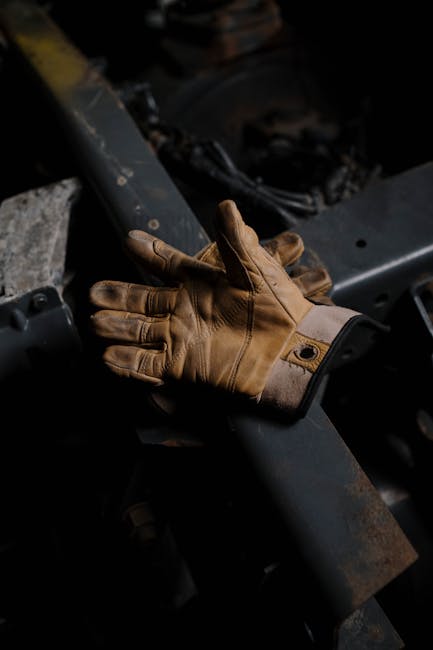
Gloves And Hand Protection
Hands are tools themselves, and protecting them is crucial. Gloves offer protection from cuts, scrapes, and burns. Have you ever tried working with a splinter in your hand? It’s both painful and distracting. Quality gloves ensure that you maintain a firm grip while keeping your hands safe. Different materials serve different purposes. Leather gloves are excellent for heavy-duty work, while rubber gloves are suited for handling chemicals.
Safety Boots And Footwear
A strong foundation starts with the right footwear. Safety boots protect feet from falling objects, sharp items, and even electrical hazards. Imagine stepping on a nail without proper footwear. Safety boots prevent such mishaps with features like steel toes and slip-resistant soles. Comfort is key, as workers are on their feet all day. Investing in a pair of well-fitted boots can make all the difference in both safety and comfort. Incorporating PPE into daily routines isn't just about following rules. It's about valuing your safety and the safety of those around you. What PPE item do you find most critical in your work environment?
Basic Hand Tools
Construction workers rely on a wide range of tools to complete their tasks, but basic hand tools form the backbone of their toolkit. These tools are essential for performing everyday tasks that require precision, strength, and durability. Whether you're building a house or fixing a door, mastering these tools is the first step to becoming a skilled construction worker. Let’s delve into the key hand tools that every worker should know and use.
Hammers And Mallets
Hammers are indispensable in construction, known for their versatility and strength. They are used for driving nails, breaking objects, and fitting parts. With a sturdy handle and a heavy head, hammers are designed to deliver powerful blows.
Mallets, on the other hand, are softer and used where a hammer might cause damage. They’re perfect for tasks requiring a gentle touch, like assembling furniture. If you've ever tried to fit a wooden joint, a rubber mallet is your best friend.
Screwdrivers And Wrenches
Screwdrivers are a staple in any toolkit, used to insert or remove screws. Whether you're mounting a bracket or assembling a shelf, having the right screwdriver can make all the difference. Flathead and Phillips are the most common types you’ll encounter.
Wrenches are equally important, used for gripping, fastening, and turning objects like nuts and bolts. The adjustable wrench is particularly handy, allowing you to work with various sizes without needing multiple tools. Imagine the ease when you need to fix a leaky pipe.
Pliers And Cutters
Pliers serve multiple purposes, from bending and twisting wires to holding objects firmly. Needle-nose pliers are perfect for reaching into tight spaces, while slip-joint pliers can adjust to grip larger objects.
Cutters, such as wire cutters, are essential for cutting through metal wires and other materials. They offer precision and strength, making tasks like cutting electrical wires a breeze. Ever tried cutting a wire with scissors? You’ll appreciate the power of cutters.
Measuring Tapes And Levels
Accuracy is key in construction, and measuring tapes are your go-to tool for taking precise measurements. Whether you're cutting lumber or planning the layout of a room, a reliable tape measure ensures you get the dimensions right.
Levels are crucial for achieving perfect alignment, ensuring surfaces are even and structures are upright. A bubble level can prevent costly mistakes, saving you time and resources. Next time you hang a picture frame, you'll understand its importance.
What hand tools have you found essential in your own projects? Share your experiences and insights in the comments below. After all, the right tool not only makes the job easier but also enhances the quality of your work.
Power Tools
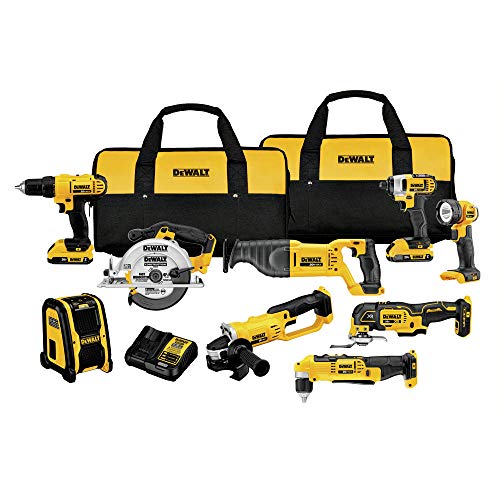
Construction workers rely heavily on power tools. These tools make tasks faster and easier. They improve efficiency at every stage of a project. Power tools come in many forms. Each tool serves a unique purpose. They help in drilling, cutting, grinding, and fastening. Let's explore some essential power tools for construction workers.
Drills And Drivers
Drills are a staple in construction work. They create holes in various materials. Workers use them on wood, metal, and concrete. Drivers are perfect for screwing and unscrewing bolts. They save time and effort. Both tools offer precision and speed. Essential for building and repairs.
Saws And Cutting Tools
Saws are crucial for cutting materials. Circular saws cut large wood pieces easily. Jigsaws handle intricate shapes and designs. Reciprocating saws are great for demolition work. Each saw serves a different purpose. They ensure precise and clean cuts.
Sanders And Grinders
Sanders smooth surfaces efficiently. They prepare wood and metal for finishing. Grinders shape and polish materials. They remove excess material swiftly. Both tools enhance surface quality. Perfect for finishing touches.
Nail Guns And Staplers
Nail guns drive nails quickly into surfaces. They replace traditional hammers. Staplers fasten materials securely. Both tools ensure firm connections. Essential for framing and upholstery. They speed up construction tasks significantly.
Heavy Machinery
Construction workers depend on heavy machinery to complete tasks efficiently. Excavators dig trenches, while bulldozers clear land. Cranes lift heavy materials, ensuring projects stay on schedule.
Heavy machinery plays a vital role in construction. It makes tasks easier and faster. These machines handle tough jobs that humans alone cannot. They dig, lift, load, and mix with precision. Understanding these machines is essential for anyone interested in construction.
Excavators And Backhoes
Excavators dig deep holes and trenches. They have long arms and buckets. They rotate 360 degrees. This makes them flexible for various tasks. Backhoes are smaller than excavators. They have a digging bucket on one side and a loader on the other. This dual function makes them versatile on-site.
Cranes And Lifting Equipment
Cranes lift heavy materials to great heights. They have long arms and counterweights. This helps them balance while lifting. Cranes are crucial for tall buildings. Lifting equipment includes hoists and jacks. They move materials vertically with ease. Both are essential in construction projects.
Bulldozers And Loaders
Bulldozers push large quantities of soil or rubble. They have wide, flat blades in front. This makes them perfect for clearing land. Loaders are used to move materials into trucks. They have large buckets at the front. Both machines work together to prepare construction sites.
Concrete Mixers And Pumps
Concrete mixers blend cement, sand, and gravel. This creates the concrete needed for building. They ensure the mix is uniform and ready to pour. Pumps transfer the mixed concrete to the desired location. They have long hoses and are especially useful for high areas. Together, they ensure a steady supply of concrete on-site.
Specialized Equipment
Construction workers rely on specialized equipment like bulldozers, cranes, and excavators for various tasks. These tools help move heavy materials, dig foundations, and lift large objects efficiently. Proper use of such equipment ensures safety and precision on construction sites.
When you think about construction sites, you often envision towering cranes and heavy machinery. But beyond these giants, there's a range of specialized equipment that plays a crucial role in getting the job done efficiently and safely. These tools might seem less flashy, but they are the backbone of any successful construction project. Whether you're laying the foundation or ensuring safety at heights, specialized equipment is essential. Have you ever wondered how construction workers achieve precision or tackle tough demolition tasks? Let’s dive into the world of specialized tools.
Surveying Tools
Surveying tools are the unsung heroes of construction. They ensure that everything is built on solid ground. Precision is key, and tools like theodolites, laser levels, and GPS systems help achieve this. Imagine trying to build without knowing where to start. Surveying tools guide you, ensuring accuracy right from the blueprint stage. They help measure distances and angles, giving you the perfect layout.
Scaffolding And Ladders
Working at heights is no easy feat. Scaffolding and ladders offer the support needed to work safely and efficiently above ground level. You wouldn't want to risk a fall, would you? Scaffolding provides a stable platform, while ladders give you the mobility to reach different heights easily. Setting them up correctly is crucial. A wobbly ladder or poorly assembled scaffold can spell disaster. Always double-check stability before climbing.
Welding Gear
Welding gear is more than just a flame and metal. It's about joining pieces to create something strong and durable. Have you ever seen sparks flying at a construction site? That's the magic of welding in action. Essential gear includes helmets, gloves, and protective clothing to ensure safety from sparks and heat. Choosing the right welding equipment can make a big difference. Whether it's a MIG, TIG, or stick welder, each has its own strengths depending on the task.
Demolition Tools
Before something new can rise, the old often needs to be removed. Demolition tools are the powerhouses that make way for fresh construction. Think of jackhammers, wrecking balls, and sledgehammers. These tools are designed to break down tough materials, clearing the path for progress. Safety is paramount when using demolition tools. Protective gear and a clear plan ensure you stay safe while making way for the new.
Safety And Communication Devices
Safety and communication devices are vital for construction workers. These tools ensure their safety and help them stay connected. Workers use various devices to prevent accidents. Communication tools keep teams informed and alert.
Two-way Radios
Two-way radios are essential for clear communication. They allow workers to talk across distances. Radios help coordinate tasks and ensure safety. Instant communication prevents misunderstandings and accidents.
First Aid Kits
First aid kits are crucial on construction sites. They contain supplies for treating injuries. Kits include bandages, antiseptics, and other essentials. Quick access to these items can save lives.
Fall Arrest Systems
Fall arrest systems protect workers from falls. These systems include harnesses and lifelines. They prevent serious injuries or fatalities. Workers feel secure using these safety devices.
Fire Extinguishers
Fire extinguishers are important safety tools. Construction sites have many fire hazards. Extinguishers help control small fires quickly. They reduce the risk of large-scale damage.
Frequently Asked Questions
What Are Common Tools For Construction Workers?
Construction workers commonly use hammers, screwdrivers, and saws. Power tools like drills and circular saws are essential. Safety gear, including helmets and gloves, is vital. Measuring tools like tape measures and levels ensure accuracy. Heavy machinery, such as bulldozers and cranes, are used for larger projects.
How Do Construction Workers Use Power Tools?
Construction workers use power tools for efficiency and precision. Drills make holes quickly, while saws cut materials accurately. Power tools reduce manual labor and save time. They require training for safe use. Proper maintenance ensures long-lasting functionality and safety on job sites.
What Safety Equipment Is Essential For Workers?
Safety equipment is crucial for construction workers. Helmets protect against falling debris, while gloves safeguard hands from sharp objects. Safety boots with steel toes prevent foot injuries. High-visibility vests ensure workers are seen. Harnesses are essential when working at heights.
Proper gear reduces accident risks.
Why Are Measuring Tools Important In Construction?
Measuring tools ensure accuracy in construction projects. Tape measures help with precise measurements, while levels ensure structures are even. Squares are used for perfect angles. Accurate measurements prevent costly mistakes and ensure structural integrity. They are vital for successful project completion.
Conclusion
Construction workers rely on essential tools every day. Hammers, saws, drills, and wrenches help them build strong structures. Safety gear protects them from accidents. Workers use levels and measuring tapes for precision. These tools are the backbone of construction sites.
Skilled workers handle them with care. Each tool serves a unique purpose. Understanding their use leads to better construction outcomes. A well-equipped worker is efficient and safe. From basic tools to advanced machinery, they transform plans into reality. Tools are the building blocks of construction success.
The right tools make every project possible.