Have you ever wondered what tools and equipment electrical engineers rely on to bring their projects to life? Whether you're a budding engineer or simply curious, understanding these essential tools can give you valuable insights into the world of electrical engineering.
Imagine having the power to design, analyze, and troubleshoot complex systems with precision. The right tools can make all the difference, enabling you to transform ideas into reality. You'll discover the must-have equipment that electrical engineers use every day. From fundamental tools like multimeters to advanced software for circuit design, each piece plays a crucial role in shaping the innovations we see around us.
Keep reading to find out how these tools can elevate your understanding and spark inspiration in your own projects.
Multimeters
Multimeters are essential tools in electrical engineering. They measure voltage, current, and resistance. With a multimeter, engineers diagnose electrical issues. They come in two main types: digital and analog.
Digital Multimeters
Digital multimeters display readings on an LCD screen. They provide precise measurements. Engineers prefer them for their accuracy and ease of use. These multimeters often include advanced features like auto-ranging. This feature automatically selects the measurement range. It saves time and reduces human error. Digital multimeters can store readings for later analysis. This helps in complex projects. They are portable and durable, making them ideal for fieldwork.
Analog Multimeters
Analog multimeters have a needle that moves across a scale. They are less common but still valuable. They show real-time changes in electrical signals. Engineers use them for monitoring fluctuating signals. Analog multimeters do not require batteries to measure voltage. This makes them reliable in power outages. They are often used for educational purposes. They help students understand the basics of electrical measurements. Despite being less precise, they are cost-effective tools.
Oscilloscopes
Oscilloscopes are indispensable tools in the toolkit of an electrical engineer. They allow you to visually observe the varying signal voltages, providing crucial insights into the behavior of electrical circuits. By using an oscilloscope, you can capture and analyze waveforms, making troubleshooting and design processes more efficient.
Types Of Oscilloscopes
Oscilloscopes come in several types, each serving a specific purpose. You might be familiar with the analog oscilloscope, which displays signals in real time using a cathode-ray tube. These are great for observing fast signal changes, but they lack the storage capabilities of their digital counterparts.
Digital oscilloscopes, on the other hand, convert signals into digital data for analysis. This allows for storage and detailed examination of waveforms. You can even find mixed signal oscilloscopes, which combine features of both analog and digital, offering a versatile solution for complex circuit analysis.
Applications In Circuit Analysis
When analyzing circuits, oscilloscopes become your eyes. They help you measure voltage, frequency, and time intervals of a signal with precision. If you’ve ever wondered about the exact behavior of a circuit under different conditions, an oscilloscope provides the answer.
Consider a scenario where you need to debug a malfunctioning circuit. The oscilloscope can help identify irregularities in waveform shapes, such as unexpected spikes or dips. This visual representation aids in pinpointing the source of the problem quickly, saving you both time and effort.
Have you ever thought about how much easier your work could be if you could predict circuit behavior? Using an oscilloscope allows you to simulate conditions and observe potential issues before they arise. This foresight is invaluable in preventing future failures and ensuring reliability.
With oscilloscopes, you not only gain a deeper understanding of electronic signals but also enhance your ability to innovate and improve circuit designs. Imagine the confidence you’ll have when you can verify every detail of your circuit with precision. So, have you considered which type of oscilloscope would best suit your needs? Choose wisely, and let it be your guide in the fascinating world of electrical engineering.
Signal Generators
Signal generators are vital tools for electrical engineers. They produce electrical signals for testing and designing circuits. Engineers rely on them to simulate various conditions. Understanding their types helps in selecting the right one for specific tasks.
Function Generators
Function generators create different waveforms. Common types include sine, square, and triangular waves. Engineers use them to test circuit responses. They are adjustable in frequency and amplitude. This flexibility aids in precise testing.
Pulse Generators
Pulse generators produce pulses of electrical energy. They are used to test digital circuits. Engineers rely on them for timing analysis. Pulse width and repetition rate can be varied. This helps simulate real-world conditions effectively.
Power Supplies
Power supplies are crucial for electrical engineers. They provide the necessary energy for circuits and devices. Without reliable power sources, testing and development would be impossible. Engineers need different types of power supplies for various tasks. Let's explore two key categories.
Bench Power Supplies
Bench power supplies are essential in labs and workshops. These tools deliver stable voltage and current. Engineers use them for testing and prototyping. Adjustable settings allow precise control over the output. Safety features protect against overloads and short circuits. Display screens show real-time data on voltage and current. This feedback helps engineers make informed decisions.
Portable Power Solutions
Portable power solutions offer flexibility and convenience. Engineers use them for fieldwork and remote projects. These devices are lightweight and easy to carry. They provide power to equipment away from traditional sources. Rechargeable batteries ensure long-lasting operation. Some models include solar panels for renewable energy. Portable solutions are vital for mobile testing and repairs.
Soldering Tools
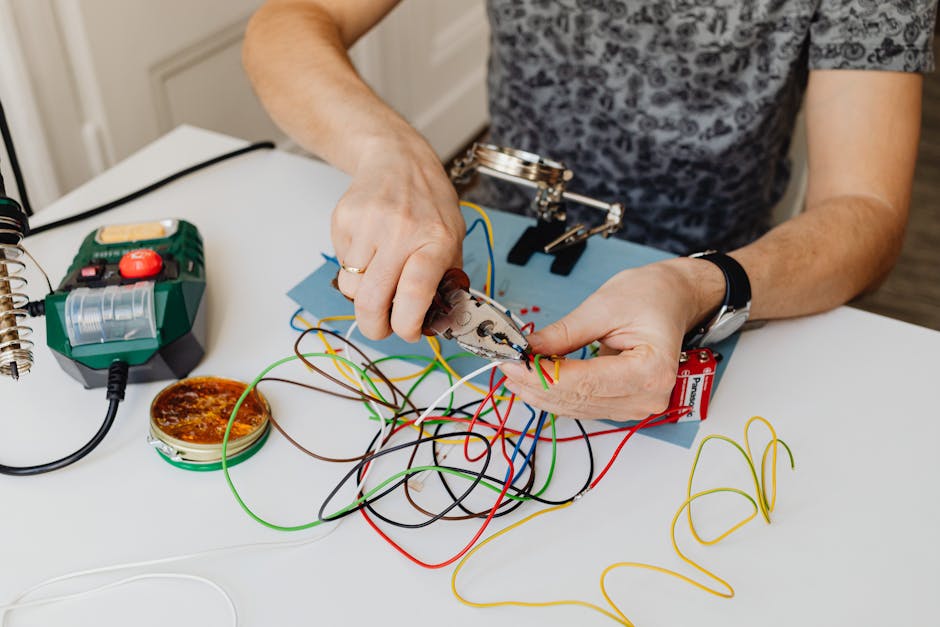
Electrical engineers rely on soldering tools to join wires and components. Essential equipment includes soldering irons, solder wire, and desoldering pumps. These tools ensure strong electrical connections in circuits.
When diving into the world of electrical engineering, you'll quickly realize the significance of soldering tools in your toolkit. These tools are essential for creating strong and reliable connections between electronic components. Whether you're a seasoned engineer or just starting out, understanding these tools will enhance your efficiency and precision.
Soldering Irons
Soldering irons are at the heart of soldering tools. They heat up to melt solder, a metal alloy that connects wires and components on a circuit board. Consider a soldering iron as your trusty pen. The right one can make all the difference in your work. There are basic models, but advanced options offer adjustable temperature settings. This feature is crucial when working with delicate components that could be damaged by excessive heat. Imagine working on a delicate circuit board, and your iron fails to maintain a consistent temperature. It happened to me once, and I ended up with a mess of melted components. Since then, I always opt for irons with temperature control.
Desoldering Equipment
Desoldering equipment is just as important as soldering irons. Mistakes happen, and sometimes components need to be removed or replaced. This is where desoldering tools come into play. Desoldering pumps and braid are the most common tools. A pump is like a vacuum, sucking up the molten solder, while the braid wicks it away. Each has its strengths, and your choice depends on your personal preference and the task at hand. Have you ever tried to fix a mistake without the right tools? It can be frustrating and time-consuming. With desoldering equipment, you can efficiently correct errors and ensure your projects are top-notch.
Are you ready to refine your soldering skills? Equip yourself with quality soldering irons and desoldering tools. Your work will be more precise, efficient, and professional. What tools do you find indispensable in your soldering toolkit? Share your thoughts below!
Circuit Simulation Software
Circuit simulation software is a vital tool for electrical engineers. It allows you to design, analyze, and optimize circuits before physically building them. This software can save you time, resources, and even prevent costly errors.
Imagine working on a complex circuit without the need to create endless prototypes. With simulation tools, you can test and modify your designs virtually. It's like having a digital playground where you can experiment freely and safely.
But not all simulation software is created equal. Let's dive into some popular tools that electrical engineers rely on.
Spice Simulation
SPICE, which stands for Simulation Program with Integrated Circuit Emphasis, is a cornerstone in circuit simulation. It's widely used due to its accuracy and reliability in modeling analog circuits.
SPICE helps you analyze how your circuit behaves under various conditions. You can simulate different components, like resistors and capacitors, and tweak their values to see how the circuit responds.
Many professionals find SPICE invaluable for understanding transient responses and frequency analyses. Have you ever faced the challenge of predicting circuit behavior in real-time scenarios? SPICE is your ally.
Cad Tools For Design
CAD tools are another essential in the electrical engineer's toolkit. These tools help you design circuit layouts with precision. Think of them as your digital drafting table.
With CAD software, you can create detailed schematics and layouts effortlessly. This software allows you to visualize your designs, ensuring that every connection is accurate.
Many engineers appreciate the integration of CAD tools with other simulation software. This synergy enhances productivity and streamlines the design process. Are you making the most of these tools to enhance your designs?
Incorporating circuit simulation software into your workflow can transform how you approach projects. Have you considered the potential savings in time and resources by leveraging these tools? Dive into these technologies and watch your engineering skills soar!
Hand Tools
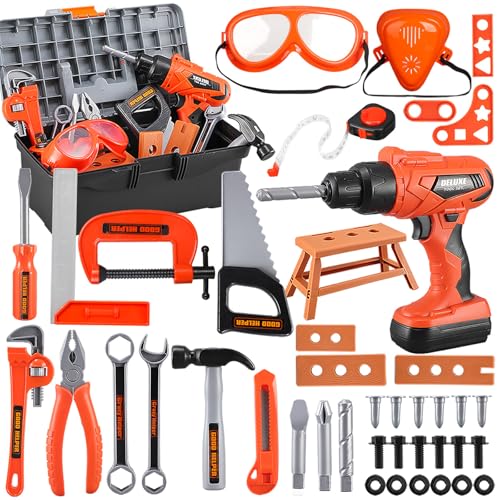
Electrical engineers rely on various tools for their tasks. Hand tools are essential in their toolkit. They provide precision and control. These tools help in assembling and repairing electronic devices. Let's explore some key hand tools they use.
Pliers And Wire Cutters
Pliers are versatile for gripping and bending wires. They offer a strong grip. Wire cutters are crucial for cutting wires cleanly. They ensure smooth edges. This prevents damage to other components. A reliable pair of pliers and cutters is vital.
Screwdrivers And Nut Drivers
Screwdrivers are essential for tightening or loosening screws. They come in different sizes. Each size fits specific screw heads. Nut drivers are similar but for nuts and bolts. They ensure secure connections in electronic setups. Having the right screwdrivers and nut drivers is crucial.
Testing And Measurement Devices
Electrical engineers need precise tools to ensure systems work correctly. Testing and measurement devices play a crucial role. They help engineers assess and troubleshoot electronic circuits. These devices check the performance, efficiency, and safety of electrical systems.
With the right equipment, engineers can detect faults. They can also improve product quality. Let's explore two key devices in this field.
Spectrum Analyzers
Spectrum analyzers measure signal strength over a range of frequencies. They are vital for analyzing radio frequencies. Engineers use them to check signal quality and identify interference. These devices help in designing communication systems.
Spectrum analyzers display signals in a visual format. This makes it easy to spot irregularities. By using them, engineers ensure signals remain clear and uninterrupted.
Logic Analyzers
Logic analyzers are essential for testing digital circuits. They capture and display multiple signals simultaneously. Engineers use them to diagnose issues in complex circuits. These tools offer a clear view of digital signal interactions.
Logic analyzers help in debugging and validating digital designs. They are crucial for developing reliable digital systems. With these devices, engineers can ensure proper circuit functionality.
Safety Equipment
Electrical engineers work with high-voltage systems. Safety equipment is crucial. It protects them from potential hazards. Every tool serves a specific purpose in ensuring safety.
Insulated Gloves
Insulated gloves prevent electrical shock. They are made from special materials. Engineers wear them while handling live wires. The gloves resist electricity. They have different voltage ratings. Engineers choose based on the task. Regular inspections ensure their effectiveness.
Safety Goggles
Safety goggles protect the eyes. They shield against sparks and debris. Engineers wear them during installations and repairs. Goggles must fit well to be effective. They often have anti-fog features. Clear vision is crucial for safety. Regular cleaning keeps them functional.
Networking Tools
Networking tools are essential for electrical engineers who manage and optimize communication systems. These tools help ensure the seamless flow of data across networks, which is crucial in today's interconnected world. Whether you're setting up a new network or troubleshooting an existing one, the right tools can save time and prevent costly errors.
Cable Testers
Cable testers are indispensable when it comes to verifying network connections. Imagine setting up a network and suddenly encountering connectivity issues. A cable tester can quickly identify if a cable is faulty, saving you the headache of manually checking each connection. These tools allow you to test for continuity, signal integrity, and even the quality of the cable itself.
One of my colleagues once spent hours trying to figure out why a network wasn't functioning, only to discover a single faulty cable was to blame. A simple cable tester could have solved this mystery in minutes. Do you have the right tools to prevent similar mishaps?
Network Analyzers
Network analyzers take troubleshooting to the next level by providing insights into the data flow within your network. They allow you to monitor traffic, detect anomalies, and ensure your network operates efficiently. Think of them as the detective tools of the networking world, revealing issues that aren't visible to the naked eye.
In my experience, using a network analyzer can highlight unexpected bandwidth usage or security threats. It’s like having a crystal ball that shows you what's really happening in your network. Have you ever wondered what's eating up your bandwidth during peak hours?
Both cable testers and network analyzers are vital tools that can make your life as an electrical engineer much easier. They offer practical solutions to common networking challenges, ensuring your systems run smoothly and effectively. Are you prepared to tackle your network issues head-on?
Frequently Asked Questions
What Essential Tools Do Electrical Engineers Use?
Electrical engineers use multimeters, oscilloscopes, and soldering irons. Multimeters measure voltage, current, and resistance. Oscilloscopes display voltage signals over time. Soldering irons are crucial for circuit board assembly. These tools ensure accurate diagnostics and efficient problem-solving.
Why Is A Multimeter Important For Electrical Engineers?
A multimeter is essential for measuring electrical properties. It helps in troubleshooting circuits by measuring voltage, current, and resistance. Accurate measurements ensure safety and efficiency in electrical systems. This tool is versatile, portable, and widely used in various electrical projects.
How Do Oscilloscopes Benefit Electrical Engineers?
Oscilloscopes visualize electrical signals. They help in analyzing waveforms and diagnosing faults in circuits. Engineers can observe signal changes over time. This aids in identifying issues like noise and interference. Oscilloscopes are crucial for testing and designing electrical systems.
What Role Does Software Play For Electrical Engineers?
Software tools aid in design, simulation, and analysis of electrical systems. Programs like MATLAB and AutoCAD improve accuracy and efficiency. They help in creating schematics and running simulations. Software tools are essential for modern electrical engineering projects.
Conclusion
Electrical engineers rely on diverse tools and equipment. These include multimeters, oscilloscopes, and CAD software. Each tool serves a unique purpose in their projects. Multimeters measure voltage, current, and resistance. Oscilloscopes visualize electrical signals. CAD software designs and simulates circuits.
Engineers select tools based on project needs. Proper equipment ensures safety and efficiency. Knowing these tools is vital for aspiring engineers. They enhance problem-solving and innovation. Understanding their use supports career growth. It also aids in successful project completion. Stay informed about new tools and technologies.
Electrical engineering continues to evolve.