Are you planning to tackle some electrical work at home or in your workshop? Whether you're a seasoned DIY enthusiast or a curious beginner, knowing the right tools to use can make all the difference.
Imagine the peace of mind that comes with knowing you’re well-equipped and prepared for any electrical challenge that comes your way. The right tools not only ensure your safety but also enhance efficiency and precision in your projects. We'll guide you through the essential tools you need for electrical work, helping you feel confident and empowered every step of the way.
Stick around, and discover how to turn daunting electrical tasks into manageable and rewarding accomplishments.
Safety Equipment
Essential tools for electrical work include insulated pliers, voltage testers, and wire strippers. Safety gear like rubber gloves and goggles protect against electrical hazards. Always ensure tools are properly maintained for safe use.
When doing electrical work, safety is crucial. Protecting oneself from potential hazards is a priority. Safety equipment plays a vital role in ensuring a secure working environment. This gear not only safeguards workers but also increases efficiency by reducing accidents. Below are essential safety items every electrician should use.
Insulated Gloves
Insulated gloves protect hands from electric shocks. They are a must-have for electricians. These gloves are designed to resist high voltage. Ensure they fit well for maximum protection. Regular inspection for tears is important. Damaged gloves can compromise safety.
Safety Glasses
Electricians face risks from flying debris. Safety glasses shield eyes from these hazards. They are essential during installations and repairs. Choose glasses with a snug fit. This prevents particles from entering. Clear lenses offer better visibility in dim areas.
Protective Clothing
Proper clothing reduces injury risks. Flame-resistant fabrics are ideal for electrical tasks. They protect against electric arcs and sparks. Long sleeves and pants are recommended. They cover the skin fully. Avoid loose clothing. It can get caught in equipment.
Ear Protection
Some electrical tools produce loud noise. Ear protection helps prevent hearing damage. Earplugs or earmuffs are effective choices. They are easy to wear and provide comfort. Always keep them handy. High-decibel environments demand their use. Safety equipment is non-negotiable in electrical work. It ensures workers stay out of harm's way. Investing in quality gear is wise. It pays off in the long run.
Measurement Tools
Electricians need reliable tools like multimeters, voltage testers, and wire strippers. Multimeters measure voltage, current, and resistance. Voltage testers ensure circuits are safe to work on. Wire strippers help remove insulation from wires. Each tool plays a crucial role in ensuring safe and effective electrical work.
When working with electricity, having the right measurement tools can mean the difference between a job well done and a potential disaster. Whether you're a seasoned electrician or a DIY enthusiast, understanding and using the appropriate measurement tools is crucial. These instruments not only ensure safety but also help in diagnosing electrical issues accurately. Let's explore some essential measurement tools every electrician should have in their toolkit.
Multimeters
Multimeters are indispensable tools in any electrical work. They measure voltage, current, and resistance. Think of them as the Swiss Army knife of electrical tools. Having a multimeter allows you to pinpoint electrical problems quickly. Imagine trying to fix an electrical fault without knowing if the circuit is live or dead. That's where a multimeter steps in, offering readings that guide your next steps.
Voltage Testers
Voltage testers are simple yet powerful tools used to check if a wire or device is live. Unlike multimeters, they don't display specific values but indicate the presence of voltage. This tool is perfect for anyone who wants a quick check without diving into detailed readings. Before touching any wire, it's wise to test it with a voltage tester. This small step can prevent unexpected shocks.
Clamp Meters
Clamp meters are ideal for measuring current without disconnecting a circuit. They "clamp" around a wire to measure the current flow. This feature makes them incredibly convenient, especially for busy circuits. Using a clamp meter can save time and effort. Picture this: you're dealing with a tangled mess of wires, and disconnecting them seems daunting. A clamp meter lets you measure current effortlessly without the hassle of unplugging.
Circuit Analyzers
Circuit analyzers are advanced tools that provide detailed insights into electrical systems. They help identify circuit problems, such as wiring issues or grounding faults. For anyone serious about electrical work, investing in a circuit analyzer can enhance your troubleshooting capabilities. It’s like having an expert guide you through complex circuitry, ensuring nothing is overlooked. With this tool, you can ensure your installations are up to code and functioning optimally. Having the right measurement tools at your disposal empowers you to tackle electrical tasks with confidence and precision. Which of these tools do you find essential in your work? Share your experiences and insights below.
Cutting And Stripping Tools
Electrical tasks require specific tools like wire cutters and strippers. These tools help ensure clean and safe connections. Precise cutting and stripping are crucial for preventing electrical hazards.
When working with electrical systems, safety and precision are crucial. Cutting and stripping tools are essential for efficient electrical work. They help you prepare wires and cables for connections. Using the right tools ensures clean cuts and prevents damage. Let's explore these tools in more detail.
Wire Strippers
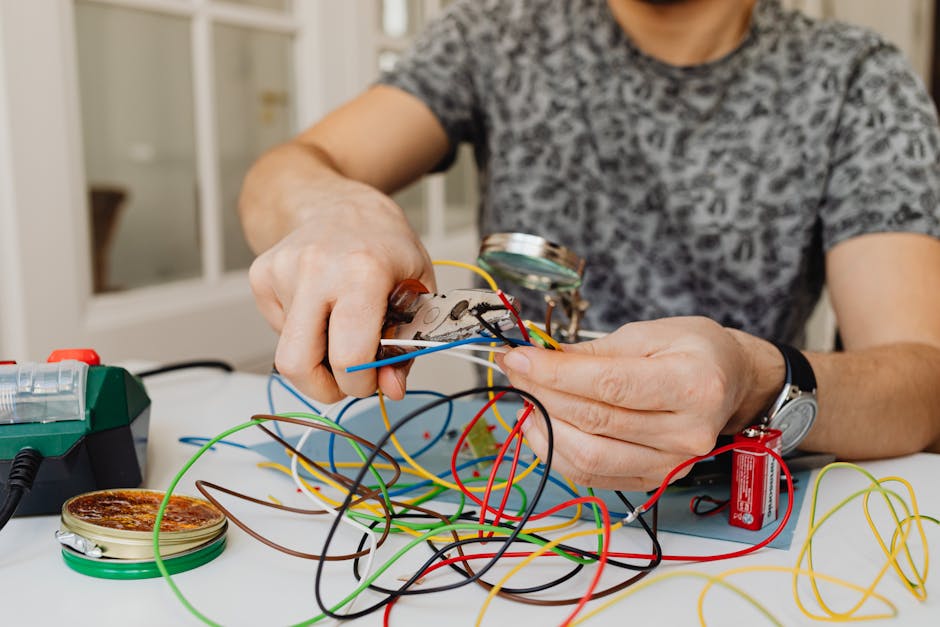
Wire strippers are vital for removing insulation from wires. They come in various types, like automatic and manual. These tools allow you to strip wires accurately without damaging the core. Choose a wire stripper based on wire size and type. This helps maintain wire integrity and ensures a safe connection.
Cable Cutters
Cable cutters are designed to cut through thicker cables. They provide clean and precise cuts without crushing the cable. High-quality cable cutters make it easy to handle tough materials. Ensure your cable cutter is sharp and suitable for the cable size. This guarantees a neat finish and prevents uneven edges.
Utility Knives
Utility knives are versatile tools for cutting insulation and other materials. They offer precision and control in tight spaces. A sharp blade ensures smooth cuts and reduces effort. Replace blades regularly to maintain cutting efficiency. Handle utility knives with care to prevent accidents.
Scissors
Scissors are handy for cutting light materials like tape and insulation. They offer flexibility and ease of use in various tasks. Choose scissors with sharp blades for clean cuts. Ergonomic handles provide comfort and reduce strain. Keep scissors clean and sharp for optimal performance.
Fastening Tools
Electrical work demands precision and safety. Essential fastening tools include insulated screwdrivers, wire strippers, and pliers. These tools ensure secure connections, reducing electrical hazards.
When tackling electrical work, having the right fastening tools at your disposal can make all the difference. Whether you're a seasoned electrician or a DIY enthusiast, ensuring you have the correct tools can mean the difference between a job well done and a frustrating experience. Fastening tools are essential for securing electrical components, ensuring safety, and promoting efficiency. Let's explore the key fastening tools you should consider adding to your toolbox.
Screwdrivers
Screwdrivers are indispensable in electrical work. They come in various sizes and types, including flathead and Phillips. It's crucial to choose a screwdriver with an insulated handle to prevent electrical shock. Have you ever tried to tighten a screw only to realize your tool isn't the right size? It’s a common frustration that can be avoided with a well-equipped screwdriver set.
Nut Drivers
Nut drivers are perfect for tightening nuts and bolts. They are similar to screwdrivers but have a socket instead of a blade. Using the right size nut driver can save you time and effort, allowing you to fasten components more securely. Think about the last time you struggled with a stubborn nut. The right nut driver could have turned that ordeal into a breeze.
Pliers
Pliers are versatile tools that every electrician should have. From gripping to twisting and cutting wires, they do it all. Insulated pliers are a must to ensure safety when working with live circuits. Imagine trying to twist a wire with your bare hands. Pliers not only make the task easier but also protect you from potential hazards.
Ratchets And Sockets
Ratchets and sockets are excellent for jobs requiring more torque. They allow for efficient tightening and loosening of bolts and nuts. Having a set of various socket sizes ensures you're prepared for any task. Have you ever been in the middle of a project and realized you didn’t have the right tool? Ratchets and sockets can be that essential backup, ready to tackle tough nuts and bolts with ease. Incorporating these fastening tools into your electrical toolkit will not only enhance your efficiency but also ensure that your work is safe and reliable. What tools do you find indispensable when working on electrical projects? Your feedback could inspire others and create a community of better-prepared DIYers and professionals alike.
Drilling And Hole-making Tools
Drilling and hole-making tools are vital in electrical work. They ensure precise cuts and holes, enhancing safety and efficiency. Choosing the right tool for each task is crucial. This section explores various tools used in drilling and hole-making.
Drills
Drills are essential for creating holes in different materials. They come in various sizes and types. Electric drills are common for most tasks. Cordless drills offer portability and ease of use. Ensure the drill bit matches the material for best results.
Hole Saws
Hole saws are ideal for cutting large, circular holes. They are often used for installing light fixtures or outlets. They attach to drills and can cut through wood, metal, or plastic. Select the correct size to match the job requirements.
Auger Bits
Auger bits are perfect for boring deep holes in wood. They have a screw tip for easy starting. The spiral design efficiently removes material. They are useful for running cables through wooden beams.
Step Drills
Step drills create holes of varying sizes without changing bits. They are excellent for working with thin metals and plastics. The stepped design allows smooth transitions between sizes. This tool saves time and effort during electrical installations.
Cable Management Tools
When working with electrical systems, managing cables is crucial. Proper cable management ensures safety and efficiency. Using the right tools can make this task easier. Explore essential cable management tools below.
Cable Ties
Cable ties are simple yet effective tools. They bundle cables neatly. This prevents tangling and keeps them organized. Choose ties that fit different cable sizes. Durable ties last longer. They withstand various conditions. Ensure they are easy to cut when needed.
Conduit Benders
Conduit benders shape conduits for cable protection. They help guide cables through bends. This prevents damage and maintains cable integrity. Select a bender suitable for the conduit size you use. Practice using the bender for precise angles. This ensures smooth cable flow.
Fish Tape
Fish tape is essential for pulling cables through conduits. It navigates tight spaces easily. This tool is flexible and robust. Choose a fish tape with sufficient length. Ensure it has a comfortable grip. This eases the pulling process. Keep it clean for smooth operation.
Cable Pulling Lubricant
Cable pulling lubricant reduces friction. It helps cables slide smoothly through conduits. This prevents cable damage and eases installation. Select a lubricant safe for cable materials. Apply it sparingly to avoid excess. This ensures efficient cable installation.
Testing And Troubleshooting Tools
Working with electricity is not just about connecting wires and flipping switches. Understanding the health of the electrical system and ensuring everything is functioning correctly is crucial. Testing and troubleshooting tools are essential for this. They help you diagnose issues, ensure safety, and verify that your work is up to standard. Investing in the right tools can save you time and money, and make your work more efficient. Let’s dive into some of the must-have tools for testing and troubleshooting electrical work.
Circuit Testers
Circuit testers are your first line of defense. They help you determine if a circuit is live or dead, ensuring safety before you start working. Most electricians will tell you that a circuit tester has saved them more times than they can count. Simple to use, these devices can quickly confirm voltage presence. Keep one in your toolkit to avoid nasty surprises.
Insulation Resistance Testers
Insulation resistance testers, often called megohmmeters, check the integrity of wire insulation. Poor insulation can lead to leaks, short circuits, or even fires. These testers give you a clear indication of how much resistance the insulation provides. If you’ve ever had a nagging problem with tripping breakers, an insulation resistance tester might be your best friend. It’s like having an X-ray for your wires.
Continuity Testers
Continuity testers are a must for checking if two points in a circuit are connected. They’re perfect for troubleshooting broken wires or faulty connections. Picture yourself trying to find that one broken wire in a tangled mess; a continuity tester can save you hours of headache. Quick and easy to use, they provide a simple beep or light to confirm continuity.
Thermal Imagers
Thermal imagers take troubleshooting to another level. They help you see heat patterns, identifying hot spots or potential overloads without contact. Imagine effortlessly spotting an overheating breaker that could lead to future failures. These devices are particularly useful for preventive maintenance. While they may be a bit of an investment, the insights they offer are invaluable for avoiding costly repairs down the line.
What tools do you consider essential when working with electricity? Share your experiences and help others make informed decisions about their toolkits. Remember, the right tools not only make the job easier but also ensure safety and reliability in your work.
Frequently Asked Questions
What Are Essential Tools For Electrical Work?
Essential tools for electrical work include wire cutters, voltage testers, and pliers. These tools help ensure safety and efficiency. Wire cutters are used for cutting and stripping wires, while voltage testers check for live wires. Pliers are useful for gripping and twisting wires securely.
Why Is A Multimeter Important For Electricians?
A multimeter is crucial for electricians as it measures voltage, current, and resistance. It helps diagnose electrical issues quickly and accurately. By providing precise readings, electricians can prevent potential hazards and ensure safe installations. Multimeters are versatile and essential for troubleshooting electrical systems effectively.
How Do Voltage Testers Enhance Safety?
Voltage testers enhance safety by identifying live wires before work begins. They prevent accidental electric shocks during installations or repairs. Electricians use these testers to verify the absence of voltage, ensuring safe handling of wires. They are simple yet effective tools that prioritize safety in electrical work environments.
Are Insulated Tools Necessary For Electrical Tasks?
Insulated tools are necessary for electrical tasks to prevent electric shocks. They have protective coatings that block current flow to the user. Using insulated tools ensures safety when handling live wires or electrical components. These tools are designed to provide peace of mind and are essential for safe electrical work.
Conclusion
Choosing the right tools for electrical work is crucial. Safety comes first, so invest in quality gear. Use insulated tools to prevent shocks. Testers are essential for identifying electrical issues. Wire cutters and strippers simplify cable management. Screwdrivers and pliers are needed for basic tasks.
Always keep a multimeter handy for measuring voltage. A circuit finder helps locate hidden wires. Don't forget protective gear like gloves and goggles. Proper tools ensure efficient and safe electrical work. Equip yourself with the best tools for your projects.
The right tools make all the difference in your work's success.