
Ever stumbled upon a tool and wondered what it's really for? Meet the "toll"—a term that might have left you scratching your head.
You might be thinking, “Is it a typo? A strange new gadget? ” Rest assured, you're not alone. Understanding tools can sometimes feel like deciphering a new language. But knowing them can save you time, effort, and sometimes, money. So, what exactly is a toll, and how can it be a game-changer in your toolkit?
By the end of this article, you’ll not only know what it is but also how it might just become your new favorite tool. Ready to uncover the mystery? Let's dive in!
Types Of Hand Tools
Hand tools are essential for many tasks. They come in various types. Each type serves a different purpose. Understanding these tools helps in choosing the right one. This knowledge ensures efficiency and safety in tasks.
Common Categories
Common hand tools include hammers, screwdrivers, and pliers. Hammers drive nails into wood or other materials. Screwdrivers tighten or loosen screws. Pliers grip and twist wires or small objects. These tools are found in almost every toolbox.
Wrenches are also common. They tighten or loosen nuts and bolts. There are different types of wrenches. Each type serves a specific function. Saws cut wood, metal, or plastic. They come in various sizes and shapes.
Specialized Tools
Specialized tools perform specific tasks. They are not used in everyday jobs. For example, a pipe cutter is used to cut pipes. It ensures a clean and precise cut. A torque wrench applies a specific torque to a bolt or nut.
Wire strippers are another specialized tool. They remove insulation from electric wires. This tool is crucial for electricians. Another example is a rivet gun. It joins metal pieces without welding. These tools require specific skills to use effectively.
Toll: A Unique Hand Tool
Have you ever stumbled upon a hand tool so distinctive that it makes you pause and wonder about its history and uses? Meet the toll—a unique hand tool that stands apart from the usual suspects in your toolbox. This tool has a fascinating design and diverse applications, offering practical solutions to everyday tasks. Let's delve into what makes the toll such an intriguing addition to your collection.
Design And Features
The toll boasts a design that is both functional and eye-catching. Typically, it features a robust handle that ensures a comfortable grip, allowing for precise control during use. The working end of a toll varies, often tailored to specific tasks, enhancing its versatility. Some tolls come with interchangeable heads, enabling you to switch functions easily.
Consider the toll's material composition—it often combines durability with lightweight properties, making it easy to maneuver. This balance ensures that you can use the tool for extended periods without fatigue. Have you ever used a tool that felt like an extension of your hand? That's the toll for you.
Common Uses
The toll's versatility shines through in its myriad uses. Whether you're a DIY enthusiast or a professional, you'll find the toll handy in various scenarios. From gardening to woodworking, its applications are vast and varied.
Imagine using a toll to shape a piece of wood with precision or tending to delicate plants in your garden. Its adaptability makes it a favorite among hobbyists and craftsmen alike. You might even discover creative uses that suit your unique needs, expanding the toll's utility in surprising ways.
Have you ever experimented with tools beyond their intended purposes? The toll invites you to explore its potential, urging you to think outside the box. Its design and functionality challenge you to consider how you can make the most of it in your daily tasks.
As you consider adding a toll to your toolkit, reflect on how it might enhance your projects. Can you imagine the possibilities it offers? The toll isn't just a hand tool; it's an invitation to innovate and improve your craftsmanship.
Materials Used In Tolls
Have you ever wondered about the materials used in tolls? It's fascinating to think about what makes these hand tools reliable and efficient. The choice of materials directly impacts their durability, comfort, and functionality. Whether you're a DIY enthusiast or a professional, understanding these materials can enhance your tool selection and usage.
Durable Metals
Durable metals are the backbone of any high-quality toll. Steel is a popular choice, known for its strength and longevity. Stainless steel offers rust resistance, making it ideal for outdoor use.
Aluminum is another option, prized for its lightweight nature without sacrificing durability. Titanium, though less common, provides unmatched strength and is perfect for heavy-duty tasks.
Imagine working on a project knowing your toll won't bend or break. That's the power of selecting tools made from robust metals. Have you ever had a tool fail mid-project? Choosing the right metal can prevent such frustrations.
Ergonomic Handles
Comfort is key when using hand tools for extended periods. Ergonomic handles are designed to fit naturally in your hand, reducing strain and enhancing grip.
Materials like rubber or plastic are often used for these handles, offering cushioning and slip resistance. These features are particularly useful in sweaty or wet conditions.
Think back to a time when a tool just felt right in your hand. That's the beauty of ergonomic design. How much more enjoyable could your projects be with tools that prioritize your comfort?
Understanding the materials used in tolls isn't just about knowing what they're made of. It's about choosing tools that elevate your work experience. Next time you pick up a toll, consider the materials at play and how they can support your tasks efficiently.
Choosing The Right Toll
Selecting the right tool is crucial for effective work. Hand tools like pliers, hammers, or screwdrivers are essential. Each tool serves a specific purpose, ensuring efficiency and precision in tasks.
Choosing the right tool for your project can feel like navigating a maze. With so many options, it's easy to feel overwhelmed. Yet, selecting the right toll is crucial for efficiency and safety. Whether you're a DIY enthusiast or a professional, the right toll can make all the difference in the world.
Factors To Consider
When choosing a toll, consider the task at hand. Ask yourself what specific job needs doing. Is it cutting, measuring, or fastening? Each task requires a specific type of toll. Budget is another factor. High-end brands offer durability but come with a hefty price tag. There are affordable options that deliver great performance without breaking the bank. Comfort and ergonomics matter too. A well-designed handle can reduce fatigue during extended use. Test the toll in your hand before buying. Does it feel right? Safety features should never be overlooked. Look for tools with non-slip grips or automatic shut-off. They can prevent accidents and give you peace of mind.
Brand Comparisons
Brand loyalty often plays a role in toll selection. But is sticking to one brand always beneficial? Consider comparing brands. Some brands specialize in specific tools, offering better quality and features for those items. For instance, Brand A might excel in screwdrivers, while Brand B is known for durable hammers. Research and reviews can guide your decision. Check online forums or ask fellow tool users about their experiences. Do you have a favorite brand? Share your insights and experiences with others. This exchange can open up new possibilities and inform your future purchases. Choosing the right toll isn't just about picking a well-known brand. It's about finding the perfect fit for your needs and preferences. Are you ready to make an informed decision?
Maintenance Tips For Tolls
Keeping your tolls in top condition ensures they last longer. Regular maintenance not only extends their lifespan but also improves efficiency. Proper care involves cleaning, storing, and sharpening your tools. Here, we explore simple tips to maintain your tolls effectively.
Cleaning And Storage
Start by wiping your tolls with a clean, dry cloth after use. This removes dirt and moisture that can cause rust. Use a mild soap solution for stubborn grime. Rinse thoroughly and dry completely. Store your tolls in a dry, cool place. Use protective cases or racks to prevent damage. Ensure they are not exposed to moisture or direct sunlight.
Sharpening Techniques
Sharp tolls perform better and require less effort. Use a sharpening stone or file for precise edges. Hold the toll at the correct angle to avoid uneven sharpening. Move the tool consistently along the stone or file. Test the sharpness with a gentle touch. If still dull, repeat the process until sharp.
Safety Precautions
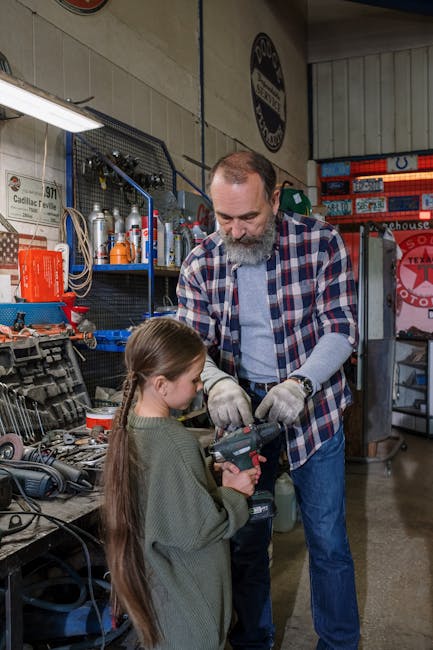
Using a toll requires attention to safety. Accidents can happen without proper precautions. Understanding safety measures is vital. Protect yourself and others by following guidelines. Safety ensures a smooth, productive experience.
Proper Handling
Handle the toll with care. Grip the tool firmly. Control ensures precision. Avoid using a tool in poor condition. Check for any damage before use. A damaged tool can cause injury. Keep the work area clean and organized. Clutter can lead to accidents.
Protective Gear
Wear appropriate protective gear. Safety goggles protect your eyes. Gloves safeguard your hands. Footwear should be sturdy and closed. Loose clothing can catch on tools. Secure long hair to prevent accidents.
Innovations In Toll Design
The world of hand tools constantly evolves, and toll design is no exception. With advancements in technology, tools are becoming more efficient and user-friendly. Innovations in toll design focus on improving functionality and ergonomics. These developments aim to meet the needs of modern users. They also enhance the overall tool experience.
Recent Developments
Recent years have seen many changes in toll design. Manufacturers have introduced lightweight materials. These materials reduce fatigue during extended use. Ergonomic handles have become a standard feature. They provide better grip and control, reducing strain on the hands.
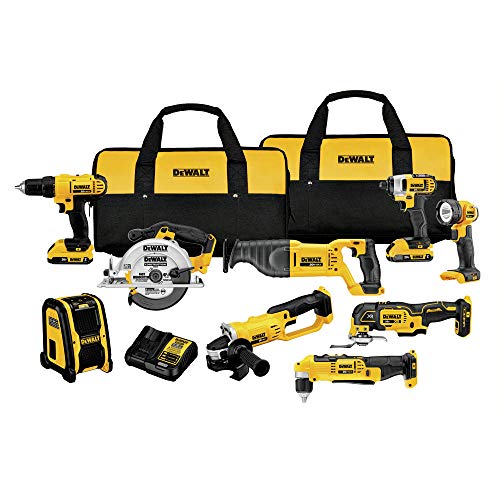
Tools now often include integrated digital displays. These displays show essential data, like torque levels or battery life. This information helps users maintain accuracy and efficiency.
Future Trends
Future trends in toll design focus on smart technology. Smart tools will likely include sensors that communicate with smartphones. This connectivity could allow real-time adjustments and diagnostics.
Another trend is sustainable materials. Tools made from recycled or eco-friendly materials are gaining popularity. This shift responds to growing environmental concerns and consumer demand.
The future holds exciting possibilities. These advancements will continue to shape the tool industry, enhancing user experience.
Frequently Asked Questions
What Is A Toll Hand Tool?
A toll is a specific type of hand tool used primarily for tasks like shaping, cutting, or carving materials. They are essential in woodworking and metalworking, offering precision and control. These tools are typically manually operated, making them versatile for various crafts and trades.
How Do Toll Hand Tools Differ From Others?
Toll hand tools differ in their specialized design for precision tasks. Unlike general hand tools, tolls offer enhanced control for detailed work. They are crafted to handle specific materials, ensuring accuracy in shaping or cutting. This makes them indispensable for artisans and craftsmen needing precise results.
What Materials Can Toll Tools Work With?
Toll tools are versatile, working with wood, metal, and plastic. They are designed for precision, allowing users to shape, carve, or cut various materials effectively. This adaptability makes them a valuable asset in multiple crafts and industries, ensuring high-quality results across different projects.
Are Toll Hand Tools Suitable For Beginners?
Yes, toll hand tools are suitable for beginners with proper guidance. Their manual operation offers control, making them ideal for learning precision techniques. Beginners can develop skills in shaping and carving by practicing with tolls. It's essential to choose tools designed for novice use to enhance learning.
Conclusion
A toll is a versatile hand tool. It offers great utility in various tasks. You can use it for woodworking, metalworking, and more. Its design ensures ease of use. Compact and handy, it fits well in any toolbox. You can rely on its durability for long-term use.
Choosing the right toll enhances efficiency. It helps complete projects faster and smoother. Always consider your needs before buying. This ensures the toll meets your expectations. Remember, the right tool makes a difference. Embrace the practicality of a toll in your daily work.
It's a smart addition to any toolkit.