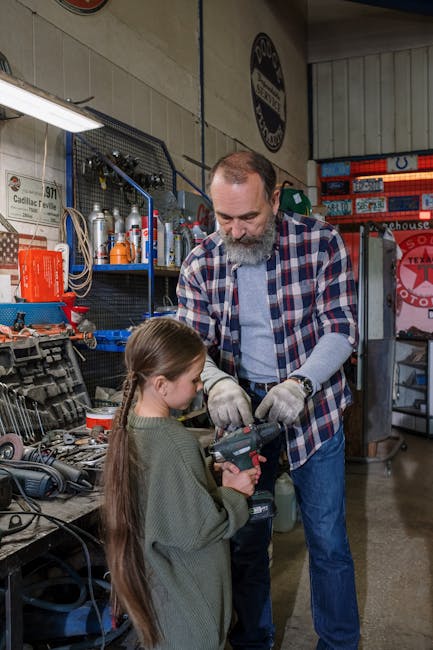
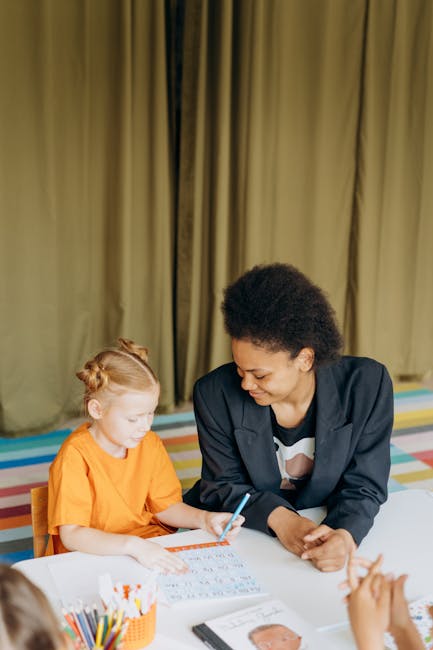
Have you ever watched a left-handed child struggle with writing tools in a classroom setting? If so, you're not alone.
Many teachers and parents are perplexed by the challenges these young learners face. As you step into their shoes, imagine the frustration of trying to write with tools that just don't seem to fit. It's a common issue that can affect a child's confidence and learning experience.
But here's the good news: with the right guidance, you can make a significant difference. Discover how you can empower left-handed children, turning writing from a daunting task into an enjoyable and productive activity. Dive in to learn practical tips and insights that can transform your classroom or home into a more inclusive environment. Your understanding and actions can be the key to unlocking a left-handed child's potential. Are you ready to make a change?
Challenges Faced By Left-handed Children
Left-handed children often face unique challenges while using writing tools. Their struggles can impact their learning experiences. Understanding these challenges helps teachers support these students better.
Grip And Comfort Issues
Left-handed children may find gripping writing tools awkward. Most pens and pencils are designed for right-handed users. This causes discomfort and can affect their handwriting quality. Teachers should offer ergonomic tools to ease their grip.
Smudging And Ink Problems
Smudging is a common issue for left-handed writers. Their hand often drags across freshly written ink. This smears the text and makes their work look untidy. Quick-drying ink and special pens can help reduce smudging.
Desk And Seating Arrangements
Standard desk arrangements can pose challenges for left-handed students. They may bump elbows with right-handed peers. This can lead to discomfort and distraction. Seating them at the left side of the desk or at the end of a row can help.
Selecting The Right Writing Tools
Selecting the right writing tools can help left-handed children thrive. Teachers play a crucial role in guiding students to use tools that match their needs. The proper tools can enhance comfort and ease of writing. This section will discuss some recommendations.
Pencil And Pen Recommendations
Left-handed children often face smudging issues. Encourage the use of quick-dry ink pens. These pens reduce the chance of smudging. Gel pens with quick-dry ink work well. They offer smooth writing and less mess. Pencils with softer leads are also good. They require less pressure and reduce hand strain.
Erasers And Correction Tools
Standard erasers might not work best for left-handers. Look for soft, smudge-resistant erasers. These types minimize paper tearing. Correction tape is better than liquid correction fluid. It dries instantly and causes fewer smudges. Encourage their use for neat work.
Paper And Notebook Choices
Paper quality affects writing ease. Smooth, high-quality paper helps. It allows for clean writing without tearing. Spiral notebooks with top or bottom spirals suit left-handers. They avoid the discomfort of side spirals. Consider wide-ruled paper for more space. It can make writing less cramped.
Teaching Techniques For Left-handed Students
Left-handed students often face unique challenges in the classroom. Writing tools designed for right-handed users can hinder their progress. Teachers can employ specific strategies to help these students excel. This section explores how educators can support left-handed learners effectively.
Encouraging Proper Hand Position
Many left-handed students struggle with hand positioning. They often develop an awkward grip. Teachers should demonstrate correct hand placement. Use visual aids to show students where to position their paper. Encourage them to hold the pencil comfortably. This approach prevents strain and enhances writing flow.
Developing A Comfortable Writing Style
Comfortable writing is crucial for left-handed students. Allow them to explore different pen grips. Offer tools designed for left-handers. These tools can include left-handed scissors or angled writing pads. Support students in finding what feels natural. This boosts their confidence and encourages creativity.
Adapting Handwriting Instructions
Handwriting instruction for left-handed students should be flexible. Tailor lessons to accommodate their needs. Use specific exercises that promote fluidity. Focus on letter formation and spacing. Provide individual feedback to guide improvement. Adapt traditional methods to suit their learning style.
Classroom Environment Adjustments
Teachers can enhance learning for left-handed children by providing suitable writing tools. Adjustments like special pens and ergonomic desks help. These changes ensure comfort and improve writing skills.
Creating a supportive classroom environment for left-handed children can significantly enhance their learning experience. Small adjustments in the classroom can help them feel more comfortable and improve their writing skills. As an educator or parent, you might wonder how these changes can make a difference. Let's explore some practical adjustments that can transform the classroom into a more inclusive space for left-handed students.
Desk Layouts And Seating Arrangements
Consider the desk layout and seating arrangements. Placing left-handed students on the left side of shared desks prevents elbow clashes during activities. This simple change can make a big difference in their comfort and concentration. Arrange desks to allow ample space for left-handed students to move freely. Circular or semi-circular layouts can be more accommodating. This setup also fosters group discussions and collaboration.
Providing Adequate Lighting
Lighting plays a crucial role in any student's ability to write clearly. Ensure that your classroom has ample natural light or well-positioned artificial lights. This is especially important for left-handed students who might cast shadows with their writing hand. Position lamps or lights to avoid glare on the paper. A well-lit environment not only aids visibility but also reduces eye strain. Have you ever noticed how a simple light adjustment can boost focus?
Tools For Board Work And Presentations
Consider the tools used for board work and presentations. Encourage the use of digital tools that allow flexibility in hand dominance. Tablets and smartboards can often be adjusted for left-handed use. Offer left-friendly tools like smudge-proof markers or angled whiteboards. This ensures left-handed students can write without smudging their work. Such small changes can empower them to participate more actively. By making these thoughtful adjustments, you create a welcoming environment for all students. As you implement these changes, you'll likely notice a positive shift in classroom dynamics. What other simple adjustments can you think of to support left-handed learners?
Support And Encouragement
Supporting left-handed children in school boosts their confidence and learning. Teachers play a crucial role in nurturing these young learners. Encouragement is key to helping them overcome challenges. Positive reinforcement and understanding make a big difference.
Building Confidence In Skills
Teachers should tailor lessons to suit left-handed students. Recognize their unique needs and adapt techniques. Provide tools that fit their hand preference. Offer exercises to improve fine motor skills. These steps build confidence in writing and drawing.
Celebrating Left-handed Achievements
Highlight the successes of left-handed students. Acknowledge their hard work and creativity. Display their work in the classroom. Celebrate their achievements during school events. Praise motivates them to excel further.
Engaging Parents And Guardians
Communicate regularly with parents about their child's progress. Share tips on supporting left-handed skills at home. Encourage parents to be patient and understanding. Involve them in school activities and discussions. This teamwork benefits the child's development.
Resources For Teachers
Teaching left-handed children to use writing tools involves understanding their unique needs. Teachers can provide special resources to help. For example, left-handed scissors and ergonomic pens. These tools can improve comfort and writing skills in class.
Supporting left-handed children in the classroom can be a rewarding challenge for teachers. With the right resources, you can make a significant difference in their educational journey. By focusing on specialized books, workshops, and online communities, you can equip yourself with the tools needed to help these students thrive.
Books And Guides
Books can be an invaluable resource in understanding the nuances of teaching left-handed children. Consider adding "The Left-Handed Children's Guide" to your reading list. It's packed with practical tips for improving handwriting and using everyday tools effectively. This guide is not just a collection of theories but offers actionable advice you can apply in your classroom today. Another great resource is "Helping Left-Handed Kids: A Guide for Teachers and Parents". This book provides insights into the challenges left-handed children face and how you can assist them. Have you ever noticed a student struggle with cutting paper or writing neatly? The book offers solutions to these common issues.
Workshops And Training
Workshops and training sessions are excellent ways to deepen your understanding. Attending a workshop on left-handed education can provide hands-on experience. These sessions often feature expert educators who share their knowledge and practical strategies. Consider joining a workshop where you can practice using left-handed tools and techniques. This firsthand experience will help you empathize with your students' challenges. Have you ever tried writing with your non-dominant hand? It’s an enlightening exercise that can enhance your teaching skills.
Online Communities And Forums
Online communities and forums offer a platform to connect with fellow educators. Sites like Reddit and specialized forums have active groups discussing left-handed teaching strategies. Engaging with these communities can provide fresh perspectives and new ideas. These platforms allow you to ask questions and share experiences. Have you considered joining a Facebook group dedicated to left-handed education? It’s a great place to find support and exchange resources. You might discover innovative solutions to classroom challenges that you hadn’t considered before. By leveraging these resources, you can enrich your teaching methods and support left-handed children more effectively. What new strategy will you try in your classroom this week?
Frequently Asked Questions
How Can Teachers Help Left-handed Children Write?
Teachers can offer ergonomic pens and pencils to left-handed children. These tools reduce strain while writing. Encourage proper hand positioning to avoid smudging. Provide practice worksheets designed for left-handed writing. Celebrate their progress and adapt classroom activities to support their needs.
What Challenges Do Left-handed Students Face?
Left-handed students often struggle with smudging ink while writing. They might find traditional desk layouts uncomfortable. Writing tools designed for right-handers can cause discomfort. Teachers can support them by providing adaptable tools and techniques.
Are There Special Writing Tools For Left-handers?
Yes, there are tools designed specifically for left-handers. These include ergonomic pens, pencils, and scissors. They help reduce strain and improve comfort. Such tools can improve handwriting and writing speed. Teachers should consider incorporating these into classroom supplies.
How Do Left-handed Children Develop Writing Skills?
Left-handed children develop writing skills with practice and suitable tools. Encourage consistent practice with hand-friendly writing instruments. Ensure they have access to left-handed worksheets. Teachers play a crucial role by providing guidance and support.
Conclusion
Supporting left-handed children in class can boost their confidence. Choose writing tools that fit their needs. Teachers should try using left-handed scissors. Encourage students to use slant boards for comfort. A comfortable environment makes learning easier. Pay attention to each child's unique grip.
Create a space where everyone feels included. This approach helps develop writing skills. Be patient and understanding with each student. Personalized support can make a big difference. Every child deserves the chance to succeed. Build an inclusive classroom for all learners.
Remember, small changes can lead to big improvements.