Imagine you're in your workshop, surrounded by handheld electric power tools that make your projects come to life. These tools are your allies, helping you achieve precision and efficiency.
But when they're not in use, do you know the best way to handle them? This isn't just about keeping your workspace tidy; it's about ensuring safety, prolonging the lifespan of your tools, and saving money in the long run.
If you've ever wondered about the potential risks of neglecting your tools or how you might be inadvertently shortening their lifespan, you're in the right place. This article is your guide to understanding the essential practices for storing and maintaining your handheld electric power tools. You'll discover simple, effective strategies that can protect your investment and enhance your peace of mind. Keep reading to ensure you're not making common mistakes with your power tools when they're not in use.
Importance Of Safe Storage
Properly storing handheld electric power tools is crucial for safety. Safe storage prevents accidents and tool damage. It ensures a longer lifespan for your tools and keeps them in good working condition.
Proper storage of handheld electric power tools is crucial for both safety and longevity. Leaving tools lying around can lead to accidents, injuries, or damage. Ensuring they are stored safely when not in use protects both you and your investment.
Protecting Yourself And Others
Have you ever tripped over a power tool cord? It’s not just inconvenient—it’s dangerous. Proper storage prevents such mishaps. By keeping your tools in a designated area, you reduce the risk of accidental trips and falls, protecting everyone in your home or workplace.
Extending Tool Life
Tools left in damp or dusty places tend to deteriorate quickly. Moisture can cause rust, while dust can clog vents and impair performance. Store tools in a dry, clean environment to keep them in top condition, extending their lifespan and ensuring reliability.
Preventing Unintended Use
Have children or pets? Curious hands and paws can easily get hurt. Safe storage means placing your tools out of reach, preventing unintended use. Consider using lockable cabinets or toolboxes to keep them securely away from unintended users.
Maintaining Organization
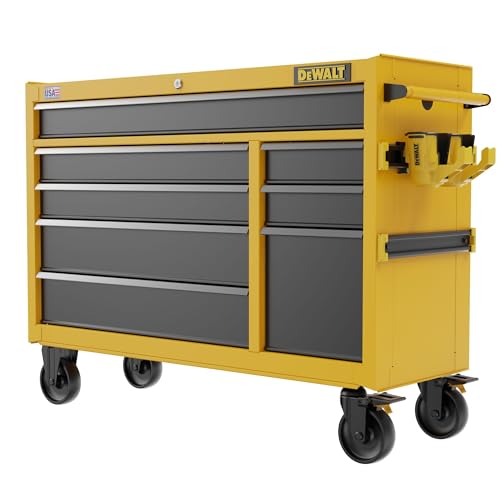
An organized workspace boosts efficiency. When tools are stored properly, you know exactly where they are when you need them. Use pegboards, shelves, or tool racks to keep your tools neatly arranged, saving you time and hassle during your projects.
Ensuring Safety In Emergencies
Imagine needing to evacuate quickly and tripping over scattered tools. Safe storage can make a difference in emergencies, ensuring clear pathways. Keep your workspace tidy to enhance safety and allow quick access to exits if needed. Think about your current storage habits—are your tools as safe as they could be? Taking steps to improve storage not only keeps you safe but also makes your tools last longer. What changes can you make today to enhance safety and organization in your workspace?
Potential Risks Of Improper Storage
Improper storage of handheld electric power tools can lead to serious risks. Tools might become damaged or cause injuries. Always store them in a dry, secure place to prevent accidents and prolong their lifespan.
Storing handheld electric power tools might seem straightforward, but improper storage can lead to serious risks. Have you ever thought about what happens when tools are just thrown into a corner or piled up in a garage? It’s more than just a messy workspace. Incorrectly stored tools can pose potential hazards that could lead to accidents or even fires. Understanding these risks can help you make safer choices.
Fire Hazards
Improper storage of power tools can create fire hazards. Tools left plugged in, even when turned off, can overheat and catch fire. Storing them near flammable materials like gasoline or oily rags can easily ignite a blaze. Consider my neighbor who once stored his electric drill next to a stack of old newspapers. One spark from a faulty wire and everything went up in flames. Keep tools unplugged and away from anything that could burn. Create a dedicated space for tool storage, ensuring everything is cool and dry. Have you ever taken a moment to check how your tools are stored?
Electrical Accidents
Storing power tools improperly can also lead to electrical accidents. When cords are tangled or tools are stacked haphazardly, it increases the risk of damage. A frayed wire or exposed connection can easily result in shocks or short circuits. Think back to the last time you pulled out a tangled mess of cords. Did you wonder if that kinked wire was a hidden danger? Organize your storage space to prevent these issues. Use hooks or wraps to keep cords untangled and check for any signs of wear. Regularly inspect tools to ensure they are in good working order. Have you checked your storage area recently? What could you do to make it safer? Addressing these concerns can save you from unexpected accidents.
Best Practices For Storage
Storing handheld electric power tools properly is crucial for their longevity and optimal performance. Whether you're a DIY enthusiast or a professional, neglecting the storage of your tools can lead to damage and safety issues. Understanding the best practices for storage can save you money and extend the life of your equipment. Let's dive into some practical tips that can help you keep your tools organized and in good condition.
Organized Tool Placement
How often have you spent precious time searching for a specific tool? An organized workspace can save you from this frustration. Store your tools in a dedicated area, like a pegboard or a toolbox, where each tool has its specific spot. This not only saves time but also prevents tools from getting misplaced or damaged.
Consider labeling each spot or container. This simple step can make it easy for anyone in your household or workshop to return tools to their proper place. When tools are easy to find, you're more likely to use them efficiently and safely.
Think about how you use your tools. Do you often reach for a specific screwdriver or drill? Place frequently used tools within easy reach, while less common ones can be stored higher or further back. This strategic placement enhances workflow and ensures that your tools are always ready for action.
Climate Considerations
Climate plays a significant role in tool storage. Humidity and temperature fluctuations can lead to rust and corrosion. If your tools are stored in a damp basement or garage, consider investing in a dehumidifier or moisture-absorbing products. This small investment can preserve the integrity of metal components.
What about temperature extremes? In colder climates, tools can become brittle, while excessive heat can warp plastic components. Aim to store your tools in a temperature-controlled environment. If that's not possible, consider insulating your storage area to protect your tools from extreme conditions.
Finally, think about ventilation. Proper airflow can prevent moisture buildup, reducing the risk of rust. Ensure your storage area is well-ventilated, whether through natural airflow or a small fan system. This will help maintain a dry environment, safeguarding your valuable tools.
In the end, your tools are an investment worth protecting. By organizing them properly and considering climate factors, you can ensure they're ready for your next project. What changes will you make to your storage habits today?
Choosing The Right Storage Location
Choosing the right storage location for handheld electric power tools is crucial. Proper storage ensures safety and extends the lifespan of your tools. Not all storage options are created equal. Let’s explore the best places for storing these essential devices.
Garage And Workshop Options
The garage is a popular choice for tool storage. It provides easy access and ample space. Shelves and cabinets can keep tools organized. Workshops offer a dedicated space for tool storage. They often have workbenches and tool racks. These features help maintain order and efficiency. Both options require a dry environment to prevent rust.
Indoor Vs. Outdoor Storage
Indoor storage offers protection from weather elements. It ensures tools remain dry and functional. A basement or closet are ideal indoor locations. Outdoor storage can be risky due to moisture. Weather changes can damage electrical components. If using outdoor storage, ensure it’s waterproof. A sturdy shed can offer a balanced solution. Always prioritize indoor options for delicate tools.
Tool Maintenance During Storage
Proper tool maintenance during storage ensures your handheld electric power tools last longer. Storing tools correctly can prevent damage and prolong their lifespan. Regular upkeep safeguards against rust, wear, and unforeseen malfunctions. By following maintenance practices, you can keep tools ready for action anytime.
Regular Cleaning
Before storing, clean your tools thoroughly. Remove any dust, debris, and grease. Use a soft cloth and mild detergent for wiping down surfaces. Pay attention to hard-to-reach areas. For tools with vents, use compressed air to clear out dust. Regular cleaning prevents dirt buildup and maintains efficiency.
Inspection Protocols
Inspect tools regularly for any visible damage. Check for loose screws, worn-out parts, or cracks. Examine cords for frays and plugs for damage. Test moving parts to ensure smooth operation. If any issues arise, address them before storing the tool. Regular inspections catch problems early and ensure safety.
Benefits Of Proper Storage
Storing handheld electric power tools correctly is crucial. It helps ensure their longevity and safety. Proper storage can lead to better performance and fewer repairs. It also minimizes risks related to mishandling or damage. Let's explore the specific benefits of storing these tools properly.
Prolonged Tool Lifespan
Proper storage keeps tools clean and dry. This prevents rust and corrosion. Moisture and dust can damage sensitive parts. Keeping tools in a safe place reduces wear and tear. It ensures they work efficiently for a longer time.
Enhanced Safety
Properly stored tools are less likely to cause accidents. They are out of reach of children and pets. A clutter-free space reduces tripping hazards. Organized storage helps in easy tool identification. You can quickly find the right tool for the job. This reduces the risk of using the wrong tool by mistake.
Frequently Asked Questions
How Should Power Tools Be Stored Safely?
Store power tools in a dry, clean area away from children. Ensure they are unplugged and organized in a secure manner. Use designated storage boxes or shelves to prevent damage. Regularly inspect tools for wear and tear. Proper storage extends tool lifespan and enhances safety.
Why Unplug Power Tools When Not In Use?
Unplugging power tools prevents accidental activation, reducing injury risks. It also helps conserve energy and prolongs tool lifespan. Unplugging is a simple safety measure that ensures tools remain in good condition. It also prevents electrical hazards, especially in damp environments.
What Is The Importance Of Tool Maintenance?
Regular maintenance ensures tools operate efficiently and safely. It involves cleaning, inspecting, and lubricating components. Maintaining tools prevents breakdowns and extends their lifespan. It also enhances performance and reduces the risk of accidents. Proper maintenance is crucial for reliable tool operation.
Where Should Power Tools Be Stored?
Store power tools in a cool, dry place away from moisture. Use toolboxes or dedicated shelves to keep them organized. Ensure the storage area is accessible but secure from unauthorized access. Proper storage prevents damage and ensures tools are ready for use when needed.
Conclusion
Proper storage of power tools boosts safety. It prevents accidents and tool damage. Store tools in a dry, secure place. This keeps them ready for future use. Organize the tools neatly. Label each tool's spot for easy access later. Regularly check for wear and tear.
This ensures your tools last longer. Always unplug tools when not in use. It saves energy and reduces risk. Keep cords untangled and away from walkways. This avoids tripping hazards and ensures safety. Following these tips protects you and your tools.
Safety and efficiency go hand in hand.