Imagine you’re in the middle of a DIY project at home, and suddenly you need to check the electrical voltage of a circuit. You may wonder, what tool is best for this task?
Understanding voltage is crucial for ensuring safety and efficiency in any electrical project. A reliable tool not only makes your job easier but also gives you peace of mind. You’ll discover the essential tool that every homeowner and electrician should have.
We'll unravel its features, benefits, and why it’s the go-to choice for anyone dealing with electrical systems. Stay with us to empower your toolkit and ensure your projects are both safe and successful.
Types Of Voltage Measuring Tools
Measuring electrical voltage is essential for safety and efficiency. Different tools help in various situations. Each has unique features and uses. Understanding these tools can help in choosing the right one for your needs.
Multimeters
Multimeters are versatile devices. They measure voltage, current, and resistance. They are popular among electricians and hobbyists. Digital multimeters display readings on a screen. Analog ones use a needle to show values. Multimeters provide accurate voltage measurements. They are ideal for detailed analysis.
Voltage Testers
Voltage testers are simple and handy. They check if voltage is present. These tools are often pen-shaped. They are perfect for quick voltage checks. Voltage testers indicate with lights or sounds. They are easy to use and safe for beginners. They are not for measuring exact values.
Oscilloscopes
Oscilloscopes are advanced tools. They display voltage changes over time. Perfect for analyzing complex circuits. Engineers use them for detailed inspections. Oscilloscopes show waveforms on a screen. They are more complex than other tools. Great for diagnosing electronic problems.
How Multimeters Work
Multimeters are essential tools for checking electrical voltage. They measure voltage, current, and resistance. Understanding how multimeters work can improve your electrical tasks. They come in different types, each with unique features.
Digital Multimeters
Digital multimeters are popular for their accuracy. They display readings on a digital screen. You can easily read and understand the measurements. Most digital multimeters have automatic ranging. This feature selects the correct measurement range. It makes them user-friendly. They are ideal for both beginners and professionals.
Analog Multimeters
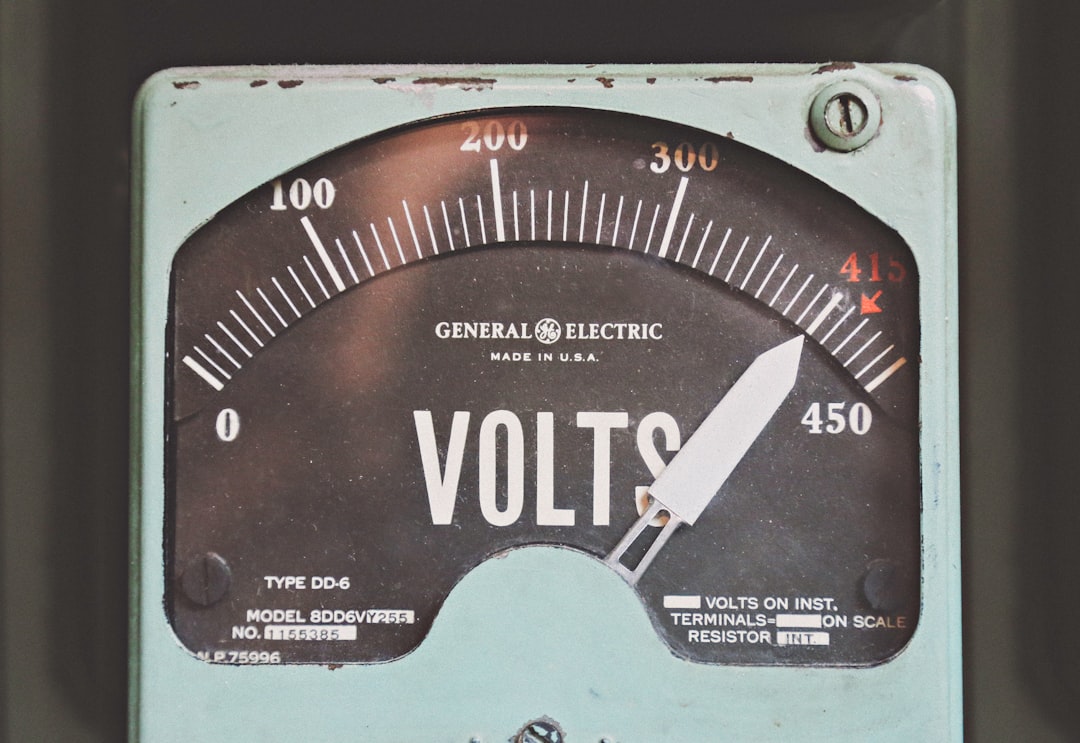
Analog multimeters use a needle and scale to show measurements. They are less common today but still useful. Some prefer them for their ability to show fluctuations. They have a manual ranging feature. You need to set the range before taking measurements. They require careful handling for accurate readings.
Using Multimeters Safely
Safety is crucial when using multimeters. Always check the device before use. Inspect the wires and probes for damage. Ensure the multimeter is set correctly. Incorrect settings can cause inaccurate readings. Avoid touching metal parts during measurements. Use insulated gloves for extra protection. Following safety tips can prevent accidents.
Understanding Voltage Testers
Voltage testers are essential tools in any electrician's toolkit. They help you determine whether electrical circuits are live, ensuring your safety during repairs or installations. Imagine you're about to install a new ceiling fan. You confidently reach for your voltage tester, knowing it will confirm that the circuit is dead before you start working. But which voltage tester is right for you? Let's explore the options.
Non-contact Voltage Testers
Non-contact voltage testers are like magic wands for electricians. They allow you to check for live wires without touching them. Simply bring the tester close to the wire, and if it's live, the tester will alert you through sound or light. You might find this tool particularly useful when dealing with crowded junction boxes, where direct contact is tricky. Imagine quickly scanning a bundle of wires and knowing immediately which ones need your attention.
Contact Voltage Testers
Contact voltage testers require direct contact with the electrical circuit. You place the tester's probes on the wires or terminals to get a reading. These testers offer precise voltage measurements, which can be crucial when diagnosing issues with appliances. If your refrigerator suddenly stops cooling, a contact voltage tester can help you pinpoint whether the problem lies within the circuit or the appliance itself.
Advantages And Limitations
Both types of voltage testers have their perks. Non-contact testers are fast and easy, ideal for quick checks and crowded spaces. But they may not provide exact voltage readings. Contact testers give you precise measurements, making them indispensable for detailed diagnostics. However, they require direct contact, which may not always be safe or feasible.
Have you ever faced a situation where you needed to choose between speed and precision? Voltage testers challenge you to make that choice. Understanding their advantages and limitations can guide you in selecting the right tool for your needs.
Choosing the right voltage tester can make your electrical projects safer and more efficient. How do you decide which type suits your work best? Consider the nature of your projects and the environments you typically work in. Safety and efficiency are at your fingertips with the right voltage tester.
Oscilloscopes For Voltage Measurement
An oscilloscope is a vital tool for checking electrical voltage. It displays voltage changes over time, providing clear waveforms. Electricians and technicians rely on this device for accurate voltage measurements.
When you need to check electrical voltage, oscilloscopes are a powerful tool. They're not just about displaying voltage levels; they provide a visual representation of the waveform. This can be crucial for understanding complex electrical systems. Unlike a multimeter, which gives you a static number, an oscilloscope lets you see changes over time. This makes it invaluable for troubleshooting intricate circuits. Have you ever wondered how engineers diagnose electrical issues in advanced systems? Oscilloscopes could be their secret weapon.
Functionality And Features
An oscilloscope measures electrical signals and displays them as waveforms on a screen. Its primary function is to show how voltage changes over time. This can help you identify fluctuations that might cause problems. Key features include adjustable time scales and voltage levels. These allow you to focus on specific parts of a signal. Many oscilloscopes also come with storage capabilities, so you can save waveforms for later analysis. Digital oscilloscopes can even connect to computers. This lets you use advanced software for deeper insights. Is your current toolset up to the task?
Applications In Complex Circuits
In complex circuits, you may encounter issues that are hard to diagnose. Oscilloscopes make it easier to find and fix these problems. By visualizing the waveform, you can see where the circuit is failing. For instance, if a circuit is shorting, an oscilloscope will show erratic waveforms. This helps you pinpoint the issue quickly. You can also use it to measure the frequency and phase of signals, which is vital for tuning and maintenance. Do you work with digital circuits? Oscilloscopes are especially useful here. They can capture fast-changing signals, making them ideal for debugging digital components. Next time you're faced with a complex circuit, consider using an oscilloscope to unravel the mystery.
Choosing The Right Tool
Selecting the right tool for checking electrical voltage is crucial for safety. A multimeter is commonly used for this task. It measures voltage accurately, ensuring electrical systems function properly.
Choosing the right tool for checking electrical voltage can make all the difference between a straightforward task and a frustrating ordeal. You might recall a time when a simple home repair became a complex puzzle because you had the wrong equipment. Understanding what to look for in a voltage meter will save you time and effort, ensuring accuracy and safety in your electrical work.
Factors To Consider
When selecting a voltage meter, think about accuracy. A tool that provides precise readings is crucial, especially if you’re troubleshooting sensitive electronics. Consider the range of voltage it can measure. You don’t want a tool that maxes out below the voltage you need to check. Ease of use is another important factor. A device with intuitive controls will help you avoid mistakes, especially if you’re a beginner.
Comparing Tools For Different Needs
Different tasks might require different tools. For household jobs, a basic digital multimeter might be all you need. It can measure voltage, current, and resistance, making it versatile for various tasks. If you’re working in an industrial setting, a clamp meter might be more appropriate. It allows you to measure current without direct contact, which is safer and more efficient for high-power systems. For those who prioritize portability, a non-contact voltage tester could be the right choice. It’s perfect for quick checks and doesn’t require touching the electrical components, adding an extra layer of safety. Choosing the right tool is like choosing the right partner for a dance. With the correct tool, your work becomes smoother, more efficient, and significantly safer. What tasks do you need your voltage meter to handle?
Best Practices For Accurate Measurement
A multimeter is the essential tool for checking electrical voltage. It measures voltage, current, and resistance accurately. By using this tool, you can ensure safe and precise electrical assessments.
Accurate electrical voltage measurement is crucial for both safety and functionality in various electrical applications. Whether you're a seasoned electrician or a DIY enthusiast, understanding the best practices for measuring electrical voltage ensures that you get precise readings every time. Knowing these practices not only enhances your technical skills but also prevents mishaps and ensures the longevity of your electrical tools. Imagine the relief of troubleshooting a faulty circuit with confidence, knowing your measurements are spot-on. Here’s how you can achieve that.
Safety Precautions
Before diving into voltage measurements, prioritize safety. Always ensure the power is off before connecting your multimeter to the circuit. Double-check that you're using a multimeter with the correct voltage range to prevent damage or injury. Wear insulated gloves to protect yourself from accidental shocks. Safety goggles are also a good idea to protect your eyes from any unexpected electrical arcs. Remember, safety is not just a step; it's the foundation of every electrical task.
Tips For Reliable Results
Start by selecting the right tool for the job. A digital multimeter is often the go-to device for checking electrical voltage due to its precision and ease of use. Make sure your multimeter is calibrated correctly. This step is vital for ensuring accurate readings and maintaining the tool's reliability. Always check the condition of your test leads. Damaged or frayed leads can lead to incorrect readings or even pose a hazard. Replace them if necessary. Lastly, take multiple readings to confirm consistency. If your readings vary significantly, it might be time to inspect the circuit or the multimeter itself. Engage your curiosity—ask yourself if there are other factors that might influence the measurement. Could temperature or humidity affect the readings? By considering these aspects, you ensure that your measurements are not only accurate but also reliable under different conditions.
Maintaining Voltage Measuring Tools
To check electrical voltage, the multimeter is a commonly used tool. It helps measure voltage levels accurately, ensuring safe and efficient electrical work. Regular maintenance keeps the tool reliable and extends its lifespan, making it a dependable asset in electrical tasks.
Maintaining voltage measuring tools is crucial for anyone working with electrical systems. These tools ensure safety and accuracy in your electrical work. However, like any precision instrument, they need proper care to function correctly. Neglecting maintenance can lead to inaccurate readings and potential hazards. Let’s dive into how you can keep these tools in top shape.
Calibration And Regular Checks
Calibration is essential to ensure your voltage measuring tools give accurate readings. Regularly calibrating your tools against a standard reference will help maintain their precision. It's not just about safety; it's about trust in your measurements. You can schedule these checks annually or bi-annually, depending on how frequently you use the tools. Consider it like a health check-up for your equipment. By doing so, you avoid mishaps and ensure your tools last longer. Ever noticed how a miscalibrated tool can throw off your entire project? This is why regular checks are non-negotiable. You wouldn't want your work compromised due to avoidable errors.
Proper Storage And Care
Storing your voltage measuring tools properly can significantly extend their life. Keep them in a dry, dust-free environment to prevent corrosion and damage. Moisture and dust are silent destroyers of precision instruments. A simple toolbox with dividers can protect your tools from physical damage. Ensure they are not exposed to extreme temperatures which can affect their accuracy. Imagine the frustration of finding your tools damaged just when you need them most. Cleaning your tools after each use is a good habit. Use a soft cloth to wipe away any dirt or debris. This small step can prevent long-term damage and keep your tools functioning smoothly. How often do you check on the condition of your tools? Regular inspections can help you spot early signs of wear and tear. By taking these proactive steps, you ensure your voltage measuring tools are always ready for the task at hand.
Frequently Asked Questions
What Is A Multimeter Used For?
A multimeter is a versatile tool used to measure electrical voltage, current, and resistance. It's essential for diagnosing electrical issues and testing circuits. With digital and analog options available, multimeters offer precise readings. They are a staple in both professional and DIY electrical work, ensuring safety and accuracy.
How Do You Measure Voltage With A Multimeter?
To measure voltage, set the multimeter to voltage mode. Connect the probes to the circuit, placing them parallel to the voltage source. Ensure the red probe is connected to the positive terminal and the black probe to the negative. The multimeter will display the voltage reading, helping diagnose electrical issues.
Can A Multimeter Measure Ac And Dc Voltage?
Yes, a multimeter can measure both AC and DC voltage. Switch the multimeter to the appropriate setting for accurate readings. AC voltage is typically used for household outlets, while DC voltage is common in batteries. Understanding the difference is crucial for safe and precise measurements.
Why Is Measuring Voltage Important?
Measuring voltage is crucial for diagnosing electrical problems and ensuring circuit safety. It helps identify faulty components and prevent electrical hazards. Accurate voltage readings are essential for proper equipment function and maintenance. Regular voltage checks can prevent costly repairs and ensure optimal performance.
Conclusion
Choosing the right tool to check electrical voltage is crucial. A voltmeter is essential for accurate readings. It ensures safety by preventing electrical mishaps. Digital multimeters offer versatility and ease of use. They're popular among professionals and hobbyists alike. Always prioritize safety when handling electrical equipment.
Understanding voltage tools helps in maintaining electrical systems. Proper usage extends their lifespan and efficiency. With practice, voltage checks become simple and reliable. Remember to follow instructions and safety guidelines. This guarantees effective and secure voltage measurement. Make informed choices for better electrical management.