Are you tired of losing your tools or wasting time figuring out which ones belong to you? It's a common problem, and it can be frustrating.
Imagine being able to easily identify your tools, keeping your workspace organized, and saving precious time. This is where marking your tools comes in. By simply labeling your tools, you can ensure that you always know what's yours and avoid unnecessary mix-ups.
We'll explore easy and effective ways to mark your tools so you can bring order to your toolbox. Get ready to unlock the secret to a more efficient and stress-free work environment. Keep reading, because mastering this simple skill could transform the way you handle your tools forever!
Importance Of Tool Marking
Tool marking is vital for many reasons. It ensures organization and efficiency in your workspace. Clearly labeled tools help you find what you need quickly. This saves time and reduces frustration.
Proper marking also prevents tools from getting lost or misplaced. It helps identify ownership, especially in shared environments. This way, your tools are easily recognizable and less likely to be borrowed without return.
Tool marking contributes to safety as well. Labeled tools can indicate specific uses or warnings. This prevents misuse and potential accidents. Investing time in marking tools pays off by enhancing safety and productivity.
How Tool Marking Enhances Organization
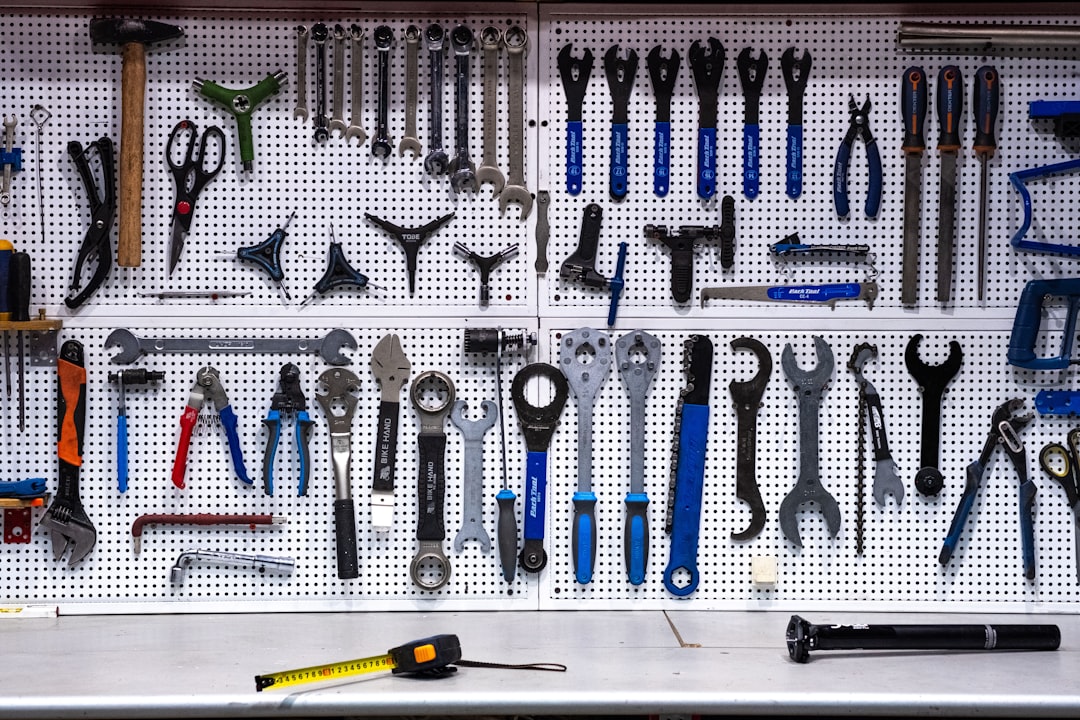
Organized tools improve workflow. Labeled tools have designated spots, reducing clutter. This makes your workspace efficient and pleasant to work in.
Finding tools becomes a breeze with proper labeling. You spend less time searching and more time working. This boosts productivity and reduces stress.
Preventing Tool Loss With Proper Marking
Tools often disappear in busy environments. Marking them helps prevent this. Personal marks help distinguish tools from others.
Shared spaces benefit greatly from tool marking. It ensures everyone returns tools to their rightful owner. This simple step avoids misunderstandings and loss.
Improving Safety Through Tool Marking
Safety is paramount in any workshop. Properly marked tools reduce accidents. They communicate the tool's purpose and any warnings clearly.
Workers can immediately identify the correct tool for the job. This minimizes errors and enhances workplace safety. Consistent marking practices foster a secure environment.
Choosing The Right Marking Method
Choosing the right marking method for your tools is crucial. It ensures durability, visibility, and ease of identification. Whether you're a DIY enthusiast or a professional, understanding various marking techniques can save you time and hassle. Let's dive into some popular methods and see which one suits your needs best.
Engraving Techniques
Engraving is a classic choice for tool marking. It involves carving designs directly into the tool surface. This method is highly durable and withstands harsh environments. If you've ever engraved a tool, you know the satisfaction of creating something both functional and beautiful. Consider using electric engravers for precision or manual tools for a personal touch.
Laser Marking
Laser marking offers precision and speed. It's perfect for complex designs or when you need uniformity across multiple tools. This method uses focused laser beams to alter the tool's surface. Laser marking is ideal if you want a permanent mark without affecting the tool's integrity. Imagine the efficiency of marking dozens of tools in a matter of minutes!
Stamping Methods
Stamping is a straightforward and effective method. It involves pressing a shaped tool onto the surface to leave an impression. You might have seen stamped logos or numbers on metal tools. Stamping is quick and affordable. It's a great option if you're working with hard materials like steel.
Labeling Options
Labels are versatile and easy to apply. They allow for detailed information and can be changed as needed. Think about labeling your tools with QR codes for quick digital access to tool specs or maintenance records. Labels are perfect for those who frequently update tool information or need an easy way to identify them.
When choosing a marking method, consider your tools' material and your needs. Do you prefer something permanent or flexible? How much time can you dedicate to marking? Engage with your tools in a way that enhances their utility and your efficiency. Which method will you try next?
Materials Suitable For Marking
Tools often need clear markings for identification. These markings help in organization and ease of use. Choosing the right material is crucial for effective marking. Different materials offer distinct advantages. Let's explore how to mark tools effectively on various surfaces.
Metal Surfaces
Metal tools require specific marking techniques. Engraving is a popular choice for metal surfaces. It is durable and long-lasting. Laser engraving offers precision. It creates clean and sharp markings. Permanent markers can also work. They are easy to use. Choose markers designed for metal. They offer better adhesion and visibility.
Plastic Tools
Plastic tools present unique challenges. Some plastics are smooth. Others are textured. For smooth plastics, permanent markers are ideal. They provide clear visibility. On textured plastics, try using paint pens. They adhere well and provide contrast. Stencils can help with uniformity. They ensure neat and readable markings.
Wooden Implements
Wood surfaces are versatile. Many marking methods work well. Burning is a traditional technique. It uses heat to create marks. This method is permanent. It also adds a rustic touch. Pencil or chalk is temporary. It allows for adjustments. For permanent markings, use wood carving tools. They offer depth and clarity. Finish with sealant for protection.
Preparing Tools For Marking
Tools need proper preparation before marking. Gather all necessary items like pencils, rulers, and markers. Ensure they are sharp and ready to use.
Preparing tools for marking is a crucial step for any DIY enthusiast or professional. Proper preparation ensures that marks remain clear and durable over time. Begin by gathering all tools you intend to mark. This ensures a smooth workflow and prevents interruptions. Below, we explore the steps to prepare your tools effectively.
Cleaning Procedures
Start with cleaning the tools thoroughly. Dirt and grime can interfere with marking clarity. Use a damp cloth to wipe off surface dust. For stubborn grease, mild soap and water work best. Ensure you dry tools completely. Moisture can lead to rust, affecting tool longevity. Consider using a soft brush for intricate parts. This ensures all dirt is removed.
Surface Assessment
Next, assess the tool surfaces. Look for any scratches or dents. These imperfections might affect the marking process. Smooth surfaces provide the best results. Use fine sandpaper to even out rough areas. This creates a clean canvas for your markings. Check for rust spots. Use a rust remover if needed. A clean surface enhances marking adhesion. Ensure all surfaces are prepared before marking. This guarantees the longevity and clarity of your marks.
Executing Precision Marking
Precision marking ensures tools are easily identifiable and organized. Start by selecting durable materials for long-lasting marks. Use engraving or etching techniques to mark tools clearly, helping avoid mix-ups and streamline tasks.
Precision marking is an essential skill for anyone who works with tools, whether you're a seasoned craftsman or just starting out with DIY projects. The ability to mark accurately not only enhances the quality of your work but also saves time and reduces material waste. Let's dive into the key aspects of executing precision marking with a focus on measuring accuracy and aligning marks.
Measuring Accuracy
Getting your measurements right is the foundation of precision marking. Use a reliable measuring tape or ruler to ensure you're marking the exact dimensions needed. Consider using a digital caliper for more detailed tasks. It provides accurate readings, which are crucial for projects requiring tight tolerances. Always double-check your measurements before making any marks. This simple step can prevent costly mistakes and ensure your project stays on track.
Aligning Marks
Aligning your marks correctly is just as important as the measurements themselves. A misaligned mark can throw off your entire project. Use a square or a level to ensure your lines are straight and even. This helps maintain consistency across your workpiece. If you're marking multiple pieces, create a template. This can be a lifesaver, ensuring all parts match perfectly and fit together as planned. Have you ever marked a piece and then realized it was slightly off? It happens to the best of us. Taking a moment to align your marks can make all the difference in achieving professional results. Remember, precision is not just about the tools you use, but also about the care and attention you give to your work. By focusing on measuring accuracy and aligning marks, you're setting yourself up for success in any project.
Maintaining Mark Visibility
Maintaining mark visibility on tools is essential for efficiency and organization. Clear marks ensure easy identification and proper use of each tool. Consistent visibility helps in avoiding mix-ups, saving time, and enhancing productivity. Let's explore how to keep those marks visible and effective.
Protective Coatings
Applying a protective coating can preserve tool marks. Clear varnishes or sealants guard against wear and tear. They shield marks from dirt, moisture, and friction. Choose a coating that suits the tool's material. Some coatings can resist chemicals and extreme temperatures. Test a small area first to ensure compatibility.
Regular Inspections
Regular inspections help maintain mark visibility on tools. Check marks weekly or monthly for fading. Inspect for scratches or damage that may obscure marks. Clean tools to remove dust and grime. This keeps marks clear and readable. Replace or reapply marks if they become unclear. Consistent checks save time in the long run.
Safety Considerations
Marking tools accurately requires more than just skill. Safety is crucial. Without proper precautions, accidents can happen. Understanding how to use tools safely prevents injuries. This section guides on safety measures when marking tools.
Proper Equipment Use
Always read the tool's manual before use. It provides essential safety instructions. Ensure tools are in good condition. Damaged tools increase risk. Maintain them regularly for safe operation. Understand the tool's capabilities and limits. Do not exceed its capacity.
Protective Gear
Wearing protective gear is vital for safety. Gloves protect your hands from sharp edges. Safety goggles shield eyes from flying particles. Consider wearing a mask. It helps prevent inhaling dust or fumes. Proper footwear is also important. It protects feet from heavy objects.
Frequently Asked Questions
What Is Tool Marking?
Tool marking is the practice of labeling tools for easy identification. It helps in organizing and tracking tools efficiently, preventing loss or theft. Proper marking can also extend the lifespan of tools by ensuring they are used correctly and returned to their designated place.
How Can I Mark My Tools Effectively?
To mark tools effectively, use durable labels or engraving for permanent identification. Choose methods that withstand wear, such as waterproof labels or etching. Incorporate colors or symbols for quick visual reference. Ensure markings are visible and do not interfere with the tool's functionality.
Why Is Tool Marking Important?
Tool marking is crucial for efficient organization and inventory management. It prevents loss and theft by making tools easily identifiable. Proper marking can also save time by quickly locating the required tool. This practice is vital for maintaining productivity in workshops and construction sites.
What Materials Are Best For Tool Marking?
For durable tool marking, use metal stamps, engraving tools, or high-quality labels. Metal stamps and engravings offer long-lasting marks, suitable for rough handling. High-quality labels provide flexibility and can be easily replaced. Choose materials based on the environment and tool usage.
Conclusion
Marking your tools is simple and beneficial. It saves time and effort. You can easily identify your tools in a crowded workspace. This practice also helps prevent loss. Use labels, colors, or engravings for effective marking. Choose a method that suits your needs.
Remember to regularly update or check your tool marks. This ensures clarity and effectiveness. With these steps, tool management becomes easier. Keep your tools organized and secure. A small effort now saves headaches later. Happy organizing!