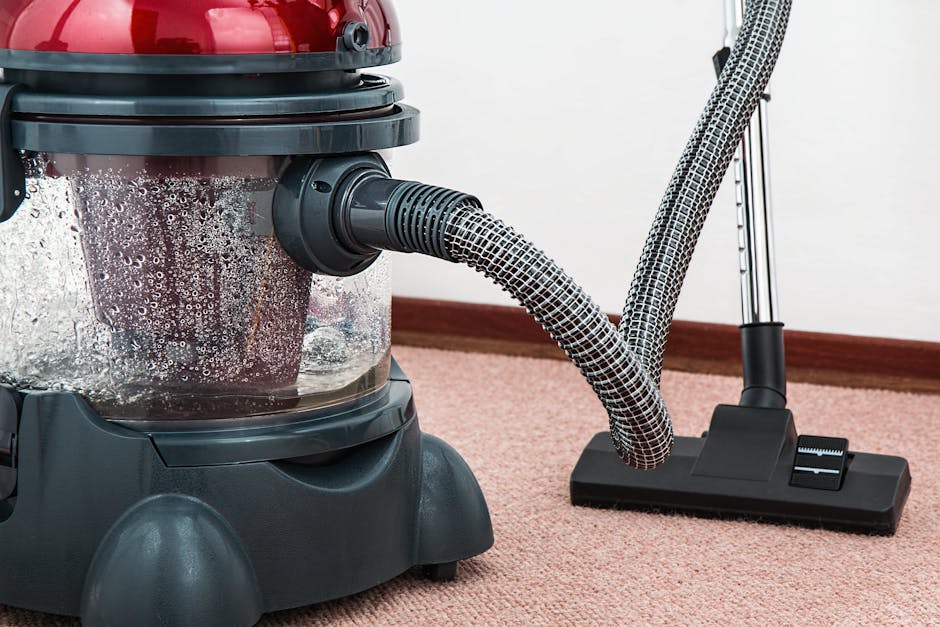
Do you know that keeping your electric tools clean can actually make them last longer? It's true!
When you invest in quality tools, you want them to work efficiently for as long as possible. But dust, grime, and residue can build up over time, causing your tools to lose their spark and efficiency. Imagine your tools always performing at their best, just like new.
You’ll discover simple, effective ways to clean your electric tools without hassle. These easy steps can save you money and time, helping you avoid unexpected breakdowns. So, why not give your tools the care they deserve? Keep reading to unlock the secrets of maintaining your electric tools, and ensure they’re always ready for your next project.
Safety Precautions
Cleaning electric tools requires careful attention to safety. Ensuring safety minimizes risks. It also prolongs the life of your tools. Always follow recommended guidelines. This ensures you remain safe during cleaning.
Personal Protective Equipment
Wear protective gear to prevent injuries. Gloves protect your hands from sharp edges. Safety goggles shield your eyes from debris. Consider a dust mask if there's dust. Proper footwear provides stability. It also prevents slips and falls. Ensure your clothing is not loose. This prevents it from getting caught in tools.
Tool Unplugging And Power Off
Always unplug tools before cleaning. This prevents accidental activation. Never clean a tool while it's on. Double-check the power switch. Ensure it's in the off position. Removing batteries is also wise. This is crucial for battery-operated tools. Ensure your workspace is dry. Wet surfaces can conduct electricity.
Basic Cleaning Supplies
Cleaning electric tools requires basic supplies. Use a soft cloth and mild detergent to wipe surfaces gently. Ensure tools are unplugged before cleaning.
Cleaning electric tools keeps them in good shape. It helps them last longer. You need the right supplies to clean them well. Choosing basic cleaning supplies is crucial. It makes the job easier and safer.
Essential Tools And Materials
Gather some basic tools. A soft brush is useful. It removes dust and small particles. A microfiber cloth is also essential. It wipes surfaces without scratching. Keep a toothbrush handy. It's good for small and hard-to-reach spots. Compressed air cans work well too. They blow out dust from tight spaces.
Choosing The Right Cleaning Agents
Pick the right cleaning agents. Mild soap is a safe choice. It cleans without harming the tool. Use rubbing alcohol for stubborn grime. It evaporates quickly. Avoid water-based solutions. They can damage electric parts. Always read labels on cleaning agents. Ensure they are safe for electronics.
Step-by-step Cleaning Process
Cleaning electric tools is essential for maintaining their performance. A step-by-step process ensures thorough cleaning and extends the tool's life. Understanding each part of the cleaning process helps keep tools in optimal condition. Follow these steps to clean your electric tools efficiently.
Disassembling The Tool
Start by unplugging the tool from any power source. Carefully disassemble the tool following the manufacturer's instructions. Remove detachable parts like blades, guards, or batteries. Keep screws and small parts in a safe place. This prevents losing essential components during cleaning.
Dust And Debris Removal
Use a soft brush to remove dust from each part. A can of compressed air can blow away stubborn debris. Pay attention to vents, corners, and tight spaces. Ensure all dust and debris are cleared before proceeding.
Deep Cleaning Techniques
Wipe surfaces with a damp cloth. Use mild soap for persistent dirt. Avoid excessive moisture near electrical components. For grime, use a toothbrush with gentle strokes. Rinse cloth frequently to prevent spreading dirt.
Reassembling The Tool
Ensure all cleaned parts are dry before reassembling. Refer to the manufacturer's guide for correct assembly. Secure screws and parts tightly. Check connections and test the tool's functionality. Proper assembly ensures safe and efficient operation.
Special Care For Different Tools
Electric tools need proper care to function well. Cleaning them regularly extends their life. Different tools require specific cleaning methods. These methods ensure safety and efficiency. Each tool has unique components needing attention.
Power Drills
Power drills have many small parts. Start by unplugging the drill. Use a brush to remove dust from vents. Check the chuck for debris. Clean it with a soft cloth. Lubricate moving parts lightly. Avoid excess oil to prevent dirt buildup.
Electric Saws
Electric saws need careful handling. Unplug the saw before cleaning. Use a dry cloth for the blade. Check for resin buildup. Remove it gently with a scraper. Clean housing and vents with a brush. Ensure all parts are dry before storing.
Sanders And Grinders
Sanders and grinders collect dust quickly. Disconnect the tool from power. Use compressed air to blow out dust. Clean the pad or disc with a damp cloth. Inspect for wear and tear. Replace worn parts promptly. Store in a dry place to avoid rust.
Maintaining Longevity
Regular cleaning keeps electric tools working longer. Dust and debris can damage tools. Use a soft brush to remove dirt. Clean vents with compressed air. Wipe surfaces with a damp cloth. Ensure tools are unplugged before cleaning. This helps maintain efficiency and safety.
Maintaining the longevity of your electric tools not only saves money but also enhances performance. Proper care and maintenance can transform your tools from mere gadgets into reliable partners for years to come. Have you ever wondered why some tools seem to last forever while others quickly deteriorate? The secret often lies in regular maintenance and smart storage practices.
Regular Maintenance Tips
Regular maintenance is crucial for ensuring your electric tools remain in prime condition. Start by cleaning the exterior after each use. Use a soft cloth to wipe away dust and debris. Check the cords and plugs for any signs of wear or damage. Replace them immediately if you spot any fraying or exposed wires. This not only prolongs tool life but also ensures your safety. Lubricate moving parts where necessary. A small amount of machine oil can reduce friction and prevent wear. Make it a habit to inspect these parts periodically.
Storage Best Practices
Proper storage can significantly impact the lifespan of your electric tools. Ensure tools are stored in a dry and cool place. Moisture and extreme temperatures can damage electronic components. Use toolboxes or storage bins to keep your tools organized. This prevents them from being knocked around and reduces the risk of damage. Consider using silica gel packets in your storage areas. They help absorb moisture, keeping your tools dry and rust-free. Think about how your storage practices affect the longevity of your tools. Are you taking proactive steps to ensure they remain in top shape? By following these tips, you can extend the life of your electric tools and keep them running smoothly for many projects to come.
Troubleshooting Common Issues
Keeping electric tools clean prevents malfunctions. Dust and debris can affect performance. Use a soft brush or cloth to gently clean surfaces and vents. Avoid using water or harsh chemicals to prevent damage. Regular maintenance extends tool life and ensures safety during use.
When cleaning electric tools, issues might arise. Troubleshooting these problems is crucial for safety and efficiency. Identifying the root cause saves time and effort. Common issues include electrical and mechanical failures. Let's explore how to troubleshoot them.
Identifying Electrical Problems
Look for any signs of power loss. Check if the tool turns on. Inspect the power cord for visible damage. A frayed or broken cord can stop power flow. Examine the plug for bent or broken prongs. A damaged plug won't fit into outlets properly. Next, test the switch. If the switch feels loose, it may need replacing. Sometimes, dirt inside the switch prevents proper contact. Clean it carefully with a dry cloth. If the tool still won't start, check the motor. Listen for unusual sounds. A humming noise can indicate a motor issue. In such cases, professional help might be required. Attempting to fix it alone can be risky.
Handling Mechanical Failures
Mechanical issues often cause performance problems. Inspect moving parts for signs of wear. Loose screws or bolts can lead to malfunction. Tighten them using the appropriate tool. Ensure that all components are aligned. Misalignment can cause parts to jam. This affects the tool's efficiency. Lubricate moving parts to ensure smooth operation. Use a suitable lubricant to prevent rusting. Check for debris blocking any part of the tool. Dust and dirt can accumulate over time. This often results in reduced performance. Regular cleaning can prevent such blockages. Sometimes, parts may break or wear out. Replacement might be necessary. Consult the tool's manual for guidance.
Frequently Asked Questions
How Often Should I Clean Electric Tools?
Clean your electric tools after each use to ensure longevity and performance. Regular cleaning prevents dust and debris buildup, which can cause malfunctions. A quick wipe down and inspection will help maintain your tools. For best results, follow the manufacturer's guidelines on cleaning frequency and techniques.
What Materials Do I Need For Cleaning?
To clean electric tools, gather soft cloths, mild detergent, and brushes. Use compressed air for hard-to-reach areas. These materials effectively remove dirt without damaging your tools. Always ensure your tools are unplugged before cleaning. Avoid using harsh chemicals as they may affect the tool's components.
Can Moisture Damage Electric Tools During Cleaning?
Yes, moisture can damage electric tools if not handled properly. Always unplug tools before cleaning to avoid electrical hazards. Use minimal water and dry thoroughly to prevent rust or corrosion. Ensure that no water enters the internal components. Proper drying is crucial to maintaining your tools' functionality.
How Can I Prevent Rust On Electric Tools?
Prevent rust by keeping your electric tools dry and clean. After cleaning, dry them thoroughly to avoid moisture buildup. Store tools in a cool, dry place to minimize humidity exposure. Regular maintenance, including oiling metal parts, helps protect against rust and extends the lifespan of your tools.
Conclusion
Keeping electric tools clean is essential for safety and efficiency. Regular cleaning prevents damage and prolongs tool life. Always unplug tools before cleaning. Use brushes to remove dust and debris. For tough grime, use mild soap and water. Dry tools thoroughly after washing.
Store tools in a dry place. Follow manufacturer instructions for specific cleaning tips. Regular maintenance saves money and ensures tool reliability. Clean tools work better and last longer. Take care of your tools, and they will take care of you.
Happy cleaning!