Do your electric power tools look like they've seen better days? If so, you're not alone.
Many people overlook the importance of maintaining their tools, but keeping them clean is essential for their longevity and performance. Imagine being able to extend the life of your tools, saving you money and ensuring they're always ready to tackle your next project.
Sounds good, right? You might be wondering how to do this effectively without spending too much time or effort. That's exactly what we're going to explore. In this guide, you'll discover simple, step-by-step methods to clean your electric power tools. You'll learn why regular maintenance is crucial, and how a little care can go a long way. Stick around, and you'll be on your way to mastering the art of tool care, ensuring your investments are always in top-notch condition.
Safety Precautions
Ensure tools are unplugged before cleaning to prevent accidents. Use a soft cloth to wipe surfaces. Avoid water exposure to electrical parts.
Cleaning your electric power tools is essential for maintaining their performance and longevity. However, before diving into the cleaning process, it's crucial to prioritize safety precautions. Neglecting safety can lead to accidents or damage to your tools. By taking the right steps, you ensure not only your well-being but also the efficient operation of your tools. Let’s delve into some key safety measures you should keep in mind.
Personal Protective Equipment
Always wear personal protective equipment (PPE) when handling electric power tools. This includes safety goggles to shield your eyes from dust and debris. Gloves are also essential to protect your hands from sharp edges or unexpected electrical shocks. Have you ever noticed how small particles can get into your eyes while cleaning? Goggles prevent this and keep you safe from potential hazards. Additionally, consider wearing ear protection if you are using a tool that produces loud noise. It's surprising how many people overlook this simple step, only to suffer from hearing issues later on.
Tool Inspection
Before cleaning, inspect your power tools thoroughly. Look for any signs of damage such as frayed cords or loose parts. Ensure the tool is unplugged before starting your inspection. This step cannot be overstated—electric shocks are a real risk if you skip this. Check for dust accumulation or rust, which can affect the tool's performance. If you find any issues, address them immediately. Regular inspection helps you catch problems early, preventing costly repairs. Have you checked your tools lately? A quick inspection can save you from unexpected surprises and extend your tools' lifespan.
Cleaning Materials Needed
Electric power tools need a soft brush, compressed air, and mild detergent for effective cleaning. Ensure all electrical components are dry before use. Regular maintenance helps prolong tool life and ensures safety.
Cleaning your electric power tools is crucial for maintaining their performance and extending their lifespan. But before you dive into the cleaning process, you need the right materials. Having the correct supplies at hand ensures that you can clean effectively without causing damage. Let's delve into what you'll need to keep your tools in top shape.
Essential Supplies
To start, you'll need some basic cleaning materials. A soft cloth is a must-have for wiping down surfaces without scratching them. Compressed air is essential for getting dust and debris out of tight spaces. You'll also want a soft-bristle brush to gently scrub areas that a cloth can't reach. If you're wondering about safety, don't forget safety goggles and gloves. These protect you from any dust or debris that might fly into your eyes or irritate your skin. Safety should always be your priority when cleaning tools. Lastly, have a container of warm, soapy water ready. This is perfect for cleaning removable parts. But remember, never submerge the entire tool in water—it could ruin the electrical components.
Recommended Products
Choosing the right products can make your task much easier. Consider using multi-surface cleaners for those stubborn stains. These are designed to tackle grease and grime without damaging the tool's surface. For lubricating moving parts, a silicone-based lubricant is highly recommended. This helps keep your tools running smoothly without attracting dust like oil-based products might. Additionally, a microfiber cloth is an excellent investment. It picks up dust and moisture better than standard cloths, ensuring a streak-free finish. Have you ever thought about the environmental impact of the products you use? Opt for eco-friendly cleaning solutions. They not only protect the planet but also are usually gentler on your tools' surfaces. Using the right cleaning materials can make all the difference. What will you choose to enhance your tool maintenance routine?
Preparation Steps
Cleaning electric power tools is essential for their longevity and performance. Proper preparation ensures safety and efficiency during the cleaning process. This section outlines key steps to prepare before cleaning your electric power tools.
Disconnecting Power
Always disconnect tools from power sources before cleaning. This prevents accidental startup. Unplug tools if they're corded. Remove batteries from cordless tools. This simple step is crucial for your safety.
Setting Up Workspace
Choose a well-ventilated area for cleaning. Avoid confined spaces. Ensure the workspace is clean and organized. Lay out all necessary cleaning supplies. Use a sturdy table to support your tools. This setup helps you work efficiently and safely.
Keep tools and cleaning materials within reach. Avoid clutter for a smooth workflow. Bright lighting is important. It helps you see all parts of the tool clearly. Proper workspace setup makes the cleaning process smoother and more effective.
Cleaning Techniques
Electric power tools are essential for any DIY enthusiast or professional. Keeping them clean ensures optimal performance and longevity. Cleaning techniques vary depending on the tool's parts. Each component requires specific care to avoid damage and maintain efficiency.
Exterior Cleaning
Start by unplugging the tool for safety. Use a soft brush to remove loose dirt and debris from the surface. A damp cloth can wipe away grime effectively. Avoid using harsh chemicals that might damage plastic or metal parts. For stubborn dirt, a mild detergent solution works well. Ensure the exterior is completely dry before storing.
Internal Components
Cleaning internal parts requires caution. Remove any accessible covers or panels to expose the interior. Use compressed air to blow away dust from vents and small crevices. Be gentle to prevent damaging sensitive components. Check for any residue buildup on moving parts. A small brush helps to clean these areas carefully. Reassemble the tool after ensuring all parts are clean and dry.
Handling Specific Tools
Maintaining electric power tools involves regular cleaning to ensure longevity and safety. Use a soft cloth to remove dust and debris. Ensure tools are unplugged before cleaning. Keep vents clear to prevent overheating. Regular maintenance ensures efficient operation and extends the tool's lifespan.
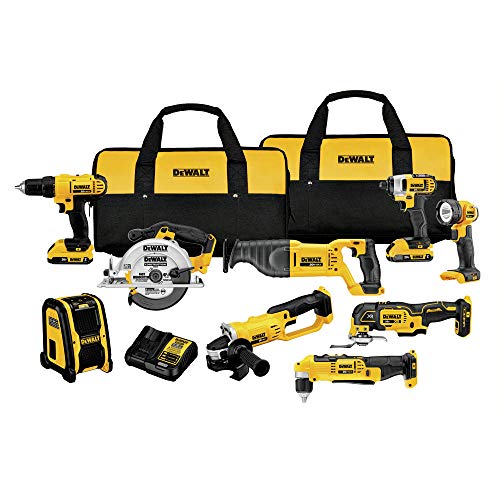
Cleaning electric power tools might seem daunting, but it's essential for their longevity and performance. Handling Specific Tools means understanding that each tool has unique needs and precautions. Let's dive into how you can keep your tools like drills, drivers, saws, and sanders in top shape.
Drills And Drivers
Drills and drivers are among the most used tools in any toolbox. To clean them, first remove any drill bits or attachments. Use a dry cloth to wipe away dust and debris from the surface. For the chuck area, where bits are held, use a soft brush to dislodge any stuck particles. Make sure to check the vents and clean them with a dry brush or canned air to prevent motor overheating. A personal tip: I once ignored cleaning the vents and my drill overheated during a crucial project. Avoid this by regular maintenance.
Saws And Sanders
Saws, whether circular or jigsaws, accumulate sawdust quickly. Begin by unplugging the tool and using a brush to clean off the surface. Pay special attention to the blade area. You can use a vacuum to remove sawdust from tight spaces. For sanders, remove the sanding belt or pad. Gently shake off the dust and use a vacuum or compressed air for thorough cleaning. Consider this: How often do you check the dust collection bag or box? Empty it after each use to maintain suction efficiency. Have you ever noticed your saw losing precision? It might be due to debris clogging the guides. Keep them clean to ensure straight cuts. By dedicating just a few minutes after each use, you can significantly extend the life of your power tools. Remember, regular cleaning is an investment in your tools' performance and your own efficiency.
Maintaining Clean Tools
Maintaining clean tools ensures they perform efficiently and last longer. Dirt and debris can affect the tool's function. A regular cleaning routine helps avoid issues. This guide provides effective cleaning and storage tips. Keep reading to learn how to maintain your electric power tools.
Regular Cleaning Schedule
Establish a regular cleaning schedule for your tools. After each use, inspect the tool for dust or debris. Use a soft brush to remove dirt from crevices. A damp cloth can wipe away surface grime. Let the tool dry completely before storing. Consistent cleaning prevents buildup and extends tool life.
Storage Tips
Proper storage is crucial for keeping tools clean. Store tools in a dry, cool place. Avoid damp areas that can cause rust or mold. Use protective covers or cases to shield tools from dust. Hang tools on a pegboard to keep them organized and accessible. Keeping tools organized helps maintain their condition.
Troubleshooting Common Issues
Keeping electric power tools clean helps maintain their efficiency and lifespan. Regularly wipe down surfaces with a damp cloth. Ensure all parts are dry before storing to prevent rust.
Cleaning electric power tools is essential for maintaining their efficiency and longevity. However, even after cleaning, you may face some common issues that can hinder the performance of your tools. Understanding these problems and knowing how to troubleshoot them can save you time and frustration. Let's dive into some specific issues you might encounter after cleaning, and how to address them effectively.
Persistent Dirt
Sometimes, no matter how thorough you are, dirt seems to cling stubbornly to your tools. This can be particularly frustrating when you expect a sparkling finish. To tackle this, try using a soft brush to gently dislodge stubborn grime from crevices. A toothbrush can work wonders for reaching those tight spaces. Consider using compressed air to blow away dust and debris from intricate parts. It's a quick and effective solution that often yields surprising results. Have you checked the manufacturer's instructions? They often contain specific advice for cleaning tough spots, tailored to your tool's design.
Performance Problems
You might notice your tool isn't performing as well after a clean. Perhaps it seems sluggish or fails to operate at full power. This issue often stems from residual moisture or cleaning agents affecting the tool's components. Ensure all parts are dry before reassembling. Moisture can lead to rust or short circuits, both of which can impact performance. If you used a cleaning solution, be sure it hasn't left a residue. Residues can attract dirt and interfere with electrical connections. Sometimes, a simple reset can solve the problem. Unplug your tool, wait a few minutes, and try again. This can refresh the internal systems, allowing them to function properly. Troubleshooting is part of the learning curve. Have you encountered any unexpected issues with your tools? What strategies did you use to solve them? Your experiences can be invaluable to others facing similar challenges.
Frequently Asked Questions
How Often Should I Clean Electric Power Tools?
You should clean electric power tools after every use to ensure longevity. Regular maintenance prevents dust accumulation and keeps them functioning efficiently. Always follow the manufacturer's cleaning recommendations. This habit will also help in identifying any wear and tear early.
What Tools Are Needed For Cleaning?
For cleaning, you need a soft brush, a cloth, and mild detergent. A small vacuum can help remove dust from tight spaces. Ensure all tools are non-abrasive to avoid damaging surfaces. Always unplug the tool before cleaning to ensure safety.
Can I Use Water To Clean Electric Power Tools?
Avoid using water directly on electric power tools. Instead, use a damp cloth to wipe surfaces. Water can damage electrical components and cause short circuits. If necessary, use a non-water-based cleaner for tough grime. Always ensure the tool is completely dry before reusing.
How To Clean Rust From Power Tools?
To clean rust, use a rust remover or white vinegar. Apply with a cloth and scrub gently. For stubborn rust, a wire brush can be effective. Rinse with a damp cloth and dry thoroughly. Regular cleaning prevents rust formation and extends the tool's life.
Conclusion
Cleaning electric power tools is simple with the right steps. Follow safety guidelines to protect yourself. Use recommended cleaning products for best results. Regular maintenance extends tool life. Avoid using water on electric parts. Dry tools completely before storing. Keep tools in a dry, safe place.
Check for damage during cleaning. Clean tools after every use for optimal performance. Remember, a clean tool is a happy tool. Enjoy using your well-maintained power tools!