Have you ever plugged in an electrical tool only to have it start buzzing or whirring without even flipping a switch? It’s a jarring experience, leaving you puzzled and maybe even a little anxious.
You start questioning the safety of your tools, your home’s wiring, and what unexpected surprises might be lurking in your toolbox. This mysterious behavior isn't just an odd quirk; it can signal underlying issues that need your attention. Understanding why this happens is key to ensuring your safety and the longevity of your tools.
Stay with us as we unravel this electrical enigma, providing insights and solutions that will empower you to tackle this issue head-on. Your tools should work for you, not against you, and by the end of this article, you'll know exactly how to keep them in check.
Common Electrical Tool Issues
Electrical tools are essential for many DIY enthusiasts and professionals. However, they can sometimes surprise you by starting up just by plugging them in. Understanding the common issues that lead to this can help you prevent accidents and ensure your tools work safely and efficiently.
Faulty Switch Mechanisms
Have you ever plugged in your drill and found it roaring to life instantly? This can be due to a faulty switch mechanism. These switches are designed to control the flow of electricity to the motor. If they malfunction, the tool may start without warning.
Imagine being in your workshop, feeling the sudden jolt of a tool starting unexpectedly. It's not only startling but potentially dangerous. Checking the switch for wear or damage can save you from these surprises. Regular maintenance can prevent such issues.
Internal Short Circuits
Short circuits within your tool can also cause it to start unexpectedly. These occur when wires inside the tool touch each other or other components, creating an unintended electrical path. This can bypass the switch and activate the tool as soon as it's plugged in.
Consider your old electric saw that's been sitting in the corner of your garage. If it's starting by itself, an internal short circuit might be the culprit. Inspecting your tools for exposed wires or burnt components can help you identify and fix these problems.
Have you ever wondered why some tools are more prone to these issues? It could be due to frequent use or improper storage. Always store tools in a dry, safe place and avoid yanking cords which can stress the internal wiring.
Next time you plug in a tool, ask yourself: is it ready for use, or could it be holding an unwelcome surprise? Regular checks and maintenance ensure your safety and prolong the life of your tools. Don't wait for a shock to remind you!
Power Supply Problems
Electrical tools sometimes start unexpectedly just by plugging them in. Power supply issues often cause this phenomenon. Understanding these can help prevent unexpected tool activation. This section explores key aspects of power supply problems. Voltage irregularities and surge effects are common culprits.
Voltage Irregularities
Voltage levels can fluctuate unexpectedly. These irregularities impact tool operation. A tool might start due to a sudden voltage spike. Power lines often experience such fluctuations. They can lead to unintended tool activation. Consistent voltage is essential for safe tool use.
Surge Effects
Power surges occur in electrical systems. They bring excess voltage into circuits. Surges can trigger tools to start without warning. Lightning strikes or faulty wiring cause surges. Protecting tools from surges is vital. Surge protectors help safeguard your tools effectively.
Tool Design Flaws
Electrical tools are incredibly useful, yet sometimes, they might surprise you by starting just by plugging them in. These unexpected startups often stem from design flaws inherent to the tool. Understanding these flaws can not only save you from potential hazards but also empower you to make better purchase decisions. Let's delve into the common design flaws that might be causing your tools to misbehave.
Inadequate Insulation
One major culprit of automatic tool startup is inadequate insulation. Picture this: you plug in your tool, and it roars to life unexpectedly. This can happen if the internal wiring lacks proper insulation. When wires are not well-insulated, electrical currents can flow unchecked, leading to the tool operating without manual activation.
Think about checking the tool's specifications before buying. Ensure the insulation quality is high to prevent such issues. Have you ever experienced a tool starting up unexpectedly? It might be time to inspect its insulation.
Defective Components
Defective components can also cause tools to start upon plugging in. Imagine a switch that doesn't function correctly. If a tool's switch is stuck or faulty, it might not control the power flow as intended, causing the tool to start automatically.
Consider inspecting the components regularly, especially if your tool behaves erratically. Are the switches working smoothly? A small defect can lead to significant risks. Regular maintenance checks can ensure your tool functions safely and as expected.
These design flaws underscore the importance of quality checks and regular inspections. By being proactive, you can avoid surprises and ensure your tools serve you reliably. Are you ready to take a closer look at your electrical tools?
User Error And Misuse
Electrical tools might start unexpectedly due to incorrect settings or faulty switches. Sometimes, misusing the tool can bypass safety features. Regular checks and proper handling help avoid these issues.
When an electrical tool starts running the moment it's plugged in, it's more than just a head-scratcher. Often, the culprit is user error or misuse. These are common pitfalls that many of us encounter without even realizing it. Understanding these can save you from unnecessary frustration and even potential danger. Imagine the panic when your power drill buzzes to life unexpectedly. Could it be something you overlooked? Let's explore some frequent blunders to avoid.
Improper Handling
Handling tools carelessly can lead to unexpected surprises. Have you ever grabbed a tool with a finger on the trigger? This small oversight can cause it to activate once powered. Handling a tool as if it’s a ticking bomb might sound extreme, but this approach emphasizes caution. Always check the position of switches and triggers before plugging in. Are your tools stored properly? A cluttered workspace can result in accidental activations. Ensuring your tools are stowed securely can prevent them from being jostled into the 'on' position.
Incorrect Installation
Incorrect installation of parts can also cause unexpected tool activation. Imagine assembling a new tool, eager to see it in action, only to have it start without warning. Have you followed the manual step-by-step? Skipping steps or misinterpreting instructions can lead to mishaps. Ensure every component is where it should be. Are you using compatible accessories? Incorrect attachments can interfere with the tool's operation. Always double-check that your parts match the model specifications. By being mindful of these common mistakes, you not only extend the life of your tools but also ensure a safer environment for yourself and those around you.
Impact Of Environment
The environment plays a crucial role in the functioning of electrical tools. Various environmental factors can cause tools to start unexpectedly. Understanding these factors helps in preventing accidents and prolonging tool life.
Moisture And Humidity
Moisture can seep into electrical components. This causes short circuits. Tools stored in damp areas are at risk. Humidity also affects electrical tools. High humidity can lead to corrosion. Corroded parts may malfunction. Ensure tools are kept dry. Use dehumidifiers in storage areas.
Dust And Debris Accumulation
Dust can accumulate in tool vents. This can block airflow. Blocked airflow causes overheating. Overheated tools may start on their own. Debris can also enter tool switches. This might lead to unintended starts. Regular cleaning is important. Use compressed air for dust removal.
Preventive Measures
Preventing your electrical tools from starting just by plugging them in is crucial for safety and efficiency. Imagine the surprise and potential danger when a tool springs to life unexpectedly. By following simple preventive measures, you can ensure your tools work only when you want them to. Let's dive into how regular maintenance and proper storage can keep your tools in check.
Regular Maintenance
Regular maintenance is your first line of defense against unexpected tool activation. Check your tools periodically for any signs of wear or damage. A frayed wire or a loose switch can lead to unplanned startups.
Keep your tools clean. Dust and debris can interfere with electrical connections, causing malfunction. Use a soft brush or compressed air to clear out any buildup.
Test your tools before use. Plug them in and observe for any unusual behavior. This habit can catch issues before they become hazardous. Do you schedule regular check-ups for your tools?
Proper Storage
How you store your tools can greatly impact their longevity and safety. Ensure that your tools are stored in a dry, dust-free environment. Moisture can damage electrical components, leading to accidental startups.
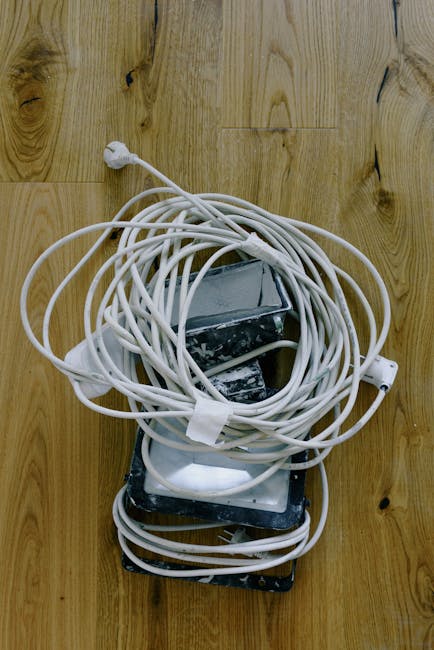
Keep tools organized. Tangled cords can lead to accidental plugging or tripping hazards. Use cable ties or holders to keep cords neat and separated.
Store tools in a safe position. Avoid placing heavy items on top of them. Pressure can damage sensitive parts, leading to unexpected activations. Have you checked your storage area lately?
By maintaining and storing your tools properly, you can prevent them from turning on by themselves. This not only ensures safety but also prolongs the life of your equipment. Small steps can make a big difference in your daily routines and peace of mind.
When To Seek Professional Help
Electrical tools that start unexpectedly just by plugging them in can be unnerving. You might wonder if there’s something seriously wrong with the tool or the wiring in your home. While some issues can be resolved with a bit of troubleshooting, others require the expertise of a professional. Knowing when to seek professional help can save time, avoid accidents, and prevent further damage to your tools or electrical systems.
Signs Of Serious Issues
Have you noticed that your tool starts on its own even after you’ve switched it off? This can indicate a faulty switch or internal wiring problem. If the tool also emits a burning smell or unusual noises, it’s time to be cautious.
Another sign is frequent tripping of circuit breakers when the tool is plugged in. This indicates excessive power draw or a short circuit. Consider the risk of electric shock or fire hazards in such cases.
Finally, if the tool vibrates excessively or heats up quickly, it may be malfunctioning. These symptoms are often beyond what a DIY fix can handle. Prioritizing safety is paramount.
Choosing A Qualified Technician
When faced with these serious issues, selecting the right technician is essential. Look for professionals with certifications and good reviews. Ask friends or family for recommendations based on their experiences.
Ensure the technician is familiar with the specific tool type. Specialized knowledge can make all the difference. You wouldn’t want someone who usually fixes blenders to work on your power drill.
Lastly, inquire about service guarantees. Will they offer free follow-ups if the problem persists? Peace of mind comes from knowing you’re covered. Would you trust someone who stands by their work?
Recognizing the signs and choosing the right help can prevent further problems and ensure your tools are safe to use. Prioritize getting help when needed to avoid unnecessary risks and enjoy peace of mind.
Frequently Asked Questions
Why Does An Electrical Tool Start Automatically?
An electrical tool may start automatically due to a faulty switch or wiring. It can also happen if there's a short circuit. Ensuring the tool's switch is off before plugging in can prevent this. Regular maintenance and inspection of electrical tools can help identify and fix such issues.
Can A Power Surge Cause Tool Activation?
Yes, a power surge can cause an electrical tool to activate unexpectedly. Surges can create temporary malfunctions in tool circuits. Using surge protectors and ensuring proper grounding can minimize this risk. Regularly checking your electrical connections can also help prevent such occurrences.
How To Prevent Tools From Starting Unexpectedly?
To prevent tools from starting unexpectedly, always ensure the switch is off before plugging in. Regularly inspect and maintain the tool for any wiring issues. Consider using a power strip with an on/off switch. This adds an extra layer of control and safety.
Are Faulty Switches Common In Electrical Tools?
Faulty switches are a common issue in electrical tools. Over time, wear and tear can lead to switch malfunctions. Regularly testing and replacing worn-out switches can prevent unexpected tool activation. Always consult a professional for repairs to ensure safety and reliability.
Conclusion
Understanding why electrical tools start automatically helps keep your workspace safe. Faulty wiring or switch issues often cause these surprises. Regular inspections prevent unwanted tool activation. Check for damaged cords and ensure switches work properly. Replace faulty parts promptly to avoid accidents.
Awareness of these factors enhances tool safety. Simple maintenance routines can prevent unexpected starts. Safe practices protect you and your equipment. Stay vigilant and prioritize regular checks. Your safety and tool performance depend on it. Always remember, a little caution goes a long way in ensuring a safe work environment.