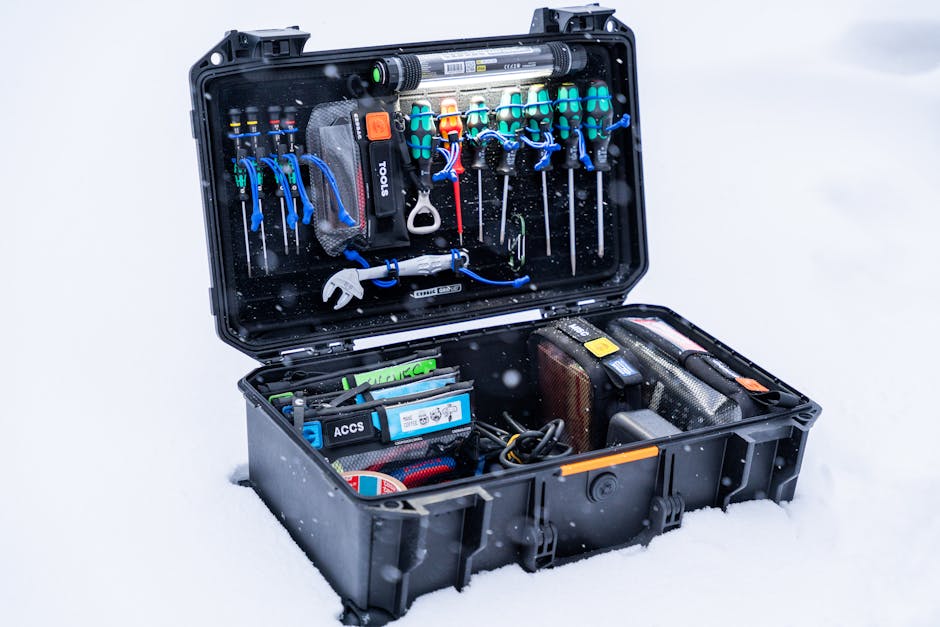
Have you ever found yourself frustrated because a tool broke down right when you needed it the most? If so, you’re not alone.
We often rely on tools to get the job done, whether it’s in the garden, kitchen, or garage. But when was the last time you thought about maintaining those tools? Tool maintenance might not be the most exciting topic, but it can save you time, money, and stress.
Imagine always having reliable tools at your fingertips, ready to perform at their best whenever you need them. You’ll discover why maintaining your tools is crucial and how it can transform your daily tasks. Keep reading to learn the secrets to hassle-free tool care and ensure you never face unexpected breakdowns again.
Importance Of Tool Maintenance
Tool maintenance is crucial for any business or individual using tools regularly. Proper care ensures tools remain safe and effective. Neglecting maintenance can lead to breakdowns, accidents, and higher costs. Regular upkeep extends the life of tools, saving money in the long run. It also ensures that tools perform efficiently, boosting productivity. Let's dive deeper into the key reasons why tool maintenance is essential.
Ensuring Safety
Properly maintained tools reduce accident risks. Faulty tools can cause injuries. Regular checks identify potential hazards early. This ensures a safer working environment. Workers can perform tasks confidently. Safety should always be a top priority.
Improving Performance
Well-maintained tools work more effectively. They deliver consistent results every time. Dirt and rust can impair tool function. Regular cleaning and lubrication prevent this. Optimal performance means tasks get done faster. Efficiency improves, benefitting everyone involved.
Extending Tool Lifespan
Maintained tools last longer than neglected ones. Regular care prevents wear and tear. This reduces the need for frequent replacements. Investing in maintenance saves money over time. It ensures tools remain reliable for years.
Cost Efficiency
Maintenance reduces unexpected repair costs. It prevents costly breakdowns. Regular inspections catch issues early. This avoids expensive replacements. A small investment in maintenance saves large future expenses. Cost efficiency is crucial for budget management.
Boosting Productivity
Functional tools enhance productivity. Less downtime means more work gets done. Workers can rely on their tools. This boosts morale and efficiency. Proper maintenance supports smooth operations. Productivity rises, leading to better business outcomes.
Types Of Tools
Tool maintenance is crucial for efficiency and safety. Different tools require distinct care methods. Understanding the types of tools helps in maintaining them effectively. Tools generally fall into three categories: hand tools, power tools, and precision tools.
Hand Tools
Hand tools are manually operated. They include hammers, screwdrivers, and wrenches. Proper maintenance involves regular cleaning. Check for rust and damage. Store them in a dry place. Ensure handles are not loose. Sharp edges should be sharpened regularly.
Power Tools
Power tools need electricity or battery power. Examples are drills and saws. Maintenance includes checking cords and batteries. Clean dust from vents and fans. Lubricate moving parts to avoid wear. Inspect for frayed wires and replace them promptly.
Precision Tools
Precision tools measure accurately. Calipers and micrometers are common types. They require careful handling and storage. Regular calibration is essential for accuracy. Keep them away from magnetic fields. Store in padded cases to prevent damage.
Common Maintenance Practices
Tool maintenance is crucial for ensuring tools last longer and work efficiently. Regular cleaning and proper storage prevent damage. Checking for wear and tear helps maintain performance and safety.
Maintaining tools is like taking care of your car. You wouldn't drive it for years without an oil change, right? The same principle applies to your tools. Regular maintenance ensures they perform optimally and last longer. But what exactly are the common maintenance practices that keep tools in top shape? Let's dive into the essential steps you can take to care for your equipment.
Cleaning And Lubrication
Cleaning your tools is the first step in any maintenance routine. Dust, dirt, and debris can accumulate over time, affecting performance. Wipe down your tools after each use with a clean cloth. For stubborn grime, a little soapy water can do wonders. Lubrication is equally important. It prevents rust and ensures smooth operation. Apply a light coat of oil on moving parts. This small step can significantly extend the life of your tools. Do you remember the last time you oiled your garden shears? If not, it might be time for a tune-up.
Inspection And Repairs
Regular inspections help you catch problems before they escalate. Check for any signs of wear and tear, such as cracks or loose screws. It’s easier to fix a small issue than to deal with a major breakdown. If you notice any damage, address it immediately. Tighten loose parts, replace broken ones, and sharpen blades if necessary. Think of it as giving your tools a quick health check-up. This proactive approach can save you time and money down the line.
Calibration And Testing
Calibration ensures your tools are accurate and reliable. This is crucial for precision instruments like torque wrenches and measuring tapes. Miscalibrated tools can lead to faulty work, which is something you definitely want to avoid. Testing your tools after calibration confirms they are working correctly. This step not only assures quality but also boosts your confidence in using them. Imagine using a miscalibrated level for your new shelf. The result? A crooked display of your favorite books. Testing prevents such mishaps and ensures your projects are always on point. By incorporating these maintenance practices into your routine, you’ll keep your tools in excellent condition. What's your go-to maintenance tip? Share it in the comments!
Benefits Of Regular Maintenance
Tool maintenance keeps equipment working smoothly and extends lifespan. Regular checks prevent costly repairs and ensure safety. Tools function better with consistent upkeep, boosting productivity and efficiency.
Maintaining tools regularly can seem like a chore, but the benefits are undeniable. Regular maintenance not only ensures your tools perform at their best but also saves you time and money in the long run. Imagine working on a project and having your tools fail; frustrating, right? Let's dive into why regular maintenance is key to keeping your tools in top shape.
Enhanced Performance
When tools are well-maintained, they operate smoothly and efficiently. A sharp blade cuts cleaner and faster, while a well-oiled machine runs quietly and effectively. Think of it like driving a car with a full tank of gas and freshly changed oil. Your tools are more reliable, making your tasks easier and more enjoyable. Regular maintenance also helps identify issues early. Spotting a loose screw or a worn-out part can prevent bigger problems down the line. It's like catching a cold before it turns into a full-blown flu—addressing issues early ensures your tools perform optimally.
Extended Tool Lifespan
Regular maintenance is like giving your tools a new lease on life. By taking care of them, you significantly extend their lifespan. Instead of replacing tools every few years, you can use them for decades. This saves you money and reduces waste, benefiting both your wallet and the environment. Consider how maintaining your lawn mower yearly prevents rust and engine problems. This simple act keeps it running for years beyond its expected life. Regular care transforms your tools from disposable to durable, serving you well over time.
Safety Improvements
Safety is a crucial aspect of tool maintenance. A well-maintained tool is a safe tool. Imagine cutting wood with a dull saw blade; not only is it inefficient, but it increases the risk of accidents. Regular sharpening and inspections keep your tools safe to use. Check cords and handles for wear and tear to prevent mishaps. A frayed cable can lead to electrical hazards, while a cracked handle might cause injury. By ensuring your tools are in good condition, you protect yourself and those around you. So, how often do you check your tools? Regular maintenance transforms them from mere objects to trusted partners. Keep them in shape and reap the benefits of enhanced performance, extended lifespan, and improved safety.
Challenges In Tool Maintenance
Tool maintenance involves keeping tools in good working condition to extend their lifespan and ensure safety. Challenges arise from wear and tear, improper use, and environmental factors. Regular inspections and timely repairs are essential to manage these issues effectively.
Tool maintenance is essential for keeping your equipment running smoothly and efficiently. However, maintaining these tools can present several challenges. Whether it's a lack of resources, expertise, or time, these hurdles can disrupt your workflow and increase costs. Understanding these challenges can help you tackle them head-on.
Resource Constraints
Limited resources often top the list of tool maintenance challenges. You might find yourself without the necessary parts or equipment. This can lead to delays and increased downtime. Imagine needing a specific part that’s out of stock or beyond your budget. These constraints force you to prioritize which tools get maintained, potentially leaving others to falter. How do you decide where to allocate scarce resources?
Lack Of Expertise
Not everyone is a maintenance expert, and that’s okay. However, a lack of knowledge can lead to improper repairs or missed maintenance schedules. This can shorten the lifespan of your tools. Have you ever tried fixing something only to realize you made it worse? Bringing in specialists can be costly, but sometimes necessary to ensure proper maintenance. Seeking training or consulting experts might be a worthwhile investment.
Time Management
Time is often the biggest obstacle in tool maintenance. With so many tasks on your plate, maintaining tools can get pushed to the bottom of the list. This leads to rushed jobs or neglected maintenance, resulting in breakdowns. Have you ever skipped a maintenance task because you were too busy, only to regret it later? Efficient time management is crucial. Consider setting a dedicated schedule for maintenance tasks to prevent this oversight. Addressing these challenges requires a strategic approach. Evaluate your resources, seek expertise when needed, and manage your time effectively. Doing so will ensure your tools remain in top condition, supporting your productivity and success.
Modern Maintenance Techniques
Tool maintenance ensures that tools work efficiently and last longer. Regular checks prevent unexpected breakdowns and costly repairs. Keeping tools clean and well-lubricated is essential for optimal performance.
Modern maintenance techniques have evolved significantly, ensuring tools and equipment are not only kept in optimal condition but also extend their lifespan. Gone are the days when maintenance was purely reactive. Today, with the integration of technology and data-driven strategies, you can maintain your tools more efficiently and predict potential issues before they arise. This shift not only saves time and money but also boosts productivity. Let's dive into some of these contemporary techniques.
Predictive Maintenance
Predictive maintenance is about anticipating problems before they happen. Rather than waiting for a tool to break down, you monitor its condition and performance continuously. Sensors and data analytics play a key role here. By analyzing data, you can predict when a component might fail and schedule maintenance accordingly. Imagine having a machine that tells you when it needs attention. This proactive approach minimizes downtime and prevents costly repairs. It’s like having a crystal ball for your equipment, keeping everything running smoothly.
Use Of Technology
Technology is the backbone of modern maintenance. From IoT devices to sophisticated software, it helps you keep track of the health of your tools. Using mobile apps, you can easily access maintenance logs, schedules, and alerts. This ensures you are always in the loop, even if you're away from the site. Consider using cloud-based platforms that store data and provide real-time insights. These tools help in making informed decisions and optimizing maintenance processes. You can set reminders for regular check-ups and get notifications on potential issues, ensuring nothing slips through the cracks.
Automation In Maintenance
Automation is transforming the way maintenance is conducted. Automated systems can perform routine checks and even execute minor repairs without human intervention. This reduces human error and frees up time for more complex tasks. Think of automated maintenance like a self-driving car for your tools. It takes over mundane tasks, allowing you to focus on strategic planning and improving operational efficiency. Automation not only enhances precision but also ensures maintenance is done consistently and timely. As you explore modern maintenance techniques, consider how they can be applied to your daily operations. What changes can you implement today to keep your tools in top shape tomorrow? Embracing these strategies can revolutionize how you approach tool maintenance, offering peace of mind and boosting your bottom line.
Tips For Effective Maintenance
Tool maintenance ensures tools work well and last longer. Regular checks prevent breakdowns and improve safety. Clean tools after use to keep them in top condition.
Maintaining your tools is crucial for ensuring they perform at their best and have a long lifespan. But how can you make sure your maintenance routine is effective? Here are some tips that can make a significant difference in keeping your tools in top-notch condition. You might even find that a little care goes a long way, not just in your tools' performance but also in saving you time and money.
Establish A Routine
Creating a maintenance schedule is like setting a reminder for your tools' wellness check. Decide on regular intervals for checking, cleaning, and lubricating your tools. This could be weekly, monthly, or after a certain number of hours of use, depending on the tool's nature. Consistency is key. Just like brushing your teeth daily prevents cavities, regular maintenance prevents tool breakdowns. A simple routine can prevent minor issues from becoming costly repairs.
Training And Skill Development
Are you and your team equipped with the right knowledge to maintain your tools properly? Investing time in training can make a huge difference in maintenance effectiveness. Consider workshops or online courses that focus on your specific tools. Understanding the intricacies of your equipment means fewer errors. When you know how to spot early signs of wear and tear, you can address problems before they escalate. Plus, skilled users make fewer mistakes, prolonging the life of your tools.
Record Keeping And Tracking
Documentation might not sound exciting, but it's a game-changer for tool maintenance. Keep a log of all maintenance activities, including dates, procedures, and any replacement parts used. This record helps track patterns and identify recurring issues. Think of it as your tool's health journal. When a problem arises, you can quickly look back and see if it's a new issue or a recurring one. This not only saves time but also helps in making informed decisions about repairs or replacements. Effective maintenance doesn't have to be a daunting task. With a routine, proper training, and meticulous record-keeping, you can ensure your tools remain reliable and efficient. What steps will you take to improve your tool maintenance strategy today?
Frequently Asked Questions
What Is Tool Maintenance?
Tool maintenance involves regular inspection, cleaning, and repair of tools. This ensures optimal performance and extends their lifespan. Proper maintenance prevents breakdowns and costly replacements. It includes tasks like sharpening, lubrication, and calibration. Regular maintenance is crucial for safety and efficiency in any work environment.
Why Is Tool Maintenance Important?
Tool maintenance is vital for ensuring safety and efficiency. Properly maintained tools reduce the risk of accidents and costly downtime. Regular maintenance also enhances tool performance and longevity. This leads to better work quality and cost savings. Neglecting maintenance can result in tool failure and increased expenses.
How Often Should Tools Be Maintained?
The frequency of tool maintenance depends on usage and tool type. Regular checks should be done weekly for heavily used tools. Less frequently used tools can be inspected monthly. Always follow the manufacturer's recommendations for specific maintenance intervals. Consistent maintenance prevents unexpected failures and ensures optimal tool performance.
What Are Common Tool Maintenance Tasks?
Common tool maintenance tasks include cleaning, lubrication, and inspection. Cleaning removes dirt and debris that can cause wear. Lubrication ensures smooth operation and reduces friction. Regular inspections help identify potential issues early. Other tasks include sharpening blades and checking for loose parts, which ensure safety and efficiency.
Conclusion
Tool maintenance keeps equipment working efficiently. Regular checks prevent costly breakdowns. Simple tasks, like cleaning and oiling, extend tool life. A maintenance schedule saves time and money. It ensures tools are always ready. Invest a little time now for fewer hassles later.
Safety improves with well-maintained tools. Workers perform better with reliable equipment. Happy tools, happy workplace. Understanding tool maintenance boosts productivity. It builds a foundation for smooth operations. So, take care of your tools. They take care of you.