Imagine having the power to foresee potential breakdowns and extend the lifespan of your machinery without breaking a sweat. As a preventive maintenance engineer, you hold the key to ensuring that operations run smoothly and efficiently.
But what if there was a quality tool that could enhance your capability to predict issues before they arise, saving you time, stress, and money? This tool isn’t just a luxury—it’s an essential ally in your maintenance strategy. By understanding and utilizing this powerful resource, you could transform your routine checks into a proactive powerhouse, safeguarding your equipment and boosting productivity.
Curious to discover how this tool can revolutionize your maintenance approach? Let’s dive deeper to unlock its full potential.
Importance Of Preventive Maintenance
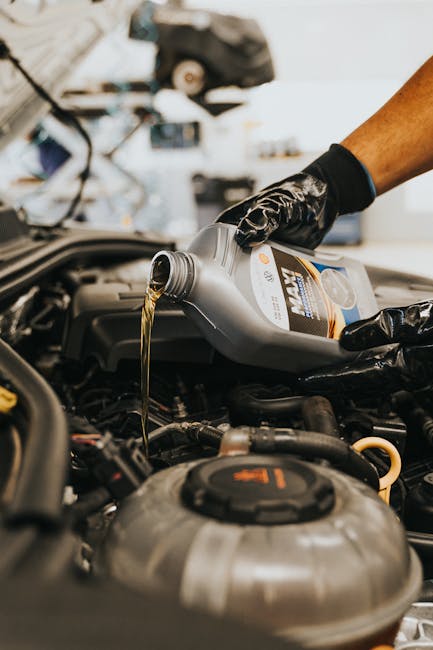
Preventive maintenance is a critical component of ensuring the longevity and efficiency of equipment. It involves regular check-ups and servicing of machinery to prevent unexpected breakdowns. This proactive approach not only saves time but also reduces the risk of costly repairs.
Benefits Of Regular Maintenance
Regular maintenance acts as a shield against unforeseen equipment failures. It allows you to identify potential issues early on, ensuring they are addressed before they escalate. This means fewer interruptions in your operations and more consistent productivity.
When I was working as an engineer, I witnessed how regular maintenance saved a company from a major production halt. A simple check-up revealed a minor issue with a conveyor belt that, if left unnoticed, could have led to a complete shutdown. This example shows the power of preventive maintenance in keeping operations smooth.
Reducing Downtime
Downtime can be a nightmare for any business. It leads to lost productivity, missed deadlines, and unhappy customers. By implementing preventive maintenance, you can significantly reduce the chances of unexpected downtime.
Imagine having a crucial piece of equipment fail in the middle of a busy production day. The stress and cost of fixing it on short notice can be overwhelming. Regular maintenance minimizes these risks, providing peace of mind and a more predictable workflow.
Cost-effective Strategies
Preventive maintenance is not just about spending money on regular check-ups. It's about saving money in the long run. By investing in routine maintenance, you avoid the hefty costs associated with emergency repairs.
Consider the expenses involved in replacing an entire machine due to neglect, compared to the cost of regular servicing. The latter is far more manageable and financially sound. How much could you save by preventing a major breakdown?
Incorporating preventive maintenance into your routine might require an initial investment, but the return is worth it. It ensures your operations run smoothly and keeps your budget intact. So, what's stopping you from making preventive maintenance a priority?
Quality Tools For Maintenance
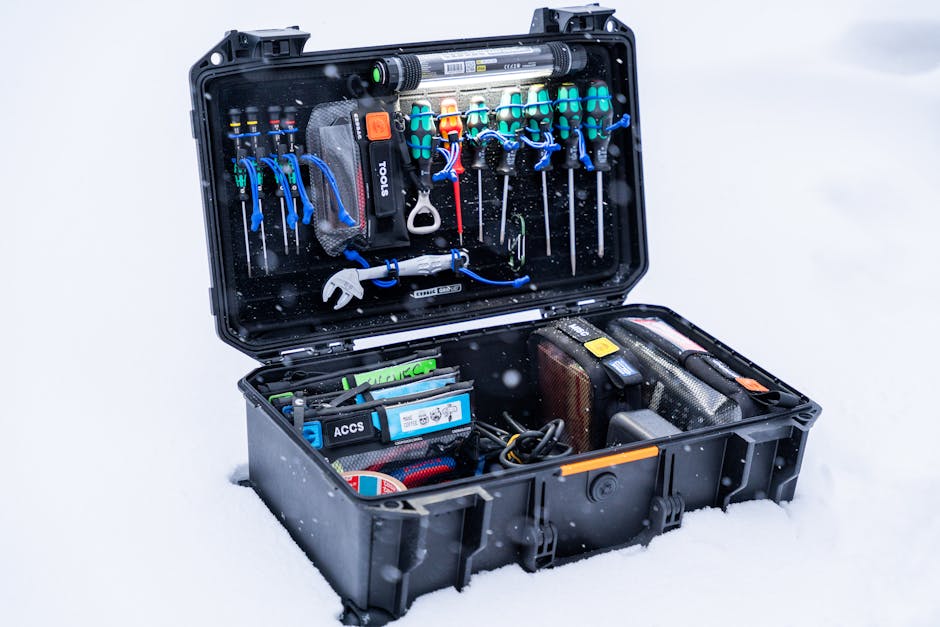
Quality tools play a critical role in maintenance tasks. They help ensure the smooth functioning of equipment. Preventive maintenance engineers rely on these tools. They identify potential issues before they become major problems. This proactive approach minimizes downtime. It also extends the life of machinery. Proper tool use can enhance operational efficiency. It can reduce costs significantly. Engineers must understand the types of tools available. Selecting the right tools is equally important.
Types Of Tools
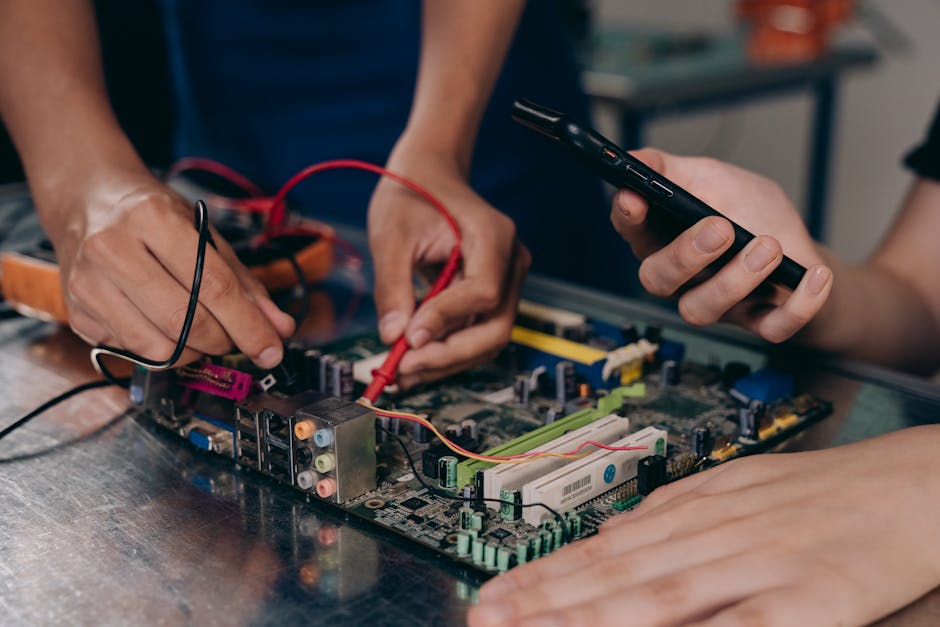
Various tools aid preventive maintenance. Diagnostic tools are one example. They help detect faults in machines. Vibration analyzers assess machine health. Thermal imaging cameras find overheating parts. Calibration tools ensure precise measurements. Condition monitoring tools track equipment performance. Each tool serves a specific function. Choosing the right type is crucial for effective maintenance.
Tool Selection Criteria
Selecting the right tool involves several factors. Consider the specific needs of the equipment. The complexity of the machinery matters. Cost is also a key factor. Some tools are expensive but necessary. Ease of use is important too. Engineers should easily operate the tools. Durability is another criterion. Tools should withstand regular use. The chosen tools should align with the maintenance goals.
Improving Precision And Efficiency
Quality tools enhance precision in maintenance tasks. Accurate measurements lead to better decisions. This reduces errors in repairs. Efficient tools save time. They streamline maintenance processes. This allows engineers to complete tasks quicker. Enhanced efficiency lowers operational costs. It increases overall productivity. Regular updates and training on tools are essential. This keeps engineers skilled and informed.
Essential Features Of A Quality Tool
A quality tool is vital for preventive maintenance engineers. It ensures tasks are completed efficiently. Selecting the right tool can greatly affect performance and reliability.
There are several features to consider in a quality tool. These features impact how effectively engineers can carry out preventive maintenance.
Durability And Reliability
A quality tool must withstand harsh environments. It should be built with strong materials. This ensures it lasts for a long time. Reliability is crucial for minimizing unexpected breakdowns. Consistent performance ensures tasks are completed on time.
User-friendly Design
Engineers need tools that are easy to use. A simple design reduces training time. Tools should have clear instructions and intuitive controls. This helps in reducing errors during maintenance tasks.
Advanced Technology Integration
Modern tools include advanced technology features. These may involve digital displays or connectivity options. Technology integration simplifies data collection and analysis. It enhances decision-making for maintenance engineers.
Role Of Quality Tools In Preventive Maintenance
Quality tools play a crucial role in preventive maintenance by ensuring that systems and machinery operate efficiently and reliably. These tools are not just about fixing issues; they are about anticipating them before they occur. By using quality tools, preventive maintenance engineers can extend the lifespan of equipment, reduce downtime, and save costs. Imagine the peace of mind knowing your machinery won't suddenly stop in the middle of a crucial operation. That’s the power of preventive maintenance aided by quality tools.
Enhancing Predictive Capabilities
Quality tools help in predicting potential problems before they arise. They allow engineers to analyze data and identify patterns that might indicate a future malfunction. For instance, vibration analysis can forewarn engineers about bearings that might fail soon. How confident would you feel knowing you can avoid costly breakdowns? By enhancing predictive capabilities, these tools empower engineers to act proactively rather than reactively.
Supporting Data-driven Decisions
Data is a goldmine for making informed decisions. Quality tools provide accurate measurements and insights, helping engineers make data-driven decisions. Consider a tool that logs temperature fluctuations in real-time. This information is invaluable in deciding whether a component needs attention or not. Are your decisions backed by solid data, or are you still relying on guesswork? By leveraging these tools, you can make precise and impactful choices that improve system performance.
Facilitating Routine Checks
Routine checks are the backbone of preventive maintenance. Quality tools simplify these checks, making them more efficient and thorough. Tools like checklists and automated alerts ensure no detail is overlooked during inspections. Have you ever skipped a routine check because it seemed tedious? With the right tools, routine checks become seamless and efficient, ensuring every detail is accounted for. This prevents small issues from escalating into major problems, thus safeguarding equipment health.
Quality tools are essential allies in the realm of preventive maintenance. They not only predict issues but also guide decisions and streamline routine checks. Are you ready to harness the full potential of these tools to keep your operations running smoothly? The choice is yours, and the benefits are undeniable.
Best Practices For Using Quality Tools
Preventive maintenance engineers benefit from using quality tools to identify potential equipment issues early. These tools help in scheduling timely inspections and repairs. Consistent use of such tools ensures machines run smoothly and reduces unexpected breakdowns.
When it comes to preventive maintenance, quality tools are invaluable for engineers. They help in identifying issues before they become significant problems, ensuring seamless operations. However, maximizing the benefits of these tools requires following some best practices. Let's dive into some essential strategies to enhance the efficiency and effectiveness of quality tools in preventive maintenance.
Training And Skill Development
Investing in training your team is crucial. A well-trained engineer can handle tools proficiently, leading to better maintenance outcomes. Consider organizing regular workshops and online courses to keep everyone updated on the latest tool functionalities. Experience is a great teacher. Encourage your team to share insights and tips from their daily tasks. This collaboration can significantly enhance the skill set of newer team members.
Regular Calibration And Maintenance
Neglecting tool maintenance can lead to inaccurate results. Ensure tools are regularly calibrated according to the manufacturer's guidelines. This small step can prevent costly errors and downtime. Schedule regular inspections of your tools. A simple check-up can uncover potential problems before they escalate. Remember, a well-maintained tool is a reliable partner in your maintenance activities.
Documenting And Analyzing Results
Documenting results is not just a formality. It helps in tracking performance trends and identifying recurring issues. Make it a habit to record observations after each maintenance session. Analyze these records periodically. Look for patterns or anomalies that could indicate underlying problems. This proactive approach can save you time and resources in the long run. Do you often find that certain issues keep resurfacing? Documenting and analyzing can provide the insights you need to tackle these persistent problems effectively. Integrating these best practices into your routine can significantly boost the efficiency of your preventive maintenance efforts. Are you ready to elevate your maintenance game with quality tools?
Challenges In Implementing Quality Tools
Implementing quality tools can be a game-changer for preventive maintenance engineers, but it's not without its hurdles. These tools promise improved efficiency and reduced downtime, yet the path to integration can be fraught with obstacles. From budget constraints to existing system integration, each challenge requires thoughtful navigation.
Overcoming Budget Constraints
One of the most common hurdles is the financial aspect. Budget limitations can make it difficult to acquire advanced quality tools. However, it's essential to weigh the long-term benefits against initial costs.
Have you ever considered reallocating funds from less critical areas to invest in these tools? You might discover that the reduction in downtime and maintenance costs pays off significantly over time. A strategic approach to budgeting can make quality tools more accessible.
Integrating With Existing Systems
Compatibility issues with current systems often pose a challenge. Existing infrastructure may not seamlessly support new tools, leading to potential disruptions. This can cause hesitation among engineers and management alike.
Think about how a phased approach could ease this process. Gradually integrating new tools allows your team to adapt without overwhelming them. Testing tools in a controlled environment before full implementation can also help identify potential issues early.
Addressing Resistance To Change
Change can be intimidating, especially when it impacts daily routines. Engineers accustomed to traditional methods may resist adopting new technologies. This resistance can hinder progress and prevent the full realization of the tools' benefits.
How can you foster a culture that embraces change? Engaging your team through training sessions and demonstrations can demystify new tools. Encourage open communication to address concerns and highlight the positive impact on their workflow.
By understanding these challenges and proactively addressing them, you can pave the way for smoother implementation of quality tools. What steps will you take to turn these challenges into opportunities for growth? Your approach could transform not only your maintenance processes but also your team's mindset.
Future Trends In Maintenance Tools
Maintenance engineers often rely on quality tools for preventive tasks. These tools help ensure equipment runs smoothly and efficiently. As technology progresses, the tools available are also evolving. Engineers need to stay updated with these changes. Understanding future trends is crucial for successful maintenance strategies. Here, we explore the future of maintenance tools.
Emerging Technologies
New technologies are transforming maintenance tools. Innovations like the Internet of Things (IoT) allow machines to communicate. Sensors collect data and provide insights into equipment health. Engineers can predict failures before they occur. This technology reduces downtime and increases efficiency.
Automation And Ai Impact
Automation plays a key role in maintenance. Automated systems perform routine checks without human intervention. AI analyzes data and suggests maintenance schedules. This ensures timely interventions. Both automation and AI save time and resources. They also enhance accuracy and reliability.
Sustainability Considerations
Sustainability is becoming important in maintenance. Engineers focus on reducing waste and energy use. Tools now emphasize eco-friendly operations. This includes using materials that are recyclable. Energy-efficient machines are also prioritized. Sustainable practices benefit the environment and reduce costs.
Frequently Asked Questions
What Is A Preventive Maintenance Tool?
A preventive maintenance tool helps engineers manage and schedule maintenance tasks. It ensures equipment runs efficiently and reduces downtime. These tools often include features like data analysis, alerts, and reporting. They aid in predicting potential issues and implementing timely corrective measures to maintain optimal performance.
How Do Quality Tools Assist Engineers?
Quality tools assist engineers by providing data insights and analytics. They help identify trends and potential risks. Engineers use them to optimize maintenance schedules, reduce failures, and improve equipment reliability. These tools enhance decision-making, ensuring preventive measures are timely and effective for continued productivity.
Why Are Quality Tools Essential In Maintenance?
Quality tools are essential because they provide valuable insights into equipment performance. They help predict and prevent breakdowns. By analyzing data, engineers can plan maintenance proactively. This minimizes downtime, enhances safety, and extends equipment lifespan, ensuring efficient operations and reduced maintenance costs.
Can Quality Tools Predict Equipment Failures?
Yes, quality tools can predict equipment failures by analyzing historical data and patterns. They help identify warning signs and potential issues. Engineers can take preventive measures before failures occur. This proactive approach minimizes downtime and enhances equipment reliability, ensuring smooth and efficient operations.
Conclusion
Preventive maintenance relies on quality tools for efficiency. These tools help identify issues early. Engineers benefit by reducing downtime and extending equipment life. Consistent use improves safety and operational reliability. Choosing the right tool is crucial. It ensures tasks are completed accurately and on time.
Engineers can focus on preventing problems rather than fixing them. This proactive approach saves resources and enhances productivity. Investing in quality tools supports smoother maintenance processes. It builds a solid foundation for long-term success. Prioritize quality tools in your maintenance strategy for optimal results.