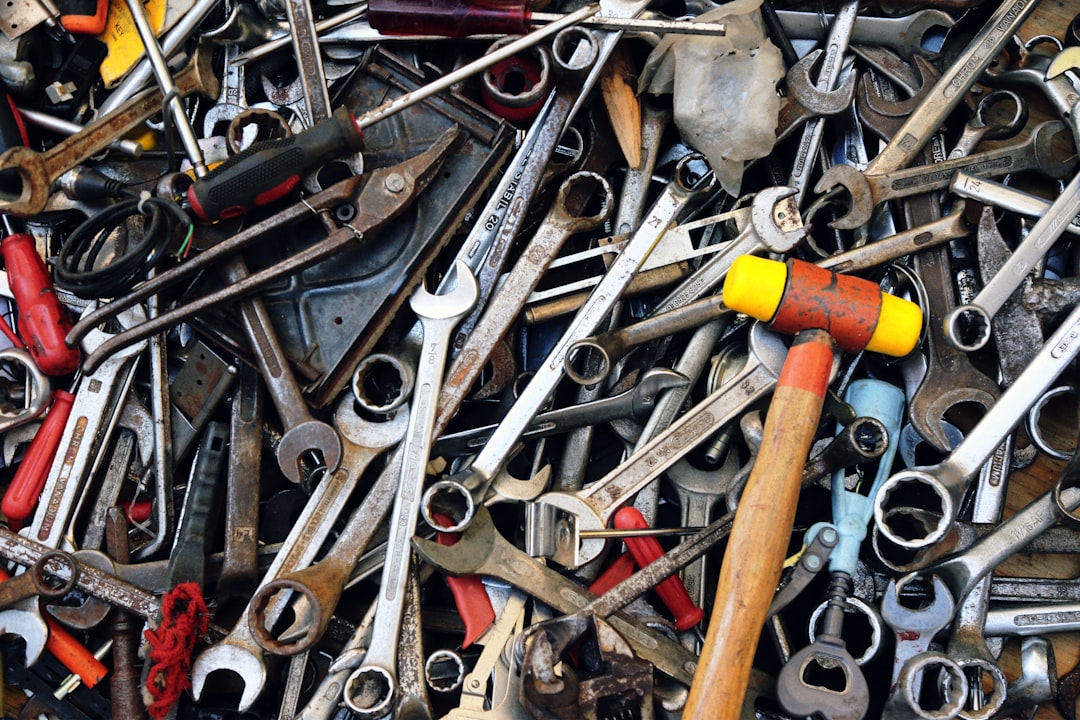
Imagine you're working on a project, and your tool suddenly breaks down. Frustrating, right?
Not only does this stall your progress, but it can also lead to unexpected costs. The secret weapon to avoiding these headaches? Regular tool maintenance. You might be wondering, "Is tool maintenance really that important? " The answer is a resounding yes, and it's more crucial than you might think.
By taking care of your tools, you can boost their performance, extend their lifespan, and save yourself from stress and extra expenses. We’ll dive into why maintaining your tools should be a top priority. We'll explore how a few simple routines can make your life easier, safer, and even more cost-effective. You’ll discover practical tips and insights that will transform the way you handle your equipment. Ready to unlock the full potential of your tools and ensure they’re always ready when you need them? Keep reading to find out how.
Importance Of Tool Maintenance
Tool maintenance ensures safety and efficiency. Well-maintained tools last longer and function better. Neglect can lead to accidents or costly repairs.
Maintaining your tools is not just a routine task; it's a crucial practice that can significantly impact both the quality of your work and your safety. Many people overlook the importance of tool maintenance until they face unexpected breakdowns or safety hazards. But imagine working on a project only to have your tools fail at a critical moment. It’s frustrating, right? Regular tool maintenance can prevent these issues and ensure that your tools are always ready for action.
Ensuring Optimal Performance
A well-maintained tool performs at its best. Think of the last time your car’s engine was serviced. It ran smoother and more efficiently. Tools are no different. Regular maintenance keeps them sharp, precise, and reliable. This not only helps in getting the job done faster but also enhances the quality of your work. A dull blade or a rusty hinge can ruin a project, wasting both time and resources.
Reducing Long-term Costs
Neglecting tool maintenance can lead to costly repairs or replacements. Consider the cost of buying a new power drill because the old one was left to gather dust and rust. Regular cleaning and inspection can extend the lifespan of your tools, saving you money in the long run. Investing a little time now can prevent you from making a hefty purchase later. Isn’t it better to spend a few minutes maintaining your tools than spending hundreds on a new one?
Safety Considerations
Your safety is paramount. Poorly maintained tools can be dangerous, leading to accidents or injuries. A loose hammerhead or a frayed power cord is an accident waiting to happen. Regular checks can identify potential hazards before they become serious problems. By maintaining your tools, you’re not just ensuring better performance, but also creating a safer working environment. Wouldn't you prefer peace of mind knowing your tools won’t let you down when you need them most? Incorporating regular tool maintenance into your routine can make a world of difference. It's a simple yet effective way to enhance your projects, save money, and keep yourself safe. So, when was the last time you gave your tools some TLC?
Effects Of Neglecting Maintenance
Neglecting tool maintenance can lead to serious consequences. Tools are essential in daily operations. Proper upkeep ensures they perform efficiently. Ignoring maintenance can result in various issues. These issues often impact productivity and safety. Understanding these effects can help emphasize the importance of regular maintenance.
Decreased Efficiency
Tools that lack maintenance show reduced efficiency. They may start working slower. Completing tasks becomes time-consuming. This slows down overall productivity. It can lead to frustration among workers. A tool that performs poorly affects the quality of work. It can cause delays in project timelines. Efficiency is key to successful operations.
Higher Repair Expenses
Neglected tools often face frequent breakdowns. Repairing these tools can be costly. Regular maintenance helps prevent expensive repairs. It ensures tools last longer. Ignoring upkeep can lead to replacement costs. This adds unnecessary financial burden. Businesses can save money with scheduled maintenance. It keeps tools in optimal condition.
Potential Safety Hazards
Faulty tools pose safety risks. They can cause accidents in the workplace. Broken parts can lead to injuries. Safety should always be a priority. Proper maintenance minimizes hazards. It ensures tools operate safely. A safe environment boosts morale. It protects workers from harm. Safety protocols must include regular tool inspections.
Essential Maintenance Practices
Tools play a crucial role in daily tasks. Their performance depends on regular maintenance. Proper care extends their life and ensures safety. Neglect can lead to breakdowns or accidents. Understanding key practices helps maintain your tools effectively.
Regular Cleaning
Dirt and debris affect tool performance. Regular cleaning prevents buildup. Use a soft brush or cloth. Remove any dust or grime. This simple step keeps tools in good condition. Clean tools work better and last longer.
Proper Lubrication
Moving parts need lubrication. It reduces friction and wear. Apply the correct oil or grease. Follow the manufacturer's instructions. Over-lubrication can cause problems. Balanced lubrication ensures smooth operation and longevity.
Timely Inspections
Inspect tools regularly for damage. Look for cracks, rust, or loose parts. Early detection prevents major issues. Replace damaged parts immediately. Regular inspections save time and money in the long run. Keep tools safe and efficient.
Choosing Quality Tools
Choosing quality tools is crucial for effective maintenance. Quality tools provide reliability. They ensure safety and efficiency. Investing in good tools saves time and money.
Durability Factors
Durability matters in tool selection. High-quality materials last longer. They withstand wear and tear better. Stainless steel or titanium are excellent choices. These materials resist rust and damage. A durable tool reduces replacement costs.
Craftsmanship impacts tool longevity. Well-made tools perform consistently. They maintain their function over time. Poorly crafted tools break easily. Good craftsmanship ensures reliability.
Investing In Reliable Brands
Reliable brands offer assurance. They have proven track records. Brands like Bosch or DeWalt are trusted. They provide quality and durability. Investing in known brands reduces risk.
Reliable brands offer warranties. Warranties protect your investment. They cover defects and issues. This adds peace of mind. Choose brands with strong support.
Benefits Of Scheduled Maintenance
Tool maintenance prevents breakdowns and extends equipment lifespan. Regular checks ensure safety and optimal performance. Scheduled maintenance saves money and reduces downtime.
When you think about tool maintenance, it might seem like an unnecessary chore. But have you ever found yourself stuck with a broken tool right in the middle of an important project? Scheduled maintenance can save you from such headaches by ensuring your tools are always in top shape. Let's dive into the benefits of keeping a regular maintenance schedule for your tools.
Extending Tool Lifespan
Regular maintenance can significantly extend the life of your tools. Just like changing the oil in your car keeps the engine running smoothly, cleaning and oiling your tools can prevent rust and wear. A well-maintained tool not only lasts longer but also performs better. Consider a power drill that hasn't been cleaned in years. Dust and debris can cause it to overheat, leading to a premature breakdown. With scheduled maintenance, you can keep your tools running like new for years to come.
Enhancing Productivity
Imagine trying to finish a task with a dull saw blade or a misaligned measuring tool. Frustrating, isn't it? Regular maintenance ensures that your tools are always ready to perform at their best. This means you can work faster and more efficiently. When your tools are in excellent condition, you spend less time troubleshooting and more time getting the job done. A sharp, well-adjusted tool allows you to focus on your craftsmanship rather than equipment issues.
Reducing Downtime
Unexpected tool failures can bring your work to a grinding halt. Scheduled maintenance reduces the likelihood of sudden breakdowns, saving you both time and money. By identifying potential problems early, you can address them before they escalate into major issues. Think about the last time you had to stop working because a tool failed. How much time did you lose? Regular maintenance minimizes these interruptions, keeping your workflow smooth and uninterrupted. Have you ever thought about how much time and money you could save with a few simple maintenance checks? It's worth considering. Regular tool maintenance might seem like a small effort, but the benefits are substantial. It's not just about avoiding breakdowns; it's about ensuring you can rely on your tools to deliver quality results every time.
Professional Vs. Diy Maintenance
Tool maintenance plays a crucial role in performance and longevity. Choosing between professional and DIY maintenance can be challenging. Each option offers distinct advantages and challenges. Understanding these differences helps make informed decisions. The right approach ensures tools remain efficient and safe.
Cost Implications
Professional maintenance often involves higher upfront costs. Experts charge for their skill and time. These costs can add up over time. DIY maintenance may seem cheaper initially. You save on labor costs. But the expense of buying tools and materials can surprise you. Mistakes can lead to costly repairs or replacements.
Expertise And Skill Requirements
Professionals bring years of experience to the table. They understand tools inside out. This expertise ensures high-quality maintenance. DIY maintenance requires learning and practice. You must understand the tool's mechanisms. Mistakes can cause damage or accidents. Time spent learning is valuable. Consider your comfort and skill level before deciding.
Frequently Asked Questions
Why Is Tool Maintenance Essential?
Regular tool maintenance ensures efficiency and longevity. By keeping tools in good condition, you minimize the risk of unexpected breakdowns. Maintenance also improves safety, as well-maintained tools are less likely to cause accidents. This practice ultimately saves money by reducing repair costs.
How Often Should Tools Be Maintained?
The frequency of maintenance depends on tool usage. For frequently used tools, check them weekly for signs of wear and tear. Less-used tools may require monthly inspections. Always follow the manufacturer's guidelines for specific maintenance schedules to ensure optimal performance.
What Are The Benefits Of Regular Tool Maintenance?
Regular maintenance enhances tool performance and extends their lifespan. It reduces repair costs and ensures safety during usage. Properly maintained tools work efficiently, saving time and increasing productivity. This proactive approach also helps prevent costly breakdowns and delays.
Can Tool Maintenance Improve Safety?
Yes, maintaining tools is crucial for safety. Well-maintained tools are less likely to malfunction, reducing the risk of accidents. Regular checks help identify potential hazards, ensuring tools operate safely. This practice protects users from injuries and promotes a safe working environment.
Conclusion
Tool maintenance is crucial. It keeps equipment efficient and reliable. Regular care prevents costly repairs. Safe tools reduce accident risks. Consistent maintenance extends lifespan. This saves money long-term. Proper upkeep ensures smooth operations daily. Neglected tools can fail unexpectedly. This causes delays and frustration.
Effective maintenance supports productivity. It boosts confidence in tool performance. Investing time in maintenance pays off. Quality work depends on well-kept tools. Keep them in top condition. Prioritize maintenance for optimal results. In the end, it's all about efficiency and safety.
Maintain tools well and enjoy seamless operations.