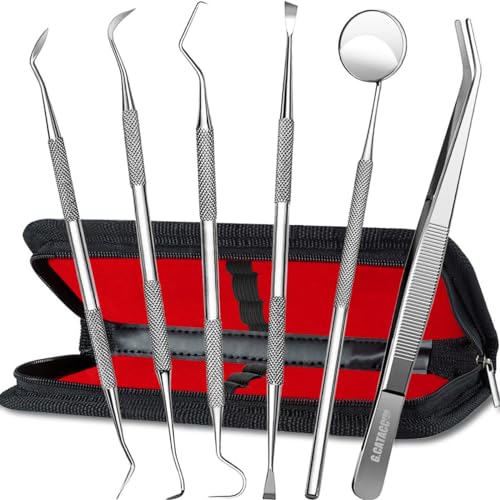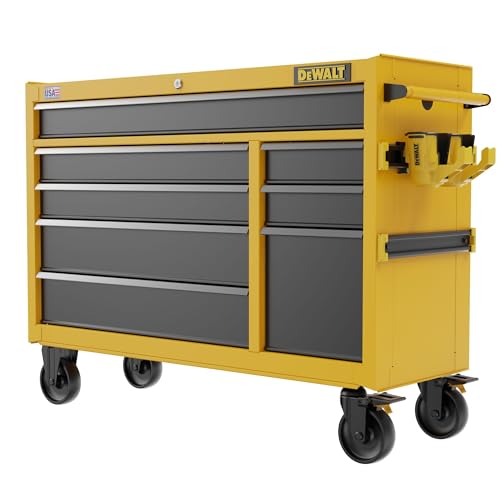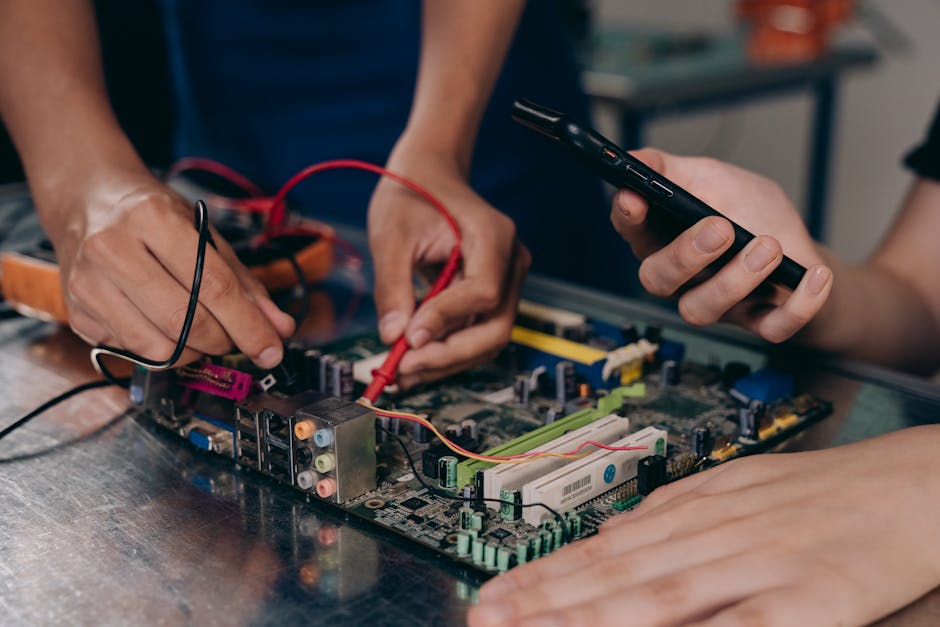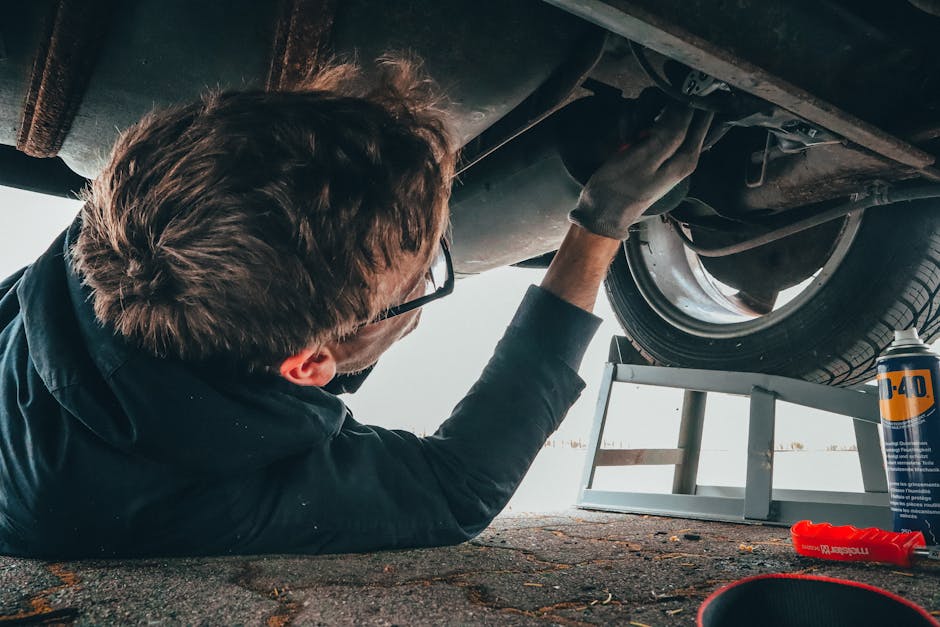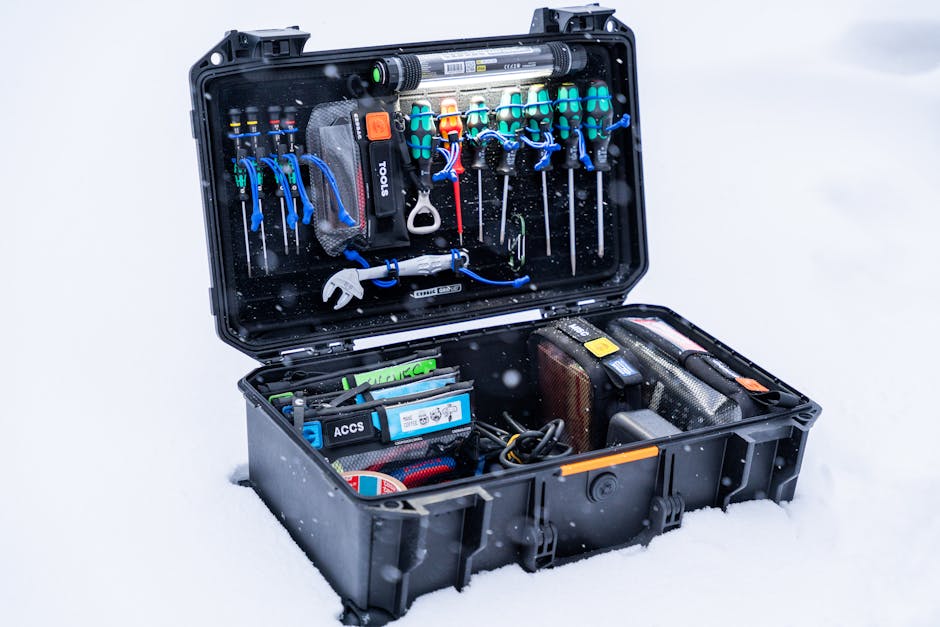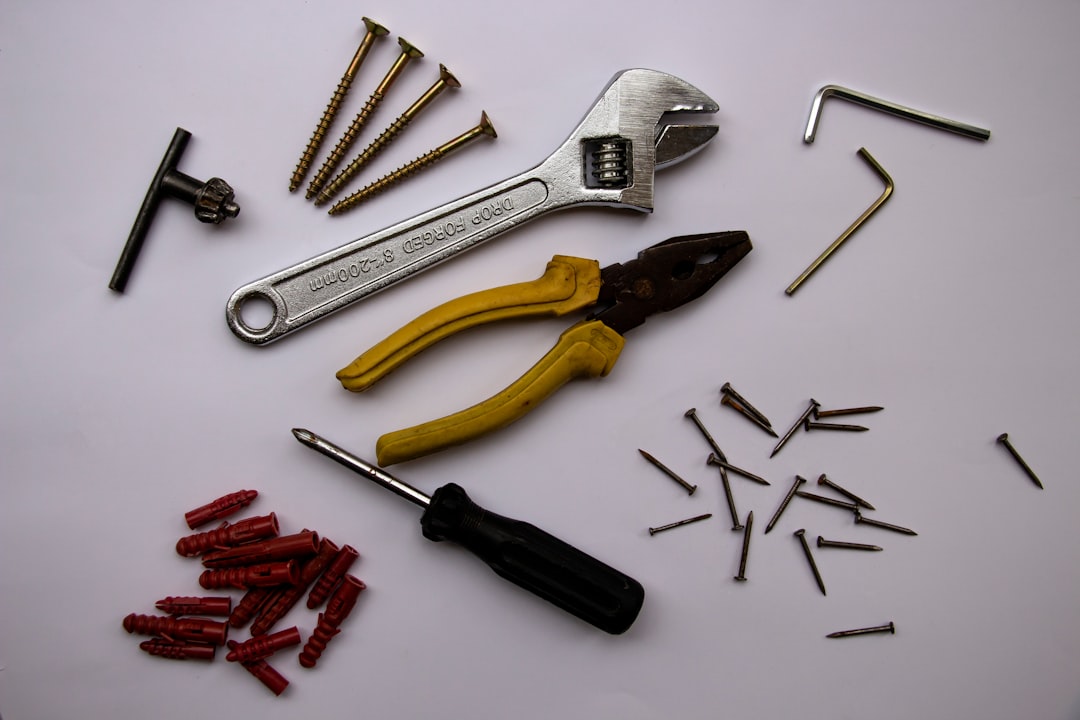
Have you ever wondered why your tools and equipment don't last as long as they should? The secret often lies in one simple practice: maintenance.
Tools and equipment maintenance might sound technical or time-consuming, but it’s essential for keeping your gear in top shape. Imagine the frustration of trying to finish a project, only to have your tools give up on you. By investing a little time in maintenance, you can avoid costly repairs and replacements, and ensure your tools are always ready when you need them.
Understanding how to maintain your equipment properly can save you money, time, and a whole lot of headaches. Curious about how this works and why it’s so important? Keep reading to unlock the secrets of effective tools and equipment maintenance that can transform the way you work.
Importance Of Maintenance
Maintenance of tools and equipment is crucial for smooth operations. Regular maintenance prevents unexpected breakdowns. It ensures tools function at their best. This practice enhances productivity and safety. Well-maintained equipment lasts longer and performs better. It's a smart way to protect your investment and ensure efficient operations.
Safety And Reliability
Proper maintenance ensures tools are safe to use. It reduces the risk of accidents. Faulty equipment can lead to serious injuries. Regular checks help identify and fix potential issues. Reliable tools mean fewer interruptions during work. This leads to a safer and more productive environment.
Cost Efficiency
Routine maintenance saves money in the long run. It prevents costly repairs or replacements. Identifying small issues early avoids bigger problems later. Well-maintained equipment consumes less energy. This lowers operational costs. Investing in maintenance is a wise financial decision. It ensures your tools and equipment last longer.
Types Of Maintenance
Understanding the different types of maintenance is crucial for anyone responsible for tools and equipment. Each type has its own purpose and application, ensuring your tools are always in top condition. Let’s dive into the three main types of maintenance and see how they can keep your operations running smoothly.
Preventive Maintenance
Think of preventive maintenance as a scheduled doctor’s visit for your tools. You don't wait for them to break down; you maintain them regularly to prevent issues. This approach saves you from unexpected failures and costly repairs.
Consider your car: you change its oil regularly, not just when the engine starts knocking. Similarly, tools need regular checks, cleaning, and part replacements. Have a schedule, stick to it, and your tools will thank you with longer life and better performance.
Predictive Maintenance
Predictive maintenance relies on data to predict when a tool might fail. It's like having a weather forecast for your equipment. This method uses technology to monitor tool conditions and performance.
Imagine using sensors that alert you when a machine is vibrating excessively, indicating a potential issue. By addressing it early, you avoid downtime. Investing in predictive maintenance can save you headaches and ensure your tools are always ready for action.
Corrective Maintenance
Corrective maintenance is what you do when things go wrong. It's the reactive approach, repairing tools only after they break. While not ideal, it’s sometimes unavoidable.
Picture a lawnmower that suddenly stops working mid-job. You can't always predict every issue, so having a plan for quick fixes is important. Keep spare parts handy and know your tools' common failure points to minimize downtime.
Each type of maintenance has its place in keeping your tools and equipment in top shape. Which approach do you think suits your needs best? Understanding these differences can help you make informed decisions and ensure your tools are always ready when you need them.
Maintenance Strategies
Tools and equipment maintenance ensures everything runs smoothly and safely. Regular checks and repairs prevent costly breakdowns. This strategy keeps tools in good condition, extending their lifespan.
When you think about tools and equipment maintenance, what comes to mind? Is it the occasional oil change or the regular check-up that keeps everything running smoothly? Maintenance strategies are crucial for ensuring your tools and equipment remain in top-notch condition. They help prevent unexpected breakdowns and extend the lifespan of your assets. Let's dive into some effective maintenance strategies that can make a significant difference in your operations.
Scheduled Maintenance
Scheduled maintenance is like setting a routine doctor appointment for your equipment. It involves regular checks and services performed at set intervals. This proactive approach can prevent minor issues from becoming costly repairs. Imagine your car breaking down in the middle of a road trip because you skipped the last service. The same can happen with your equipment if you don't maintain a schedule. Mark your calendar or set reminders to keep your equipment in check. Does the idea of a well-maintained machine sound appealing? Scheduled maintenance ensures that your tools are always in optimal condition, ready to deliver their best performance when you need them most.
Condition-based Maintenance
Condition-based maintenance is like being attuned to the health signals your equipment gives off. It focuses on the actual condition of your tools rather than a pre-set schedule. This strategy can save time and resources by addressing issues only when necessary. Have you ever noticed an unusual noise or vibration in your machine? That's your tool communicating that it needs attention. By using condition-based maintenance, you can catch problems early and fix them before they escalate. This approach requires you to be vigilant and responsive. Are you ready to listen to your machines and act promptly? It’s about being proactive and ensuring your equipment stays in peak condition without unnecessary interventions. By integrating these maintenance strategies, you can keep your tools and equipment reliable and efficient. What strategies do you currently use to maintain your equipment?
Tools And Equipment Categories
Tools and equipment maintenance ensures optimal performance and longevity. Regular checks prevent wear and tear, saving money on replacements. Proper upkeep enhances safety, reducing accident risks in workplaces.
Maintenance is crucial for extending the lifespan of your tools and equipment. You might be wondering why it's important to categorize them. Well, knowing the categories helps you apply the right maintenance techniques. Different tools need different care, and identifying these categories is the first step to ensuring they perform at their best.
Hand Tools
Hand tools are the simplest and often the most used in your toolkit. Think of hammers, screwdrivers, and wrenches. They might seem low-maintenance, but regular checks prevent rust and wear. Do you remember that time your hammer's handle snapped mid-project? It was likely due to neglect. Keep them clean and dry, and inspect for any signs of damage. A little TLC goes a long way in keeping them reliable.
Power Tools
Power tools add speed and precision to your tasks. Drills, saws, and sanders fall into this category. They need more attention due to their complexity. Cleaning the vents, checking cords, and lubricating moving parts are essential. Imagine your power drill suddenly stopping mid-use—frustrating, right? Regular maintenance keeps you from these unexpected interruptions. Take a moment to check the battery life and ensure they're stored safely to avoid damage.
Heavy Machinery
Heavy machinery is the backbone of large-scale projects. Think bulldozers, cranes, and forklifts. Maintaining them is not just about performance but also safety. A minor malfunction can cause serious accidents. Have you ever witnessed a crane's hydraulic system failing? Regular inspections and timely repairs are crucial. Schedule checks for oil levels, brakes, and hydraulic systems. Keeping detailed maintenance records helps you track their health and plan timely interventions. Choosing the right maintenance approach for each category ensures your tools and equipment are always ready for action. What maintenance routine do you follow to keep your tools in tip-top shape?
Common Maintenance Tasks
Tools and equipment maintenance involves regular checks and repairs to ensure optimal performance. Tasks include cleaning, lubrication, and replacing worn parts. Proper maintenance minimizes breakdowns and extends the lifespan of machinery.
Ensuring your tools and equipment are in top-notch condition is crucial for maintaining efficiency and safety in any operation. Common maintenance tasks form the backbone of this upkeep, ensuring everything runs smoothly and minimizing unexpected downtime. By understanding these tasks, you can keep your equipment running longer and more efficiently. Let's delve into the core components of maintenance: cleaning and lubrication, inspection and testing, and repair and replacement.
Cleaning And Lubrication
Regular cleaning and lubrication are essential for preventing wear and tear. Dust, grime, and other debris can accumulate on your tools, affecting their performance and lifespan. Imagine trying to use a saw clogged with sawdust. Not only does it work less effectively, but it also poses a safety risk. Regular cleaning removes these obstructions, ensuring optimal performance. Lubrication is equally important. It reduces friction between moving parts, preventing overheating and extending the life of your equipment. Have you ever noticed how a well-oiled machine seems to operate effortlessly? That’s lubrication at work. Prioritize this task to keep your tools running smoothly.
Inspection And Testing
Routine inspection and testing identify potential issues before they become major problems. This involves checking for signs of wear, damage, or malfunction. Think of it as a health check-up for your equipment. By catching issues early, you can address them before they lead to costly repairs or replacements. Testing ensures that each piece of equipment is functioning as expected. It's like taking your car for a test drive after a service. You'll know immediately if something feels off. Regular inspection and testing help maintain reliability and safety.
Repair And Replacement
Even with the best maintenance routine, parts will eventually need repair or replacement. This is where your ability to diagnose issues comes into play. Consider your favorite pair of running shoes. Over time, the soles wear out, requiring replacement to maintain performance. Similarly, replacing worn-out parts in your tools ensures they continue to function effectively. Repairs are crucial when parts are damaged but not beyond saving. Knowing when to repair versus replace can save you time and money. Have you ever replaced a part only to realize a simple repair would have sufficed? Understanding your equipment's needs can prevent such scenarios. By focusing on these common maintenance tasks, you can ensure your tools and equipment remain in excellent condition. What maintenance practices have you found most effective in extending the life of your tools? Engage with these tasks, and you’ll likely discover a smoother, more efficient workflow.
Maintenance Best Practices
Maintaining tools and equipment is vital for any organization. It ensures smooth operations and longevity of assets. Effective maintenance practices prevent unexpected failures and costly repairs. These practices enhance safety and productivity. Let's dive into some key strategies that help in maintaining tools and equipment efficiently.
Documentation And Record Keeping
Proper documentation is essential for effective maintenance. Keep records of maintenance schedules and past repairs. This helps in tracking performance and identifying patterns. Accurate records assist in budgeting for future maintenance costs. They also aid in compliance with safety regulations.
Utilize digital tools for documentation. These tools simplify data entry and retrieval. Ensure all maintenance activities are logged promptly. This habit prevents knowledge gaps and loss of information over time.
Training And Skill Development
Training is crucial for maintaining equipment properly. Equip your team with the necessary skills. Regular training sessions keep their knowledge updated. Skilled personnel can identify issues before they escalate. This proactive approach reduces downtime and repair costs.
Provide hands-on training and workshops. Encourage staff to learn about new technologies. Skilled workers improve overall efficiency and equipment lifespan. Investing in training today saves resources tomorrow.
Role Of Technology
In today's fast-paced world, technology plays a crucial role in enhancing the efficiency and effectiveness of tools and equipment maintenance. Whether you're managing a small workshop or a large manufacturing facility, the right technology can save you time, money, and stress. By using cutting-edge solutions, you can ensure that your tools and equipment run smoothly, minimizing downtime and maximizing productivity.
Use Of Maintenance Software
Maintenance software is a game-changer for anyone responsible for equipment upkeep. It helps you track the condition and history of each piece of equipment. You can set reminders for routine checks and repairs, ensuring nothing slips through the cracks.
With maintenance software, all your data is in one place, making it easy to monitor trends and identify potential issues. Imagine knowing exactly when a machine needs servicing, preventing costly breakdowns. Isn't it much better than scrambling to fix unexpected problems?
Integration Of Iot And Ai
The integration of the Internet of Things (IoT) and Artificial Intelligence (AI) takes maintenance to a new level. IoT sensors can provide real-time data about equipment performance. This allows you to make informed decisions about when to service or replace parts.
AI can predict failures before they happen, using data analysis to spot patterns that humans might miss. Picture getting an alert that a machine will likely fail in the next week—how much peace of mind would that bring?
Have you considered how this technology can transform your maintenance routine? Embracing these innovations means fewer surprises, more efficient operations, and ultimately, a more successful business.
Challenges In Maintenance
Maintaining tools and equipment involves many challenges. Ensuring regular checks for wear and tear can be difficult. Proper storage and handling are crucial to prevent damage and extend lifespan.
Maintaining tools and equipment is vital for ensuring their longevity and efficiency. But it's not without its hurdles. Challenges in maintenance can often make or break the success of this critical process. Whether it's about juggling resources or finding skilled personnel, every obstacle requires your strategic thinking and planning. Have you ever faced a scenario where you had to decide between repairing a crucial piece of equipment or investing in a new one? Such dilemmas are part of the daily grind in maintenance operations.
Resource Allocation
Effectively allocating resources is a challenge that many face in maintenance. There's always the pressure to do more with less. Balancing the budget while ensuring that all equipment is maintained can feel like an endless puzzle. Imagine having a limited budget and multiple machines that need urgent repairs. How do you decide which one gets attention first? Prioritizing resources requires careful assessment of which equipment impacts your operations the most. Moreover, unexpected breakdowns can throw a wrench in your well-laid plans. When this happens, you might find yourself scrambling to reallocate resources, often leading to increased costs and downtime. It's a constant battle between immediate needs and long-term strategy.
Skill Shortages
Finding skilled professionals for maintenance tasks is another significant challenge. As technology evolves, the demand for technicians with specialized skills grows. But the supply doesn't always meet this demand. Consider the situation where you have the latest equipment but lack the expertise to maintain it. Your investment might not yield the expected returns without the right skills in place. This can lead to increased wear and tear, reducing the lifespan of your equipment. Training existing staff to fill these skill gaps can be a solution. However, it requires time and resources that you might already be short on. Are you investing enough in your team's skill development, or are you relying on outdated methods that might not serve your current needs? In tackling these challenges, it's crucial to stay proactive. Regular assessments, strategic planning, and continuous training can help mitigate these issues. How are you preparing your team to face these maintenance challenges?
Future Trends
Ensuring tools and equipment are well-maintained boosts efficiency and safety. Regular check-ups prevent unexpected breakdowns. Staying updated with maintenance trends can enhance productivity.
The future of tools and equipment maintenance is poised for remarkable transformation. As industries grow more complex, maintenance practices are evolving to meet these new challenges. Emerging trends are reshaping how businesses maintain their tools and equipment, improving efficiency, sustainability, and reliability.
Automation In Maintenance
Automation is quickly becoming a cornerstone of modern maintenance strategies. With the advent of IoT devices and advanced software, tasks that were once manual are now automated. Imagine a system that predicts when a piece of equipment will fail and schedules maintenance before it happens. This predictive maintenance approach not only saves time but also cuts costs by reducing unexpected downtimes. Robots and drones are also stepping in to handle dangerous or repetitive tasks. By using automation, you can focus on more strategic activities, improving overall productivity. Have you considered how automation could transform your maintenance processes?
Sustainability And Green Practices
Sustainability is no longer just a buzzword; it's a crucial part of maintenance. Modern practices emphasize reducing waste, conserving energy, and using eco-friendly materials. Green maintenance strategies are not only good for the planet but can also be cost-effective. For instance, using sustainable materials can extend the lifespan of equipment, reducing the need for frequent replacements. Additionally, energy-efficient practices lower operational costs. Adopting these green practices positions your business as a forward-thinking, environmentally conscious entity. You might wonder, how can you integrate sustainability into your maintenance routine? Start small by implementing energy-saving measures or recycling old equipment parts. As these trends take hold, they will shape the future of maintenance, offering opportunities for growth and innovation.
Frequently Asked Questions
What Is Equipment Maintenance?
Equipment maintenance involves regular inspections and repairs to ensure optimal performance. It prevents breakdowns and extends the lifespan of tools and machinery. Regular maintenance checks help identify potential issues early, reducing downtime and costly repairs. Effective maintenance also ensures safety for operators and enhances productivity within any work environment.
Why Is Tool Maintenance Important?
Tool maintenance is crucial for maximizing efficiency and safety. Proper maintenance prevents unexpected failures, ensuring tools perform at their best. Regular checks can detect wear and tear early, avoiding costly repairs. Well-maintained tools also reduce the risk of accidents, protecting users and enhancing overall work productivity.
How Often Should Equipment Be Maintained?
The frequency of equipment maintenance depends on usage and manufacturer's guidelines. High-use machinery might need weekly checks, while less-used equipment may require monthly or quarterly inspections. Following manufacturer recommendations ensures optimal performance and longevity. Consistent maintenance schedules help avoid unexpected breakdowns and ensure safety and efficiency.
What Are Common Maintenance Tasks?
Common maintenance tasks include cleaning, lubrication, and inspection. Cleaning prevents dirt buildup, while lubrication reduces friction. Inspections help identify wear, damage, or potential issues early. These tasks ensure smooth operation, extend equipment lifespan, and maintain safety standards. Regular maintenance keeps tools and equipment running efficiently.
Conclusion
Proper maintenance keeps tools and equipment reliable and safe. It prevents costly breakdowns and extends lifespan. Regular checks and cleaning enhance performance, ensuring efficiency. Employees work better with well-maintained tools. Safety improves, reducing the risk of accidents. Maintenance routines save money over time.
It’s an investment in productivity and safety. Simple steps make a big difference. So, keep tools in top shape. Your workplace will benefit greatly. Remember, a little care goes a long way. Consistent maintenance is key for smooth operations. Prioritize it to support your team's success.