Ever wondered why your lawn isn't as lush and green as your neighbor's, even though you both have sprinkler systems? The secret might just be in the maintenance.
Proper sprinkler maintenance can transform your yard from drab to fab, and the right tools make all the difference. But don’t worry, you don’t need to be a professional to get it right. With a few simple tools and tips, you can keep your sprinkler system running smoothly all year round.
Imagine the satisfaction of stepping onto your vibrant, healthy lawn, knowing you made it happen. Ready to discover how to use sprinkler maintenance tools like a pro? Let’s dive in and get your yard looking its best!
Sprinkler System Basics
Understanding the basics of a sprinkler system is essential for effective maintenance. A well-functioning system keeps your lawn lush and gardens vibrant. Knowing your system can save time and money on repairs.
Types Of Sprinklers
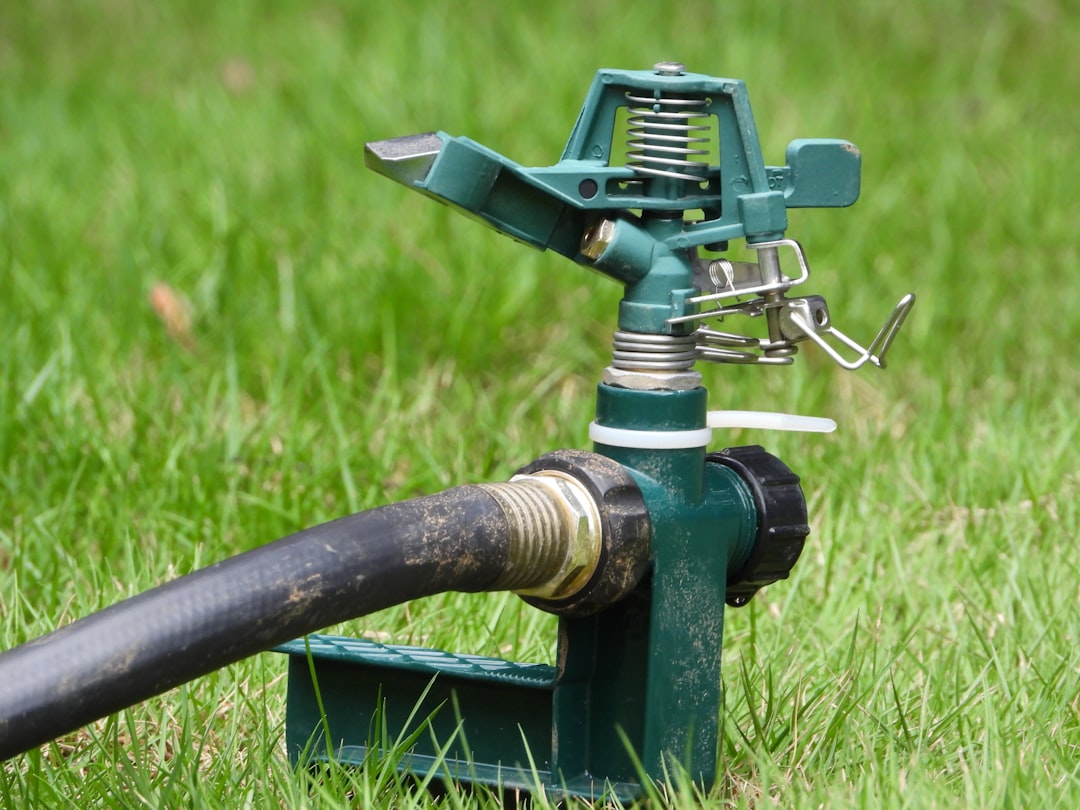
Sprinklers come in various types, each serving different needs. Rotary sprinklers spray water in a circular motion. They cover large areas with ease. Fixed spray sprinklers offer a steady stream for smaller spaces. Drip irrigation systems target the roots directly. This type conserves water effectively.
Components Of A Sprinkler System
A sprinkler system has several key parts. Sprinkler heads distribute the water. Controllers manage the timing. Valves control the flow of water. Pipes connect all the components together. Backflow preventers keep water from contaminating the supply. Each part plays a crucial role in the system's operation.
Essential Maintenance Tools
Sprinkler systems need regular care for optimal performance. Proper tools simplify maintenance. They save time and ensure efficiency. Choosing the right tools can be confusing. This guide helps select essential tools. Safety is also crucial. Using the right gear prevents injuries. Let's explore the tools needed for sprinkler maintenance.
Tool Selection Guide
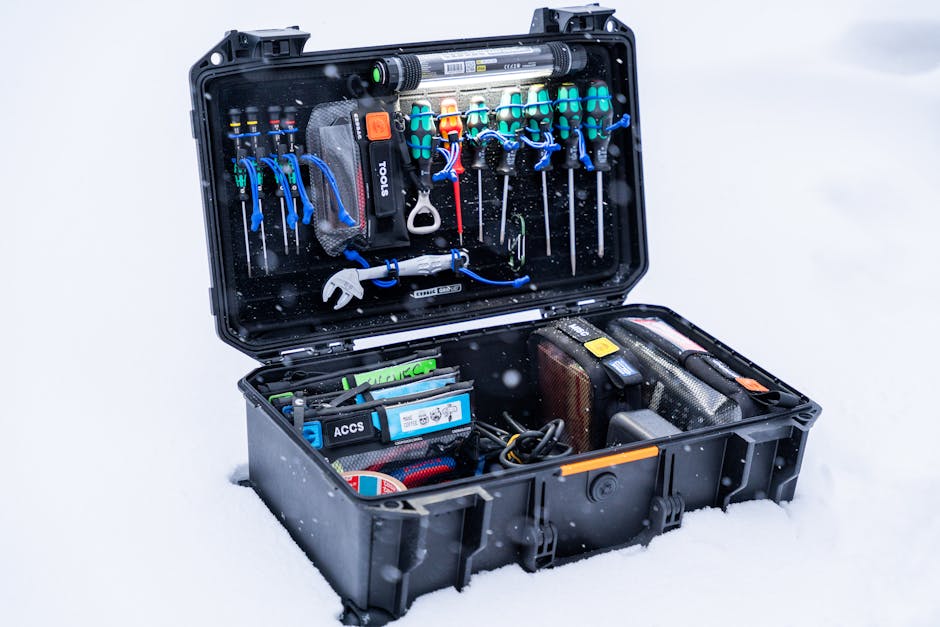
Choosing the right tools is vital. A sprinkler head adjustment tool is essential. It helps fine-tune water distribution. A pressure gauge checks water pressure. It ensures even irrigation. A pipe cutter is necessary for repairs. It cuts through pipes cleanly. A multi-bit screwdriver comes in handy. It adjusts various system parts. Lastly, a soil moisture meter is useful. It checks soil hydration levels.
Safety Gear Essentials
Safety gear protects against accidents. Gloves shield hands from sharp objects. Safety goggles protect eyes from debris. Sturdy boots offer foot protection. A hard hat is useful near overhead hazards. Ear protection is necessary in noisy areas. These items ensure a safe working environment.
Routine Inspection Techniques
Sprinkler maintenance tools ensure efficient routine inspections. Use them to check for leaks, clogs, and alignment issues. Regular maintenance keeps your sprinklers working effectively, saving water and money.
Maintaining a lush, healthy lawn requires more than just watering it regularly. Routine inspection of your sprinkler system is crucial to ensure it runs efficiently and saves water. Regular checks can prevent minor issues from becoming costly repairs. You don't have to be a professional to conduct these inspections. With a few simple techniques and the right tools, you can keep your sprinkler system in top condition.
Checking For Leaks
Leaks can cause significant water wastage and lead to uneven watering. Start by visually inspecting each sprinkler head and the surrounding area for pooling water or muddy spots. Turn on the system and watch for any drips or streams of water that indicate a leak. If you find a leak, tighten any loose connections or replace worn-out parts. A small leak might seem insignificant, but over time, it can waste gallons of water and spike your water bill. Regular inspection helps you catch these issues early.
Assessing Water Pressure
Water pressure plays a vital role in the effectiveness of your sprinkler system. Too high or too low pressure can affect the distribution of water, leading to dry spots or overwatering. Use a water pressure gauge to measure the pressure at different points in the system. If you notice inconsistent pressure, check for clogs or obstructions in the pipes or sprinkler heads. Sometimes, adjusting the pressure regulator can solve the issue. Proper water pressure ensures your lawn gets the right amount of water, promoting healthy growth. Have you ever wondered if your lawn's patchiness is due to a hidden sprinkler issue? Regular inspection could be the key to uncovering these hidden problems. By routinely checking for leaks and assessing water pressure, you're not just maintaining a sprinkler system; you're ensuring your lawn stays vibrant and beautiful.
Cleaning And Lubrication
Proper sprinkler maintenance is essential for efficient water usage. Cleaning and lubrication are crucial parts of this process. They ensure the sprinkler system works smoothly and lasts longer. Regular care prevents clogs and keeps moving parts from wearing out. Let's explore how to clean and lubricate effectively.
Cleaning Nozzles And Filters
Start by turning off the water supply. Remove the nozzle carefully from the sprinkler head. Check for dirt and debris. These can block water flow and affect performance. Use a small brush or toothpick to clean out the nozzle. Avoid damaging the nozzle opening. Next, focus on the filters. They often catch dirt and particles. Remove the filter and rinse it with clean water. Make sure it's free from any residue. Once cleaned, reattach both parts securely.
Lubricating Moving Parts
Lubrication is vital for smooth operation. Begin with the rotating mechanisms. These parts often dry out and cause friction. Apply a few drops of oil or lubricant. Use products designed for sprinkler systems. Avoid using too much oil; it can attract dust. Check other moving parts like gears and hinges. Lubricate them to reduce wear. Regular lubrication minimizes rust and keeps parts moving effortlessly.
Repair And Replacement
Maintaining your sprinkler system ensures your garden stays lush and green. Regular checks help avoid costly repairs. Understanding repair and replacement techniques is essential. This section guides you through fixing common issues and replacing damaged components.
Fixing Common Issues
Sprinklers often face blockages and uneven water distribution. Clear blockages by removing debris from nozzles. Use a thin wire for stubborn clogs. Check for leaks in pipes. Tighten connections to prevent water wastage. Adjust the sprinkler heads for uniform water coverage.
Replacing Damaged Components
Some components wear out over time. Replace broken sprinkler heads promptly. Turn off the water supply first. Unscrew the damaged head and fit a new one. Pipes may crack due to weather conditions. Cut out the damaged section and insert a new pipe. Secure with appropriate fittings.
Seasonal Adjustments
Using proper sprinkler maintenance tools ensures efficient watering during seasonal changes. Adjust the tools to fix leaks and clogs. Regular checks keep your lawn green and healthy.
Adjusting your sprinkler system with the changing seasons is crucial for maintaining a healthy lawn and conserving water. Proper seasonal adjustments ensure that your system operates efficiently all year round. Without these changes, you might face issues such as water wastage, frozen pipes, or under-watered plants. Let's explore how you can effectively manage these adjustments for each season.
Winterizing Your System
As the temperature drops, preparing your sprinkler system for winter is vital to prevent damage. Start by shutting off the water supply to the system to avoid freezing pipes. Drain all remaining water from the system using a manual drain valve or an air compressor. Consider investing in a sprinkler blowout tool. This tool helps remove excess water from the pipes by blowing air through them. Remember, leaving water in the system can lead to costly repairs. Protect your sprinkler heads by insulating them. Wrap them with foam covers or insulation tape. This simple step can save you from dealing with cracked or broken sprinkler heads when spring arrives.
Spring Start-up Preparations
With the arrival of spring, it's time to bring your sprinkler system back to life. Begin by checking the system for any visible damage. Look for cracked pipes, damaged sprinkler heads, or leaks that may have occurred during winter. Once you've inspected the system, gradually turn the water supply back on. Open the main valve slowly to prevent a sudden rush of water which might cause pressure surges. Test each zone of your sprinkler system to ensure it's working correctly. Adjust the spray patterns and check for any obstructions. This is also a good time to clean the sprinkler nozzles for optimal performance. Set the timer for the appropriate watering schedule. Consider the current weather and your lawn's specific needs. A well-timed schedule can prevent overwatering and keep your garden thriving. Taking the time to properly adjust your sprinkler system each season not only prolongs its lifespan but also keeps your lawn lush and healthy. What small step will you take today to ensure your system is ready for the season ahead?
Expert Tips For Longevity
Keep sprinklers efficient with regular tool maintenance. Clean heads, check water pressure, and replace worn parts. Simple steps increase longevity.
Maintaining a sprinkler system is crucial for its longevity. Regular upkeep prevents costly repairs. It also ensures your garden stays lush and green. Expert tips can guide you in using maintenance tools effectively. These tips focus on preventative measures and optimal usage practices. They help you extend the life of your sprinkler system. Let's dive into these expert tips.
Preventative Measures
Preventative maintenance helps avoid major issues. Inspect your sprinkler heads regularly. Look for clogs or damage. Replace broken heads immediately. Clean filters to ensure proper water flow. Adjust the spray patterns to cover all areas evenly. This prevents dry spots in your garden. Check for leaks in pipes and connectors. Leaks can cause water wastage and increase your bill. Using a pressure gauge helps monitor system pressure. High pressure can damage the system. Keep an eye on weather conditions. Turn off the system during rainy days to conserve water.
Optimal Usage Practices
Using your sprinkler system wisely extends its life. Water your garden during early morning hours. This reduces evaporation and ensures plants absorb water. Avoid watering during windy days. Wind can cause uneven water distribution. Set timers for efficient watering schedules. This prevents over-watering and saves water. Use rain sensors to avoid unnecessary watering. Adjust the system seasonally. Plants need less water during cooler months. Regularly check and calibrate your system. Proper calibration ensures even water distribution. Following these practices promotes a healthy and efficient sprinkler system.
Frequently Asked Questions
What Tools Are Essential For Sprinkler Maintenance?
Essential tools include a sprinkler head wrench, nozzle cleaning tool, and a pressure gauge. These tools help ensure optimal performance. Regular maintenance with these tools can prevent water wastage and reduce repair costs. Keeping your sprinkler system in good shape enhances lawn health and saves money.
How Often Should You Check Sprinkler Systems?
You should check sprinkler systems monthly during the watering season. Regular checks help identify issues like leaks or clogs early. Monitoring ensures efficient water usage and prevents damage to the lawn. Routine checks can prolong the lifespan of the system and maintain its effectiveness.
Can Maintenance Tools Improve Sprinkler Efficiency?
Yes, maintenance tools can greatly improve sprinkler efficiency. Proper tools help adjust spray patterns and clean clogged nozzles. Efficient sprinklers ensure even water distribution, preventing dry spots. Using these tools regularly keeps the system running smoothly and conserves water, saving on utility bills.
Why Is A Pressure Gauge Important?
A pressure gauge is crucial for monitoring water pressure in sprinkler systems. It helps detect pressure issues that could affect performance. Correct pressure ensures uniform water distribution and prevents system damage. Regularly using a pressure gauge can lead to healthier lawns and reduced maintenance costs.
Conclusion
Caring for your sprinkler system ensures a healthy, green lawn. Regular maintenance keeps everything working smoothly. Tools like wrenches and pressure gauges make tasks easier. Checking for leaks or clogs prevents bigger issues. Clean sprinkler heads for even water distribution.
Replace worn parts promptly. This saves water and money. Remember, a well-maintained system lasts longer. Spend a little time now to avoid bigger problems later. Keep your garden thriving and beautiful with simple care steps. Enjoy the benefits of a lush, vibrant yard all season long.