Imagine working on your latest DIY project or even handling routine home repairs. You're excited to see the end result, but there's a crucial step you cannot overlook: safety.
Whether you're a seasoned professional or a weekend warrior, using hand or power tools requires more than just basic know-how. The stakes are high, and even the slightest error can lead to significant injuries. You might think you're invincible, but let's face it—accidents happen when least expected.
This blog post sheds light on those tools that demand your utmost attention and care. It’s not just about getting the job done; it’s about doing it safely. You’ll discover which tools require extra precautions and why. By arming yourself with this knowledge, you're not just protecting yourself; you're ensuring the success of your project. Curious about which tools make the list? Keep reading to find out. Your safety—and your project's success—depends on it.
Common Power Tools
Power tools are essential for any DIY enthusiast or professional. They make tasks quicker and easier. But, they also demand respect and care.
Using these tools safely is crucial. One slip can lead to injury. So, knowing how to handle them is key.
Let's dive into some common power tools and the precautions they require.
Drills And Drivers
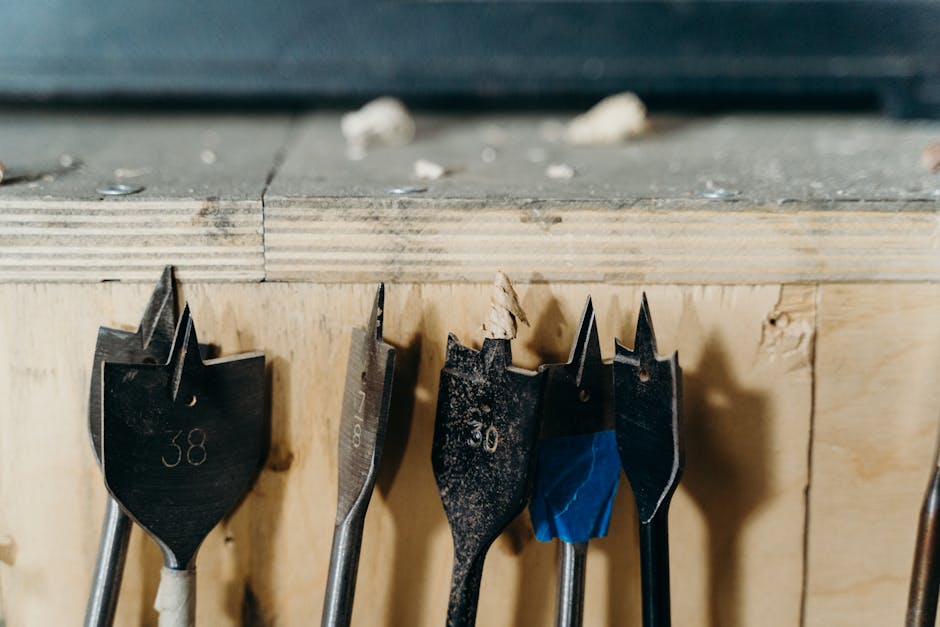
Drills and drivers are popular for tasks like hanging shelves or assembling furniture. They're versatile and handy.
But, they can also be risky. Imagine holding a drill and suddenly losing grip. The drill bit can cause damage or injury.
Always check the chuck for tightness. Wear safety glasses to protect your eyes. Keep your hands away from the drill bit.
What about the noise? Drills can be loud. Consider using ear protection. It's a small step that can prevent long-term hearing loss.
Saws And Sanders
Saws and sanders turn raw materials into masterpieces. They cut, shape, and smooth surfaces. But, they require caution.
Ever noticed the dust when sanding wood? It's not just messy, it's harmful. Use a dust mask to avoid inhaling particles.
And saws? Keep fingers clear of the blade. Use clamps to secure your workpiece. This way, your hands stay safe.
Consider the blade's condition. A dull blade can snag and cause accidents. Inspect and replace blades regularly.
Grinders And Polishers
Grinders and polishers are perfect for metal work. They refine edges and add shine. But, they can be hazardous.
Imagine tiny metal sparks flying around. They can cause burns or ignite flammable materials. Wear protective clothing and work in a safe area.
Keep an eye on the tool's speed. High speeds can lead to loss of control. Adjust settings according to your task.
Are your hands vibrating? Continuous vibration can lead to health issues. Take breaks and use vibration-dampening gloves.
Each tool has its quirks and challenges. What precautions do you take with your power tools? Share your insights, and let's make DIY safer for everyone.
Common Hand Tools
Hand tools are essential for various tasks. They are versatile and user-friendly. Yet, they require proper handling to ensure safety. Precautions are crucial to avoid accidents and injuries. Understanding each tool's function helps in using them correctly.
Hammers And Screwdrivers
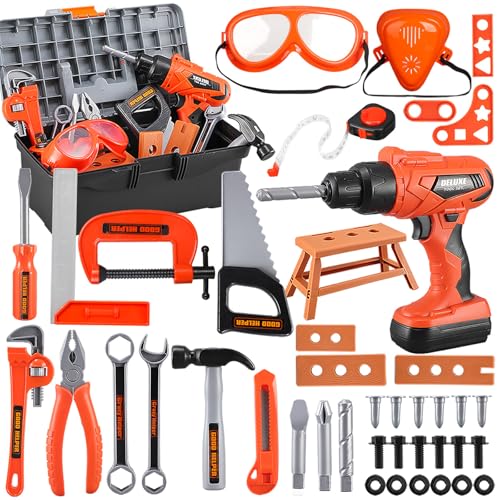
Hammers are popular tools for driving nails. They can cause injuries if not used carefully. Always wear safety goggles to protect your eyes. Inspect the handle for cracks before use. Screwdrivers are used for turning screws. Ensure the right size of the screwdriver fits the screw. A mismatched size might slip and cause injury. Keep your hands away from the screw's path.
Wrenches And Pliers
Wrenches help in loosening or tightening bolts. Use the correct wrench size to avoid slipping. Ensure a firm grip to prevent accidents. Pliers are versatile for gripping and bending. Avoid using them on live electrical circuits. Keep your fingers away from the jaws to prevent pinching.
Cutting Tools
Cutting tools include saws, knives, and scissors. They can be dangerous if mishandled. Always cut away from your body to prevent accidents. Keep blades sharp for efficient cutting. Dull blades require more force and increase risk. Store cutting tools in sheaths or covers when not in use.
General Safety Precautions
Using hand or power tools demands attention to safety. These tools can cause injury if mishandled. Following general safety precautions is crucial. This ensures a safe working environment.
Proper Workspace Setup
A clean workspace minimizes accidents. Ensure there is enough light to see clearly. Keep tools and materials organized. This prevents tripping and stumbling. Remove any clutter to create a safe area. Secure all electrical cords to avoid tangles. This reduces the risk of falls.
Personal Protective Equipment
Wearing protective gear is vital. Use safety goggles to protect your eyes. Gloves prevent cuts and abrasions. Ear protection is necessary for loud tools. Hard hats protect against falling objects. Always wear suitable clothing. Loose clothing can get caught in moving parts.
Regular Maintenance
Tools need regular checks. Inspect them for wear and damage. Replace worn-out parts promptly. A well-maintained tool functions safely. Follow manufacturer's guidelines for maintenance. Check power cords for fraying. Clean tools after each use. Proper care extends tool life.
Specific Tool Precautions
Using hand or power tools can be dangerous if precautions are not taken. These tools are essential for various tasks but require careful handling. Specific tool precautions are crucial for safety and efficiency. Understanding these precautions can prevent accidents and ensure a smooth workflow.
Power Tool Safety Tips
Power tools can cause serious injuries if mishandled. Wear safety goggles to protect your eyes from debris. Always check the tool's power cord for damage before use. Keep fingers and clothing away from moving parts. Use the right tool for the job to avoid strain and injury. Disconnect power tools when changing blades or bits. Never carry a plugged-in tool with your finger on the switch.
Hand Tool Safety Tips
Hand tools require careful attention to avoid accidents. Inspect tools for damage before use. Use the right tool for the task. A damaged tool can slip and cause injury. Keep tools clean and well-maintained. Wear gloves to protect hands from sharp edges. Store tools safely to prevent trips and falls. Use tools with handles that fit your hand comfortably.
Emergency Procedures
Working with hand or power tools can be dangerous. Accidents happen, even to the most cautious. Knowing emergency procedures is crucial. This knowledge can save lives and prevent further injuries. Proper preparation and quick response are key. Equip yourself with the right skills to handle emergencies effectively.
First Aid Basics
First aid knowledge is essential for tool-related accidents. A well-stocked first aid kit should be nearby. Include bandages, antiseptic wipes, and gauze. Learn basic first aid techniques. Applying pressure to stop bleeding is important. Clean wounds to prevent infections. This can reduce complications.
Handling Accidents
Stay calm during accidents. Assess the situation quickly. Determine if professional medical help is needed. For minor injuries, provide immediate care. Follow first aid steps to stabilize the injured person. For severe injuries, call emergency services immediately. Do not move the injured person unless necessary.
Training And Education
Training and education are vital for safely using hand or power tools. Proper knowledge ensures safety and efficiency. Without training, accidents can happen easily. Understanding tool operations helps in preventing mishaps. Education about safety measures is crucial. It saves time and reduces risks.
Importance Of Training
Training provides essential skills for tool handling. It makes users confident and competent. Proper training improves work quality and speed. It also helps in understanding tool limitations. Knowing the right usage prevents damage. Training emphasizes safety protocols, reducing accidents.
Resources For Learning
Many resources help in learning about tools. Instruction manuals are a good start. They provide detailed information about usage. Online tutorials offer visual guidance. They make complex instructions easy. Workshops and classes give hands-on experience. They build practical skills effectively.
Common Mistakes To Avoid
Working with tools like saws or drills requires safety precautions. Many people forget to wear protective gear, increasing the risk of accidents. Always check tool conditions before use to ensure safety.
When working with hand or power tools, safety should be your top priority. However, common mistakes can jeopardize your safety and lead to accidents. Understanding and avoiding these mistakes can help you work more safely and efficiently. Let's dive into the key areas where caution is often overlooked.
Ignoring Safety Protocols
Safety protocols exist for a reason. They are designed to protect you. Yet, many people overlook them in the rush to complete a task. This oversight can lead to serious injuries. Consider the simple act of wearing safety goggles. A small piece of debris can cause significant damage to your eyes. Have you ever skipped this step just because you were in a hurry? Safety protocols also include knowing how to operate the tool correctly. Misunderstanding can lead to misuse. Always ensure you’re familiar with the tool’s operation before starting.
Using Damaged Tools
Using damaged tools is a recipe for disaster. A cracked hammer or frayed power cord can lead to unexpected accidents. It might seem trivial, but these tools are ticking time bombs. Imagine the frustration of using a saw with a dull blade. Not only does it make the job harder, but it also increases the risk of kickback. This can cause serious injuries. Inspect your tools regularly. Look for signs of wear and tear. Replace or repair them immediately if needed. Your safety is worth more than pushing a damaged tool one more time.
Skipping Inspections
Skipping inspections can compromise your safety. It’s easy to assume a tool is ready to go after sitting in your toolbox. Yet, unseen damage might have occurred over time. Consider the importance of checking a drill before use. A loose bit can fly off and cause harm. A quick inspection can prevent such mishaps. Regular inspections don’t have to be time-consuming. A few minutes can save you from injuries and costly repairs. Do you check your tools before every use? Your safety is in your hands. Avoiding these common mistakes can make a significant difference. What step will you take to improve your tool safety today?
Frequently Asked Questions
What Safety Gear Is Needed For Power Tools?
When using power tools, always wear appropriate safety gear. Essential items include safety goggles, ear protection, gloves, and sturdy footwear. These items protect against debris, loud noises, and accidental slips or cuts. Ensuring you have the right gear minimizes risks and enhances safety during tool operation.
How Can I Reduce Hand Tool Injuries?
To reduce hand tool injuries, maintain a firm grip and use tools correctly. Inspect tools regularly for damage and wear protective gloves. Proper storage and handling also prevent accidents. Familiarize yourself with each tool's purpose and instructions to ensure safe and efficient use.
Why Should I Check Power Tool Cords?
Checking power tool cords is crucial to avoid electrical hazards. Damaged cords can cause shocks or fires. Inspect cords before each use for fraying or breaks. Ensure cords are kept away from water and sharp objects to maintain safety while using power tools.
What Precautions Are Needed For Cutting Tools?
Cutting tools require careful handling and sharpness checks. Always keep fingers away from blades and use clamps to stabilize materials. Wear eye protection to guard against flying debris. Regularly sharpen blades to reduce force needed, minimizing the risk of accidents during use.
Conclusion
Safety is key when using tools. Both hand and power tools can be dangerous. Always wear protective gear. Keep your work area clean and organized. Follow the instructions carefully. Regularly inspect tools for damage. Replace faulty tools immediately. Never rush your work with tools.
Proper handling prevents accidents and injuries. Training can improve your skills and safety. Stay informed about safety practices. Your health is more important than speed. So, take the time to protect yourself. Practice caution and stay safe.