
Are you tired of struggling with simple home repairs or DIY projects because you’re not sure how to use hand tools properly? You're not alone.
Many people underestimate the power of a well-handled tool, often leading to frustration and unfinished tasks. Imagine the satisfaction of confidently fixing that loose cabinet or assembling that new piece of furniture with ease. Understanding how to use hand tools correctly not only saves you time and effort but also ensures safety and precision in your work.
Keep reading, and you’ll discover straightforward instructions that will transform your approach to hand tools, making every project feel like a breeze. Your DIY successes are just a few tips away!
Safety Precautions
Proper use of hand tools starts with following essential safety precautions. Always wear protective gear and keep tools clean. Ensure tools are in good condition before use to prevent accidents.
Using hand tools properly is not just about getting the job done; it's also about doing it safely. Safety precautions are essential to ensure that your DIY projects don't end in mishaps. Let's dive into some key aspects to consider when handling tools.
Proper Attire
Wearing the right clothes can make a big difference in your safety. Avoid loose clothing that might get caught in tools. Opt for fitted attire that allows you to move freely without the risk of snagging. Always wear sturdy, closed-toed shoes to protect your feet. If you're working on a project that involves flying debris, consider using safety goggles and gloves. Have you ever thought about how a simple pair of gloves can prevent a nasty cut?
Workspace Setup
A cluttered workspace can lead to accidents. Ensure your area is clean and organized before starting any project. Keep your tools within easy reach but not scattered around. Have a dedicated space for each tool. This not only helps in keeping things tidy but also ensures you're not fumbling around trying to find what you need. Have you ever wasted time looking for a tool only to realize it was right under a pile of clutter?
Tool Inspection
Before using any tool, give it a quick inspection. Check for any signs of wear or damage. A cracked hammer handle or a chipped screwdriver can be dangerous. Ensure that tools are clean and functioning correctly. Regular maintenance can extend the life of your tools and keep you safe. Are you in the habit of inspecting your tools, or do you often overlook this simple yet crucial step? By focusing on these safety precautions, you can enjoy your DIY projects with peace of mind. Remember, safety is not just a checklist—it's a habit. So, the next time you're about to start a project, ask yourself: Are you prepared to work safely?
Basic Hand Tools
Using hand tools properly ensures safety and efficiency. Always grip tools firmly to maintain control. Keep tools clean and in good condition to prevent accidents. Follow specific instructions for each tool to use them effectively.
When it comes to tackling any DIY project, understanding the basics of hand tools is crucial. Whether you're fixing a leaky pipe or building a birdhouse, the right hand tool can make all the difference. But how well do you know these essential tools? Knowing how to use them properly not only makes your work easier but also safer. Let's dive into the essentials of basic hand tools, starting with their different types and functionalities.
Types Of Hand Tools
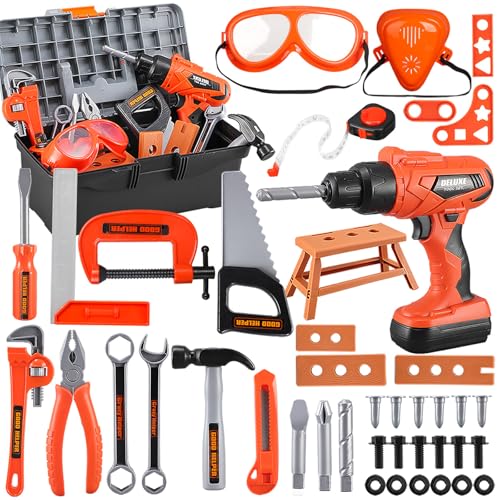
Hand tools come in various shapes and sizes, each designed for a specific task. Some of the most common ones include hammers, screwdrivers, wrenches, and pliers. Hammers are used to drive nails into wood or other materials. Screwdrivers tighten or loosen screws, and they come in different types like flathead and Phillips. Wrenches grip and turn nuts and bolts, while pliers are versatile tools that can cut, grip, or bend wires. Each of these tools plays a unique role in your toolbox. Have you ever picked up a tool and wondered if you were using the right one? Knowing which tool to use when can save you time and frustration. For instance, using a Phillips screwdriver on a flathead screw might damage both the screw and the tool. Understanding the specific purpose of each tool ensures your projects go smoothly.
Functions And Uses
Understanding the functions and uses of these tools is key to mastering your DIY skills. Hammers are not just for nails; rubber mallets can be used to gently tap items into place without causing damage. Screwdrivers can be your best friend in assembling furniture or fixing electronics. Wrenches adjust to the size of the bolt, offering a firm grip without stripping the bolt head. Pliers can help you twist wires when installing lighting or make precise cuts in metal. Think about a time when you tried using a tool and it didn’t quite do the job right. Maybe it was because the tool wasn’t designed for that function. Each tool has a specific use, and using it correctly ensures efficiency and safety. Next time you're in your garage or workshop, take a moment to consider if you're using the right tool for the task at hand. Are you ready to put these insights into practice? Take a look at your toolbox and familiarize yourself with each tool's function. Not only will this make you more confident in your projects, but it will also ensure that your tools last longer, serving you well in every DIY adventure you embark on.
Grip And Control
Understanding grip and control is essential for using hand tools effectively. A proper grip ensures safety and precision. It reduces fatigue and increases efficiency. Maintaining control helps prevent accidents and damage. Learning the right techniques improves your skills and confidence.
Correct Gripping Techniques
Choose a grip that fits your hand comfortably. Your fingers should wrap around the handle firmly. Avoid gripping too tight as it can strain your hand. Keep your wrist straight to prevent injury. Use your arm and shoulder for strength, not just your hand. Adjust your grip based on the tool's size and weight.
Maintaining Control
Keep a stable stance while using hand tools. Balance your body weight evenly on both feet. Ensure your work area is clear and organized. Focus on the task to avoid distractions. Use both hands if necessary for better control. Always be aware of your surroundings to prevent accidents.
Cutting And Shaping
Mastering the art of cutting and shaping is vital for any DIY enthusiast. Proper use of hand tools ensures precision and safety. Learn techniques to enhance your skills in crafting projects. This section explores essential methods in sawing and chiseling.
Sawing Techniques
Using a saw requires focus and steady hands. Choose the right saw for your material. A hacksaw is ideal for metal, while a wood saw suits timber. Ensure the blade is sharp. A dull blade can ruin your project. Position the saw correctly for a clean cut. Hold the handle firmly. Start with gentle strokes to guide the blade. Increase pressure gradually for deeper cuts.
Keep your arm straight while sawing. This prevents jagged edges. Remember to align the blade with the cutting line. This improves accuracy and reduces waste. Practice sawing on scrap materials. It builds confidence and skill over time.
Chiseling Methods
Chiseling transforms raw materials into detailed designs. Choose the right chisel for your task. A bevel-edge chisel works well for woodworking. Ensure the chisel is sharp. A sharp chisel cuts smoother and safer. Hold the chisel at a slight angle.
Use a mallet to tap the chisel gently. This controls the cut and prevents splitting. Make shallow cuts first. These guide deeper strokes later. Keep hands away from the blade path. Safety is key in chiseling. Practice on spare wood to refine your technique.
Maintain a firm grip on the chisel. This gives better control. Follow the grain of the material. It reduces resistance and enhances your cut. Regular practice improves your chiseling skills. It turns basic shapes into beautiful designs.
Fastening And Joining
Fastening and joining are essential tasks in many DIY projects. They involve attaching different materials using tools like hammers and screwdrivers. Proper use of these tools ensures stability and safety. Let's explore some tips for using them effectively.
Hammering Tips
Holding the hammer correctly is crucial. Grip the handle near the end. This provides better control and power. Always aim for the center of the nail head. This reduces the risk of bending the nail. Use smooth, controlled strokes. Avoid wild swings. It helps maintain accuracy. Wear safety glasses to protect your eyes from flying debris. Consider the surface you are hammering into. Hardwoods need more force, while softwoods require less. Always check for any hidden wires or pipes before starting.
Screwdriver Usage
Choose the right screwdriver for the job. Match the screwdriver tip to the screw head. This prevents damage to both the screw and the tool. Hold the screwdriver firmly by the handle. Apply steady pressure while turning. Use your body's weight for extra force. If a screw is tight, apply a lubricant like soap. This can ease the process. For electrical work, use insulated screwdrivers. They reduce the risk of electric shock. Always store your screwdrivers in a dry place. Moisture can lead to rust, affecting their performance.
Measuring And Marking
Using hand tools for measuring and marking requires attention to detail. Ensure accuracy by aligning the tool with the material's edge. Steady hands help maintain straight lines. Keep tools clean and sharp for best results.
Measuring and marking are fundamental steps in any project involving hand tools. Accurate measurements and clear markings lay the groundwork for success, ensuring that everything fits as it should. Whether you're building a bookshelf or crafting a birdhouse, getting these steps right is crucial. Let's explore some practical tips to help you master these skills.
Using Rulers And Tape Measures
Rulers and tape measures are the unsung heroes of any toolkit. Always ensure your ruler is straight and clean before you begin measuring. A dusty or bent ruler can lead to mistakes. Tape measures are versatile, allowing you to measure both straight and curved surfaces. When using a tape measure, hook the end securely on the edge of the material. Pull it taut for an accurate reading. Have you ever noticed the small metal hook at the end of your tape measure? It moves slightly to account for its own thickness, ensuring internal and external measurements are accurate. This tiny detail makes a big difference in precision.
Marking Precision
Precision in marking is just as important as measuring. Use a sharp pencil for clear, thin lines that won't smudge. A blunt pencil can make marks that are too wide, leading to errors. Consider using a marking gauge for consistent lines, especially when working with wood. This tool helps maintain the same distance from the edge, enhancing accuracy. Ask yourself: Are your marks easy to see? If not, try using a colored pencil or chalk for better visibility on darker materials. I once spent hours fixing a project because my markings were off by just a few millimeters. This taught me the importance of double-checking my lines before making any cuts. It’s a small step that saves time and resources. Remember, your goal is to make your project seamless, and precise measuring and marking are key to achieving that. Are you ready to take your measuring skills to the next level?
Maintenance And Care
Using hand tools properly ensures safety and efficiency. Always choose the right tool for the task. Regularly inspect and clean your tools to keep them in top condition. Proper grip and posture can prevent accidents while working.
Maintaining and caring for hand tools is crucial for their longevity. Proper care ensures they perform well and remain safe to use. Regular maintenance helps avoid unexpected breakdowns. This section guides you on cleaning, sharpening, and storing hand tools effectively.
Cleaning Tools
Cleaning tools after each use prevents rust and grime buildup. Use a dry cloth to wipe off dirt and debris. For sticky residues, use a mild soap solution. Make sure to dry tools thoroughly to prevent rust. A small brush can clean tight spaces and crevices. Lubricate metal parts with oil to keep them moving smoothly.
Sharpening Techniques
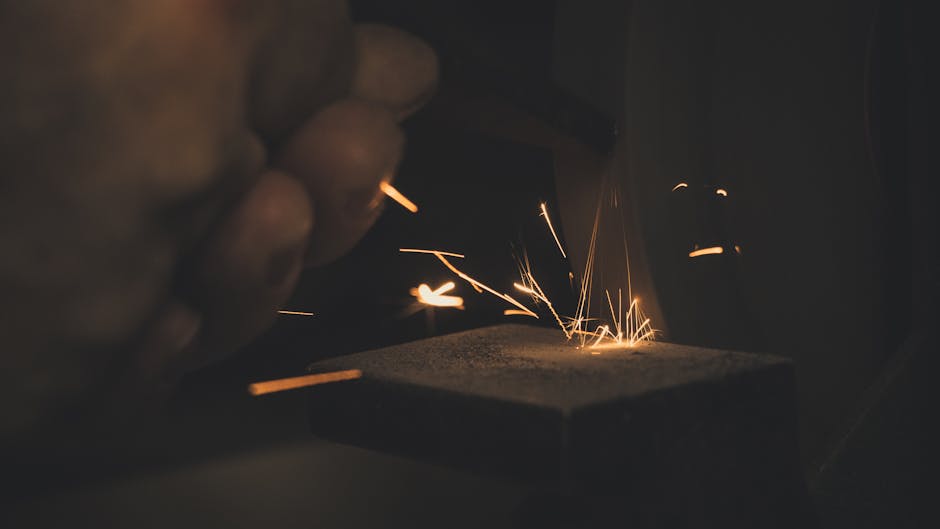
Sharp tools work more efficiently and safely. Use a sharpening stone for blades, maintaining a consistent angle. Follow the manufacturer's instructions for best results. For chisels, a honing guide ensures even sharpening. Check for burrs and remove them with a fine stone. Regular sharpening extends the life of your tools.
Storage Tips
Proper storage protects tools from damage and rust. Store tools in a dry, cool place. Use a toolbox or pegboard to organize them neatly. Keep tools off the ground to avoid moisture exposure. Consider using silica gel packs to control humidity. Label storage areas for easy identification and access.
Troubleshooting Common Issues
Using hand tools can be a rewarding task. But sometimes, problems arise. Understanding these problems is crucial. It helps in maintaining your tools and ensuring safety. A lot of common issues can be fixed with basic knowledge. Let's explore some typical problems and their solutions.
Identifying Wear And Tear
Wear and tear happen with regular use. Look for signs like rust or dull edges. Broken handles or loose parts are also common. Regular checks help spot these issues early. Pay attention to unusual noises during use. These can signal internal damage. Identifying problems early can extend your tool's life.
Repair Solutions
Most hand tools are simple to repair. For rust, use sandpaper or a wire brush. Sharpen dull edges with a sharpening stone. Tighten loose screws with the correct screwdriver. Replace broken handles with new ones. Use the correct size to ensure a snug fit. Regular maintenance prevents frequent repairs.
Frequently Asked Questions
What Are Common Hand Tool Safety Tips?
Always wear protective gear, inspect tools for damage, and store them properly. Ensure a firm grip and use tools for their intended purpose. Keep your workspace tidy to avoid accidents. Regular maintenance, such as sharpening blades, enhances safety and efficiency.
How Do I Maintain Hand Tools?
Clean tools after use and dry them to prevent rust. Lubricate moving parts and sharpen blades regularly. Store them in a dry place and repair any damage immediately. Proper maintenance extends tool life and ensures reliable performance.
Why Is Tool Selection Important?
Choosing the right tool for the job increases efficiency and safety. Using inappropriate tools can lead to damage or injury. Consider the task, material, and tool design to make informed choices. Proper tool selection contributes to successful and safe outcomes.
How Can I Improve Tool Handling Skills?
Practice regularly with different tools to build confidence and skill. Follow manufacturer instructions and seek expert advice if needed. Attend workshops or watch tutorials for advanced techniques. Improved handling skills lead to better results and reduced risk of injury.
Conclusion
Using hand tools safely is essential. Practice builds confidence. Start with basics. Read instructions carefully. Choose the right tool for the job. It prevents damage and injury. Regular maintenance keeps tools in good shape. Clean and store them properly. It extends their life.
Respect safety guidelines always. Protect your hands and eyes. Safety gear matters. Learning improves efficiency. It saves time and effort. Hand tools are simple yet powerful. Handle them with care. They help you create and fix. Follow these tips. Work smart, stay safe, and enjoy your projects!