Have you ever wondered why your toolbox is filled with a variety of hand tools, each serving a unique purpose? Understanding the classification of hand tools can unlock a new level of efficiency and satisfaction in your projects.
Imagine having the right tool at your fingertips, knowing exactly how and when to use it. This knowledge can transform the way you tackle tasks, making them easier and more enjoyable. You'll discover the six classifications of hand tools. These categories will help you organize your toolbox and maximize your productivity.
Whether you're a seasoned DIY enthusiast or a curious beginner, you’ll find that grasping these classifications is key to mastering your craft. Stick around, and you'll soon see how this simple understanding can make all the difference in your work. Ready to elevate your tool knowledge? Let's dive in!
Types Of Hand Tools
Hand tools are vital in any toolkit. Each tool serves a unique purpose. Understanding their types helps in choosing the right tool. This ensures efficiency and safety in tasks. Hand tools are categorized into six main types.
Mechanical tools include wrenches and pliers. They are used for gripping and turning objects. These tools are essential for mechanical tasks. They provide control and precision.
Cutting tools are used for slicing through materials. Common examples are saws and scissors. They are designed to make clean cuts. Precision in cutting is crucial for quality work.
Holding tools keep objects steady. Clamps and vices are popular choices. They provide stability during work. This ensures safety and accuracy in tasks.
Driving tools include screwdrivers and hammers. They are used to drive nails or screws. These tools help in assembling and securing parts. Proper use prevents damage and ensures efficiency.
Striking tools deliver force to objects. Examples are hammers and mallets. They are used for shaping or breaking materials. These tools require precision and control.
Finishing tools refine surfaces. Sandpaper and files are common types. They smooth and polish materials. A good finish improves the appearance and function.
Mechanical Tools
Hand tools are divided into six main categories: cutting, striking, holding, fastening, measuring, and other miscellaneous tools. Each type serves a specific purpose in mechanical tasks, ensuring efficiency and precision. Understanding these classifications helps in choosing the right tool for any job.
Mechanical tools are essential in any toolbox. They help with various tasks, from tightening bolts to cutting wires. Understanding mechanical tools can make DIY projects easier. Let's dive into some common mechanical tools.
Wrenches
Wrenches are versatile. They grip and turn nuts and bolts. Different types include open-end, box-end, and adjustable wrenches. Each serves a unique purpose. Open-end wrenches fit around a bolt. Box-end wrenches encircle the bolt for a firmer grip. Adjustable wrenches can change size to fit various bolts. Wrenches are critical for mechanical work.
Pliers
Pliers hold and twist objects. They are great for gripping, bending, and cutting. Different types of pliers exist. Needle-nose pliers reach tight spots. Slip-joint pliers adjust to different sizes. Cutting pliers snip wires easily. Pliers are essential for electrical and mechanical tasks.
Screwdrivers
Screwdrivers insert and remove screws. They come in various shapes and sizes. Flat-head screwdrivers fit straight slots. Phillips screwdrivers work with cross-shaped slots. Precision screwdrivers handle small screws. Having the right screwdriver makes tasks simpler. They are crucial for assembling furniture and electronics.
Cutting Tools
Hand tools include six main types: cutting tools, striking tools, holding tools, measuring tools, driving tools, and miscellaneous tools. Each type serves a specific purpose in various tasks, from crafting to construction. Understanding these classifications helps in selecting the right tool for the job.
Cutting tools are essential in every toolbox, whether you're a seasoned woodworker or a DIY enthusiast. These tools are designed to slice through materials like wood, metal, or plastic, making them indispensable for various projects. The right cutting tool can make your job easier and your results more precise. Let's dive into three common types of cutting tools you might find useful.
Saws
Saws are versatile tools that come in many shapes and sizes, each designed for specific tasks. From hand saws to power saws, they can cut through wood, metal, and even plastic. A hand saw is great for simple tasks like trimming branches or cutting small pieces of wood. If you've ever tackled a DIY furniture project, you know how a saw can change the game. Power saws, like circular saws or jigsaws, offer precision and efficiency. They're perfect for bigger projects where manual sawing would be exhausting. What's your go-to saw for a quick fix?
Chisels
Chisels are perfect for detailed work, especially in woodworking. They allow you to carve out intricate designs or cleanly trim edges. Imagine crafting a custom wooden frame and using chisels to add those fine details. You can feel the control chisels give in shaping your material. For metalwork, chisels can also be used to chip away unwanted pieces, giving you a polished finish. Have you tried using a chisel for your creative projects?
Knives
Knives are perhaps the most accessible cutting tools around. A sharp knife can handle anything from opening boxes to precision cutting in crafts. Utility knives are perfect for everyday tasks. They're simple yet effective for cutting through cardboard or thin wood. For more delicate work, craft knives offer precision. They’re ideal for tasks requiring a steady hand, like model building or intricate paper crafts. How often do you reach for a knife in your tool collection? Cutting tools are about precision and efficiency. With the right tool in hand, you can transform a challenging task into a rewarding experience. What projects are you planning that might benefit from these cutting tools?
Holding Tools
Holding tools are essential in any toolkit. They provide grip and stability. These tools ensure safety and precision during work. From delicate tasks to heavy-duty projects, holding tools offer the necessary support. Explore the various types and their unique applications.
Clamps
Clamps are versatile holding tools. They secure materials in place during work. Different types exist for various tasks. Bar clamps, for instance, are great for woodworking. Spring clamps offer quick and easy use. Their strong grip ensures materials stay steady.
Vices
Vices are sturdy tools used in workshops. They are mounted on workbenches. Vices hold objects firmly during cutting or drilling. The jaw grip can be adjusted for different sizes. Metalworking and woodworking often require vices for stability.
Tweezers
Tweezers are small, precise holding tools. They are perfect for delicate tasks. Electronics and jewelry making often need tweezers. They allow for careful handling of tiny objects. Tweezers provide control and precision in detailed work.
Driving Tools
Driving tools play a crucial role in construction and maintenance tasks. They are essential for assembling, disassembling, and securing components. Each tool has a specific purpose and function. Knowing the right tool helps achieve accurate results. Let's explore some common driving tools.
Hammers
Hammers are versatile and widely used in many tasks. They drive nails into wood and other materials. A hammer consists of a handle and a head. The head is usually made of metal. It provides the weight needed to drive nails. There are different types of hammers. Claw hammers have a dual purpose. One side drives nails; the other removes them. Ball-peen hammers are used in metalworking. Each type serves a specific need.
Mallets
Mallets are similar to hammers but have a softer head. They are used for striking surfaces without damage. The head is often made of rubber or wood. This design prevents marring or denting. Mallets are ideal for woodworking and upholstery. They apply force gently and precisely. Mallets ensure surfaces remain smooth and unblemished. They are also used in assembling delicate parts. Choose a mallet when a hammer is too harsh.
Drills
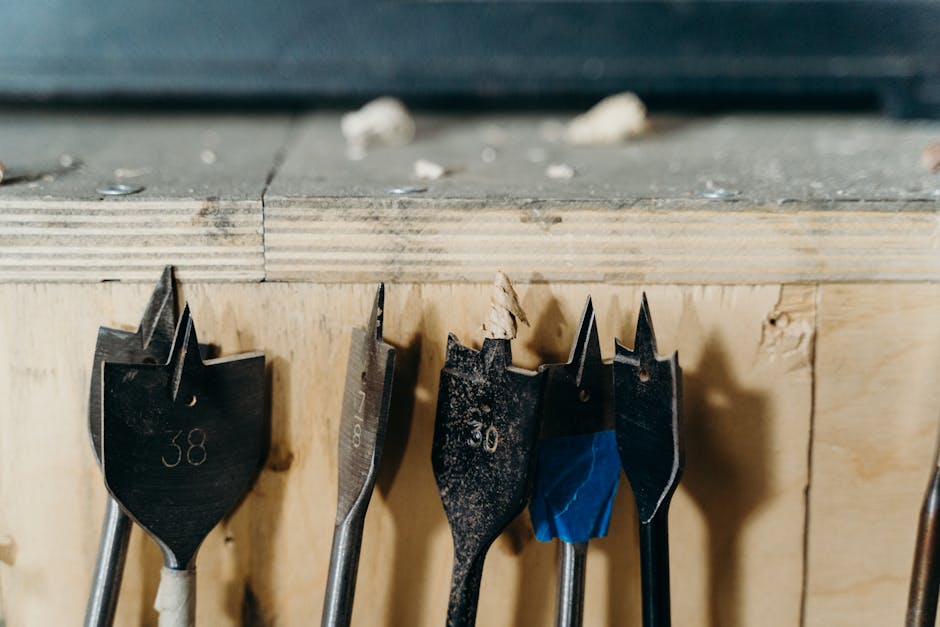
Drills create holes in various materials. They are essential in construction and woodworking. A drill consists of a motor and a rotating bit. The bit bores into wood, metal, or plastic. Drills come in different types. Corded drills offer continuous power. Cordless drills provide portability and convenience. They are suitable for tight spaces. Select the right drill bit for the material. This ensures clean, precise holes.
Striking Tools
Striking tools are essential in various tasks, from construction to woodworking. These tools exert force on an object through impact. This impact can drive, shape, or break materials. Understanding each tool's purpose helps achieve better results.
Punches
Punches are small, cylindrical tools used to indent surfaces. They create marks for drilling or shaping materials. Punches ensure precision and accuracy in tasks. Commonly used in metalworking, they guide drills to specific points.
Mallets
Mallets have a large head, typically made of wood or rubber. They distribute force evenly, minimizing surface damage. Mallets are perfect for woodworking and assembling delicate pieces. Their gentle impact prevents dents and cracks.
Axes
Axes are powerful tools for cutting and shaping wood. They have a sharp, heavy blade attached to a handle. Axes split logs, trim branches, and even carve wood. Essential for outdoor and carpentry tasks, they require skill to use safely.
Finishing Tools
Hand tools are grouped into six types, each serving specific purposes. These categories include cutting, gripping, striking, measuring, holding, and driving tools. Finishing tools refine and smooth materials, ensuring a polished final product.
Finishing tools are essential for achieving that polished and professional look in any project. Whether you're crafting a wooden masterpiece or restoring an old piece of furniture, these tools help you perfect the final touches. They can transform a rough, unrefined surface into a smooth and elegant finish. Let’s delve into some of the key finishing tools that can make all the difference in your projects.
Files
Files are invaluable for refining surfaces and edges. They come in various shapes and sizes, each designed for specific tasks. For instance, a flat file is perfect for smoothing large, flat surfaces, while a round file can help you shape curves or rounded edges. Using files can be a meditative process. The rhythmic motion of filing down material can be surprisingly calming. But remember to wear gloves; a slip can lead to scrapes on your knuckles!
Sandpapers
Sandpapers are your go-to tool for smoothing surfaces and getting rid of imperfections. They come in different grits, each serving a unique purpose. A coarse grit can quickly remove material, while a fine grit is perfect for achieving that silky finish. Have you ever felt the satisfaction of running your fingers over a freshly sanded surface? It's a tactile reward for your hard work. Choose the right grit for the job, and you'll see your project transform before your eyes.
Polishers
Polishers add the final shine to your project. They can range from simple hand-held tools to advanced electric machines. A polisher can bring out the natural beauty of wood or give metal a mirror-like finish. Imagine the pride you'll feel when your project gleams in the sunlight. It's the polish that often makes the difference between ordinary and extraordinary. But be mindful of the pressure you apply; too much can damage the surface instead of enhancing it. As you work with these finishing tools, consider the impact they have on your project. How can files, sandpapers, and polishers elevate your work from good to great? The answer lies in understanding each tool's potential and using them skillfully. What will you create today with these tools in your arsenal?
Safety Tips
Safety is crucial when using hand tools. Injuries can occur without warning. By following simple safety tips, risks can be minimized. Understanding the classification of hand tools helps in using them safely. Below, you'll find essential safety tips categorized under proper usage, maintenance, and personal protective equipment.
Proper Usage
Use each tool for its intended purpose only. Misusing tools can lead to accidents. Hold tools firmly to maintain control. Ensure hands are dry and free from grease. Always cut away from your body. This reduces the risk of injury. Keep your work area well-lit and organized. Clutter can lead to mishaps.
Maintenance
Regular maintenance extends the life of your tools. Inspect tools for wear and damage before use. Replace worn-out tools immediately. Sharpen blades regularly for optimal performance. Rust can weaken tools, so keep them dry. Store tools in a clean, dry place. Proper storage prevents damage.
Personal Protective Equipment
Wear safety goggles to protect your eyes. Gloves provide a better grip and shield your hands. Steel-toed boots safeguard your feet from heavy objects. Ear protection is crucial if tools are noisy. A hard hat guards against head injuries. Ensure your clothing is not loose. Loose clothing can get caught in tools.
Choosing The Right Tool
Discover the six classifications of hand tools, essential for various tasks. These include cutting tools, measuring tools, holding tools, striking tools, driving tools, and finishing tools. Each serves a unique purpose in construction, repairs, and craftsmanship.
Choosing the right hand tool can make all the difference in your project. Whether you're fixing a leaky faucet or assembling furniture, the right tool can save you time and effort. It's not just about having tools; it's about having the right ones for the job. You wouldn't use a hammer to tighten a screw, would you?
Material Considerations
The material of your tool matters more than you might think. Tools made from high-quality steel or alloy tend to be more durable and reliable. Consider the wear and tear they will endure. A cheap plastic handle might not last long if you're using the tool every day. Think about the environment you'll be working in. Will the tool be exposed to moisture or extreme temperatures? Stainless steel tools resist rust, making them perfect for humid climates. You don't want to replace your tools often, so investing in quality materials is a smart move.
Task Requirements
Every tool has a specific purpose. Using a tool for a task it wasn't designed for can lead to poor results or even injury. A flathead screwdriver won't work well for a Phillips screw, and you might end up stripping the screw head. Consider the scale of your project. Are you undertaking a small home repair or a large construction job? A simple hand saw might suffice for cutting a few planks, but a power saw is more efficient for larger tasks. Align your tool choice with the demands of the task for the best outcome. Have you ever tried to use an adjustable wrench when you really needed a socket set? It can be frustrating and time-consuming. Matching the tool to the task ensures efficiency and safety.
Choosing the right hand tool involves careful thought about material and task requirements. Next time you reach for a tool, ask yourself: Is this the right tool for the job?
Frequently Asked Questions
What Are The Main Types Of Hand Tools?
Hand tools are categorized into six main types: cutting, striking, holding, measuring, fastening, and driving tools. Each type serves specific functions, aiding in tasks like cutting materials, fastening components, or measuring dimensions. Understanding these categories helps in selecting the right tool for various tasks.
How Are Cutting Tools Classified?
Cutting tools are hand tools designed to shear, slice, or trim materials. Common examples include saws, scissors, and knives. They are essential for tasks requiring precise material removal. Choosing the correct cutting tool ensures efficiency and accuracy in your projects.
Why Are Striking Tools Important?
Striking tools, such as hammers and mallets, are crucial for applying force. They are used to drive nails, shape metal, or break objects. Proper use of striking tools enhances safety and effectiveness in construction and repair tasks.
What Defines Holding Tools?
Holding tools, like pliers and clamps, secure objects firmly during work. They are essential for maintaining stability and precision, preventing slips or movements. Utilizing holding tools ensures better control and accuracy in various tasks.
Conclusion
Understanding the six classifications of hand tools simplifies your toolbox. Each tool type serves a unique purpose. Knowing this helps in selecting the right tool. It ensures safety and efficiency during tasks. Proper selection minimizes errors and saves time. Hand tools include cutting, gripping, striking, driving, measuring, and holding tools.
Each plays a crucial role in daily tasks. With this knowledge, you can approach projects confidently. This understanding leads to better results in your work. Always choose the right tool for the job. It makes a big difference. Keep learning and exploring more about tools.