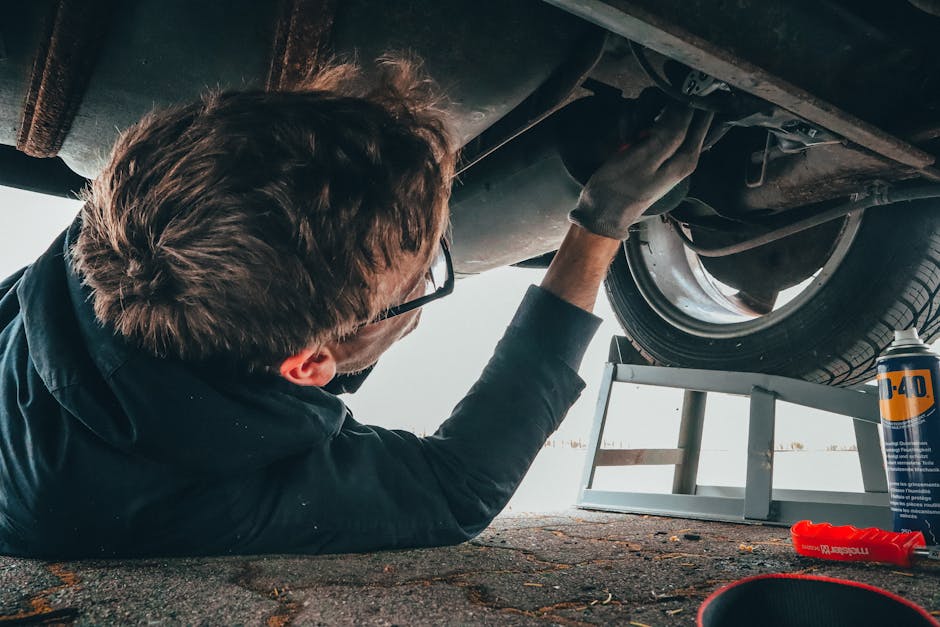
Imagine the headache of your car breaking down in the middle of a crucial journey. Frustrating, right?
Now, think of the same scenario happening with your essential machinery during a peak production run. This is where machine tool maintenance steps in as your savior. You might be wondering, “What exactly is machine tool maintenance and why should I care?
” Well, this is the backbone of keeping your machines running smoothly, reducing downtime, and saving you money in the long run. By understanding the importance of regular maintenance, you’ll not only extend the life of your equipment but also optimize your entire operation. Stick with us, and you'll discover how a little attention now can prevent costly repairs later. Don’t miss out on learning how to keep your machinery in top shape and ensure your business runs like a well-oiled machine.
Importance Of Machine Tool Maintenance
Machine tool maintenance is crucial in any manufacturing environment. It ensures equipment runs smoothly. Proper maintenance reduces downtime and improves productivity. Regular checks prevent unexpected breakdowns. This not only saves money but also boosts efficiency. Ignoring maintenance can lead to costly repairs. It might even result in total equipment failure. Understanding the importance of upkeep is essential for long-term success.
Why Regular Maintenance Is Essential
Regular maintenance helps in identifying minor issues. These issues can be fixed before they escalate. This proactive approach saves both time and money. It also extends the lifespan of your equipment. Regular checks ensure machines operate at peak performance. This leads to higher quality outputs. Skipping maintenance can compromise product quality. Consistent upkeep maintains a safe working environment.
Cost-effectiveness Of Maintenance
Proper maintenance reduces the need for costly repairs. Regular servicing can catch potential problems early. This prevents expensive breakdowns and replacements. Well-maintained machines are more energy-efficient. They use less power, reducing energy bills. Investing in maintenance can save significant costs in the long run.
Enhancing Productivity Through Maintenance
Machines running efficiently boost productivity. Regular maintenance minimizes unexpected downtime. This means fewer interruptions in production. Consistent machine performance leads to better output quality. Employees also work more efficiently with reliable equipment. Maintenance ensures that production schedules stay on track.
Extending Equipment Lifespan
Proper care extends the life of machine tools. Regular maintenance keeps machines in top condition. This reduces wear and tear over time. Longer equipment lifespan means fewer replacements. This saves on costs and ensures consistent production. Maintenance protects your investment in machinery.
Types Of Maintenance Strategies
Machine tool maintenance involves different strategies to keep equipment running smoothly. Preventive maintenance schedules regular check-ups to avoid breakdowns. Predictive maintenance uses data to foresee issues before they arise. Corrective maintenance addresses problems when they occur, ensuring machines are quickly restored to operational status.
Machine Tool Maintenance is vital to ensure smooth operations and extend the lifespan of your equipment. Understanding the types of maintenance strategies can empower you to make informed decisions that prevent costly downtime and enhance productivity. What maintenance strategy do you think aligns best with your operations?
Preventive Maintenance
Preventive Maintenance is all about being proactive. It involves regularly scheduled inspections and servicing to detect potential issues before they escalate. Imagine how much easier life is when you address a minor glitch before it becomes a major breakdown. This strategy often includes tasks like cleaning, lubrication, and parts replacement based on a set schedule. By adopting preventive maintenance, you reduce the risk of unexpected failures, ensuring your machines run smoothly.
Predictive Maintenance
Predictive Maintenance takes advantage of technology. It uses data and sensors to predict when a machine might fail. Think of it as having a crystal ball that tells you when to service your equipment. With predictive maintenance, you analyze trends and patterns from the machine's operations. This helps you determine the optimal time for maintenance, minimizing unnecessary downtime. Imagine the efficiency boost when you replace a part just before it fails, rather than waiting for it to break.
Reactive Maintenance
Reactive Maintenance is the "fix it when it's broken" strategy. It involves repairing or replacing machine components after they fail. While it might sound convenient, relying solely on reactive maintenance can be risky. It often leads to unplanned downtime and might cost more in the long run. Picture the frustration when your production line halts unexpectedly due to a machine breakdown. Reactive maintenance can be effective for non-critical equipment, but for vital machinery, it can prove costly. Choosing the right maintenance strategy can significantly impact your operations. Have you considered how these strategies might improve your machine's performance?
Key Components Of Machine Tools
Machine tool maintenance involves regular check-ups to ensure smooth operation. Key components include lubrication systems, cutting tools, and electrical parts. Proper care extends the machine's life and enhances efficiency.
Machine tool maintenance ensures machines run smoothly. Understanding key components helps in effective maintenance. These components are vital for machine function. They include mechanical parts, electrical systems, hydraulic, and pneumatic systems. Each plays a unique role in machine operation. Regular checks ensure longevity and efficiency.
Mechanical Components
Mechanical parts form the backbone of machine tools. They include gears, bearings, and shafts. These elements ensure movement and precision. Lubrication reduces wear and tear. Proper alignment prevents damage. Regular inspection is crucial. It prevents unexpected breakdowns.
Electrical Systems
Electrical systems power machine tools. They include circuits, motors, and control panels. These systems manage machine speed and operation. Proper wiring prevents short circuits. Routine checks ensure safe operation. Faulty systems can lead to downtime. Timely repairs maintain efficiency.
Hydraulic And Pneumatic Systems
Hydraulic and pneumatic systems control pressure and flow. They use liquids and gases to operate machines. Valves and pumps are essential components. Regular cleaning prevents blockages. Proper pressure levels ensure smooth operation. Monitoring systems prevent leaks. Efficient systems enhance machine performance.
Common Maintenance Tasks
Machine tool maintenance is vital for efficient operations. Regular tasks ensure machinery runs smoothly and safely. Each task focuses on different components. This improves performance and extends equipment life. Explore common maintenance tasks below.
Lubrication And Cleaning
Lubrication reduces friction between moving parts. This prevents wear and tear. Regular cleaning removes dirt and debris. Dirt buildup can cause machinery to malfunction. Use the right lubricant for each machine part. Follow manufacturer guidelines for best results.
Inspection And Adjustment
Routine inspections identify potential issues early. Check for wear and misalignment. Inspect belts, gears, and bearings. Adjust loose components to prevent damage. Regular adjustments keep machines operating efficiently. Accurate alignment improves precision and reduces downtime.
Repair And Replacement
Repair damaged parts promptly. Small issues can become major problems. Replace worn or broken components. Use quality parts to ensure longevity. Track repairs to spot recurring issues. This helps in planning future maintenance better.
Tools And Equipment For Maintenance
Machine tool maintenance ensures efficient and safe operations. A well-maintained machine lasts longer and performs better. Proper tools and equipment are essential for maintenance tasks. These tools help identify issues and perform necessary repairs. Having the right tools can save time and reduce costs.
Basic Hand Tools
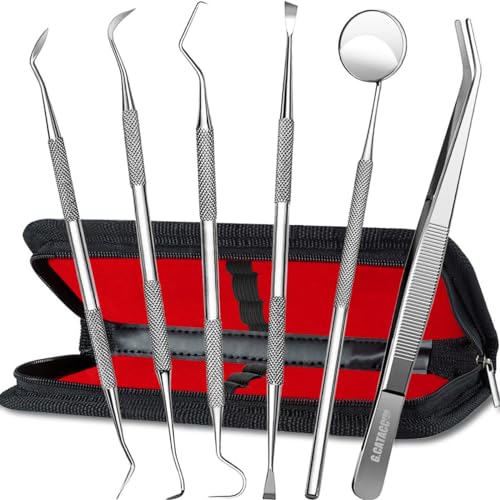
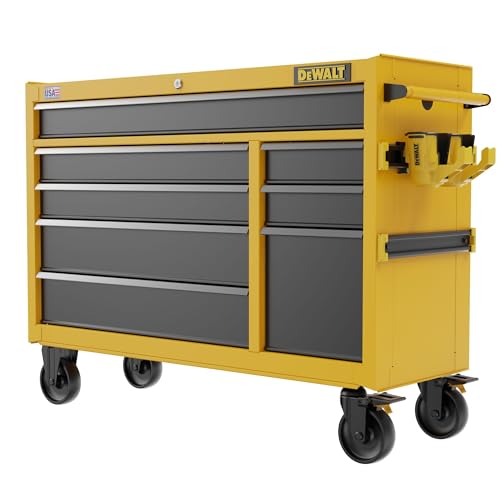
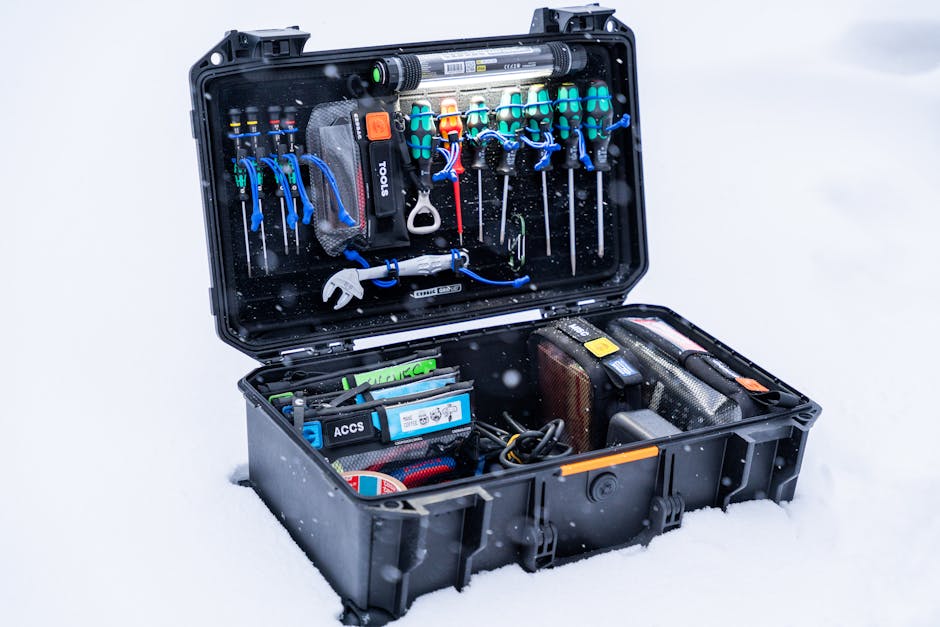
Basic hand tools are crucial for machine maintenance. These include wrenches, screwdrivers, and pliers. They help perform routine adjustments and repairs. Every technician should have these tools in their toolkit. They are easy to use and widely available.
Diagnostic Equipment
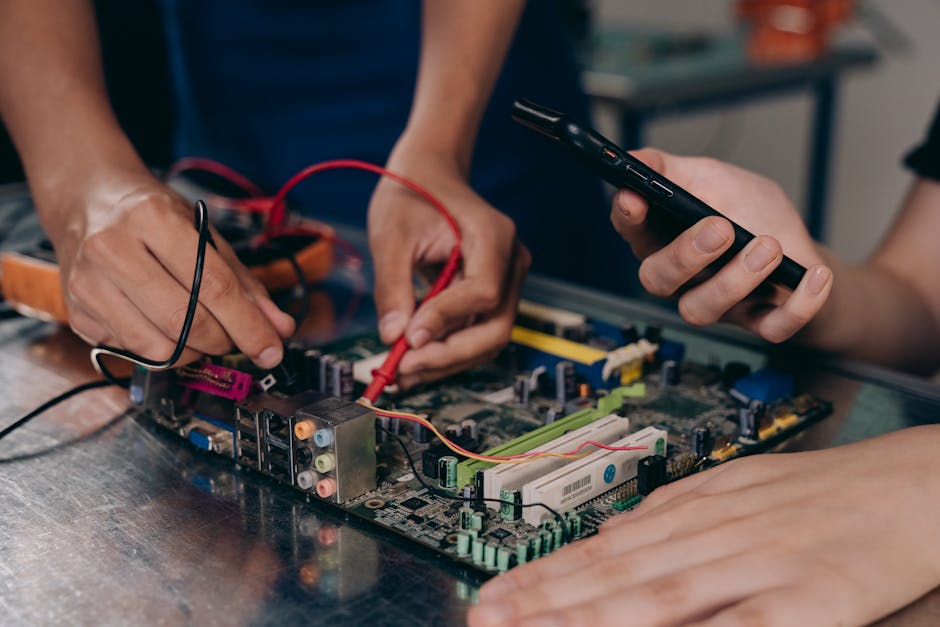
Diagnostic equipment helps identify machine problems. Tools like multimeters check electrical circuits. Vibration analyzers detect mechanical issues. Using these tools ensures accurate diagnosis. This can prevent further damage to the machine.
Safety Gear
Safety gear protects technicians during maintenance. Gloves shield hands from sharp objects. Goggles protect eyes from debris. Ear protection is vital in noisy environments. Safety gear is as important as any tool. Always wear it when working with machines.
Training And Skill Development
Training and skill development are crucial in machine tool maintenance. Proper training ensures technicians perform tasks effectively. Adequate skills reduce machine downtime. It also enhances safety and efficiency. This section explores key aspects of training and skill development.
Technical Training
Technical training equips workers with necessary skills. They learn about machine components. They understand system operations. Technicians gain hands-on experience. This improves troubleshooting abilities. Regular updates ensure knowledge stays current. Proper technical training boosts productivity.
Safety Procedures
Safety procedures are vital in machine tool maintenance. Technicians must know safety protocols. This prevents accidents during maintenance tasks. Training includes handling hazardous materials. Workers learn to use safety gear. Understanding emergency procedures is essential. Safety training protects everyone.
Skill Enhancement Programs
Skill enhancement programs develop technician abilities. These programs offer advanced training. They include specialized workshops. Technicians learn innovative techniques. Programs focus on improving precision. Enhanced skills lead to better maintenance outcomes. Continuous learning is encouraged.
Benefits Of Regular Maintenance
Regular maintenance of machine tools brings many benefits to businesses. It is essential to keep machines running smoothly. This practice helps prevent unexpected breakdowns and costly repairs. Routine checks and servicing ensure that tools operate at their best. Let's explore the key benefits of regular maintenance.
Increased Longevity
Regular maintenance extends the lifespan of machine tools. Proper care reduces wear and tear. It prevents small issues from becoming big problems. Machines last longer when they are well-maintained. This means fewer replacements over time.
Improved Performance
Well-maintained machines work more efficiently. They produce consistent, high-quality results. Regular checks help identify and fix performance issues. This ensures that machines operate at peak efficiency. Productivity increases when machines perform well.
Cost Efficiency
Routine maintenance saves money in the long run. It reduces the need for expensive emergency repairs. Well-maintained machines consume less energy. This leads to lower operating costs. Regular upkeep prevents costly downtime, keeping production on track.
Challenges In Machine Tool Maintenance
Machine tool maintenance involves keeping machines in good condition for efficient operation. Challenges include wear and tear, unexpected breakdowns, and the need for skilled technicians. Regular upkeep is essential to avoid costly repairs and maintain production quality.
Maintaining machine tools is crucial for any manufacturing operation, but it comes with its own set of challenges. These challenges can impact productivity, cost-efficiency, and even the quality of the final product. Understanding these hurdles can help you devise better strategies to keep your equipment in top-notch condition. Let's dive into some common issues you may face.
Resource Allocation
Allocating resources efficiently is a significant challenge in machine tool maintenance. You often have to balance between manpower, time, and budget. Imagine having a highly skilled technician available, but lacking the necessary spare parts—it's like having a pilot without a plane. Planning ahead can help mitigate this issue. Consider creating a schedule that aligns technician availability with supply deliveries. Prioritize maintenance tasks based on urgency and impact on production. This ensures that resources are used where they're most needed, helping to minimize waste and inefficiencies.
Downtime Management
Machine downtime can be a nightmare, costing you both time and money. One of the most daunting aspects is predicting when a machine might fail. Unplanned downtime can halt operations and lead to missed deadlines. To tackle this, you could implement predictive maintenance techniques. Using sensors and data analytics, you can predict when a machine might fail and perform maintenance just in time. This proactive approach can significantly reduce downtime, keeping your production line humming along smoothly.
Technical Expertise
Finding personnel with the right technical expertise is another challenge. Machines today are more complex than ever, requiring specialized skills for maintenance and repair. You might have encountered a situation where a technician struggled with a new machine model, delaying the entire process. Invest in ongoing training programs for your team. Encourage them to stay updated with the latest technologies and methodologies. This not only enhances their skill set but also boosts their confidence to tackle any maintenance issue head-on. Are you facing these challenges in your operations? How do you manage them? Your insights could be the key to improving your maintenance strategy.
Future Trends In Maintenance
Machine tool maintenance ensures machines work efficiently and safely. It involves regular inspections, cleaning, and replacing worn parts. Future trends emphasize predictive maintenance using data analytics to anticipate issues before they occur.
As technology continues to evolve, the future of machine tool maintenance is rapidly changing. With advancements in automation, data analytics, and sustainable practices, maintenance strategies are becoming more efficient and intelligent. These trends not only promise to improve the longevity and performance of machinery but also offer new ways to reduce costs and environmental impact. What does the future hold for machine tool maintenance? Let's explore some of the key trends.
Automation And Ai
Imagine a world where machines can predict when they need maintenance. Automation and AI are making this a reality. Automated systems can monitor equipment health and alert you to potential issues before they become costly problems. AI algorithms can analyze patterns and predict failures, reducing downtime and enhancing productivity. This shift allows maintenance teams to focus on strategic tasks instead of routine checks. Are you ready to let AI handle your maintenance needs?
Data-driven Maintenance
Data is the new oil, especially in maintenance. By collecting and analyzing data from machines, you can make informed decisions about when and how to maintain them. This approach, known as predictive maintenance, helps in scheduling maintenance activities based on actual equipment conditions rather than a fixed schedule. It's like having a crystal ball that tells you exactly when a machine will need attention. How are you leveraging data to optimize your maintenance processes?
Sustainability Practices
Sustainability is not just a buzzword; it's a necessity. In maintenance, sustainable practices are gaining momentum. Using eco-friendly lubricants, implementing energy-efficient processes, and reducing waste are just a few ways to make maintenance greener. This not only helps the environment but can also lead to cost savings. Can your maintenance practices be both effective and environmentally friendly? As these trends continue to develop, the landscape of machine tool maintenance will keep changing. By embracing these innovations, you can ensure your maintenance practices are not only up-to-date but also positioned for future success. Are you ready to take the leap into the future of maintenance?
Frequently Asked Questions
What Is Machine Tool Maintenance?
Machine tool maintenance involves regular inspection, cleaning, and servicing of machinery. It ensures optimal performance, reduces downtime, and extends equipment lifespan. Proper maintenance minimizes wear and tear, prevents unexpected failures, and enhances productivity. Regular checks on components like lubricants, belts, and electrical systems are crucial for effective maintenance.
Why Is Machine Tool Maintenance Important?
Machine tool maintenance is vital for efficiency and longevity. It prevents costly breakdowns and minimizes downtime. Regular upkeep ensures machines operate at peak performance. This maintenance enhances safety, reduces repair costs, and prolongs equipment lifespan. It ultimately boosts productivity and saves money in the long run.
How Often Should Machine Tools Be Maintained?
Machine tools should be maintained regularly based on usage and manufacturer guidelines. Daily checks are essential for heavy-use equipment. Monthly and annual inspections are recommended for comprehensive maintenance. Frequent assessments help identify issues early, ensuring machines run efficiently and avoiding unexpected breakdowns.
What Are Common Machine Tool Maintenance Tasks?
Common maintenance tasks include cleaning, lubricating, and inspecting components. Checking electrical systems, belts, and alignment is crucial. Regularly replace worn-out parts to prevent failures. Calibration and adjustments ensure precision. Performing these tasks routinely enhances equipment performance and reliability.
Conclusion
Regular maintenance of machine tools is vital for smooth operations. It extends equipment life and reduces downtime. Skilled workers ensure machines run efficiently. Regular checks prevent costly repairs. Clean machines work better and last longer. Proper lubrication is crucial for parts to move smoothly.
Training staff helps in spotting issues early. Investing in maintenance saves money in the long run. Safe machines protect workers from accidents. A well-maintained machine boosts productivity. Keeping tools in good shape is smart business. Regular care keeps factories running strong.
Maintain your machines, and they will serve you well.