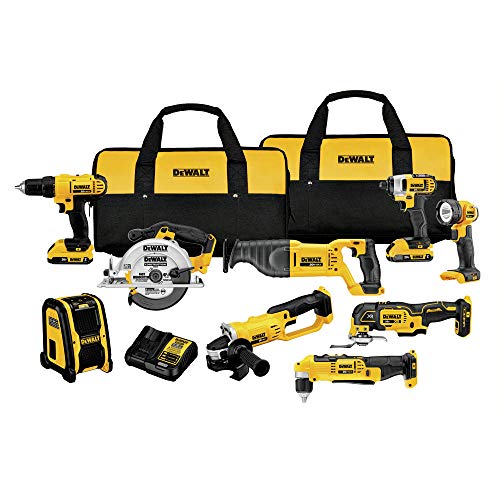
Imagine you're in the middle of a crucial project, and you need the right tool to get the job done quickly and efficiently. You've heard the debate about air tools versus electric tools, and you're wondering which is truly more powerful.
You want power, precision, and reliability. But which option delivers better results? Are air tools the secret weapon for your toolbox, or do electric tools hold the upper hand in terms of performance? As you delve into this article, you'll uncover the surprising truths and unexpected advantages of each, helping you make an informed decision for your next big task.
Get ready to discover which tool will revolutionize the way you work, boost your efficiency, and elevate your craftsmanship to new heights.
Power Comparison
Air tools often offer more power for heavy tasks than electric tools. They use compressed air, delivering consistent force. Electric tools, though versatile, may struggle with demanding jobs.
When considering which tool to add to your workshop, understanding the power difference between air and electric tools is crucial. Each has its own set of strengths that can significantly impact your work. Whether you're a DIY enthusiast or a professional, knowing how these tools perform can save you time and improve your results.
Air Tools Strengths
Air tools are often celebrated for their incredible power output. They are typically lighter, making them easier to handle for long periods. This can be a game-changer if you're working on a large project. These tools run on compressed air, which allows them to deliver consistent power without overheating. Imagine working on a car restoration: an air-powered impact wrench can remove lug nuts with ease, saving you both time and effort. Air tools are also highly durable, often lasting longer than their electric counterparts. They can withstand harsh environments, making them ideal for heavy-duty work. You might find that investing in air tools pays off in the long run due to their longevity and reliability.
Electric Tools Strengths
Electric tools offer the advantage of convenience and portability. They plug into a standard outlet or run on batteries, eliminating the need for a bulky air compressor. If your workspace is limited, electric tools can be a more practical choice. These tools often come with variable speed settings, allowing for greater control over your work. This is particularly beneficial when performing tasks that require precision, like drilling pilot holes for woodworking. Electric tools are generally easier to maintain. Without the need for an air compressor or regular lubrication, they require less upkeep. This can be a significant advantage if you're looking to minimize maintenance time and focus more on your projects. Which type of tool do you find more suitable for your needs? The answer might depend on the specific tasks you tackle most often. Whether you value raw power or ease of use, understanding these strengths can help you make an informed decision.
Efficiency And Performance
Air tools often deliver higher power, making them ideal for heavy-duty tasks. They rely on compressed air, which provides consistent force. Electric tools, while versatile, sometimes lack the raw power needed for demanding jobs.
When considering the efficiency and performance of air tools versus electric tools, it's essential to weigh the factors that matter most to your needs. Are you focused on speed, power, and consistency, or do you value ease of use and portability more? Understanding these elements can help you make a more informed decision. Let’s explore how air tools stack up against electric ones in terms of efficiency and performance.
Speed And Torque
Air tools are often praised for their exceptional speed and torque. A pneumatic wrench, for instance, can deliver high torque levels quickly, making tasks like changing tires a breeze. If you've ever been in a workshop, you might have noticed how quickly mechanics can switch between tasks using air tools. Electric tools, on the other hand, have improved significantly over the years. However, they may still lag in torque compared to their air counterparts. Consider the type of work you do. Does speed and torque matter more than convenience?
Consistency In Output
Consistency in performance is another critical aspect. Air tools generally offer more consistent power delivery. Since they are powered by compressed air, they can run continuously without the risk of overheating. You can keep going as long as your compressor is running. Electric tools might experience a drop in performance as battery levels deplete. In a long work session, this can be a significant drawback. Imagine being in the middle of a project and having your tool slow down unexpectedly. For many, the balance between maintaining consistent output and dealing with potential downtime is a crucial factor. Which would you prioritize in your workshop or on the job site? Understanding these nuances between air and electric tools can guide you toward the right choice for your specific tasks. Whether speed, torque, or output consistency is your priority, each tool type offers distinct advantages. Your decision ultimately depends on what you value most in your tool arsenal.
Durability And Maintenance
Durability and maintenance are crucial factors when choosing between air and electric tools. Understanding how each type fares in terms of longevity and upkeep can guide your decision. Air tools and electric tools both offer unique benefits, making them suitable for different tasks and environments.
Longevity Of Air Tools
Air tools often boast impressive durability. They have fewer moving parts compared to electric tools. This simplicity reduces wear and tear. Air tools can handle heavy-duty tasks over long periods. Their design allows them to last many years, even with daily use.
With proper care, air tools rarely need major repairs. Regular lubrication can keep them running smoothly. Their longevity makes them a reliable choice for industrial settings. They excel in tough environments where electric tools might falter.
Maintenance Of Electric Tools
Electric tools require regular maintenance to ensure optimal performance. They have more components, which can lead to frequent wear. Cleaning the vents and checking the cords is essential. Regular inspection helps prevent unexpected breakdowns.
Replacing parts like brushes can extend their life. Proper storage prevents damage from moisture or dust. While electric tools offer convenience, they need more attention. Regular upkeep ensures they remain efficient and safe to use.
Cost Considerations
Choosing between air tools and electric tools often comes down to cost considerations. Both options have their financial pros and cons. Understanding these can help make an informed decision.
Initial Investment
Air tools usually require an air compressor. This adds to the initial investment. Compressors can be expensive. They range from small portable models to large industrial units. Electric tools, on the other hand, need no extra equipment. They often cost less upfront. Buying multiple air tools may demand a more powerful compressor. This further increases initial costs.
Long-term Expenses
Long-term expenses differ significantly between air and electric tools. Air tools generally have fewer moving parts. This makes them less prone to wear and tear. Maintenance costs tend to be lower. Electric tools may require frequent repairs or replacements. Electricity costs can add up over time. Air compressors also need regular maintenance. Oil changes and filter replacements are common. These ongoing costs can affect the budget.
Application Suitability
Choosing between air tools and electric tools depends on your project needs. Both have unique strengths. Understanding application suitability helps make the right choice. Let's explore their suitability for different uses.
Industrial Use
Air tools are common in industrial settings. They offer high power and durability. Factories and workshops prefer them for heavy-duty tasks. Air tools handle demanding jobs like assembly lines efficiently. They are often lighter, reducing worker fatigue over long periods. Their continuous power makes them ideal for repetitive tasks. Maintenance is straightforward, ensuring reliability and longevity.
Diy Projects
Electric tools suit DIY enthusiasts well. They are user-friendly and portable. No need for a compressor, making them easy to start. Electric tools are versatile for various home projects. From drilling to sanding, they cover many needs. They are quieter, suitable for residential areas. Plug them in and they are ready, making them convenient for quick tasks.
Environmental Impact
When choosing between air tools and electric tools, many people focus on power and efficiency. However, the environmental impact is an equally important factor. How do these tools affect our planet? You might be surprised by the differences in energy consumption and noise levels. Let's dive into these aspects and see how your choices could make a difference.
Energy Consumption
Electric tools run on the power grid, using electricity that often comes from fossil fuels. This means every time you use an electric drill or saw, you're tapping into resources that contribute to carbon emissions.
Air tools, on the other hand, are powered by compressors, which can be energy-efficient. If the compressor is powered by renewable energy or used wisely, air tools can have a lower carbon footprint.
Think about your last home renovation. How many times did you recharge your drill? Consider switching to air tools to reduce your energy impact. They might just help you save on your next electricity bill.
Noise Levels
Noise pollution is often overlooked, but it affects both human health and wildlife. Electric tools are notorious for their loud operation, which can disturb your neighbors and local fauna.
Air tools generally produce less noise. Their quieter operation can create a more pleasant working environment, especially if you're working in a residential area.
Have you ever had to stop a project because of complaints from neighbors? Air tools might be your answer to a quieter, more community-friendly work site.
Choosing tools that have a lower environmental impact is not just about saving energy or reducing noise. It's about making mindful decisions that benefit both you and the planet. Which tool will you pick next time?
User Experience
Choosing between air tools and electric tools can be challenging. Each has unique advantages. Understanding their user experience is essential. This helps in making informed decisions. Let's explore how ease of use and portability affect user experience.
Ease Of Use
Air tools often require less manual effort. They provide consistent power. This makes tasks quicker and easier. Electric tools can be simpler to start. They usually just need a button press. Air tools may need a compressor. This can complicate initial setup. Yet, once running, air tools often feel lighter. This can reduce fatigue during extended use.
Portability
Portability is crucial for many users. Electric tools often win in this area. They are self-contained. No compressor is needed. You can move them easily from one place to another. Air tools depend on compressors and hoses. This can limit movement. Yet, air tools are often more compact. They can fit into tighter spaces. Both types have portable options. Consider your workspace and mobility needs.
Frequently Asked Questions
Are Air Tools More Efficient Than Electric Tools?
Air tools often deliver more consistent power than electric ones. They are ideal for heavy-duty tasks, offering greater torque and reliability. However, their efficiency depends on the compressor quality. Electric tools are versatile and portable, suitable for lighter tasks. Choosing between them depends on specific needs and work environment.
Do Air Tools Last Longer Than Electric Tools?
Air tools generally have fewer moving parts, reducing wear and tear. This often results in longer lifespan compared to electric tools. They require regular maintenance and a good air compressor. Electric tools may need frequent repairs but are easier to maintain and use without additional equipment.
Are Air Tools Safer Than Electric Tools?
Air tools eliminate electrical shock risk, making them safer in wet conditions. They are typically lighter, reducing user fatigue. However, they require compressed air, which can pose hazards if mishandled. Electric tools are safer when handled properly and used in dry environments.
Safety depends on usage and maintenance of each tool.
Is The Cost Of Air Tools Higher Than Electric Tools?
Air tools require an investment in a compressor, potentially increasing upfront costs. However, they offer long-term savings due to durability. Electric tools are often cheaper initially but may incur higher maintenance costs. The total cost depends on usage frequency and specific project requirements.
Conclusion
Air tools and electric tools each have strengths. Air tools often deliver more force. Electric tools offer convenience and portability. Choosing between them depends on your needs. For heavy-duty tasks, air tools may be better. For quick jobs, electric tools work well.
Consider your workspace and budget. Both types serve different purposes. Your decision should fit your project requirements. Evaluate efficiency, power, and ease of use. Make informed choices for your projects. Understanding tool features helps in selecting the best option. With the right tools, tasks become smoother and more efficient.