Are you curious about what really happens in a mechanic's workshop? You might picture high-tech gadgets and computerized systems.
But did you know that hand tools still play a crucial role in car repairs? These trusty tools aren't just relics of the past; they are essential in every mechanic's toolkit. Understanding why mechanics rely on these simple yet effective tools can transform how you view car maintenance and repair.
Imagine the precision and skill that come with using hand tools to fix intricate engine issues. Intrigued? Let's dive into the fascinating world of hand tools in the automotive industry and discover why they remain indispensable. Stay with us, and you'll gain insights that might surprise you and change your perspective on car repair forever.
The Role Of Hand Tools In Automotive Repair
Mechanics rely on hand tools for precision and control in automotive repair. These tools provide accuracy in tight spaces, essential for fixing complex car parts. From wrenches to screwdrivers, hand tools are indispensable in every mechanic's toolkit.
In the world of automotive repair, hand tools play a crucial role. They're the backbone of any mechanic's toolkit, offering precision and control that's often unmatched by power tools. Whether you're fixing a simple flat tire or tackling a more complex engine issue, hand tools are indispensable in ensuring the job is done right.
The Precision Of Hand Tools
Hand tools allow mechanics to perform tasks with a high degree of accuracy. Imagine adjusting a carburetor; a screwdriver provides the exact control needed to make precise tweaks. This precision is often necessary in automotive repair, where even a small error can lead to bigger problems down the line.
Versatility And Accessibility
Hand tools are incredibly versatile. From wrenches to pliers, each tool has multiple uses. A socket wrench, for example, can help in both loosening and tightening bolts. Plus, these tools are generally affordable, making them accessible to both professional mechanics and DIY enthusiasts.
Reliability In Any Situation
Unlike power tools that depend on electricity or batteries, hand tools can be used anytime, anywhere. Picture yourself stranded with a broken-down car; without electricity, a simple wrench can be a lifesaver. This reliability means hand tools are always ready to get the job done, no matter the situation.
Building Skill And Confidence
Using hand tools requires skill and practice. As you become more adept with them, your confidence in tackling repairs grows. Have you ever felt the satisfaction of fixing something with your own hands? That’s the empowerment hand tools offer—turning daunting tasks into manageable ones.
Environmental And Economic Benefits
Hand tools are not only easy on your wallet but also environmentally friendly. They don't require energy to operate, reducing your carbon footprint. Moreover, their durability means they can last for years, saving you money in the long run. Hand tools may seem simple, but they hold incredible power in the realm of automotive repair. Their precision, versatility, and reliability make them an essential part of any mechanic's toolkit. So next time you face a car issue, consider reaching for a hand tool first. What hand tool has been a game-changer for you?
Common Hand Tools Used By Mechanics
Mechanics rely on hand tools every day. These tools are essential for repairing and maintaining vehicles. The right tools can make a job easier and faster. Some hand tools are versatile, while others have specific uses. Here, we explore some common hand tools mechanics use.
Wrenches And Ratchets
Wrenches and ratchets are crucial in a mechanic's toolkit. Wrenches help tighten or loosen nuts and bolts. They come in various sizes to fit different fasteners. Ratchets, on the other hand, allow for quick adjustments. They have a gear mechanism that makes turning bolts easy. Both tools are vital for engine work and more.
Screwdrivers And Pliers
Screwdrivers are used for driving screws. They come in different shapes and sizes, like flathead and Phillips. Pliers are versatile tools, too. They grip, twist, and cut wires. Mechanics use them for electrical work and other tasks. Both tools are must-haves for any mechanic.
Socket Sets
Socket sets are indispensable for mechanics. They include a range of sockets and a ratchet handle. Sockets fit over nuts and bolts for easy turning. They save time and effort. A complete socket set covers various sizes. This ensures mechanics are ready for any job.
Specialized Hand Tools For Precision Work
Mechanics rely on hand tools for precision in their work. Specialized hand tools ensure accuracy in repairs and maintenance. They are essential for achieving high standards in automotive tasks. These tools enhance efficiency and ensure safety in mechanical work.
Torque Wrenches
Torque wrenches apply specific force to fasteners. They prevent over-tightening or under-tightening. This ensures components are secure and function properly. Precision is critical for engine parts and structural components. Using the correct torque wrench maintains vehicle integrity.
Feeler Gauges
Feeler gauges measure gap widths in engines. They consist of thin metal strips in different thicknesses. Mechanics use them to check valve clearances. Ensuring correct gaps improves engine performance. Proper gap maintenance extends engine life.
Brake Tools
Brake tools ensure proper brake system function. They help in adjusting and replacing brake components. Tools like brake caliper wind back kits are common. These tools ensure brakes operate smoothly. Proper brake maintenance enhances vehicle safety.
Benefits Of Using Hand Tools
Hand tools have been a mechanic's best friend for ages. They offer unique advantages that power tools sometimes lack. Their simplicity makes them essential in every garage or workshop. Mechanics prefer hand tools for their unmatched benefits.
Durability And Reliability
Hand tools are built to last. They don't have complex parts that break easily. This makes them reliable for daily use. Mechanics trust them for their steady performance over the years. Many tools remain functional even after decades. Their durability saves time and money. Replacing tools frequently is not a concern.
Ease Of Use And Accessibility
Using hand tools is straightforward. They don't require manuals or training. Anyone can pick them up and start working. This simplicity is valuable for quick fixes. Hand tools don't need electricity or batteries. They are always ready for use. This makes them accessible for outdoor or remote repairs.
Maintaining Hand Tools For Longevity
Mechanics rely on hand tools for precise work and repairs. Proper maintenance ensures tools last longer and perform efficiently. Regular cleaning and oiling prevent rust and wear.
Maintaining hand tools for longevity is essential for any mechanic who wants to ensure efficiency and safety in their work. Hand tools are the backbone of any garage, and with regular upkeep, they can serve you faithfully for years. Let's delve into some practical tips to keep your tools in top-notch condition.
Cleaning And Storage
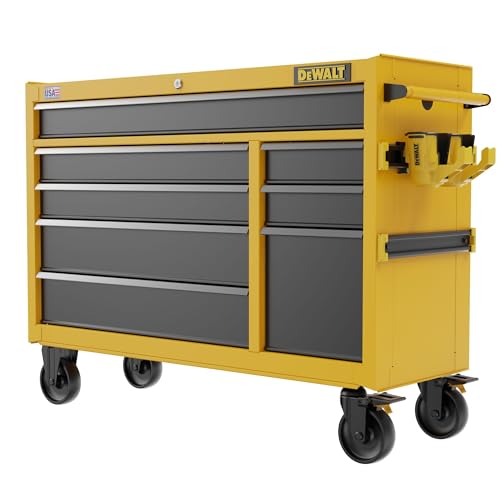
Cleaning your tools after each use is crucial. Dirt and grime can cause corrosion, reducing the tool's lifespan. Use a simple rag and a mild cleaning solution to wipe them down. Proper storage is equally important. Store your tools in a dry, organized space. A toolbox with compartments can prevent them from bumping into each other and getting damaged. Have you ever found a rusty wrench that you forgot to clean? A bit of care could have saved it. Make cleaning and storing a daily habit.
Regular Inspection And Repair
Regular inspection helps identify potential issues before they become big problems. Check for cracks or wear that could compromise safety and performance. Repair minor issues promptly. A loose handle or chipped edge can usually be fixed with basic repair kits. This not only extends the life of the tool but also ensures it works efficiently. How often do you check your tools for damage? Regular checks could save you from unexpected failures during crucial tasks. Prioritizing maintenance can drastically enhance your productivity.
Choosing The Right Hand Tools
Choosing the right hand tools is vital for mechanics. The right tools make tasks easier and faster. Good tools also ensure safety and precision. This section will guide you through making the best choices. Focus on quality and brand reputation for lasting performance.
Quality Versus Cost
Quality tools often come with a higher price tag. They last longer and perform better. Cheap tools might save money initially. They often break or wear out fast. Investing in quality tools saves money in the long run. Consider durability and material when choosing tools.
Brand Reputation
Brand reputation is crucial in tool selection. Well-known brands often guarantee quality and reliability. They offer better customer support and warranties. New or unknown brands might not have proven track records. Research and reviews can guide your decision.
Safety Tips When Using Hand Tools
Mechanics often rely on hand tools for precision work. Always wear protective gear and maintain tools properly. Ensure a firm grip to prevent accidents.
When mechanics use hand tools, safety is a priority. Proper techniques prevent injuries and ensure efficiency. Mechanics handle various tools daily, making safety knowledge crucial. Understanding safe practices protects both the user and the equipment. Here, we explore essential safety tips.
Proper Handling Techniques
Grip tools firmly to avoid slips. Always use the right tool for the task. Inspect tools for damage before use. Broken tools can cause accidents. Keep tools clean and well-maintained. A clean tool is more effective and safer. Store tools properly after use. Organized tools are easy to find and prevent accidents.
Protective Gear And Equipment
Wear gloves to protect your hands. They offer grip and safety. Use safety glasses to shield your eyes. Flying debris can cause serious injuries. Wear sturdy shoes to protect your feet. Dropped tools can be dangerous. Consider wearing ear protection in noisy environments. Loud noises can damage hearing over time. Always ensure gear fits well. Loose gear can be a hazard.
Frequently Asked Questions
Do Mechanics Rely On Hand Tools Often?
Yes, mechanics frequently use hand tools for various tasks. These tools offer precision and control for intricate repairs. Hand tools like wrenches, screwdrivers, and pliers are essential in a mechanic's toolkit. They are crucial for tasks where power tools might not be practical.
What Are Common Hand Tools Used By Mechanics?
Mechanics typically use wrenches, screwdrivers, pliers, and sockets. These tools help in tightening, loosening, and adjusting components. Hand tools are vital for tasks like engine repairs and brake adjustments. They offer the precision needed for delicate mechanical work.
Why Do Mechanics Prefer Hand Tools?
Mechanics prefer hand tools for their precision and control. Hand tools are versatile and can reach tight spaces. They're also ideal for small or delicate tasks where power tools might be too aggressive. Hand tools ensure accuracy in repairs and maintenance.
Are Hand Tools Essential For Auto Repairs?
Yes, hand tools are essential for most auto repairs. They provide the necessary precision and control for detailed work. Many automotive tasks require the finesse that hand tools offer. Without them, mechanics would struggle with intricate adjustments and repairs.
Conclusion
Mechanics rely on hand tools every day. They trust them for precision. Hand tools offer control, making repairs easier. They're durable, lasting through tough tasks. Mechanics choose them for their versatility. They fit well in tight spaces. With hand tools, mechanics achieve accurate results.
These tools are essential in every garage. Mechanics see them as extensions of their hands. They provide reliability during critical repairs. Hand tools remain vital for any mechanic's toolkit. Their simplicity and effectiveness are unmatched. Mechanics prefer them for their consistent performance.
A dependable choice for any mechanic.