Are your trusty hand tools starting to look a little worse for wear, with rusty patches creeping in? You’re not alone.
Many of us have reached for our favorite wrench or screwdriver, only to find it covered in rust. It's not just about appearances—rust can weaken your tools, making them less effective and even unsafe. But before you think about replacing them, there's good news.
You can breathe new life into your rusty hand tools with just a few simple steps. Imagine the satisfaction of seeing them gleam like new again, ready to tackle any task you throw their way. Curious to learn how you can restore them easily and affordably? Stick around, and we’ll guide you through the process, ensuring your tools are in top shape for whatever project lies ahead.
Gathering Essential Supplies
To clean rusty hand tools, gather essential supplies like white vinegar, baking soda, and a wire brush. Soak tools in vinegar overnight, then scrub with baking soda for effective rust removal. Regular maintenance prevents future rust and keeps tools in great condition.
Gathering the essential supplies is the first step to restoring your rusty hand tools. The right materials make the cleaning process more effective and efficient. You don’t want to start the job only to find you’re missing a crucial item. By preparing ahead, you'll save time and avoid frustration. So, what exactly do you need to get started?
1. Protective Gear
Safety should always come first. Make sure you have a pair of durable gloves to protect your hands from sharp edges and harsh chemicals. Safety goggles are also a must to shield your eyes from splashes. Have you considered wearing an old apron or work clothes to keep your outfit stain-free?
2. Cleaning Agents
A common household item like white vinegar can work wonders on rust. You might also consider baking soda for a gentler approach. If you're dealing with stubborn rust, a commercial rust remover might be necessary. Have you ever tried using lemon juice? It’s a natural alternative that’s easy on the environment.
3. Scrubbing Tools
A wire brush or an old toothbrush can be invaluable for scrubbing away rust. Steel wool is another effective option, especially for heavy-duty cleaning. If you don’t have these at hand, a piece of aluminum foil can act as a makeshift scrubber. What common items can you repurpose to tackle the task?
4. Cloths And Towels
You'll need a few clean cloths or towels to wipe down your tools after cleaning. Microfiber cloths are excellent for absorbing moisture and leaving surfaces spotless. Do you have an old towel you can cut up for this purpose?
5. Lubricants
After cleaning, it’s important to protect your tools to prevent future rust. A light machine oil or WD-40 can provide a protective coating. Have you ever tried using coconut oil? It’s a natural option that also works well. Preparing these supplies beforehand ensures that your tool restoration project goes smoothly. With everything ready, you're set to tackle the rust and give your tools a new lease on life. What are you waiting for? Grab your supplies and let’s get those tools shining again!
Understanding Rust Formation
Rust forms when iron reacts with oxygen and moisture. To clean rusty tools, scrub them with vinegar and salt. A wire brush can help remove stubborn rust spots effectively, restoring the tools to a more usable condition.
Understanding how rust forms on your hand tools can save you time and money. It's more than just a cosmetic issue; rust can weaken tools and make them unsafe. By knowing the causes and types of rust, you can better protect your tools and ensure they last longer.
Causes Of Rust
Rust occurs when iron, oxygen, and moisture combine. This means your tools are at risk if they're left in damp or humid environments. Even a small amount of water can trigger rust, turning your once shiny tool into a corroded mess. Have you ever noticed how tools left in a shed develop rust more quickly? That's because the air inside can trap moisture, especially after a rainy day. It's a good reminder to always dry your tools before putting them away.
Common Types Of Rust
Not all rust is the same. Surface rust is the most common and easiest to remove. It appears as a flaky, reddish-brown coating. Pitting rust is more severe and can eat away at the metal. This type develops if surface rust is left untreated. You might find this on tools that haven't been maintained for years. Lastly, there's flash rust, which can appear within hours. This happens when tools are exposed to water, even for a short time. Have you ever noticed a tool rusting after washing it? That’s flash rust in action. Understanding these types of rust helps you act quickly. What type have you noticed on your tools? By identifying it, you can choose the right cleaning method. Taking a few preventive steps can save your tools from rust. Consider storing them in a dry place or using a dehumidifier if your garage gets damp. Do you think your current storage method protects your tools adequately? Being proactive about rust can prevent a lot of frustration. Don't wait until your tools are covered in rust to take action. What steps will you take today to protect your tools?
Safety Precautions
Cleaning rusty hand tools can be a straightforward task. But safety should always be a priority. Rust removal often involves chemicals and sharp tools. Without proper precautions, you risk injury. So, wearing protective gear and practicing safe handling are essential.
Protective Gear
Always wear safety goggles to protect your eyes. Rust particles can fly off during cleaning. A dust mask or respirator is also important. It prevents inhaling fine rust and chemical fumes. Gloves are essential for hand protection. Choose chemical-resistant gloves for better safety. They shield your skin from harsh substances.
Safe Handling Practices
Keep your workspace clean and organized. Clear away clutter to avoid accidents. Ensure tools are not wet or oily. This reduces the chance of slipping. Use a sturdy surface to work on. It offers better stability for cleaning tools. Always follow manufacturer guidelines for any chemicals used. This ensures safe and effective cleaning.
Cleaning Methods
Rusty hand tools can be cleaned using vinegar or baking soda. Soak tools in vinegar overnight, then scrub with a brush. Alternatively, mix baking soda with water to form a paste, apply on rust, and scrub after 30 minutes. Both methods restore tools efficiently.
Cleaning rust from hand tools can be a simple task. Different methods can help restore your tools' shine. Each method has its benefits. Choose the one that suits your needs best. Let's explore these methods.
Mechanical Cleaning
Mechanical cleaning involves using physical force. Scrub the rust with a wire brush. Sandpaper is also useful for tough spots. Steel wool can help remove stubborn rust. These tools are easy to find at local stores. Make sure to wear gloves for protection. For small tools, a rotary tool can be handy.
Chemical Solutions
Chemical solutions work by breaking down rust. Use rust remover products found in stores. Apply the solution on the rusty area. Let it sit for the recommended time. Rinse the tool with water afterward. Always read the product instructions carefully. Ensure proper ventilation when using chemicals. Use gloves to protect your skin.
Natural Remedies
Natural remedies are gentle and eco-friendly. White vinegar is a popular choice. Soak the tool in vinegar overnight. Scrub the rust away the next day. Lemon juice and salt can also be effective. Apply lemon juice and sprinkle salt on rust. Let it sit for a few hours. Scrub off the mixture with a brush. Baking soda paste is another option. Mix baking soda with water to form a paste. Apply the paste and scrub the rust away. These remedies are safe and inexpensive.
Preventing Future Rust
Regular maintenance can prevent rust on hand tools. Clean tools with vinegar or baking soda to remove rust. Dry thoroughly and store in a dry place to keep them rust-free.
Preventing future rust on your hand tools is not just about maintaining their appearance; it's about ensuring their longevity and performance. When you invest time and effort into keeping rust at bay, you’re essentially investing in the future efficiency of your tools. It's easy to overlook this aspect of tool care, but the benefits are significant. How can you make sure your tools remain rust-free and ready for action?
Proper Storage Techniques
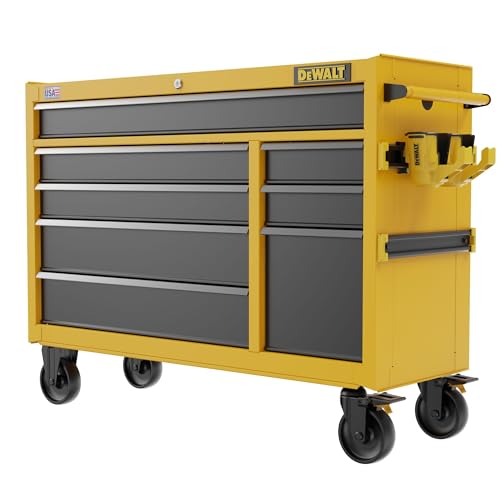
Proper storage is the first line of defense against rust. Always store your tools in a dry place. Moisture is rust's best friend, so keep your tools away from damp areas. Use a toolbox or cabinet with a tightly closed lid. This can keep out unwanted moisture and dust. If possible, use silica gel packs to absorb any humidity inside the storage space. Consider hanging tools on a pegboard. This keeps them off potentially damp surfaces and makes it easy to organize and access them. Do you have a dedicated space for your tools?
Regular Maintenance Tips
Regular maintenance is key to preventing rust. Wipe down your tools with a clean, dry cloth after each use. This removes any moisture and debris that could lead to rust formation. Apply a light coat of oil to metal parts. This creates a barrier against moisture. You can use machine oil or even vegetable oil for this purpose. Check your tools periodically for any signs of rust. Catching it early makes it easier to manage and prevents it from spreading. Are you setting aside time for routine tool checks? By following these straightforward steps, you can extend the life of your tools and keep them in top working condition. Your attention to detail now will pay off in fewer replacements and better performance later.
Repairing Rust Damage
Cleaning rusty hand tools requires simple steps. Start with soaking them in vinegar overnight. Next, scrub with a brush to remove loosened rust. Finally, rinse and dry the tools to prevent future rust. This straightforward method restores your tools efficiently.
Rust damage on your hand tools can be a real nuisance, often leading to decreased functionality and compromised tool integrity. However, with a little effort, you can restore them to their former glory. The key is understanding the extent of the damage and taking the right steps to repair it. Let's dive into how you can effectively assess and restore your rusty tools.
Assessing Damage
First, examine your tools carefully. Look for surface rust, which appears as a flaky coating, or deeper rust, which causes pitting in the metal. Surface rust is easier to remove and typically doesn't affect the tool's performance. Pitted rust, however, can weaken the tool and requires more attention. Consider how often you use the tool. Are these tools essential to your daily tasks, or do they only see occasional use? This will guide how thorough you need to be with your restoration efforts.
Tool Restoration
Begin with cleaning the tools using a wire brush or sandpaper to remove as much rust as possible. For stubborn rust, a vinegar soak can be effective—submerge the tool overnight and scrub off the residue. Apply a rust remover for deeper damage. Products like WD-40 or dedicated rust dissolvers can penetrate pitting and help restore the metal surface. Once cleaned, protect the tools from future rust by applying a thin layer of oil. This acts as a barrier against moisture, keeping your tools in good shape longer. Have you ever found a tool so rusted you thought it was beyond saving, only to have it work like new after some TLC? It's satisfying to restore something yourself. With these steps, your rusty tools can find new life and purpose. Are your tools ready for a makeover? Dive into the process and reclaim their functionality. Remember, every tool you restore is a tool saved from the landfill, contributing to sustainability.
Expert Advice
Discover easy steps to clean rusty hand tools effectively. Use vinegar or baking soda paste to remove rust. Scrub gently with a brush, rinse, and dry thoroughly to prevent future rusting.
Cleaning rusty hand tools might seem daunting, but with expert advice, you can restore them to their former glory. Imagine reaching for a tool only to find it covered in rust. It's frustrating, but there's a silver lining. With the right guidance, you can tackle this issue efficiently. Let's delve into some expert tips and common pitfalls to watch out for.
Professional Tips
Start by gathering your cleaning supplies. You’ll need white vinegar, baking soda, a wire brush, and some rags. Vinegar is excellent for loosening rust, while baking soda adds an abrasive touch for scrubbing. Submerge your tools in a vinegar bath for a few hours. This will help break down the rust, making it easier to remove. After soaking, use a wire brush to scrub off the residue. Rinse thoroughly and dry with a clean cloth to prevent further rusting. Consider applying a thin layer of oil to your tools after cleaning. This provides a protective barrier against future rust. Regular maintenance can save you from dealing with rust buildup again.
Common Mistakes To Avoid
Don’t rush the soaking process. Patience is key. Leaving tools in vinegar for less than a couple of hours might not remove all the rust. Ensure they are fully submerged and give them time to soak. Avoid using harsh chemicals that could damage your tools. Stick to natural cleaners like vinegar and baking soda. These are effective and less likely to harm the metal. Never store tools while they are damp. Moisture is the enemy of metal. Ensure your tools are completely dry before putting them away. Have you ever found yourself trying to scrub away rust with just a rag? It's tempting, but ineffective. Always use a wire brush for better results. By following these expert insights, your tools can remain in top condition. Do you have any favorite tips for cleaning tools? Share your experiences and let’s learn together.
Frequently Asked Questions
How Can I Remove Rust From Hand Tools?
To remove rust from hand tools, use white vinegar or baking soda paste. Soak the tools in vinegar for a few hours or apply the paste. Scrub with a brush, then rinse and dry thoroughly to prevent further rust.
What Household Items Remove Rust?
You can use household items like white vinegar, baking soda, or lemon juice to remove rust. These natural acids help dissolve rust, making it easier to scrub away. Apply, let it sit, then scrub and rinse.
Is Wd-40 Effective For Cleaning Rusty Tools?
Yes, WD-40 is effective for cleaning rusty tools. Spray it on the rusted areas and let it sit for a few minutes. Scrub with a wire brush to remove the rust, then wipe clean.
Can I Prevent My Tools From Rusting?
Yes, you can prevent rust by keeping tools dry and well-oiled. Store them in a dry place, use silica gel packets, and apply a light coat of oil after use.
Conclusion
Cleaning rusty hand tools is simple with the right approach. Begin by gathering basic supplies, like vinegar or baking soda. Scrub the rust away using a wire brush or sandpaper. Rinse tools thoroughly and dry them completely. Regular maintenance prevents rust from forming again.
Store tools in a dry place to avoid future rust. Proper care keeps your tools in great shape. Remember, clean tools last longer and work better. Follow these steps for tools that shine and perform well. Keep your toolbox rust-free and ready for any task.