
Ever found yourself gazing at a beautifully crafted wooden piece and wondered, "How can I create something like that?" The secret lies in mastering the art of using hand tools in woodworking.
These tools are not just instruments; they are the magic wands that bring your creative visions to life. Imagine the satisfaction of shaping a piece of raw wood into something uniquely yours—each stroke of the chisel, each pass of the plane, a step closer to your masterpiece.
In this guide, you'll discover how to wield these tools with skill and confidence. Whether you're a seasoned woodworker or a curious beginner, understanding how to properly use hand tools can transform your projects from amateur to amazing. Get ready to unleash your inner craftsman and see your ideas take shape, one tool at a time. Keep reading to learn the essential techniques that will empower your woodworking journey and elevate your craft to new heights.
Essential Hand Tools For Woodworking
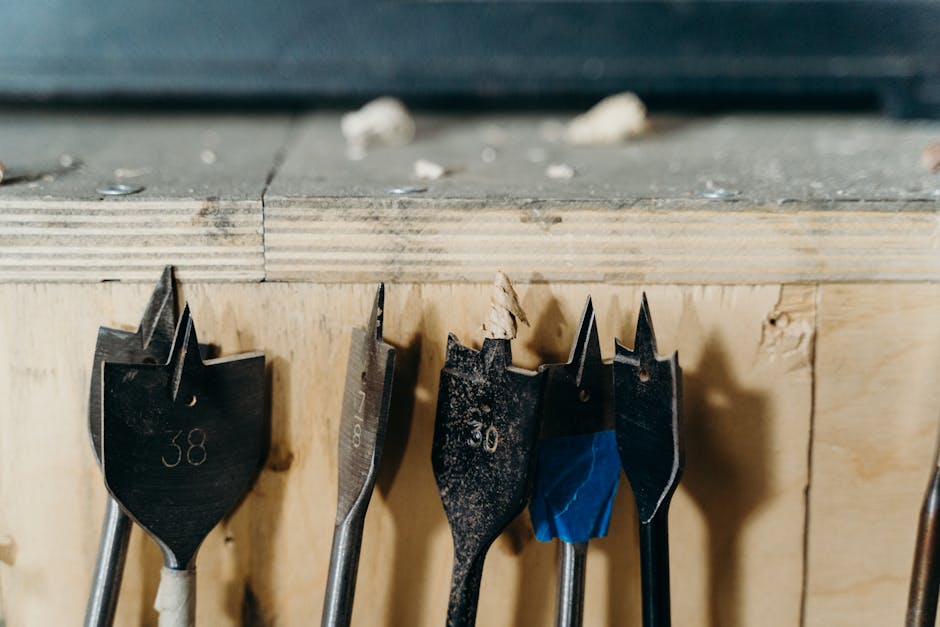
Woodworking is a timeless craft that brings life to raw pieces of wood, transforming them into beautiful and functional objects. At the heart of this art are essential hand tools that every woodworker should master. These tools form the backbone of your workshop, enabling you to cut, shape, and assemble with precision and ease.
Saws
Saws are crucial for making clean cuts in wood. A handsaw is versatile and perfect for straight cuts, while a coping saw is ideal for intricate curves. When I first started woodworking, mastering the handsaw was a game-changer—it gave me the confidence to tackle more complex projects.
Chisels
Chisels are your go-to tools for carving and shaping wood. They come in various sizes, allowing you to create detailed designs or hollow out joints. Keeping them sharp is key; a dull chisel can ruin your project and your patience. Have you experienced the satisfaction of a chisel gliding through wood like butter?
Planes
Planes are essential for smoothing and leveling wood surfaces. A well-tuned plane can turn rough lumber into a silky-smooth masterpiece. I vividly remember the first time I used a hand plane—its efficiency and precision were a revelation. Are you ready to embrace the elegance of this tool?
Hammers
Hammers are not just for pounding nails. A woodworking hammer should have a balanced weight and comfortable grip. Discovering the right hammer can save you from unnecessary fatigue and improve your accuracy. Have you considered how the right hammer can enhance your woodworking experience?
Screwdrivers
Screwdrivers are indispensable for assembling your projects. Choose a set that includes both flathead and Phillips-head options. A quality screwdriver set ensures that you can tackle any fastening task with confidence. Which type of screwdriver do you rely on most in your workshop?
Understanding and mastering these essential hand tools can elevate your woodworking skills to new heights. Each tool serves a unique purpose and can significantly impact the quality of your projects. Equip yourself with these tools, and watch your creativity and craftsmanship flourish.
Choosing The Right Tool For The Task
Choosing the right tool for woodworking tasks is crucial. It makes the work efficient and precise. Using the wrong tool can lead to mistakes and wasted time. This guide will help you understand how to select the right hand tools. Knowledge of materials and tasks is essential.
Understanding Wood Types
Different woods have unique qualities. Some are soft, like pine. Others are hard, like oak. Softwoods are easier to cut and shape. Hardwoods require more effort and stronger tools. Knowing your wood type helps in selecting the right tool.
Consider the grain of the wood. Some grains are straight, others are wavy. Straight grains are easier to work with. Tools need to match the grain to avoid damage. Understanding these aspects is key to successful woodworking.
Matching Tools To Projects
Every project requires specific tools. A saw is needed for cutting wood. A chisel is perfect for carving. Sanding blocks help in smoothing surfaces. Each tool has a purpose. Understand the task before choosing the tool.
Small projects might need simple tools. Large projects can require more complex tools. Always start with the basics. Expand your toolkit as your skills grow. This ensures you have the right tool for every task.
Safety Practices In Woodworking
Safety practices are crucial in woodworking. Proper measures prevent injuries and ensure smooth operations. Understanding the importance of safety helps woodworkers maintain a secure environment. Utilizing hand tools demands specific precautions. This section will highlight key safety practices, focusing on protective gear and safe tool handling.
Protective Gear
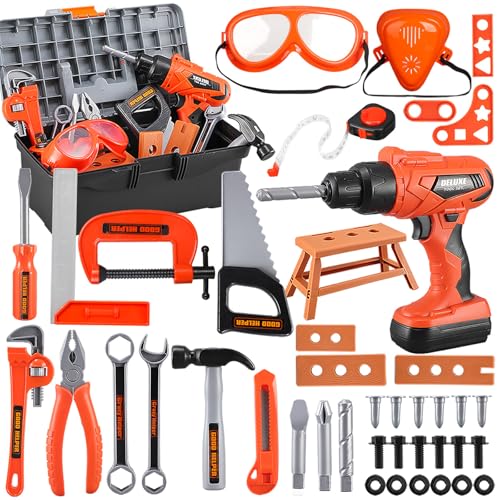
Wearing protective gear reduces the risk of injuries. Safety goggles shield eyes from flying debris. Dust masks protect lungs from inhaling fine particles. Hearing protection guards against loud tool noises. Gloves offer hand protection during tool use. Always choose gear that fits comfortably. Ensure it allows free movement while providing safety.
Safe Tool Handling
Proper tool handling is essential. Always inspect tools before use. Check for damage or wear. Hold tools firmly with a strong grip. Keep fingers away from sharp edges. Use tools for their intended purpose only. Maintain a clean workspace to prevent accidents. Store tools in designated areas after use. Avoid distractions while working with tools.
Basic Techniques With Hand Tools
Learn how to use hand tools effectively in woodworking. Understand basic techniques with saws, chisels, and hammers. Enhance your craftsmanship with simple, precise movements.
Woodworking with hand tools is a rewarding craft that involves precision and a personal touch. Unlike power tools, hand tools require skill and practice to master. Understanding basic techniques can transform a simple piece of wood into a work of art. Whether you're a beginner or looking to refine your skills, these foundational techniques are essential for any woodworking project. Let's dive into the core skills you'll need.
Sawing
Sawing is one of the first skills you'll need to learn in woodworking. The key is to let the saw do the work. Keep a steady hand and maintain consistent pressure. Start by marking your cut line clearly on the wood. Use a pencil for precision. Hold the saw with a firm grip and start with gentle strokes to guide the blade along the line. Once you establish a groove, increase your speed and pressure slightly. Remember, practice makes perfect. The more you saw, the more comfortable you'll become.
Chiseling
Chiseling is about control and patience. It's used for carving and shaping wood, as well as for making joints. Choose the right chisel for your task; a sharp blade is crucial. Position your chisel at the edge of the wood, angling it slightly away from the surface. Tap the chisel gently with a mallet to begin. Control the depth of each cut by adjusting the angle and force. Experiment with different angles and pressures to see how the wood responds. You'll soon understand how to achieve the desired shape and finish.
Planing
Planing smooths and flattens wood surfaces. A well-adjusted plane can turn a rough piece of wood into a polished masterpiece. Start by ensuring your plane blade is sharp and set to the correct depth. Hold the plane with both hands and push it along the wood grain. Use long, even strokes to remove thin layers of wood. If the plane jams, adjust the blade or your technique. Feel the surface with your hand to check for smoothness. Your goal is an even, glass-like finish. With practice, you'll be able to tell by touch whether more planing is needed.
Hammering
Hammering may seem simple, but it requires precision and technique. A well-driven nail can make or break a project. Choose a hammer that feels comfortable in your hand. Grip the hammer near the end of the handle for maximum control. Start with gentle taps to set the nail in place. Once it's stable, use stronger hits to drive it fully into the wood. Be mindful of your surroundings. Ensure your workspace is safe and that your fingers are clear of the hammer's path. Safety and control are paramount in every strike. Mastering these basic techniques will build your confidence and skills in woodworking. Which technique do you find most challenging? Practice regularly, and soon, you'll see improvements in your craft.
Maintaining And Caring For Your Tools
Maintaining and caring for your woodworking tools is crucial. It ensures their longevity and performance. Proper care also makes your woodworking tasks easier and more enjoyable. Clean, sharp tools help in achieving precise and beautiful woodwork. This section will guide you on how to maintain and care for your tools efficiently.
Cleaning Tools
Regularly clean your hand tools. Remove dust and wood shavings after every use. Use a soft brush or cloth. For stubborn dirt, a gentle detergent solution works well. Dry tools completely to prevent rust. A clean tool not only performs better but also lasts longer.
Sharpening Blades
Sharp blades are essential in woodworking. Dull blades can damage wood and cause accidents. Use sharpening stones or honing guides. Sharpen tools like chisels and planes regularly. Keep the blade angle consistent while sharpening. This maintains the tool’s effectiveness and safety.
Proper Storage
Store your tools in a dry place. Moisture can cause rust and damage. Use toolboxes or cabinets for organization. Keep tools off the ground. This prevents accidental damage. Organized storage saves time and keeps your workshop tidy.
Common Mistakes And How To Avoid Them
Woodworking with hand tools offers great satisfaction. Yet, mistakes can occur. These errors can lead to frustration and wasted materials. Understanding common pitfalls helps in achieving better results.
Overusing Force
Many beginners apply too much pressure. This can damage both wood and tool. Gentle strokes yield better outcomes. Let the tool do the work. Forcing the tool risks breakage and poor cuts.
Ignoring Tool Maintenance
Neglecting tool care is a big mistake. Blunt tools are harder to use. They also increase the risk of accidents. Regular sharpening is crucial. Clean tools after each use. This prolongs their lifespan and ensures safety.
Skipping Measurements
Measurements are vital in woodworking. Skipping this step leads to errors. Always measure twice before cutting. Use proper tools like rulers and squares. Accurate measurements ensure a perfect fit. Avoid costly mistakes by taking your time.
Projects To Start With
Discover the basics of woodworking by starting with simple hand tool projects. Learn to use chisels, saws, and hammers effectively. Gain confidence in crafting wooden pieces while honing essential skills.
Starting woodworking can feel overwhelming. Choosing simple projects helps you learn. Begin with easy tasks to build skills. Basic projects let you practice techniques. They also boost your confidence. Ready to dive in? Here are some projects to start with.
Simple Shelves
Creating simple shelves is a great start. They are practical and easy to make. You only need a few tools. Measure and cut the wood. Sand the edges smooth. Assemble with screws or nails. Paint or stain for a finished look. Simple shelves fit any room. Plus, they show off your woodworking skills.
Basic Frames
Basic frames are another beginner project. They teach precision and patience. Start with four wooden pieces. Cut them to equal lengths. Miter the corners for a neat fit. Glue and clamp them together. Add backing and glass for photos. Display your work proudly. Frames make perfect gifts too.
Small Boxes
Small boxes are fun to make. They have many uses. Start with a rectangular base. Attach four sides. Use wood glue and clamps. Add a lid with hinges or a slide top. Sand the box for smoothness. Decorate or leave natural. Small boxes help organize your space. Plus, they're great for practicing new skills.
Frequently Asked Questions
What Are Essential Hand Tools For Woodworking?
Essential hand tools for woodworking include chisels, saws, planes, and hammers. These tools help shape and assemble wood pieces. Measuring tools like squares and tape measures ensure precision. A workbench provides a stable surface. Beginners should start with basic tools and expand as skills improve.
How Do You Maintain Woodworking Hand Tools?
Maintaining woodworking hand tools involves regular cleaning and sharpening. Clean tools with a soft cloth to remove dust and dirt. Sharpen blades using appropriate sharpening stones. Oil metal parts to prevent rust. Store tools in a dry place to avoid moisture damage.
Can Beginners Use Hand Tools Effectively?
Yes, beginners can use hand tools effectively with practice. Start with simple projects to learn basic skills. Follow instructional guides and videos for technique tips. Gradually build confidence and accuracy. Practice is key to mastering hand tools in woodworking.
Why Choose Hand Tools Over Power Tools?
Hand tools offer precision and control for detailed work. They are quieter and safer, reducing the risk of accidents. Hand tools require less maintenance and are cost-effective. Using hand tools can enhance craftsmanship, allowing for a more personal connection to the project.
Conclusion
Embrace the art of woodworking with hand tools. These tools offer precision. They connect you to tradition and craftsmanship. Start with basic tools like saws and chisels. Practice often to improve your skills. Safety is crucial, so use protective gear.
Keep your tools sharp and clean. This ensures effective and safe woodworking. Hand tools bring joy and satisfaction to your projects. They enhance creativity and personal touch. Take your time to learn each tool. Enjoy the process and results. With patience, you'll craft beautiful pieces.
Happy woodworking!