Imagine the satisfaction of fixing things around your home with your own hands. You don't have to be a professional to tackle DIY projects.
The secret? Having the right hand tools in your toolkit. Whether you're hanging a picture, fixing a leaky faucet, or building a shelf, the right tools make all the difference. They're not just tools; they're your partners in creativity and problem-solving.
In this guide, you'll discover the essential DIY hand tools every homeowner should have. These tools will not only help you complete your tasks efficiently but also boost your confidence to take on more challenging projects. Ready to transform your DIY experience? Let’s dive in and explore the must-have tools that will make your projects easier and more enjoyable.
Basic Hand Tools
Every DIY enthusiast needs a set of basic hand tools. These tools are essential for various home projects. They provide precision and control. Having them on hand saves time and effort. Let's explore the must-have basic hand tools.
Hammer
A hammer is a vital tool in any toolkit. It helps drive nails into surfaces. Choose a hammer with a comfortable grip. This reduces strain on your hands. A claw hammer is versatile. It can remove nails as well. It is ideal for woodworking and repairs.
Screwdriver Set
A screwdriver set is essential for tightening or loosening screws. It comes in different sizes and types. Flathead and Phillips are the most common. Magnetic tips make work easier. They hold screws in place. A quality set offers long-lasting use.
Pliers
Pliers are useful for gripping and bending. They provide a strong hold on objects. Needle-nose pliers are great for small tasks. They reach tight spaces with ease. Slip-joint pliers adjust to different sizes. A must-have for every toolbox.
Measuring And Marking Tools
Measuring and marking tools are essential for any DIY enthusiast. These tools ensure accurate cuts and alignments, making projects easier. Rulers, tape measures, and marking gauges are staples in every toolbox. Accurate measurements prevent costly mistakes, ensuring your projects are precise and professional-looking.
When you're diving into a DIY project, having the right tools can make all the difference. Among these, measuring and marking tools are essential. They ensure precision and accuracy, which can be the difference between a project that looks professional and one that doesn't quite hit the mark. Let's explore some must-have tools in this category.
Tape Measure
A tape measure is a staple in any toolbox. It helps you measure spaces, materials, and more with ease. Opt for a sturdy, retractable tape measure that won't bend or break easily. Have you ever tried hanging a picture frame only to realize it's off-center? A tape measure can prevent that headache. Simply measure twice before making a mark or cut. Consider getting a tape measure with both metric and imperial units. This can be particularly handy if you're working with materials or instructions from different parts of the world.
Level
A level is crucial for ensuring your projects aren't crooked. From hanging shelves to laying tiles, a level can save you from the frustration of misaligned work. Imagine installing a shelf, only to watch your items slide off because it's not level. A small, pocket-sized level can be your best friend in these situations. Digital levels are becoming more popular and offer precise readings. However, a traditional spirit level can be just as effective and is often more budget-friendly.
Square
A square is perfect for marking right angles and straight lines. Whether you're cutting wood or marking drywall, a square ensures your cuts are accurate. Think about the last time you assembled furniture and struggled to align parts correctly. A square can help you mark exact lines, making assembly a breeze. There are several types of squares, like the combination square and speed square, each suited for different tasks. It's worth having at least one in your toolkit for versatility. Investing in these measuring and marking tools can elevate your DIY projects. What projects do you have lined up that could benefit from more precision?
Cutting Tools
Cutting tools are essential in any DIY enthusiast's toolkit. They offer precision and efficiency when crafting, repairing, or creating new projects. Whether you're a seasoned DIYer or just starting, mastering cutting tools can make all the difference in achieving professional results.
Handsaw
A handsaw is a versatile tool that every DIYer should have. It's perfect for cutting wood, plastic, and even some metals. When I first tackled building my garden shed, the handsaw was my go-to for making clean, precise cuts.
Choose a handsaw with a comfortable grip and sturdy blade. It's not just about cutting; it's about control and precision. Think about the projects you have in mind—is your handsaw up to the task?
And remember, safety first. Always wear gloves and goggles when using a handsaw to prevent accidents.
Utility Knife
The utility knife is small but mighty. It's ideal for tasks that require delicate cutting, like trimming wallpaper or slicing through cardboard. I once used mine to craft intricate paper designs for a home decoration project.
Ensure your utility knife has a retractable blade for safety. A sharp blade makes all the difference, so keep it honed for effortless cutting. Have you checked your blade recently?
Remember, precision is key. Use a straight edge to guide your cuts for the best results.
Chisel
Chisels are indispensable for detailed woodwork and carving. When shaping wooden furniture, a chisel can transform a simple piece into a work of art. I discovered its potential while crafting a custom-made bookshelf.
Choose a chisel set with varying sizes for different tasks. A sharp chisel is vital for clean cuts and smooth finishes. Have you invested in a sharpening stone?
Always cut away from your body and use a mallet for controlled force. Safety and technique go hand in hand with chisels.
These cutting tools are more than just equipment; they are the backbone of your DIY projects. Consider what you want to create and how these tools can help you achieve your vision. Are your tools ready for the challenge?
Fastening Tools
Fastening tools are essential in any DIY enthusiast's toolkit. They help tighten or loosen nuts, bolts, and screws. With the right tools, tasks become easier and more efficient. Let's explore some must-have fastening tools for your DIY projects.
Wrench Set
A wrench set is vital for gripping and turning objects. They come in different sizes to fit various nuts and bolts. The adjustable wrench is particularly useful. It can adjust to different sizes without changing tools. Having a complete set ensures you can tackle any size fastener. This flexibility saves time and effort during projects.
Socket Set
A socket set provides versatility and convenience. It includes multiple sizes of sockets and a ratchet handle. Sockets fit over fasteners, making it easy to tighten or loosen them. This tool offers better grip and control compared to regular wrenches. A socket set is perfect for tasks in tight spaces. It allows for quick and smooth operation.
Allen Wrench
An Allen wrench, or hex key, is small but powerful. It’s used for hexagonal socket screws. These screws are common in furniture and appliances. Allen wrenches come in various sizes, often in a single set. They fit snugly into the screw's hexagonal hole. This ensures a firm grip and prevents stripping. Keep a set handy for any assembly or repair tasks.
Power Tools
Power tools are the backbone of any serious DIY toolkit. They save time, enhance efficiency, and allow you to tackle more complex projects with ease. Whether you're building a new bookshelf or renovating your kitchen, having the right power tools can make a world of difference. But which ones should you prioritize? Let's dive into the must-have power tools for your DIY endeavors.
Cordless Drill
The cordless drill is a versatile tool that you’ll find indispensable. It's perfect for drilling holes and driving screws into wood, metal, and plastic. With a cordless drill, you can move freely around your workspace without being tethered to an outlet.
Consider one with variable speed settings for better control. Rechargeable batteries are a game-changer, allowing you to work longer without interruptions. Remember when you tried assembling that flat-pack furniture and how a cordless drill made it a breeze?
Circular Saw
The circular saw is your best friend when it comes to cutting materials like wood, metal, or plastic. It's essential for those who need straight, clean cuts quickly. Whether you're crafting a new dining table or just trimming some lumber, a circular saw handles the task efficiently.
Look for one with an adjustable blade depth for versatility in your cuts. Safety features like blade guards and emergency brakes are crucial. Have you ever wondered how professionals achieve those precise cuts? It’s often the circular saw at work.
Sanders
Smooth surfaces are key to a professional-looking project. Sanders are indispensable for finishing touches, removing paint, or smoothing wood. With options like orbital, belt, and detail sanders, there's a tool for every job.
A good sander can save you hours of manual sanding, and the finish will be far superior. Choose a model with a dust collection system to keep your workspace clean. Have you ever felt the satisfaction of running your hand over a flawlessly smooth surface? That's the magic of a good sander.
So, which power tool will you add to your toolkit next? Each of these tools offers unique benefits that can transform your DIY projects from basic to brilliant. With the right power tools, you’re not just building—you're creating.
Safety Gear
When working on DIY projects, safety is very important. Proper safety gear protects you from injuries. It ensures you can work comfortably and confidently. Let's explore essential safety gear for any DIY enthusiast.
Safety Glasses
Safety glasses protect your eyes from flying debris and dust. They are a must-have for any DIY project. Choose glasses that fit well and cover your eyes completely. Ensure they have impact-resistant lenses. This small investment can prevent serious eye injuries.
Work Gloves
Work gloves shield your hands from cuts and splinters. They provide a better grip on tools and materials. Choose gloves made from durable materials like leather or thick fabric. Ensure they fit snugly for optimal protection. They are essential for handling sharp or heavy objects.
Ear Protection
Power tools can produce loud noises. Extended exposure can damage your hearing. Ear protection is crucial during noisy projects. Ear plugs and earmuffs are popular choices. They block harmful sound levels effectively. Protect your ears to maintain long-term hearing health.
Tool Storage Solutions
Imagine having all your DIY hand tools right at your fingertips, neatly organized, and easy to find. Tool storage solutions aren't just about keeping your workspace tidy; they make your projects more efficient and enjoyable. Whether you're a seasoned DIYer or just getting started, having the right tool storage can transform your experience. Let's dive into some practical solutions to keep your tools in check and your creativity flowing.
Toolbox
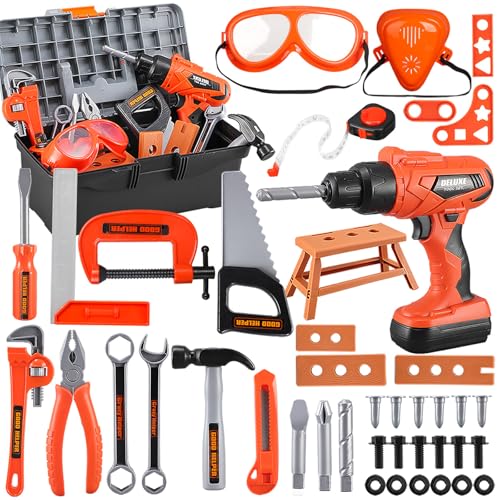
A toolbox is the quintessential storage solution for DIY enthusiasts. It offers portability and organization in one neat package. Choose a sturdy metal toolbox for durability, or opt for a lightweight plastic one if you need to move around frequently.
Consider using a toolbox with customizable compartments. This helps you keep track of different types of tools, from screwdrivers to pliers. A personal tip: label the compartments to quickly locate your tools during a project. It saves time and keeps your focus on the task at hand.
Pegboard
Pegboards are perfect for visual organizers. They allow you to hang tools on hooks, making them easy to see and access. Plus, it adds a touch of professional flair to your workspace. Arrange your tools by size or type for a tidy appearance.
Mount a pegboard directly on your garage wall or in your basement workshop. Use hooks and baskets for heavier tools, and don't shy away from creatively arranging them. Have you ever thought about using colored hooks to categorize your tools? This simple trick can make your DIY projects smoother and more enjoyable.
Tool Belt
A tool belt is a hands-free storage solution that keeps essential tools within reach. It's ideal for tasks where you need to move around without carrying a toolbox. Choose a comfortable, adjustable tool belt with sturdy pockets to hold your most-used items.
Start with a basic tool belt and gradually customize it with your favorite tools. Do you often find yourself searching for your tape measure or pencil? Keep them in your tool belt, and you'll never lose track of them again. This setup saves time and keeps your momentum going while working on projects.
How do you organize your tools? Share your favorite storage solution in the comments below, and let's inspire each other to tackle DIY projects more efficiently!
Frequently Asked Questions
What Are Essential Diy Hand Tools?
Essential DIY hand tools include a hammer, screwdriver set, tape measure, and pliers. A utility knife and adjustable wrench are also crucial. These tools cover basic tasks like assembling furniture, hanging pictures, and minor repairs. Having these tools can make home improvement projects easier and more efficient.
Why Is A Hammer Important For Diy Projects?
A hammer is vital for driving and removing nails. It's also useful for minor demolition tasks. With various types available, a claw hammer is the most versatile. It can help with framing, woodworking, and other DIY projects, making it a must-have in any tool kit.
How Do Screwdrivers Benefit Diy Enthusiasts?
Screwdrivers are essential for assembling furniture and installing fixtures. They come in different types, like flathead and Phillips. A screwdriver set ensures you can handle various screws. This versatility makes them indispensable for any DIY enthusiast looking to complete projects efficiently.
Why Should You Have A Tape Measure?
A tape measure ensures precise measurements for projects. It helps in cutting materials to the correct size, ensuring a perfect fit. Accurate measurements are essential for successful DIY tasks, whether it's hanging a picture or building furniture. This tool is crucial for achieving professional results.
Conclusion
Choosing the right DIY hand tools makes every project easier. These tools offer versatility and reliability. With them, tasks get completed faster and more efficiently. They also ensure precision in every detail. Investing in quality tools saves time and effort.
Plus, they enhance your skills over time. So, explore and select tools that fit your needs. You'll notice a difference in your projects. Start small, but think about future tasks. Remember, well-chosen tools make a big impact. Happy crafting and enjoy the process.
Your toolbox will grow, and so will your abilities.