Imagine reaching for your favorite wrench or pliers, only to find them covered in rust. It's frustrating, right?
Rust not only makes your tools look old and neglected, but it also weakens them, making them less effective. If you're like most people, you want your hand tools to last a long time and perform well each time you use them.
So, could spray painting be the solution to prevent rusting? We’ll explore whether this simple trick can save you time and money by protecting your tools. You'll discover the pros and cons, and by the end, you'll know exactly what steps to take next. Let's dive in and find out if spray painting is the key to keeping your tools in top shape!
Rust Prevention Techniques
Rust can ruin hand tools over time. It decreases their efficiency. Protecting them from rust is crucial. Various techniques can help keep tools rust-free. These methods ensure durability and performance. Let’s explore some effective approaches.
Common Methods For Tool Care
Regular cleaning is vital. After use, wipe your tools with a dry cloth. This removes moisture and dirt. Store tools in a dry place. A toolbox or cabinet keeps them safe. Use silica gel packets to absorb moisture. These small actions prevent rust effectively.
Chemical Treatments And Alternatives
Many use oils or sprays. WD-40 is popular for rust prevention. It forms a protective layer. Mineral oil is another option. It’s easy to apply and non-toxic. Vinegar can help remove existing rust. Soak rusty tools in vinegar overnight. Rinse and dry thoroughly afterward.
Pros Of Spray Painting Tools
Spray painting your hand tools offers several benefits. It creates a protective layer, enhancing the durability and lifespan of your tools. This simple action can help maintain the quality and functionality of your equipment.
Protective Barrier Against Moisture
Spray paint forms a protective barrier. This layer prevents moisture from reaching the metal surface. Moisture is the main cause of rust. Rust weakens tools and shortens their lifespan. By blocking moisture, spray paint helps keep tools rust-free. This protective coating is effective in various environments.
Enhanced Durability And Lifespan
Spray painting enhances the durability of tools. The paint layer acts as a shield against wear and tear. Tools remain strong and functional over time. This coating helps resist scratches and dents. A well-maintained tool lasts longer. Spray paint contributes to extending the tool's lifespan significantly.
Cons Of Spray Painting Tools
Spray painting your hand tools might seem like a quick fix to prevent rusting, but it's not without its drawbacks. While it can offer a layer of protection, it also comes with a few significant downsides. Are you prepared to handle the potential issues that can arise from this approach?
Potential For Paint Chipping
Spray paint can chip over time, especially when tools are frequently used. Imagine reaching for your wrench only to find flecks of paint falling off. This not only diminishes the look but can lead to more rust exposure.
Chipped paint can create sharp edges that might even scratch your hands. You want your tools to be reliable, not a cause of discomfort. Consider if the cosmetic improvement is worth the potential hassle.
Impact On Tool Functionality
Paint can interfere with the tool's functionality, particularly on moving parts. A layer of paint might make a screwdriver less precise or a pair of pliers harder to grip. Have you ever struggled with a tool that doesn't quite feel right?
Think about the purpose of your tools. You need them to perform well, not just look good. Spraying them might lead to slippery handles or clogged mechanisms. Is the trade-off worth it when you're in the middle of a project?
While spray painting might seem like a simple solution, it’s important to weigh these potential cons. Would you prefer to spend time maintaining your tools in other ways that might avoid these pitfalls? It's a decision that requires careful thought and consideration.
Alternative Rust Prevention
Preserving the quality of hand tools is essential for their longevity. While spray painting is one method to prevent rust, there are alternative techniques. These methods ensure your tools remain in top condition without altering their appearance.
Oiling And Lubrication Techniques
Oiling your tools regularly prevents moisture buildup. Moisture is the main cause of rust. Use a light machine oil for best results. Wipe tools clean before applying oil. A thin layer is enough to protect metal surfaces. For joints and moving parts, opt for specialized lubricants. These keep tools functioning smoothly and rust-free.
Storage Solutions For Tool Longevity
Proper storage extends the life of your tools. A dry, cool place is ideal. Avoid damp environments that promote rust. Use silica gel packets to absorb moisture. Toolboxes with moisture barriers offer extra protection. Ensure tools are clean and dry before storing them. Consider using protective cases for added safety.
Choosing The Right Paint
Spray painting hand tools can help prevent rust. A protective layer keeps moisture away, extending tool lifespan. Choose rust-resistant paint for better results.
Choosing the right paint for your hand tools is crucial in preventing rust and prolonging their life. A good paint not only acts as a protective barrier but also adds a personal touch to your tools. You might wonder, is there a specific type of paint that works best on metal surfaces? The answer is yes, and making the right choice can save you time, money, and effort in the long run.
Types Of Paint Suitable For Metal
Metal surfaces demand paints that adhere well and offer robust protection against the elements. Oil-based paints are a popular choice due to their durability and water resistance. They form a hard, glossy surface that is less likely to chip or peel. Rust-inhibiting primers are another excellent option. These primers contain chemicals that react with the metal surface to prevent rust from forming. If you've ever noticed your tools developing a reddish-brown coat, a rust-inhibiting primer can be a game changer. Acrylic paints are versatile and often come with rust-preventive properties. They dry quickly and are available in a wide range of colors, allowing you to customize your tools while protecting them.
Application Tips For Best Results
Preparation is key. Start by cleaning your tools thoroughly to remove any dirt, grease, or rust. Use a wire brush or sandpaper for stubborn spots. A clean surface ensures the paint adheres properly. Consider using a spray primer before applying the main coat of paint. This helps the paint stick better and provides an extra layer of protection. A primer can make a significant difference, especially if your tools are often exposed to harsh environments. When applying the paint, use multiple thin coats instead of one thick coat. This helps prevent drips and uneven surfaces. Allow each coat to dry completely before applying the next. Patience during this process can lead to a more durable and aesthetically pleasing finish. Have you ever painted your hand tools only to find the paint peeling off after a few weeks? Perhaps a simple tweak in your painting technique could be the solution. By choosing the right type of paint and following these application tips, you can ensure your tools stay in top condition for years to come.
Safety Considerations
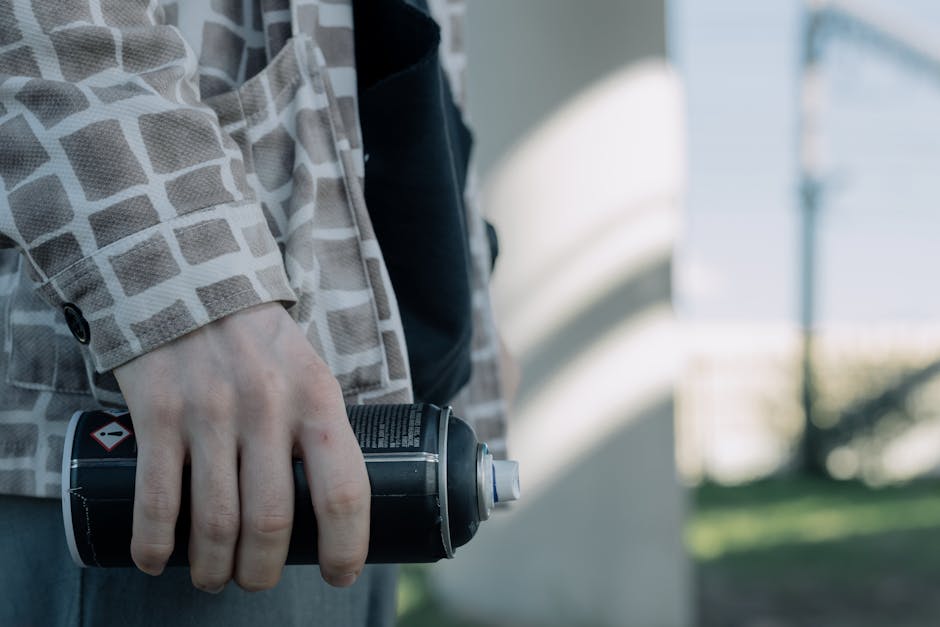
Spraying paint on hand tools can prevent rust. Ensure proper ventilation to avoid inhaling harmful fumes. Use protective gear like gloves and masks for safety.
When considering spray painting your hand tools to prevent rusting, safety should be your top priority. While a fresh coat of paint can prolong the life of your tools, it's crucial to ensure you're not sacrificing your health or the environment in the process. Let's dive into some key safety considerations you should keep in mind before you start spraying.
Ventilation And Protective Gear
Proper ventilation is essential when spray painting. Always work in a well-ventilated area to avoid inhaling toxic fumes. If possible, spray outdoors where air circulates freely. Wearing protective gear can make a significant difference. A mask can keep harmful particles out of your lungs, while gloves protect your skin from chemicals. Have you ever noticed how easily paint can cling to everything? A smock or old clothing can keep your wardrobe safe.
Environmental Impact And Disposal
Think about the environmental footprint of your project. The chemicals in spray paint can be harsh on the environment. Opt for eco-friendly paints if available; they are less harmful and just as effective. Disposal is another important factor. Empty cans and leftover paint should be disposed of properly. Check with your local waste management for guidelines on hazardous waste disposal. Are you aware of the impact improper disposal can have on your community? By considering these safety aspects, you can protect yourself and the environment, all while giving your tools a new lease on life. It's worth taking the extra time to do it right, don't you think?
Real-world Experiences
Deciding whether to spray paint your hand tools to prevent rusting can be tricky. Many have shared their real-world experiences with this practice. Some tool users swear by it, while others have reservations. Let's dive into their stories and insights.
Case Studies From Tool Users
John, a mechanic from Texas, spray paints all his tools. He believes it adds a protective layer. According to him, his tools last longer and look new. Meanwhile, Sarah, a gardener, tried spray painting her tools once. She found it messy and ineffective for her needs. She prefers regular cleaning and oiling instead.
Another user, Mike, a hobbyist woodworker, shared his mixed results. Some tools showed less rust after painting. Others didn't benefit much from the spray. His advice is to test on a small tool first.
Expert Opinions And Tips
Experts have varied opinions on spray painting tools. Tom, a professional tool restorer, advises caution. He suggests using high-quality spray paint. It should be rust-inhibiting for the best results. He also recommends cleaning the tools before painting.
Linda, a materials engineer, highlights the importance of proper application. She mentions that uneven paint can trap moisture. This could ironically promote rust. Her tip is to apply thin, even coats.
Experts agree on one thing. Regular maintenance is key. Regardless of painting, tools need care. This ensures they remain in top condition.
Frequently Asked Questions
How Does Spray Paint Prevent Rust On Tools?
Spray paint acts as a protective barrier against moisture and air, which cause rust. It seals the surface, preventing oxidation. Proper application ensures the paint adheres well and provides lasting protection. Regular maintenance of painted tools helps in preserving their condition and extending their lifespan.
Is Spray Painting Hand Tools Cost-effective?
Yes, spray painting tools is a cost-effective rust prevention method. A single can covers multiple tools, saving money. It also reduces the need for frequent replacements. Investing in quality paint ensures durability, preventing rust-related damage. This ultimately minimizes maintenance costs over time.
What Type Of Spray Paint Is Best For Tools?
For hand tools, choose rust-resistant spray paint designed for metal surfaces. Look for paints labeled as 'anti-rust' or 'protective enamel'. These provide a durable coating that withstands harsh conditions. Opting for reputable brands ensures quality and longevity, keeping your tools rust-free for longer.
Can Spray Paint Affect Tool Performance?
If applied correctly, spray paint shouldn't affect tool performance. Ensure that moving parts remain unpainted to avoid interference. Proper drying time allows the paint to cure without sticking. Regular inspection and maintenance can prevent any potential performance issues, ensuring the tools function optimally.
Conclusion
Spray painting hand tools helps prevent rust. A simple, effective solution. It adds a protective layer. Tools last longer. Less worry about rust damage. Painting is cost-effective. Easy to do at home. Choose rust-proof paints. Ensure proper ventilation. Clean tools before painting.
Consider color-coding tools. Identify them quickly. Maintenance becomes easier. Painted tools look neat. Enhance your workspace. Keep your tools in top shape. Protect your investment. Enjoy a rust-free toolbox.