Imagine trying to fix a simple electrical issue in your home, only to realize you lack the essential tools and equipment. Frustrating, right?
Understanding electrical tools and equipment isn't just for professionals; it's crucial for anyone who wants to handle basic electrical tasks safely and efficiently. This article will guide you through the must-have electrical tools that can transform your do-it-yourself projects from daunting to doable.
You'll discover how the right tools not only save you time and money but also boost your confidence in tackling those pesky electrical problems. Ready to empower your DIY skills and ensure your safety? Let's dive into the world of electrical tools and equipment and see how they can make your life easier.
Types Of Electrical Tools
Electrical tools and equipment are essential for tasks involving wiring and repairs. These include pliers, wire cutters, and screwdrivers. Each tool serves a unique purpose, ensuring efficiency and safety in electrical work.
Understanding the types of electrical tools is essential for anyone working with electricity, whether you're an experienced electrician or a DIY enthusiast. Electrical tools are not just about convenience; they are critical for safety and efficiency. Different tools serve different purposes, and knowing which one to use can make your job easier and safer. Let's explore the various categories of electrical tools and what makes each unique.
Hand Tools
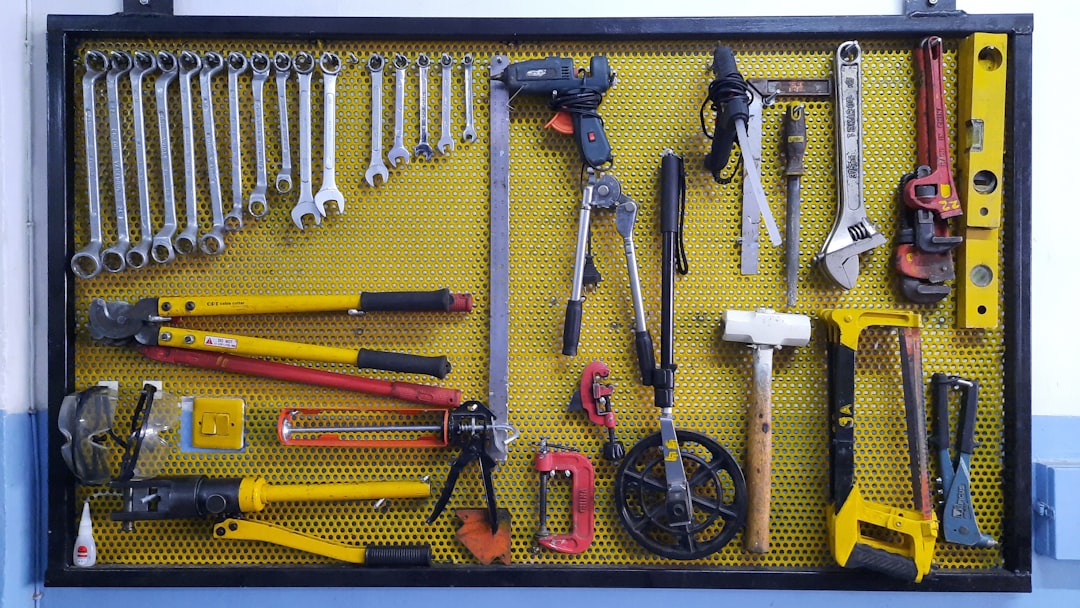
Hand tools are the backbone of any electrician’s toolkit. These tools are manual and require your physical effort to operate. Think about the trusty screwdriver or the reliable pair of pliers. For instance, a wire stripper is a hand tool that allows you to safely remove the insulation from electrical wires. It's a tool you might not think much about until you're in the middle of a wiring project and need to strip wire without damaging it. Do you have a favorite hand tool that never leaves your side during electrical projects?
Power Tools
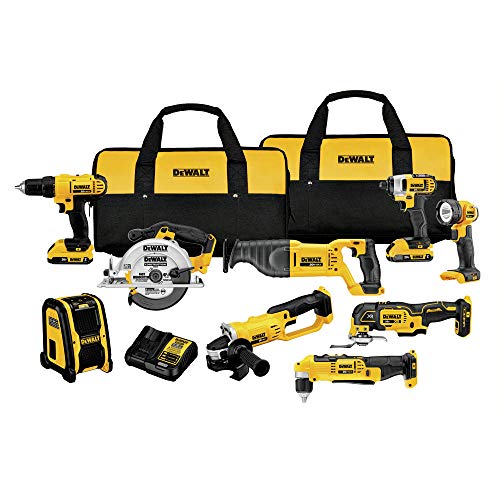
Power tools make the job quicker and require less manual effort. They are powered by electricity or batteries, enhancing precision and efficiency. A cordless drill is a great example of a power tool that saves time and energy, especially when working on larger projects. Imagine hanging light fixtures or installing electrical boxes without one. Using power tools can dramatically reduce the time you spend on a task. What power tool do you find indispensable in your electrical projects?
Safety Tools
Safety tools are crucial for protecting you from electrical hazards. They ensure that you can work without the risk of electric shocks or other injuries. An insulated glove is a simple yet effective safety tool that can prevent electric shocks while working with live wires. Another key safety tool is a voltage tester, which helps you verify if a circuit is live before you start working. Have you ever experienced a close call that made you appreciate your safety tools even more? Understanding these types of electrical tools can significantly enhance your project outcomes. Each tool has its place in your toolbox, ensuring that you are prepared for any challenge that comes your way. So next time you gear up for an electrical task, consider which tool will make your job safer and more efficient. What tools do you rely on to get the job done right?
Essential Equipment For Electricians
For electricians, having the right tools is not just about convenience—it's essential for safety and efficiency. Imagine trying to fix a complex electrical system without the proper equipment; it would be like trying to paint a masterpiece with a toothbrush. Having the right gear ensures that you can do your job effectively while minimizing risks. Let's dive into the essential equipment every electrician should have in their toolkit.
Multimeters
Multimeters are indispensable for diagnosing electrical issues. They allow you to measure voltage, current, and resistance, helping you pinpoint where problems lie. A digital multimeter provides precise readings which are crucial when working with intricate systems.
Have you ever tried to fix a circuit with just your intuition? It's hit or miss. A multimeter takes the guesswork out, giving you clear data to guide your next steps. It's like having a trusted advisor right at your fingertips.
Wire Strippers
Wire strippers are vital for preparing wires for connections. They help you strip the insulation without damaging the wire itself. This ensures a clean, reliable connection that won't fail under pressure.
Remember the frustration of using a kitchen knife to strip a wire, only to nick it? Wire strippers eliminate this hassle. They offer precision, saving you time and preventing costly mistakes. This tool is your ticket to professional-grade work.
Voltage Testers
Voltage testers are crucial for safety. Before you start working on any electrical system, use a voltage tester to ensure there's no live current. This simple step can prevent accidents and keep you safe.
Have you ever felt unsure whether an outlet was live? A voltage tester provides peace of mind. It's a small investment for your safety and confidence, ensuring you can focus on the task at hand without worry.
So, what's in your toolkit? Are you equipped with the essentials to tackle any electrical challenge? Investing in these tools is not just about enhancing your skills; it's about ensuring every job is done safely and efficiently. Don't leave your success to chance; gear up with the essentials every electrician needs.
Safety Precautions
Electrical tools and equipment are essential in various industries, but they come with their own set of risks. Safety precautions are paramount to ensure that everyone using these tools remains safe. Whether you're a seasoned electrician or a DIY enthusiast, understanding these precautions can make a world of difference in preventing accidents.
Personal Protective Equipment
Wearing the right gear can be the difference between a minor incident and a major accident. Gloves, goggles, and insulated footwear are your frontline defense against electrical hazards. Imagine working with high voltage without gloves—it's like riding a bike without a helmet. You wouldn't take that risk, right? Always check your gear for wear and tear before using it.
How often do you think about the condition of your safety equipment? A small tear in your gloves can expose you to serious dangers. Prioritize regular checks and replace worn-out gear immediately. This simple act can save you from potential harm.
Handling High Voltage
High voltage demands respect and caution. When working with it, always ensure you're using tools rated for the job. Never assume your tools are up to the task; verify their ratings each time. A friend of mine ignored this advice and ended up with a nasty shock—literally.
Consider the environment you're working in. Is it dry, or could moisture be a problem? Electricity and water are a dangerous mix, and high voltage amplifies the risk. Keep your workspace dry and organized to minimize hazards.
Are you aware of the emergency protocols in your area? Knowing how to act in an emergency can be lifesaving. Review them regularly and ensure your colleagues are equally informed.
Safety is not just a checklist; it's a mindset. Engage with these precautions actively, and you'll create a safer workspace for yourself and those around you.
Maintenance And Care
Proper maintenance and care of electrical tools and equipment ensure longevity. Regular upkeep prevents unexpected malfunctions. It keeps tools in excellent working condition. This section covers key practices for cleaning and storing. Mastering these practices ensures your tools serve you well.
Cleaning Tools
Regular cleaning prevents dust buildup. It keeps tools functioning efficiently. Always unplug tools before cleaning. Use a soft, dry cloth to wipe surfaces. For stubborn dirt, a slightly damp cloth works best. Avoid using harsh chemicals. They can damage tool surfaces and components. Ensure tools are completely dry before storing.
Storing Equipment
Proper storage extends the life of your equipment. Always store tools in a dry place. Moisture can cause rust and corrosion. Use toolboxes for small tools. They keep them organized and safe. Larger equipment should be stored on racks. Ensure they are stable to prevent falls. Labeling tools helps in easy identification.
Innovations In Electrical Tools
Electrical tools and equipment are essential for building, repairing, and maintaining electrical systems. They include items like drills, screwdrivers, and voltage testers. Innovations in this field focus on enhancing efficiency, safety, and user-friendliness, making tasks easier and more precise for professionals and DIY enthusiasts alike.
Innovations in electrical tools have transformed the way professionals and DIY enthusiasts approach electrical work. With advances in technology, these tools are not just about functionality but also about enhancing efficiency and safety. Are you ready to discover how the latest innovations can change your toolbox?
Smart Tools
Smart tools are changing the game in electrical work. Imagine a screwdriver that connects to your smartphone and tells you the exact amount of torque applied. These tools often come with features like digital displays, Bluetooth connectivity, and even app integration. Have you ever struggled to find a particular wire in a tangled mess? Smart wire tracers can easily identify and trace wires, saving you time and hassle. They provide precise readings and can even store data for later reference. Wouldn't that be a game-changer in your next project?
Energy Efficient Equipment
Energy-efficient tools are not just good for the environment; they're good for your wallet too. Many modern electrical tools are designed to use less power while delivering the same, if not better, performance. Cordless drills now come with batteries that last longer and charge faster, allowing you to work longer without needing a power outlet. Have you considered how much time you'd save by reducing the number of battery swaps during a project? LED work lights are another excellent example. They consume less energy and provide brighter, more focused lighting. The next time you're working in a dimly lit area, an LED work light can make a world of difference. These innovations are reshaping the landscape of electrical work. Are you ready to upgrade your toolkit with smart and energy-efficient tools?
Choosing The Right Tools
Electrical tools and equipment are essential for any electrical work. They include items like pliers, screwdrivers, and voltage testers. Choosing the right tools ensures safety and efficiency in tasks.
Choosing the right electrical tools and equipment can make or break your project. Whether you're fixing a light fixture or wiring a new home, selecting the appropriate tools is essential. This decision not only impacts efficiency but also safety. Your choices can affect the quality of your work and the time it takes to complete tasks. So, how do you ensure you’re picking the right tools? Let’s dive into some key considerations.
Assessing Project Needs
Start by evaluating what your project demands. Are you installing new electrical outlets, or just replacing a switch? Each task requires specific tools. Identify the core tasks and list the tools you’ll need for each. Think about the scale of your project. A small repair might just need a screwdriver and a voltage tester, while a larger job could require a multimeter, wire strippers, and crimping tools. The right tools can prevent mistakes and make your work smoother. Ask yourself: What is the complexity level of this project? Understanding this helps in choosing tools that match your skill set and project requirements. Always opt for tools that enhance your capabilities.
Budget Considerations
Your budget plays a crucial role in the tools you choose. High-quality tools often come at a higher price but can save you money in the long run. They are more durable and perform better, reducing the need for replacements. Consider if renting or borrowing tools is an option. For one-time projects, renting might be more cost-effective. But if you foresee frequent use, investing in your own set makes sense. Evaluate the balance between cost and necessity. Is it worth investing in a top-of-the-line tool for a simple job? Sometimes, mid-range options can offer great value without breaking the bank.
Frequently Asked Questions
What Are Common Electrical Tools?
Common electrical tools include pliers, wire strippers, multimeters, and voltage testers. These tools are essential for tasks like cutting, stripping, and measuring electrical components. They help ensure safety and efficiency in electrical work. Each tool has a specific function, aiding electricians in performing precise and secure installations or repairs.
Why Is A Multimeter Important?
A multimeter is crucial for measuring voltage, current, and resistance in electrical circuits. It helps diagnose electrical issues and ensures components operate correctly. By providing accurate readings, a multimeter aids in troubleshooting problems efficiently. Electricians rely on it for safe and effective maintenance or installation of electrical systems.
How Do Voltage Testers Work?
Voltage testers detect electrical voltage in outlets, wires, or devices. They alert electricians to live wires, preventing accidental shocks. These testers are simple yet effective tools, offering a quick way to ensure safety. By indicating presence or absence of voltage, they guide safe handling of electrical components.
What Are Wire Strippers Used For?
Wire strippers remove insulation from electrical wires, exposing the metal core. This process is vital for connecting wires securely. They offer precision, ensuring clean cuts without damaging the wire. Electricians use wire strippers for preparing wires for connections, aiding in safe and efficient installations or repairs.
Conclusion
Exploring electrical tools helps you understand their importance. These tools are essential for every electrician. They ensure safety and efficiency in work. With proper tools, tasks become easier and quicker. From pliers to multimeters, each tool has a unique role.
Knowing their functions aids in choosing the right equipment. Always prioritize safety when using electrical tools. Regular maintenance keeps tools reliable. Investing in quality tools proves valuable over time. Embrace learning about these tools for better outcomes. Equip yourself for success in electrical projects.
Understanding tools leads to improved work quality. Safety and knowledge go hand in hand.