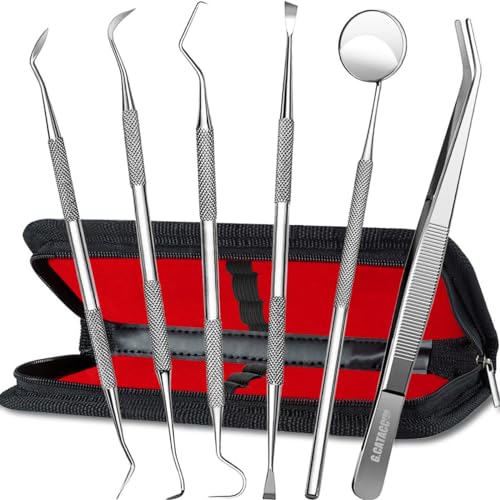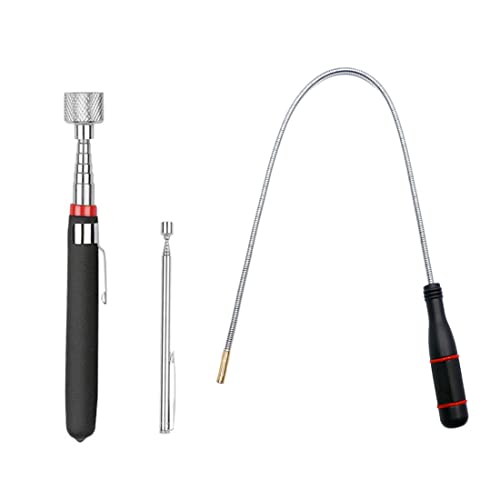
Ever found yourself wondering about the tools in your garage or toolbox? Those trusty items you rely on for household fixes or DIY projects?
Understanding general hand tools can open up a world of possibilities for you. Imagine being able to tackle repairs with confidence or embark on creative projects without hesitation. You'll discover the essentials of general hand tools, why they're indispensable, and how they can empower you to take on tasks like a pro.
Get ready to transform your approach to fixing, building, and creating, all with the right tools in hand. Dive in and see how mastering these tools can make your life easier and more efficient.
Types Of General Hand Tools
General hand tools are vital for various tasks. They are used for home repairs, woodworking, and mechanical jobs. Knowing the types of these tools helps in choosing the right one for your needs.
Basic Tools For Beginners
For beginners, it's essential to have a few basic tools. A hammer is crucial for driving nails and fixing things. A screwdriver set is useful for tightening and loosening screws. A measuring tape helps in taking accurate measurements. Pliers are handy for gripping and bending wires.
A utility knife is great for cutting materials. These tools form the foundation of any toolkit. They are easy to use and understand.
Advanced Tools For Enthusiasts
Enthusiasts often seek advanced tools. A hand saw is perfect for precise cuts in wood. A chisel set is ideal for carving and shaping. A set of wrenches is important for mechanical tasks. A level ensures straight and balanced surfaces.
Wire cutters are necessary for electrical work. These advanced tools require more skill but offer more precision. They allow for detailed work that basic tools might not achieve.
Essential Tools For Every Project
General hand tools are essential for every project. Items like hammers, screwdrivers, and wrenches help complete tasks efficiently. They are versatile, durable, and easy to use. These tools provide the foundation for any DIY or professional project, making them indispensable.
Essential Tools for Every Project When tackling any project, having the right tools can make all the difference. Whether you're fixing a leaky faucet or crafting a wooden masterpiece, the right tools ensure efficiency and precision. Let's explore some essential tools that every DIY enthusiast should have in their arsenal.
Must-have Tools For Home Repairs
Home repairs often come unannounced, and being prepared can save you time and money. A hammer is indispensable for tasks like hanging pictures or assembling furniture. A screwdriver set is equally important; it helps with everything from tightening loose screws to assembling flat-pack furniture. A tape measure is essential for ensuring accuracy in all your projects. Imagine trying to fit a new shelf without knowing the exact dimensions—it’s a recipe for disaster. Finally, a utility knife offers versatility, whether you're opening boxes or trimming carpet edges.
Tools For Woodworking Projects
Woodworking projects require precision and creativity, and having the right tools is key. A saw, such as a hand saw or a power saw, is crucial for cutting wood to size. Without it, shaping wood pieces would be nearly impossible. A chisel set allows you to carve intricate designs or create clean edges. The satisfaction of chiseling a perfect dovetail joint is unparalleled. Sandpaper or a sander helps achieve a smooth finish, turning a rough piece of wood into a polished creation.
Automotive Repair Tools
For those who love working on cars, certain tools are essential. A socket set is invaluable for loosening and tightening nuts and bolts. This tool saves you from the frustration of using the wrong wrench size. A car jack and jack stands are critical for safely lifting and supporting your vehicle during repairs. Skipping these can result in dangerous mishaps. Lastly, a multimeter is essential for diagnosing electrical issues, a common challenge in automotive repairs. Reflecting on my first DIY repair, I realized that having the right tools made the process smoother and more enjoyable. What tools have saved your projects? Consider investing in these essentials to tackle any project with confidence.
Choosing The Right Tools
Choosing the right hand tools can make your tasks easier and safer. It’s not just about picking what's popular. Consider what suits your specific needs and work environment. Proper tools can enhance efficiency and reduce the risk of injury.
Factors To Consider
Firstly, identify the tasks you do often. Different tools serve different purposes. Ensure the tool fits your hand comfortably. A good grip is essential for safety and precision. Consider the tool's size and weight. They should match your strength and skill level.
Storage is also crucial. Think about where you will keep your tools. Proper storage extends their lifespan. Check if the tools need special care or maintenance. This can affect your choice greatly.
Quality Vs. Price
High-quality tools often last longer. They perform better and save money in the long run. While cheap tools might seem tempting, they may wear out quickly. This can lead to frequent replacements, costing more over time.
Examine the materials used in the tool’s construction. Durable materials like stainless steel often indicate better quality. Read reviews from other users. They can provide insights into the tool’s performance and durability.
Balance your budget with quality. It's wise to invest in reliable tools. They ensure safety and efficiency in your work.
Maintenance And Safety
General hand tools include hammers, screwdrivers, and wrenches. They are essential for repairs and maintenance tasks. Ensuring their proper use and upkeep enhances safety and efficiency.
Maintaining and ensuring the safety of your general hand tools is crucial for both efficiency and longevity. Without proper care, tools can become dull, rusted, or even dangerous. Just like you wouldn’t drive your car without regular check-ups, your tools need attention too. But it’s not just about keeping them in shape; it’s about keeping you safe while you work. Whether you're a seasoned DIYer or just starting out, understanding how to care for your tools is essential.
Proper Care Techniques
Taking care of your hand tools doesn't have to be complicated. A simple routine can go a long way. Clean your tools after each use to remove dirt and debris. A damp cloth can wipe away most grime, while a stiff brush can handle tougher spots. Regularly check for rust and address it promptly. A light coat of oil can prevent rust from forming in the first place. Store your tools in a dry place to avoid moisture damage. Organizing them in a toolbox or on a rack can also prevent unnecessary wear and tear. Sharpen blades and edges when needed. Dull tools require more force, increasing the risk of injury and reducing precision. A small investment in a sharpening stone can make a big difference in performance.
Safety Tips For Diyers
Safety should always be your top priority when using hand tools. Start with the basics—wear appropriate protective gear like gloves and goggles. These simple items can prevent serious injuries. Read the manual or instructions before using a new tool. Understanding its operation and limitations can help prevent accidents. Never use a tool for a job it's not designed for. This can cause damage to both the tool and your project, and it poses a safety risk. Ensure your workspace is well-lit and clutter-free. A tidy area reduces the chances of tripping over tools or materials. Keep your focus on the task at hand. Distractions can lead to mistakes and injuries. Have you ever considered the impact of regular breaks on safety? Fatigue can impair your judgement and coordination. Taking short breaks can keep you sharp and reduce the risk of accidents. Remember, staying safe is about being proactive, not just reactive. Implementing these techniques and tips not only extends the life of your tools but also enhances your DIY experience. What steps will you take today to ensure your tools remain in top condition?
Organizing Your Tool Collection
General hand tools include hammers, screwdrivers, pliers, and wrenches. These tools are essential for various tasks. Keeping them organized helps in easy access and efficient work.
Organizing your tool collection is essential for efficiency and safety. A well-organized tool collection saves time and reduces frustration. It ensures you can easily find the right tool for any task. This can enhance your productivity. A cluttered workspace can lead to misplaced tools or accidents. Let's explore effective strategies for organizing your tools.
Storage Solutions
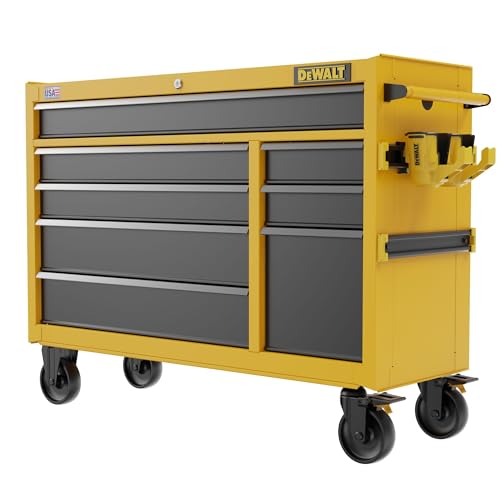
Choosing the right storage solution is crucial. Toolboxes are great for portability. They keep your tools safe and accessible. For larger collections, consider pegboards. They allow you to see all your tools at a glance. Shelving units are perfect for heavier tools. They provide a sturdy storage option. Wall-mounted racks save floor space. They are ideal for smaller workspaces.
Inventory Management
Keeping track of your tools is important. Create a simple inventory list. Note each tool and its location. This helps prevent loss or theft. Use labels for easy identification. Label shelves and drawers with tool names. This speeds up retrieval. Regularly update your inventory. Add new tools as you acquire them. Remove old or broken tools. This keeps your collection current. Organizing your tool collection doesn't have to be complex. Simple strategies can lead to a more efficient workspace.
Benefits Of Using Hand Tools
Hand tools like hammers, screwdrivers, and pliers offer precision and control for various tasks. They are reliable, easy to use, and require no power source, making them ideal for both professional and DIY projects. Versatile and durable, these tools enhance craftsmanship and safety by allowing hands-on manipulation.
Hand tools have been the backbone of craftsmanship for generations, offering numerous benefits that power tools simply can't match. Whether you're a seasoned craftsman or a DIY enthusiast, using hand tools can elevate your projects in unexpected ways. From achieving intricate details to enjoying the flexibility of on-the-go repairs, hand tools provide a unique set of advantages that might surprise you. Let's dive into why you might want to reach for a hand tool the next time you're tackling a task.
Precision And Control
Hand tools allow you to work with precision and control that is often hard to achieve with power tools. Imagine trying to carve a delicate pattern into wood with a power saw—it’s almost impossible. But with a chisel or carving knife, you can create intricate designs with ease. Hand tools require your direct input, so you feel every movement, making it easy to adjust as needed. This tactile feedback ensures that your work is accurate and meets your standards. Have you ever felt the satisfaction of a perfectly executed cut or joint? Hand tools make that possible.
Portability And Ease Of Use
One of the standout benefits of hand tools is their portability. Unlike bulky power tools that need outlets and extension cords, hand tools can be used anywhere. Whether you're fixing a loose hinge on a camping trip or assembling furniture in a tight space, hand tools get the job done. They are also incredibly easy to use, with no complex settings or buttons to navigate. You simply pick them up and start working, which is perfect for beginners. This simplicity can boost your confidence as you learn the ropes of DIY projects. So, what makes you reach for a tool—the comfort of precision or the freedom of portability? Hand tools offer both, making them an essential part of any toolkit.
Frequently Asked Questions
What Are Common Types Of Hand Tools?
Common types of hand tools include hammers, screwdrivers, wrenches, pliers, and saws. These tools are essential for various tasks like construction, repairs, and maintenance. Each tool serves a specific purpose and is designed to make manual work easier and more efficient.
How Do Hand Tools Differ From Power Tools?
Hand tools are manually operated, requiring physical effort, while power tools use electricity or batteries. Power tools are generally faster and more efficient for heavy-duty tasks. Hand tools are preferred for precision and control, especially in delicate or intricate work.
Why Are Hand Tools Important In Diy Projects?
Hand tools are crucial in DIY projects because they offer control and precision. They are ideal for tasks like assembling furniture, crafting, and minor repairs. Hand tools are also portable, making them perfect for quick fixes and small projects around the home.
How To Maintain Hand Tools Effectively?
Maintaining hand tools involves regular cleaning, lubricating moving parts, and storing them properly. Keep tools dry to prevent rust and inspect them for damage. Sharpen blades and tighten loose parts to ensure they function efficiently and safely.
Conclusion
General hand tools are essential in every toolbox. They help us complete various tasks efficiently. From hammers to screwdrivers, each tool serves a unique purpose. Knowing how to use them can make any project easier. Quality tools last longer and offer better performance.
Safety is crucial; always use tools properly to avoid injury. Investing in a good set of hand tools is wise. They are versatile and reliable for everyday tasks. With the right tools, you can tackle many projects with confidence. Whether fixing, building, or crafting, hand tools are indispensable aids.