Are you ready to take your automotive skills to the next level? Whether you're a seasoned mechanic or a car enthusiast eager to get your hands dirty, understanding the right hand tools for the job is essential.
Imagine being able to diagnose and fix common car issues with confidence, all thanks to the right tools in your toolbox. You'll discover the essential hand tools every automotive expert swears by, and why they're crucial for both beginners and pros alike.
Get ready to unlock the secrets of the trade and empower yourself with knowledge that will keep your car running smoothly. Keep reading to find out how the right tools can transform your automotive projects from daunting tasks to rewarding achievements.
Basic Hand Tools
In the world of automotive repair, having a solid set of basic hand tools is essential for any enthusiast or professional. These tools form the foundation of any toolbox and are invaluable for a variety of tasks. Understanding the different types of basic hand tools can make your repair jobs easier and more efficient.
Wrenches And Sockets
Wrenches and sockets are fundamental for tightening and loosening nuts and bolts. From open-end wrenches to ratcheting wrenches, each type serves a specific purpose. Do you know how frustrating it is to struggle with a stubborn bolt? That's where a good socket set comes in handy. A ratchet with a variety of socket sizes can save you time and effort. Make sure your set includes both metric and SAE sizes, as vehicles often have a mix of both.
Screwdrivers
Screwdrivers are another must-have in your toolkit. They come in various shapes and sizes, including flathead and Phillips. A magnetic tip can be a lifesaver when working in tight spaces, preventing screws from falling into the engine bay. Have you ever tried using the wrong size screwdriver? It can damage the screw head and make your job harder. Invest in a set with a comfortable grip and a variety of sizes to cover all your needs.
Pliers
Pliers are versatile tools that can grip, twist, and cut various materials. From needle-nose pliers for delicate work to locking pliers for a firm grip, they are indispensable in any repair job. Need to hold a nut while tightening a bolt? Pliers can be your third hand. Be sure to choose pliers with insulated handles for safety, especially when working near electrical components.
Are you ready to tackle your next automotive project? Equipping yourself with the right basic hand tools can significantly improve your repair experience. Remember, the right tool not only makes the job easier but also more enjoyable. So, what's in your toolbox?
Specialized Tools
In the world of automotive repair, specialized tools play a crucial role. They help mechanics fix complex parts with precision and ease. These tools ensure tasks are done right, saving both time and effort. Specialized tools are designed for specific jobs. They cater to different components of a vehicle, ensuring accuracy and efficiency. Let's explore some of these essential tools used in the automotive industry.
Torque Wrenches
Torque wrenches are vital for tightening bolts and nuts to exact specifications. They prevent over-tightening, which can damage parts. Mechanics use them to ensure bolts are secure but not overly tight. This tool comes in various types, such as beam, click, and digital. Each type serves a particular purpose, providing versatility in automotive tasks.
Impact Drivers
Impact drivers make loosening tight screws and bolts easier. They deliver strong rotational force, making them perfect for stubborn fasteners. These tools are compact and powerful, ideal for confined spaces. Impact drivers help mechanics work faster, enhancing productivity. Their usage extends beyond automotive, making them a valuable addition to any toolbox.
Brake Tools
Brake tools are essential for maintaining a vehicle's braking system. They include brake caliper tools, brake bleeder kits, and brake pad spreaders. These tools ensure brakes function correctly, ensuring safety on the road. Mechanics rely on them for accurate brake repairs and replacements. Proper use of brake tools prevents costly mistakes and enhances vehicle performance.
Diagnostic Tools
Every car enthusiast or mechanic knows the importance of having the right diagnostic tools in their toolbox. These tools are essential for identifying issues and ensuring that your vehicle is in optimal condition. Whether you're a professional or a DIY mechanic, understanding how to use these tools can save you time and money. So, let's dive into the world of automotive diagnostic tools and see what you might be missing out on.
Multimeters
A multimeter is a versatile tool that every car enthusiast should have. It's used to measure electrical properties like voltage, current, and resistance. Have you ever faced an issue with your car's battery or electrical system? A multimeter can quickly help you diagnose whether it's a faulty battery, a blown fuse, or a wiring issue.
Using a multimeter is straightforward. Simply connect the probes to the relevant points in your car's electrical system. In a matter of seconds, you can pinpoint the problem. Investing in a quality multimeter can save you from countless headaches down the road.
Obd-ii Scanners
An OBD-II scanner is like having a mini-computer that communicates with your car's brain. It reads the error codes that your vehicle's onboard diagnostics system generates. Ever seen that dreaded check engine light? An OBD-II scanner can tell you exactly what's wrong.
By plugging the scanner into your car's OBD-II port, you can retrieve error codes that indicate specific issues. This tool is especially useful for those who want to avoid costly visits to the mechanic. Imagine diagnosing the problem yourself and fixing it in your own garage.
Pressure Gauges
Pressure gauges are indispensable when it comes to maintaining your car's engine health. They measure the pressure of various fluids and gases in your vehicle. When was the last time you checked your tire pressure or engine oil pressure? Low pressure can lead to poor performance and even damage.
Using a pressure gauge is simple. Attach it to the valve or port of the component you want to check. Keep an eye on the readings and ensure they are within the recommended range. Regular checks with a pressure gauge can keep your vehicle running smoothly and efficiently.
These diagnostic tools are not just for professionals; they are valuable assets for any car owner. By learning to use them, you can tackle common automotive issues with confidence. What tools do you rely on for your car maintenance? Share your thoughts and experiences in the comments below!
Maintenance Tools
Maintenance tools are crucial for keeping your vehicle in top condition. These tools ensure that your car runs smoothly and efficiently, preventing unexpected breakdowns. By understanding and using the right maintenance tools, you can save time and money while extending the life of your vehicle. Let's dive into some essential maintenance tools you should have in your automotive toolkit.
Oil Filter Wrenches
Changing the oil in your car is a routine task, but removing the oil filter can be tricky. That's where oil filter wrenches come in. These tools make it easy to grip and twist off stubborn oil filters without damaging them. Imagine the frustration of struggling with a filter stuck in place. An oil filter wrench gives you the leverage you need. If you've ever experienced the satisfaction of a smooth oil change, you know the value of this tool. It turns a tedious task into a quick and easy one.
Battery Testers
Ever been stuck with a dead battery when you're in a hurry? Battery testers help prevent that scenario. They quickly assess the health of your car's battery, alerting you to issues before they become problems. It's like having a crystal ball for your car's electrical system. A quick test can save you from being stranded and can guide you on whether it's time to replace your battery. Knowing your battery's condition adds peace of mind on long drives.
Fluid Extractors
Fluid extractors are a game-changer for car maintenance. They allow you to remove old fluids like oil or coolant without getting your hands dirty. Picture this: no more spills and messes in your garage. These tools are efficient and clean, making fluid changes a breeze. With a fluid extractor, you control the process, ensuring that every drop is out before adding fresh fluid. It transforms what was once a messy job into a neat and simple task. Do you want a cleaner, faster way to change fluids? This tool is your answer.
What maintenance tools do you rely on? Share your thoughts and experiences in the comments below. Your insights could help others make informed decisions about their automotive toolkit.
Safety Equipment
Working with automotive tools requires attention to safety. Using proper safety equipment is vital. It protects you from accidents and injuries. Let's explore some essential safety gear.
Protective Gloves
Protective gloves shield your hands from harm. They prevent cuts and bruises. Choose gloves that fit comfortably. They should be durable and resistant to chemicals. Always wear them when handling tools and parts.
Safety Goggles
Safety goggles guard your eyes against debris. Sparks and metal shards can cause serious injury. Goggles with a snug fit provide the best protection. Ensure they are clear and scratch-free for good visibility. Never work without them.
Ear Protection
Automotive work can be noisy. Ear protection is necessary to prevent hearing damage. Use earplugs or earmuffs to reduce noise levels. They help you focus better, too. Always have them on in loud environments.
Tool Storage Solutions
Organizing hand tools is crucial for automotive professionals. Proper tool storage solutions enhance efficiency and extend the life of tools. Whether you're a seasoned mechanic or a DIY enthusiast, having a system in place is essential. Let's explore some effective storage options for your tools.
Toolboxes
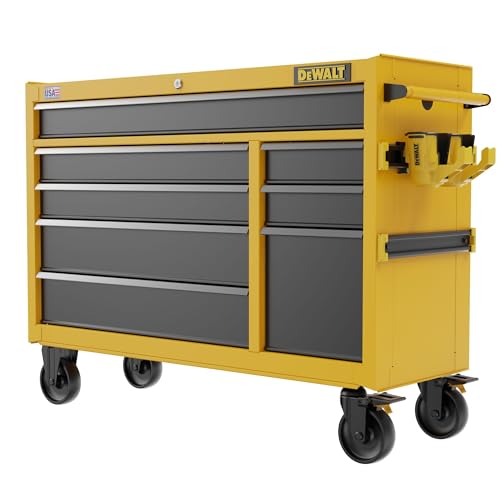
Toolboxes offer a portable solution for storing automotive tools. They come in various sizes and designs to fit different needs. Metal toolboxes are sturdy and durable. Plastic ones are lighter and often more affordable. Choose a toolbox with compartments to keep tools organized. Easy access saves time during repairs.
Cabinets
Cabinets provide ample space for larger tool collections. They are perfect for workshops or garages. Lockable cabinets offer security for expensive tools. Shelves and drawers inside help categorize tools. This minimizes clutter and maximizes efficiency. Opt for cabinets with wheels for easy mobility.
Wall Organizers
Wall organizers utilize vertical space efficiently. They are ideal for quick access to frequently used tools. Pegboards are a popular choice for wall organization. Hooks and shelves allow customization of tool placement. This keeps the workspace tidy and tools visible. Wall organizers are perfect for small spaces.
Frequently Asked Questions
What Are Common Automotive Hand Tools?
Automotive hand tools include wrenches, screwdrivers, pliers, and hammers. Wrenches are essential for loosening and tightening bolts. Screwdrivers are used for screws, while pliers grip and cut wires. Hammers are useful for shaping metal and removing parts. Each tool serves a specific function in vehicle maintenance.
Why Are Torque Wrenches Important?
Torque wrenches ensure bolts are tightened to the correct specification. This prevents damage and ensures safety. Incorrect torque can lead to parts failing or becoming loose. Using a torque wrench helps maintain the integrity of automotive components. It's crucial for accurate and safe vehicle repairs.
How Are Pliers Used In Car Repairs?
Pliers are versatile tools used for gripping, cutting, and bending materials. They are essential in automotive electrical work for cutting and stripping wires. They also help in removing and installing various components. Pliers provide precision and control, making them vital for many repair tasks.
Can Screwdrivers Be Used For Automotive Tasks?
Yes, screwdrivers are essential in automotive repairs. They are used to tighten or loosen screws in various components. Phillips and flathead screwdrivers are common types needed. They help in tasks like installing panels, repairing electronics, and accessing engine parts. Screwdrivers are fundamental in vehicle maintenance.
Conclusion
Exploring automotive hand tools opens up a world of possibilities. Each tool serves a unique purpose. Wrenches and screwdrivers are staples in every toolbox. Pliers grip and cut with precision. Ratchets offer speed for tightening. Hammers deliver force where needed.
Measuring tools ensure accuracy in repairs. All these tools work together seamlessly. They empower mechanics to fix vehicles efficiently. Understanding their roles helps you choose wisely. With practice, familiarity grows. The right tools make automotive tasks simpler. Dive into the world of hand tools.
Equip yourself with the essentials for success in automotive repair.