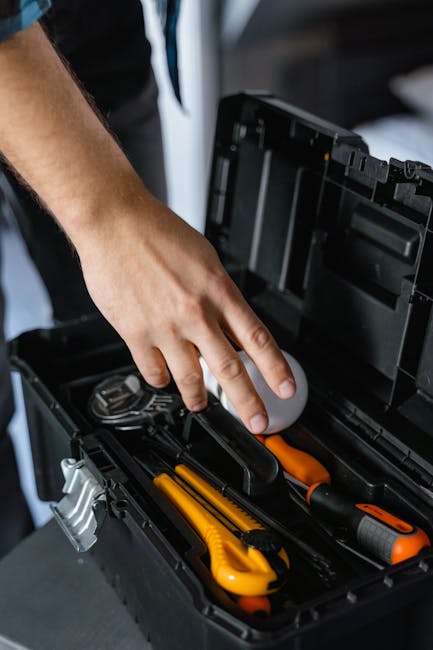
When you think about construction, you might envision towering cranes and heavy machinery. But let's not forget the unsung heroes of the job site: hand tools.
These simple yet essential tools are the backbone of any construction project. Whether you're a seasoned pro or a curious DIY enthusiast, knowing your hand tools is crucial. Imagine having the power to transform raw materials into a finished masterpiece with just the tools in your hand.
Intrigued? You should be. Dive into this article to discover the variety of hand tools used in construction and how they can make all the difference in your projects. Get ready to unlock the secrets of these indispensable tools. Your construction knowledge is about to expand dramatically.
Basic Hand Tools
In the world of construction, basic hand tools hold immense value. These tools are essential for any construction project. They are easy to use and require no power source. Understanding these tools enhances efficiency and productivity on the job. Let's delve into some of the fundamental hand tools used in construction.
Hammer Types
The hammer is a staple in construction work. It is used for driving nails into wood and other materials. The claw hammer is the most common type. It features a flat head for pounding and a curved claw for removing nails. Another type is the sledgehammer, which is heavier and used for demolition work. It delivers powerful blows to break down walls or structures.
Screwdrivers
Screwdrivers are essential for tightening or loosening screws. The flathead screwdriver has a single flat blade. It fits into the slot of a flathead screw. The Phillips screwdriver has a cross-shaped tip. It fits into Phillips screws, providing a better grip. Precision screwdrivers are smaller and used for intricate work, such as electronics.
Wrenches
Wrenches are vital for gripping, fastening, or turning objects. An adjustable wrench, also known as a crescent wrench, is versatile. It can fit various sizes of nuts and bolts. The socket wrench uses interchangeable sockets for different sized fasteners. A pipe wrench, with its serrated jaws, grips pipes securely. Each wrench serves a specific purpose in construction tasks.
Measuring Tools
Measuring tools in construction are vital for accuracy. These tools ensure that every project meets precise specifications. Mistakes can lead to costly errors or unsafe structures. Among the most essential measuring tools are tape measures, levels, and squares. Each plays a unique role in the construction process.
Tape Measures
Tape measures are indispensable in construction. They provide quick and accurate measurements. Most tape measures are retractable, making them easy to use. They can measure distances, lengths, and widths. Construction workers rely on tape measures for layout planning. They help in cutting materials to the correct size. Their durability makes them ideal for tough construction environments.
Levels
Levels ensure surfaces are perfectly horizontal or vertical. They help in aligning walls, floors, and ceilings. Bubble levels are the most common type. They contain liquid and an air bubble. Workers adjust surfaces until the bubble rests in the center. Levels are crucial for installing windows and doors. Laser levels offer advanced precision. They project straight lines over long distances.
Squares
Squares are essential for making precise angles. They help in drawing and verifying right angles. Carpenter's squares are popular in framing work. They guide accurate cuts and measurements. Speed squares are another variety. They are compact and portable. Squares are vital for laying out rafters and stair stringers. They ensure corners are exact and materials fit properly.
Cutting Tools
Cutting tools are vital in construction. They ensure precision and efficiency. These tools help shape and size materials effectively. Each cutting tool has a specific use. Understanding their differences can enhance productivity. Here, we explore the common cutting tools in construction.
Hand Saws
Hand saws are essential for cutting wood. They offer control and accuracy. A carpenter's best friend in many projects. Hand saws come in different types. Each type serves a unique purpose. Crosscut saws cut wood across the grain. Rip saws cut along the grain. Both are crucial in woodworking.
Utility Knives
Utility knives are versatile and handy. They cut through various materials. Cardboard, drywall, and more. Easy to carry and use. Utility knives have replaceable blades. This makes them cost-effective. Always ensure the blade is sharp. A sharp blade ensures clean cuts and safety.
Chisels
Chisels carve and shape wood, stone, or metal. They are precise and effective. Chisels vary in size and shape. Each has its specific task. Wood chisels are common in carpentry. Masonry chisels work well on stone. Metalworking requires cold chisels. Always use a mallet with a chisel. This ensures controlled and safe cutting.
Fastening Tools
Construction projects often rely on essential hand tools for fastening. Hammer, screwdriver, and wrench are commonly used. These tools ensure strong and secure connections in structures. Each tool serves a specific purpose, making construction tasks more efficient.
In the world of construction, fastening tools are essential for ensuring materials stay securely in place. Whether you’re a seasoned builder or just starting out, understanding these tools can make your projects more efficient and effective. Fastening tools are the backbone of building, holding everything together from the smallest nail to the largest beam. Let’s dive into some of the most common fastening tools you’ll encounter on the job site.
Pliers
Pliers are your go-to tool for gripping, twisting, and cutting wires and other materials. They’re incredibly versatile, making them a staple in every builder's toolkit. Different types of pliers serve different purposes; for instance, needle-nose pliers are great for precision work in tight spaces. I once found myself in a tricky spot where I had to remove a stubborn nail from an awkward angle. My needle-nose pliers were the hero of the day, showing just how crucial it is to have the right pair on hand.
Clamps
Clamps are vital for holding materials together temporarily while you work. They come in various shapes and sizes, each designed for specific tasks. Whether you're gluing wood or welding metal, clamps ensure your materials stay in place until they’re securely fastened. Imagine trying to align two heavy boards without clamps. It’s a near-impossible task! With clamps, your hands are free to focus on precision rather than balance. What type of clamps do you find most useful in your projects?
Nail Sets
Nail sets are small, yet incredibly useful tools for driving the head of a nail below the surface of wood. This ensures a smooth finish, ready for painting or varnishing. Nail sets come in different sizes to match various nail heads, making them an invaluable part of finishing work. During a renovation project, I discovered the importance of using the right size nail set. Using one that was too small led to an uneven finish. This taught me the lesson that attention to detail with your tools can make all the difference in the quality of your work. Engaging with these tools not only improves your construction skills but also enhances the quality of your work. What fastening tools have been game-changers in your projects?
Digging Tools
When you think of construction, massive machines often come to mind. However, the true backbone of many projects lies in the simple yet essential hand tools. Among these, digging tools play a crucial role in preparing the ground for various construction tasks. Whether you're planting a tree, installing a fence, or laying the foundation for a new structure, the right digging tool can make all the difference. Let's dive into some of the most common digging tools you'll encounter on a construction site.
Shovels
Shovels are your go-to tool for moving loose material. With their broad blades and long handles, they help you scoop and transfer soil, sand, or gravel efficiently. A good shovel can make the difference between a back-breaking day and an easy one.
Have you ever noticed how different shovel designs cater to specific tasks? The curved blade of a round-point shovel is perfect for breaking into hard-packed soil. It's a lifesaver when you're tackling tough ground. Next time you reach for a shovel, consider the task at hand and choose wisely.
Spades
Spades are the precision instruments of the digging world. Unlike shovels, they feature flat, straight blades, which make them ideal for edging, cutting through roots, or defining borders. If you've ever tried to plant a shrub without one, you know how much work a spade can save you.
Think about the last time you had to create a neat edge along a garden bed or cut through stubborn sod. A spade provides the clean lines and sharp cuts that a shovel can't. It’s a tool that rewards careful work with excellent results.
Post Hole Diggers
Setting up posts for a fence or a deck? Post hole diggers are your best friends. These tools allow you to dig deep, narrow holes that are just the right size for posts. They save you time and effort compared to using a shovel.
Have you ever tried to dig a deep hole with a regular shovel? It’s challenging and often results in a wider hole than needed. A post hole digger ensures efficiency and precision, allowing you to focus on getting the job done right. Next time you're planning a project that requires posts, consider the post hole digger as your go-to tool.
In the realm of construction, having the right tool for the job is half the battle. The next time you find yourself on a construction site, take a moment to appreciate these humble yet powerful digging tools. They might just be the unsung heroes of your project.
Finishing Tools
Finishing tools bring the final touch to construction projects. These tools help ensure surfaces are smooth, polished, and ready for use. They are essential for achieving a professional look. Without them, a project might appear incomplete or rough. Each tool has a specific function, contributing to the overall finish of the structure.
Trowels
Trowels are handheld tools with flat, smooth blades. They are used to spread and smooth materials like plaster, mortar, and concrete. Trowels come in different shapes and sizes for various tasks. A good trowel offers control and precision. This is vital for achieving a perfect finish.
Sanding Blocks
Sanding blocks are simple tools for smoothing surfaces. They are easy to grip and control. Sanding blocks ensure even pressure over surfaces. They help remove rough spots and prepare surfaces for painting or sealing. Different grits offer varying levels of smoothness.
Brushes
Brushes are versatile tools for applying paint or sealants. They come in various shapes and sizes. A quality brush ensures an even application. Brushes help reach tight corners and edges. They are crucial for a neat and clean finish.
Safety Tools
Construction sites are bustling with activity. Safety is a top priority. Using the right safety tools can prevent injuries. These tools protect workers from potential hazards. Let's explore some essential safety tools.
Gloves
Gloves shield hands from cuts and abrasions. They offer a strong grip when handling materials. Different gloves suit different tasks. Leather gloves are durable. Rubber gloves resist chemicals. Choose the right glove for the job.
Safety Goggles
Safety goggles protect eyes from dust and debris. They are essential when cutting or drilling. Clear lenses provide clear vision. Some goggles offer UV protection. Ensure they fit snugly to prevent accidents.
Ear Protection
Construction sites can be noisy. Ear protection guards against hearing loss. Earplugs or earmuffs can reduce noise levels. They are vital around loud machinery. Choose comfortable ear protection for long use.
Maintenance Tips
Maintaining your hand tools can extend their lifespan and effectiveness. Proper care ensures that they function well and remain safe to use. Below are some essential tips to keep your construction tools in top condition.
Cleaning Methods
Dirt and grime can cause tools to degrade over time. Always clean your tools after use. Use a damp cloth to wipe them down. For stubborn dirt, a brush can help. Avoid using water on metal parts. It can lead to rust. Instead, use a mild cleaner or oil.
Storage Solutions
Proper storage prevents damage. Store tools in a dry place. Moisture can cause rust and corrosion. Use toolboxes or racks for organization. Keep sharp tools in protective sheaths. This prevents accidents and maintains sharpness.
Regular Inspections
Inspect your tools regularly for wear and tear. Check for cracks, rust, or loose parts. Tighten any loose screws or bolts. Replace damaged tools immediately. Regular checks ensure safety and functionality.
Frequently Asked Questions
What Are Common Hand Tools In Construction?
Common hand tools in construction include hammers, screwdrivers, wrenches, and pliers. These tools are essential for tasks like nailing, screwing, tightening bolts, and gripping materials. They offer precision and control, making them indispensable for construction projects. Proper handling and regular maintenance ensure safety and efficiency on site.
How Is A Hammer Used In Construction?
A hammer is used for driving nails into wood or other materials. It can also be used for breaking or shaping objects. The claw end helps in removing nails. Hammers come in various types and sizes, suitable for specific tasks.
Always ensure proper grip and technique for effective use.
Why Are Pliers Important In Construction?
Pliers are vital for gripping, cutting, and bending wires or materials. Their design allows for precision and control in tight spaces. They come in various types, such as needle-nose and cutting pliers. Pliers are essential for electrical work, plumbing, and metalwork, ensuring efficient and safe task execution.
How Do Screwdrivers Aid In Construction Tasks?
Screwdrivers are used for tightening or loosening screws in construction projects. They come in different types, such as Phillips and flat-head, suited for various screw types. Screwdrivers provide precision and control, ensuring secure fastening. Proper use prevents damage to screw heads and enhances task efficiency.
Conclusion
Hand tools are vital in construction. They ensure safety and efficiency. Each tool serves a unique purpose, from hammers to wrenches. Choosing the right tool saves time and effort. Quality tools last longer and perform better. Regular maintenance keeps tools in top shape.
Understanding tools helps in making wise purchases. Always prioritize safety when using hand tools. Practice proper handling techniques. Construction work becomes easier with the right tools. So, equip yourself wisely. Stay informed about new tools and innovations. Enhance your skills with hands-on experience.
Build confidently, knowing your tools will support you.