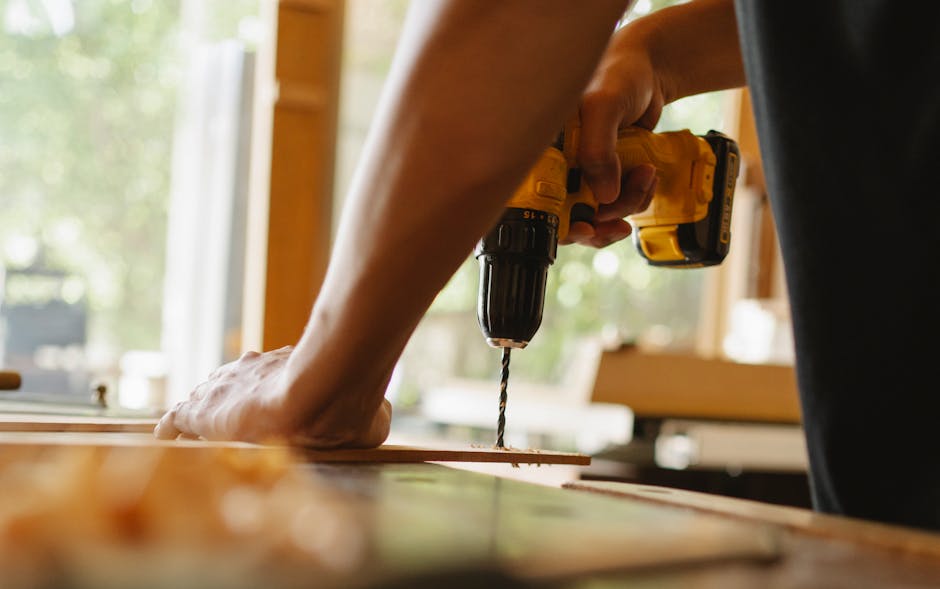
Have you ever held a drill and marveled at its power to swiftly pierce through wood or metal? It's a tool that feels almost magical in your hands, turning tough tasks into simple ones.
But have you ever wondered about the humble beginnings of this modern marvel? What hand tool inspired the drill that you use today? The answer might surprise you. Uncovering this story will not only satisfy your curiosity but also give you a new appreciation for the tools in your toolbox.
So, are you ready to dive into the fascinating history of the drill and discover its origins? Let's get started!
Historical Background
Centuries ago, the bow drill laid the foundation for modern drills. This ancient tool used a string and stick method. It was vital for creating fire and boring holes. Its simple design inspired the development of today's power drills, blending ancient ingenuity with modern technology.
The drill, an essential tool in our modern toolkit, has a fascinating origin story rooted in the evolution of hand tools. Understanding this historical background not only enriches your appreciation for the drill but also highlights human ingenuity. Let's journey back in time to uncover what hand tool inspired the drill and how it transformed over the centuries.
The Bow Drill: A Primitive Innovator
The bow drill is often credited as the earliest ancestor of the modern drill. It was a simple yet effective tool used for starting fires and boring holes. Crafted with a stick, string, and a piece of wood, the bow drill utilized a back-and-forth motion to produce friction. This innovation made tasks that would have been laborious much easier.
From Ancient Egypt To Modern Times
Did you know the bow drill was widely used in ancient Egypt? Artisans employed it to work on intricate stone carvings and jewelry. This tool was pivotal in advancing their craftsmanship, showcasing how a simple design could have a profound impact. You might wonder how a basic tool like this led to today's power drill.
Why The Design Endured
The bow drill's design is a testament to its efficiency and effectiveness. Its simplicity allowed it to be adapted and improved upon through the ages. The concept of using rotational force is a principle still used in drills today. This enduring design speaks to the human knack for innovation and improvement.
The Evolution To Modern Drills
Fast forward to the industrial revolution, and you'll see the transformation of the hand drill into more sophisticated machinery. The introduction of electricity brought about significant changes. These changes made drills more powerful and versatile, expanding their use in various fields. How often do you think about the humble beginnings of the tools you use today?
Practical Insights For Tool Enthusiasts
Reflecting on the evolution of the drill can offer practical insights into choosing the right tools. Understanding their history can guide your decisions and enhance your DIY projects. Consider experimenting with different types of drills to appreciate their capabilities. Have you explored the various attachments and their uses? This historical perspective not only enriches your knowledge but also inspires curiosity. Next time you pick up a drill, remember the journey from the bow drill to the tool in your hand.
Early Hand Tools
Early hand tools were the foundation for modern inventions. Craftsmen relied on these tools for precision work. They were simple yet effective. Exploring these tools helps us understand the evolution of the drill.
Bow Drill
The bow drill is one of the oldest tools. It was used for drilling holes in wood and stone. A flexible stick, or bow, was attached to a spindle. Rapid back-and-forth motion created friction. This friction helped bore holes efficiently. The bow drill's design inspired mechanical drills.
Gimlet
The gimlet was another vital tool. It was a small hand-held device. The gimlet's screw tip pierced wood easily. Users turned the handle manually. This simple action made small, clean holes. The gimlet's design influenced the creation of more advanced drills.
Brace And Bit
The brace and bit tool was revolutionary. It offered more control and precision. Users rotated a U-shaped handle to power the drill bit. This tool made larger holes in wood. It was a significant step in tool evolution. The brace and bit shaped the design of modern hand drills.
Evolution Of Drilling Techniques
Drilling techniques have evolved significantly over the centuries, driven by human ingenuity and the need for efficiency. From simple hand tools to complex machines, this evolution reflects our quest to make drilling faster, easier, and more precise. But have you ever wondered what inspired the modern drill? Let's dive into the fascinating journey of drilling techniques and explore how ancient civilizations influenced today's technology.
From Manual To Mechanized
Imagine using a stick with a pointed end to bore holes into wood. That's how it started—manual drilling was all about physical effort and patience. You would twist and turn, relying solely on your strength.
As time passed, the need for efficiency led to mechanized solutions. The hand drill was a game changer, allowing you to create holes with less effort. Eventually, the electric drill emerged, revolutionizing the way we work by adding power to precision.
Today's cordless drills reflect this evolution, combining technology and mobility. Have you experienced the satisfaction of drilling a perfect hole with minimal effort? That's the result of centuries of innovation.
Influence Of Ancient Civilizations
Ancient civilizations laid the groundwork for modern drilling techniques. Egyptians used bow drills, creating holes in stone with remarkable skill. They proved that human ingenuity knows no bounds.
Chinese civilizations introduced the auger, a tool that changed the game for drilling into wood. Imagine the impact of this simple tool on carpentry and construction.
These ancient tools inspired the development of more complex drilling systems. What lessons can we learn from their resourcefulness? It's a testament to how necessity drives innovation.
As you consider the tools in your toolbox, think about their origins. How have these ancient practices shaped the way you work today?
Technological Advancements
The humble hand auger inspired the modern drill. This simple tool, used for boring holes in wood, laid the groundwork for today's powerful drills. Its design provided a foundation for creating more efficient and versatile drilling devices.
Technological advancements have significantly transformed the way we use tools in our daily lives. One fascinating journey is how a simple hand tool inspired the creation of the drill. As technology progressed, the drill evolved dramatically, becoming an essential tool in various industries and households.
Industrial Revolution Impact
The Industrial Revolution was a turning point for tool innovation. Before this period, most tools were manual, and work was labor-intensive. But with the rise of machinery and steam power, there was a surge in demand for more efficient tools. Factories needed ways to produce goods faster and with greater precision. This need prompted inventors to explore powered tools. The traditional hand tool, like the brace and bit, laid the groundwork for these innovations. Have you ever wondered how this shift changed the pace of work in industries?
Innovations In Drill Design
Following the Industrial Revolution, inventors began reimagining the hand drill. They wanted to increase efficiency and reduce manual effort. This led to the creation of the electric drill, which quickly gained popularity. One notable advancement was the portable electric drill developed by Black & Decker in 1917. This new design made it easier for workers to carry and use drills on various sites. Imagine how this simple change increased productivity across multiple sectors. Over time, drills became more refined, with features like variable speeds and cordless options. These innovations have made drills more versatile and user-friendly. What features do you think have the most impact on your DIY projects at home? Understanding the evolution of the drill reminds us of the importance of innovation in making our lives easier and more efficient. As technology continues to advance, who knows what the next big tool innovation will be?
Cultural Significance
The ancient bow drill, a simple yet effective tool, inspired the modern drill. It was used for starting fires and boring holes. This tool highlights human creativity and innovation throughout history.
In the world of tools, the hand drill stands out not just for its utility but also for its cultural significance. Its inspiration is deeply rooted in history, transcending mere function and entering the realm of symbolism. Exploring the cultural layers of the drill reveals fascinating insights into its role in human history.
Symbolism In Different Cultures
The hand drill carries symbolic weight across various cultures. In ancient Egypt, it symbolized creation and transformation. The act of drilling was akin to piercing the veil between the mundane and the divine. In Native American cultures, the bow drill was more than a tool; it represented survival and ingenuity. Its use was a rite of passage, teaching young members the importance of resourcefulness. Such symbolism makes you wonder about the tools you use every day. What do they represent in your life and culture?
Role In Craftsmanship
For artisans, the hand drill is a trusted companion. It's not just a tool; it's an extension of their skill and creativity. In woodworking, the precision of a hand drill is unmatched, allowing craftsmen to add intricate details. Think about a time you crafted something with your own hands. The satisfaction of using a tool manually is irreplaceable. In metalwork, the hand drill allows for delicate operations that machines might overlook. Its simplicity requires mastery, making the craftsman the true star. The next time you pick up a tool, consider its cultural background. Does it connect you to a tradition or inspire you to craft your own story?
Modern Implications
The drill has evolved from simple hand tools. Its development has changed industries and everyday tasks. This evolution shows how ancient tools inspire modern technology. Hand drills inspired today's electric and cordless models. Their impact stretches across various fields, from construction to medicine.
Understanding these tools’ history helps appreciate their modern roles. It reveals the potential for further advancements. This knowledge also encourages innovation in tool design and functionality. Let's dive deeper into the current and future state of drilling tools.
Current Drill Varieties
Today, drills come in many forms. Each type serves a specific purpose. Cordless drills offer mobility and ease of use. They are popular for home projects. Electric drills provide consistent power. They are ideal for heavy-duty tasks.
Hammer drills excel in masonry work. They combine rotation with a hammering action. This makes them perfect for drilling into concrete and brick. Right-angle drills are useful in tight spaces. They allow access where traditional drills cannot reach.
Future Of Drilling Tools
The future holds exciting possibilities for drilling tools. Smart technology integration is one area of growth. Drills could soon feature sensors for precision work. These advancements will enhance accuracy and efficiency.
Energy efficiency is another focus. Developers aim to create drills with longer battery life. This change will benefit both professionals and DIY enthusiasts. Additionally, materials like carbon fiber may reduce tool weight. This will improve user comfort and reduce fatigue.
Frequently Asked Questions
What Hand Tool Led To The Creation Of The Drill?
The hand-cranked brace inspired the modern drill. It was used to manually bore holes in wood. Its design and mechanism laid the foundation for power drills, making tasks easier and faster. The brace's simplicity and efficiency were key factors in its evolution into today's electric drills.
How Did Ancient Tools Influence Modern Drills?
Ancient tools like the bow drill impacted modern designs. The bow drill's rotary motion concept is essential in today's drills. It demonstrated how rotation could efficiently create holes. This principle is central to both manual and power drills, showcasing the continuity of innovation through time.
Why Is The Brace Important In Drill History?
The brace is pivotal because it introduced rotational mechanics. This hand tool offered control and precision in drilling tasks. Its design was a precursor to electric drills, providing insights into efficient hole-making. The brace's influence is evident in the ergonomic aspects of modern drills.
Which Ancient Tool Resembles The Modern Drill?
The bow drill closely resembles the modern drill in function. It used rotational force to bore holes, similar to today's drills. While manual, it effectively demonstrated the power of rotation. This concept is integral to electric drills, underscoring the bow drill's historical significance.
Conclusion
The drill's origin traces back to the humble bow drill. This ancient tool sparked innovation. It showcased human creativity and problem-solving. Over time, technology evolved. The simple bow drill inspired modern electric drills. A testament to human ingenuity. Today, drills are essential in homes and industries.
They stand as symbols of progress. Their evolution shows how tools shape our world. Understanding their roots helps us appreciate this journey. From simple beginnings to complex machines. A fascinating story of innovation and adaptation. The drill's legacy continues, impacting our daily lives.
We see progress through this inspiring evolution.