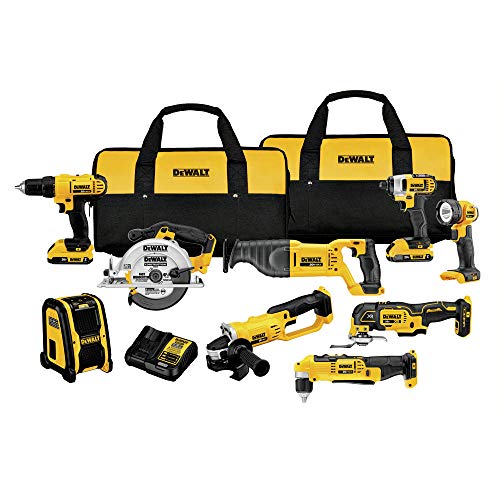
Imagine you're ready to tackle a DIY project or a professional task, armed with your trusty electric tools. You feel empowered, capable, and ready to transform your ideas into reality.
But there's a hidden danger lurking in those powerful machines that can turn your project into a nightmare. What is the most serious hazard associated with electric tools that you need to be aware of? This isn't just about following safety instructions or wearing protective gear—it's about understanding a risk that could impact your life in a split second.
You might be surprised by what truly poses the greatest threat. As you read on, you'll uncover crucial insights that could make all the difference in keeping you safe and confident in your work. Don't let curiosity be your only guide; let safety lead the way as you delve deeper into this vital topic.
Electric Shock Risks
Electric shock is a major risk with electric tools. It can cause serious injuries or even death. Understanding the risks helps in preventing accidents. Electric tools need proper handling to ensure safety.
Causes Of Electric Shock
Faulty wiring is a common cause of electric shock. Damaged cords expose users to live wires. Wet conditions increase the risk significantly. Using tools with wet hands or in damp areas is dangerous. Lack of proper insulation can lead to electric shock. Tools without double insulation are riskier to use.
Prevention Measures
Inspect tools regularly for damage. Check cords and plugs for wear and tear. Ensure tools are dry before use. Avoid using them in wet conditions. Wear rubber gloves and shoes for extra protection. Use ground fault circuit interrupters (GFCIs) for added safety. Follow manufacturer instructions for safe operation. Proper training reduces the risk of electric shock.
Burn And Fire Hazards
Electric tools are invaluable in daily tasks, yet they carry risks. Burn and fire hazards are chief concerns. These hazards can lead to serious injuries. Understanding the dangers helps in preventing accidents. Let's delve into the common sources and safety tips.
Common Sources Of Burns
Electric tools generate heat during use. This heat can cause burns if tools are mishandled. Faulty wiring is another source. Wires can overheat and cause skin burns. Sparks from tools can ignite flammable materials. This can lead to burns and fires. Always check for exposed wires before use.
Fire Safety Tips
Keep your work area tidy. Clutter increases fire risk. Store flammable items away from tools. Check tools for damage regularly. Replace worn-out cords promptly. Ensure tools have proper ventilation. This prevents overheating. Use tools as per the manufacturer's instructions. This minimizes risks.
Have a fire extinguisher nearby. Make sure it is in working condition. Install smoke detectors in work areas. Test them monthly to ensure safety. By following these tips, you can reduce hazards. Stay alert and keep safety your priority.
Short Circuits And Overloads
Electric tools pose serious hazards like short circuits and overloads. These risks can cause fires or electric shocks, endangering users. Proper maintenance and usage are essential to prevent accidents and ensure safety.
Electric tools are indispensable in our daily lives, whether you're a DIY enthusiast or a professional tradesperson. However, they come with their own set of hazards, particularly short circuits and overloads. These issues can not only damage your equipment but also pose serious safety risks. Understanding these hazards and knowing how to prevent them is crucial for anyone working with electric tools.
Identifying Short Circuits
Short circuits occur when an unintended connection forms between two points in an electrical circuit, allowing electricity to take an unplanned path. This can lead to overheating, fires, or even explosions. Imagine working on a project where suddenly your electric drill stops functioning and emits a burning smell. This is a classic sign of a short circuit. Always inspect your tools for frayed wires or exposed metal parts before use. You can check for short circuits by using a multimeter. It helps in identifying any abnormal flow of electricity. It’s a simple tool that can save you from potential disasters.
Handling Overloads Safely
An overload happens when an electrical tool draws more current than the circuit can handle. This can trip circuit breakers or blow fuses, interrupting your work and potentially damaging your tools. Have you ever plugged in a tool only to have your power cut out moments later? That’s an overload. It’s frustrating but preventable. Ensure your tools are rated for the electrical capacity of your outlet. Use an extension cord that matches the power requirements of your tool. This prevents the circuit from being overwhelmed. Proper cord management is not just about organization; it's about safety. What steps do you take to ensure your tools function safely? Reflect on your safety measures and see if they align with preventing short circuits and overloads. Your proactive approach can make a significant difference.
Explosive Atmospheres
Electric tools are indispensable in many industries, offering efficiency and precision. But they also pose serious hazards, especially in explosive atmospheres. Here, the air contains flammable gases, vapors, or dust. A single spark from an electric tool can ignite these elements. This can lead to catastrophic explosions. Understanding and mitigating these risks is crucial for safety.
Recognizing Hazardous Environments
Identifying explosive atmospheres requires keen awareness. Such environments are common in chemical plants and refineries. Dusty areas, like grain silos, also pose risks. Even a small amount of flammable substance can create danger. Workers must stay alert and aware of surroundings.
Look for warning signs and labels. Facilities usually mark hazardous zones clearly. Follow these indications strictly. Use only equipment suitable for these areas. Proper identification prevents unnecessary risks.
Tool Safety In Explosive Areas
Using electric tools in explosive atmospheres demands caution. Choose tools designed for these environments. They should have safety features that prevent sparks. Regular maintenance is essential. Check for wear and damage before use.
Personal protective equipment adds another layer of safety. Use flame-resistant clothing and safety goggles. Ensure all tools and equipment comply with safety standards. Training is vital. Educate workers on safe practices and emergency procedures.
Proper storage of electric tools is important. Keep them in designated areas away from flammable substances. Store them securely to prevent accidental activation. Simple practices can prevent disastrous incidents.
Ergonomic Concerns
Electric tools are essential in many jobs. But they can pose ergonomic risks. Improper use can lead to physical strain and injuries. Understanding ergonomic concerns is key to safe tool use. It ensures efficiency and reduces health risks.
Repetitive Strain Injuries
Using electric tools often involves repetitive motions. These motions can strain muscles and tendons. Repetitive strain injuries (RSIs) are common in tool use. They can cause pain and limit movement. Over time, RSIs can lead to chronic conditions.
Identify early signs of RSIs. Pain, stiffness, and swelling are common symptoms. Address these symptoms promptly to prevent further damage. Regular breaks and stretching can help reduce the risk. Proper ergonomic practices are crucial in preventing RSIs.
Proper Tool Handling Techniques
Proper handling of electric tools is essential. It minimizes ergonomic risks and enhances safety. Always maintain a comfortable grip on the tool. This reduces unnecessary strain on your hands and wrists.
Ensure your body posture is correct. Keep your back straight and avoid awkward positions. Improper posture can lead to back and neck pain. Adjust your workspace to suit your height and reach.
Use tools that fit your hand size. Oversized or undersized tools increase the risk of injury. Select tools with ergonomic designs for better comfort. These steps help ensure safe and effective tool use.
Maintenance And Inspections
Electric tools have transformed the way we work, offering speed and precision. Yet, they come with hazards that demand attention. Proper maintenance and regular inspections can reduce the risk of accidents. Neglecting these vital steps could lead to serious safety issues. Let's explore how regular maintenance and inspections play a crucial role.
Regular Maintenance Practices
Maintaining electric tools is crucial for safe operation. Clean tools after every use to remove dust and debris. Lubricate moving parts to ensure smooth functionality. Check power cords for any signs of wear or damage. Replace worn-out parts immediately to avoid malfunction. Ensure batteries are charged and stored properly.
Store tools in a dry, safe place to prevent rust. Keep tools organized to prevent accidental damage. Follow manufacturer guidelines for maintenance schedules. Proper care extends the life of tools and enhances safety. Regular maintenance practices keep tools ready for use.
Importance Of Tool Inspections
Inspections identify potential hazards before they become serious. Examine tools for visible cracks or damage. Check the power supply and connections regularly. Ensure safety features are functioning correctly. Verify all controls are operating smoothly.
Conduct inspections before each use. Look for signs of overheating or unusual noises. Make sure all parts are secure and not loose. Regular inspections catch problems early, preventing accidents. They ensure tools are safe and reliable for work.
Personal Protective Equipment
When working with electric tools, the most serious hazard often stems from a lack of proper personal protective equipment (PPE). This isn't just about wearing gloves or goggles; it’s about understanding the risks and equipping yourself accordingly. Think of PPE as your first line of defense against potential injuries. It can be the difference between a minor inconvenience and a serious accident. Let's explore the essentials that you should never overlook.
Essential Safety Gear
Imagine trying to drill without protective eyewear. A simple slip could send debris flying towards your eyes. Safety glasses or goggles are not optional. They are crucial for shielding your eyes from dust and particles. Gloves, on the other hand, provide a firm grip and protect your hands from sharp tools. Steel-toed boots offer protection from heavy objects that might fall. A hard hat is essential in environments where falling objects are a risk. Each piece of gear serves a specific purpose. Are you equipped with all the essentials?
Proper Usage Of Equipment
Having the right gear is only half the battle. Knowing how to use it effectively is equally important. For instance, wearing gloves that are too loose can cause accidents rather than prevent them. Ensure your PPE fits well and is in good condition. Do you regularly check your gear for wear and tear? A small tear could compromise its protective ability. It's crucial to use each piece correctly for maximum safety.
Consider your previous experiences with electric tools. Did you ever overlook safety gear and regretted it later? Reflecting on past mistakes can be a powerful motivator to prioritize safety. Proper usage isn’t just about equipment. It’s about developing a mindset that values safety above convenience.
Next time you pick up an electric tool, pause and ask yourself: Am I fully protected? This simple question could save you from serious harm.
Frequently Asked Questions
What Dangers Do Electric Tools Pose?
Electric tools can cause electric shocks if not used correctly. Improper handling may lead to severe injuries. Safety precautions are essential to prevent accidents. Always check for damaged cords or plugs before use.
How Can Electric Shock Occur?
Electric shock can occur from frayed wires or faulty circuits. It happens when electric currents pass through the body. Always ensure tools are properly grounded to avoid shocks. Use insulated tools for additional protection.
Are Electric Tools Safe For Home Use?
Electric tools are generally safe for home use when used properly. Always follow manufacturer instructions and safety guidelines. Keep tools away from wet areas to prevent electrical hazards. Regular maintenance is crucial for safety.
What Should I Do In Case Of Electric Shock?
In case of electric shock, immediately disconnect the power source. Seek medical attention if necessary. Do not touch the victim with bare hands. Use non-conductive materials to separate the person from the source.
Conclusion
Electric tools pose serious hazards without proper precautions. Safety should always be a priority. Wear protective gear. Check tools before use. Be aware of electric shock risks. Regular maintenance reduces accidents. Training ensures safe handling. Follow instructions closely. Keep tools away from moisture.
Use tools in well-lit areas. Stay focused during work. Avoid distractions. Unplug tools after use. Store them safely. Always prioritize safety. Protect yourself and others. Understanding risks helps prevent accidents. Stay informed. Be cautious. Practice safe habits. Safety saves lives.