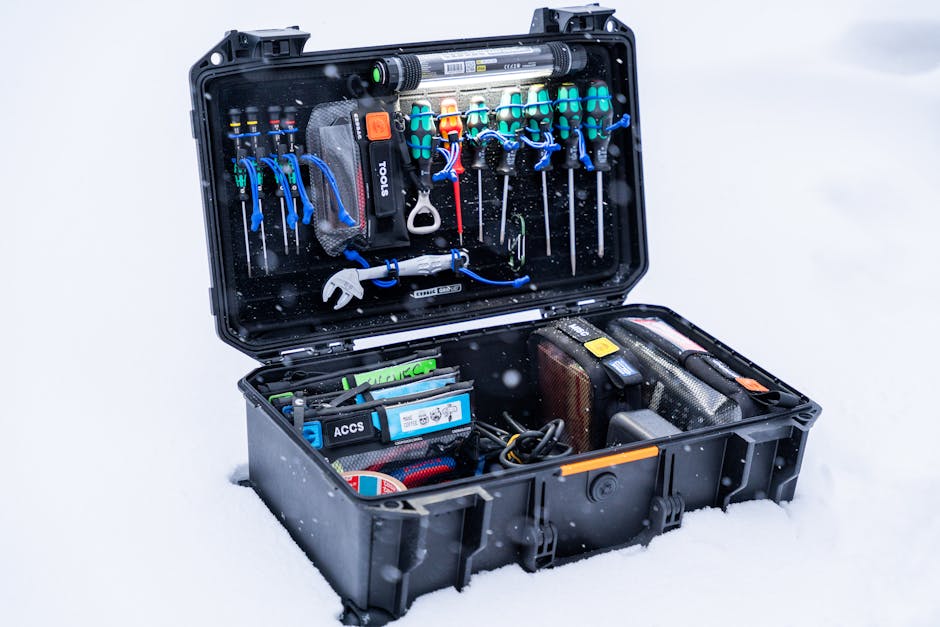
Starting a maintenance business can be an exciting venture, but you might be wondering what tools you'll need to get off the ground. Whether you're thinking about tackling household repairs, commercial maintenance, or facility management, having the right tools is crucial for success.
Imagine being able to fix that leaky faucet or repair a broken door with ease, all while providing excellent service to your clients. This guide will help you understand exactly what you need to equip yourself for a maintenance business that thrives.
By the end of this article, you’ll have a clear idea of the essential tools required, empowering you to make informed decisions and start your business with confidence. Let's dive in and discover what you need to succeed!
Basic Hand Tools
Starting a maintenance job requires some basic hand tools. These tools are essential for everyday tasks. They help in fixing, assembling, and maintaining various items. Let's explore some key hand tools you need. Each tool serves a unique purpose. They are easy to use and handle.
Screwdrivers
Screwdrivers are essential for tightening and loosening screws. They come in different sizes and shapes. Phillips and flathead are the most common types. Choose the right size for the job. A good grip ensures better control. Keep a set with various sizes handy.
Wrenches
Wrenches are crucial for turning nuts and bolts. They provide a firm grip. Adjustable wrenches fit various sizes. Open-end wrenches are useful for tight spaces. A set of wrenches is versatile. It helps in plumbing, automotive, and home repairs.
Pliers
Pliers are handy for gripping and bending objects. They help in cutting wires and removing nails. Needle-nose pliers are great for precision work. Slip-joint pliers adjust to different widths. Keep a mix of pliers for various tasks.
Hammers
Hammers are indispensable for driving nails. They also help in shaping and breaking objects. Claw hammers have a curved end for nail removal. Choose a hammer with a comfortable handle. It ensures better control and reduces fatigue.
Power Tools
Starting a maintenance business requires the right power tools. These tools ensure efficiency and precision in tasks. Using power tools can save time and increase productivity. They are essential for professionals and DIY enthusiasts alike. Let's explore some key power tools you will need.
Drills
Drills are versatile tools. They create holes in various materials. A cordless drill offers convenience and mobility. Choose one with adjustable speeds for better control. For heavy-duty tasks, consider a hammer drill. It provides more power and can handle tougher materials.
Saws
Saws are crucial for cutting tasks. A circular saw is perfect for straight cuts. A jigsaw is ideal for curves and intricate patterns. Choose a saw based on your specific needs. Ensure the saw has safety features to protect you during use.
Grinders
Grinders are used for grinding and polishing. They help smooth surfaces and edges. Angle grinders are popular for cutting and grinding. Choose one with adjustable speed settings. This allows better control over the tool's intensity.
Sanders
Sanders provide a smooth finish to surfaces. They are used in woodworking and other tasks. Orbital sanders are great for fine finishing. Belt sanders are ideal for larger surfaces. Choose a sander that suits your specific project needs.
Measuring And Leveling
Starting a maintenance job requires precision, and having the right measuring and leveling tools is crucial for success. Whether you’re hanging a shelf or fixing a door, accurate measurements ensure everything fits perfectly and functions properly. Let's dive into the essential tools that will help you measure and level like a pro.
Tape Measures
Tape measures are indispensable in any toolbox. They provide the flexibility to measure lengths, widths, and heights with ease. Opt for a sturdy, retractable tape measure that can withstand wear and tear. Have you ever tried to measure a room with a flimsy tape? It’s frustrating, right? A quality tape measure will save you from those headaches.
Levels
A level is your best friend when it comes to ensuring that surfaces are perfectly horizontal or vertical. Choose a bubble level for traditional tasks; they are simple yet effective. For more advanced jobs, a digital level offers precise readings. Imagine hanging a picture only to find it’s crooked—levels prevent that embarrassment.
Calipers
Calipers offer precise measurement of distance between two opposite sides of an object. They’re perfect for small-scale tasks where accuracy is critical. Picture yourself working on a plumbing repair; calipers help measure pipe diameters with pinpoint precision. It's a tool that guarantees you won't miss those crucial millimeters.
Laser Measures
Laser measures are the future of measuring tools. They use laser technology to quickly measure distances and are perfect for large areas. Picture trying to measure a wall length; a laser measure does this in seconds without the need for a second person. If efficiency and accuracy are your goals, this tool is a game-changer.
Each of these tools plays a vital role in maintenance tasks. Have you thought about how much time and effort you could save with the right tools? Equip yourself with these measuring and leveling tools, and you'll be ready to tackle any project with confidence and precision.
Safety Equipment
Starting a maintenance job requires proper safety equipment. This keeps you safe. It prevents accidents and injuries. Safety gear is essential. It protects you from unexpected hazards.
Each piece of equipment has a purpose. They ensure your safety at work. Let's explore some key safety equipment. Understand why they are necessary.
Gloves
Gloves protect your hands. They shield against cuts and chemicals. Choose gloves made for your tasks. Some are heat-resistant. Others guard against chemicals. Always wear gloves when handling tools.
Goggles
Goggles protect your eyes. They keep out dust and debris. Some tasks create flying particles. Goggles prevent eye injuries. Choose shatterproof goggles for best protection. Comfort is also important.
Hard Hats
Hard hats protect your head. Falling objects can cause serious injury. Hard hats absorb impact. They are crucial in construction zones. Ensure your hard hat fits well. Check for cracks regularly.
Ear Protection
Ear protection guards against loud noise. Power tools can be noisy. Long exposure harms hearing. Use earplugs or earmuffs. They reduce noise exposure. Always have ear protection on loud sites.
Cleaning And Maintenance
Starting a maintenance business requires essential tools. Cleaning and maintenance are core aspects. They ensure everything runs smoothly. Investing in quality tools saves time and effort. Let's explore the must-haves for a maintenance toolkit.
Brooms
Brooms are essential for any cleaning task. They sweep away dirt and debris. Choose a sturdy broom with strong bristles. They last longer and clean better. A good broom makes cleaning faster and easier.
Dustpans
Dustpans complement brooms in cleaning. They collect swept dirt for disposal. Look for dustpans with a rubber edge. They provide better contact with the floor. This ensures no dirt is left behind. A well-designed dustpan speeds up cleaning tasks.
Cleaning Cloths
Cleaning cloths are versatile tools. They wipe surfaces and remove stains. Microfiber cloths are highly effective. They trap dust and moisture efficiently. Keep a variety of cloths for different tasks. They are reusable and cost-effective.
Lubricants
Lubricants keep moving parts functioning smoothly. They reduce friction and wear. Use them on hinges, locks, and machinery. Choose the right type for each task. Regular application prevents breakdowns and prolongs equipment life.
Storage And Organization
When starting a maintenance business, effective storage and organization of your tools can make all the difference. Imagine trying to find a screwdriver in a sea of scattered tools—frustrating, right? With the right storage solutions, not only will you save time, but you'll also enhance your efficiency and professionalism. So, what kind of storage and organization tools should you consider?
Toolboxes
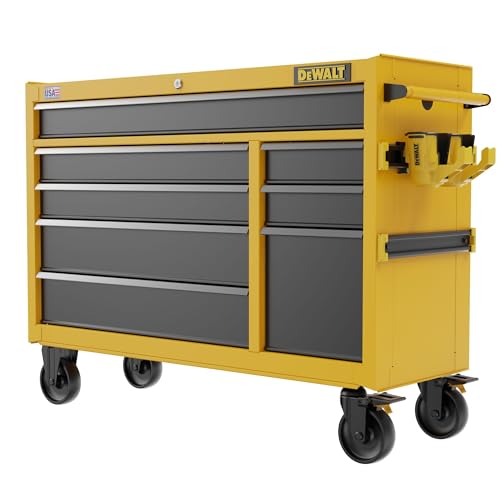
Toolboxes are the cornerstone of any maintenance professional's arsenal. They come in various sizes, from small portable ones to large rolling chests. A well-organized toolbox helps you carry essential tools to job sites, ensuring you're always prepared.
Think about the last time you couldn't find your wrench when you needed it most. Investing in a toolbox with compartments can prevent such mishaps. Look for durable models that can withstand frequent use and movement.
Shelving Units
Shelving units are a must-have in your workshop or garage. They provide easy access and visibility to your tools, supplies, and materials. Opt for adjustable shelves to accommodate various items, from paint cans to power tools.
Installing shelving units can transform a cluttered space into an organized haven. It allows you to categorize items, making it easier to locate what you need. Isn't it satisfying to know exactly where everything is?
Storage Bins
Storage bins are perfect for smaller items that tend to get lost easily. Consider transparent bins so you can see what's inside without opening them. They're great for organizing screws, nails, and other small hardware.
Have you ever wasted time sifting through a pile of mismatched screws? Storage bins can eliminate this problem, keeping your small items neatly sorted. Label each bin for even quicker identification.
Pegboards
Pegboards are a versatile solution for hanging tools on the wall. By using hooks and pegs, you can customize the layout to fit your needs. They allow you to display tools in plain sight, making it easy to grab what you need and return it to its place.
Imagine having your most-used tools within arm's reach, neatly arranged on a pegboard. It saves you time and reduces frustration. Plus, it can make your workspace look professional and organized.
Choosing the right storage and organization tools can set the foundation for a successful maintenance business. What will you choose to enhance your efficiency and keep your workspace in top shape?
Specialized Tools
Starting a maintenance business requires essential tools. Screwdrivers, wrenches, and pliers form the basic kit. Power drills and saws help with more complex tasks. A reliable toolbox keeps everything organized. Safety gear, like gloves and goggles, ensures protection. Quality tools lead to efficient maintenance work.
Starting a maintenance business requires more than just a basic toolkit. Specialized tools can make your work more efficient and professional. They help you tackle specific tasks with precision. These tools often save time and reduce errors, proving invaluable in challenging situations. Let's take a closer look at some essential specialized tools you might need.
Multimeters
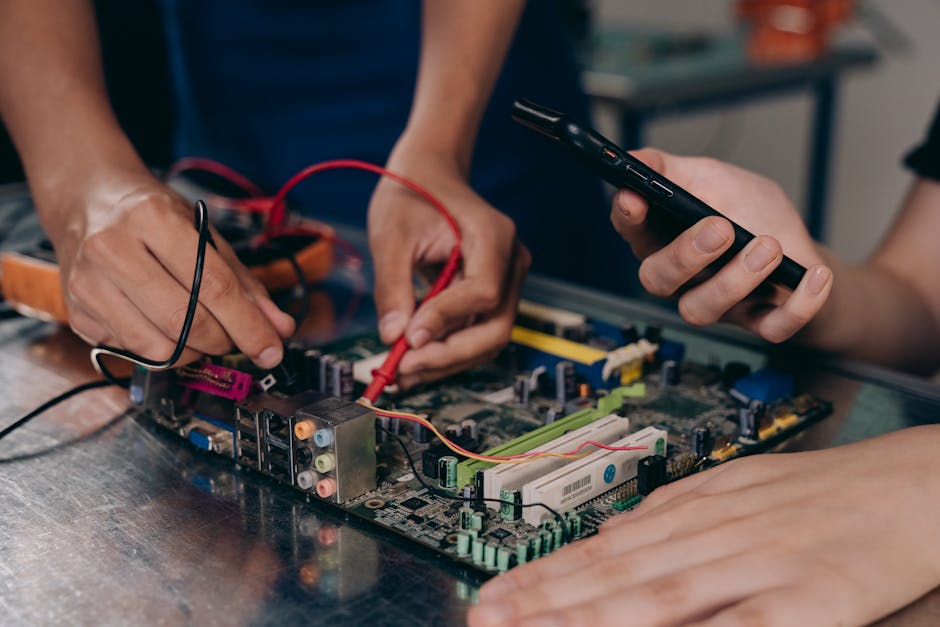
Multimeters are vital for any maintenance work involving electrical systems. They measure voltage, current, and resistance, helping you diagnose electrical issues accurately. I recall a time when a multimeter helped me identify a faulty circuit, saving hours of guesswork. Invest in a reliable multimeter. It's an essential tool for safety and efficiency.
Pipe Cutters
Pipe cutters provide a clean cut on various types of pipes. Whether you're working with copper or PVC, a good pipe cutter ensures a precise fit. I once struggled with a leaky pipe joint because I used a hacksaw instead of a pipe cutter. Avoid such mishaps with a dedicated pipe cutter. It ensures a professional finish on your plumbing tasks.
Wire Strippers
Wire strippers are indispensable for electrical repairs. They allow you to remove insulation from wires without damaging the metal underneath. A friend of mine shared how using a knife instead of a wire stripper led to nicked wires and eventual failure. A quality wire stripper prevents such issues. It's a small investment for big peace of mind.
Stud Finders
Stud finders help locate wooden studs behind walls, crucial for safe and secure installations. They prevent costly mistakes like drilling into electrical wires or plumbing. I learned this the hard way when I mounted a shelf without one, only to hit a wire. Using a stud finder can save you from unexpected repairs. It’s a simple tool that protects your time and budget. Specialized tools are not just about having the right equipment. They're about ensuring precision and professionalism in your work. Which tool do you think could transform your maintenance tasks today?
Frequently Asked Questions
What Essential Tools Are Needed For Maintenance?
To start maintenance, you need basic tools like screwdrivers, pliers, and wrenches. Power tools like drills and saws are also useful. A multimeter and voltage tester are crucial for electrical tasks. Safety gear, including gloves and goggles, ensures protection. A toolbox keeps everything organized and easily accessible.
How Do I Choose Quality Maintenance Tools?
Choosing quality tools involves checking materials and build quality. Look for reputable brands known for durability. Read reviews and ratings to gauge performance. Stainless steel or chrome vanadium are ideal materials. Ergonomic handles reduce strain during use. Prioritize tools with warranties for added peace of mind.
Are Power Tools Necessary For Maintenance Work?
Power tools are often necessary for efficient maintenance work. They save time and effort compared to manual tools. Drills, saws, and sanders are commonly used. They provide precision and speed, crucial for complex tasks. While not always required, they significantly enhance productivity and effectiveness.
Which Safety Gear Should I Use For Maintenance?
Safety gear is essential to prevent accidents during maintenance. Use gloves to protect hands from sharp objects. Goggles shield eyes from debris and chemicals. Wear ear protection in noisy environments. Steel-toed boots prevent foot injuries. A hard hat is advisable for construction-related tasks.
Conclusion
Starting maintenance work requires the right tools. Start with basics. A reliable wrench set, screwdrivers, and pliers are essential. Quality measuring tape and a durable toolbox make tasks easier. Safety gear like gloves and goggles protect you. Power tools speed up work but need careful handling.
Regular tool maintenance extends their life. Choose sturdy, well-made tools for better results. Remember, good tools are an investment in quality work. Begin with essentials, then expand your collection as needed. Always focus on safety and efficiency for successful maintenance projects.