Imagine having a trusty flex-shaft tool that makes every DIY project a breeze. It’s your go-to for precision work, effortlessly carving, grinding, and polishing.
But here’s the thing—how do you ensure it keeps performing at its best? The secret lies in proper maintenance. Yes, just like any other tool, your flex-shaft tool needs a little TLC to stay in top-notch condition. In this guide, you'll discover simple yet effective maintenance tips that can prolong its life and enhance its performance.
By the end, you'll be equipped with the know-how to keep your tool running smoothly, every time you reach for it. Ready to unlock the full potential of your flex-shaft tool? Let's dive in!
Understanding Flex-shaft Tools
Flex-shaft tools are versatile and efficient. They are used in various applications like carving, polishing, and grinding. These tools consist of a motor, a flexible shaft, and a handpiece. The motor powers the shaft, which transmits energy to the handpiece. This design allows precision and ease of use. Understanding how these tools work can improve their performance and lifespan.
Understanding The Components Of Flex-shaft Tools
Flex-shaft tools have three main components. The motor provides the power. It connects to a flexible shaft. This shaft transmits motion to the handpiece. The handpiece holds the tool bit. Each part plays a crucial role in the tool's function.
Applications Of Flex-shaft Tools
These tools are used in many fields. Jewelers use them for detailed work. Woodworkers use them for carving. Dentists use similar tools for dental work. They are favored for their precision.
Benefits Of Using Flex-shaft Tools
Flex-shaft tools offer great flexibility. They provide precise control. This is essential for delicate tasks. They are lightweight and easy to handle. This reduces fatigue during long tasks. Their versatility makes them a favorite among professionals.
Common Uses For Flex-shaft Tools
Flex-shaft tools often need regular maintenance for optimal performance. Check for wear on the cable and lubricate the shaft routinely. Proper care extends their life and ensures efficiency.
Flex-shaft tools are versatile and essential for many tasks. Their flexibility and precision make them invaluable in various fields. Understanding their common uses can maximize their potential. This knowledge also helps in proper maintenance and care. Let's explore the primary applications of these tools.
1. Jewelry Making
Crafting intricate jewelry designs requires precision. Flex-shaft tools are ideal for this. They allow detailed engraving and polishing. Jewelers use them to create stunning pieces.
2. Woodworking
Woodworkers appreciate the tool's adaptability. It carves, sands, and polishes wood with ease. Flex-shaft tools help achieve smooth finishes. They bring artistic designs to life.
3. Automotive Repairs
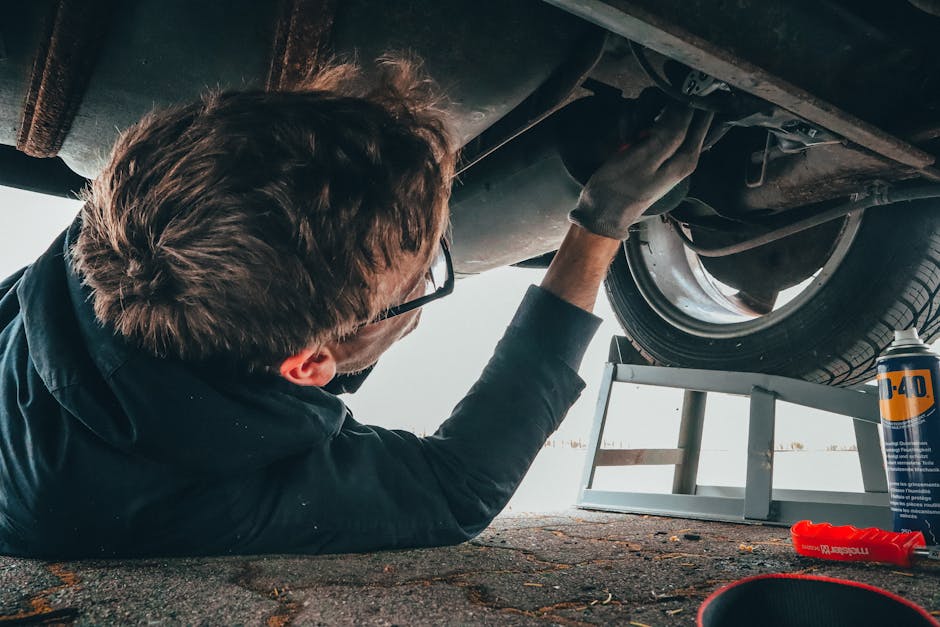
Mechanics use these tools for tight spaces. They assist in detailing and repairs. Flex-shaft tools help with engine maintenance. Their use ensures efficient and precise work.
4. Model Making
Model makers rely on these tools for accuracy. They are perfect for cutting and shaping materials. Flex-shaft tools enhance the details in models. They contribute to creating lifelike replicas.
5. Metalworking
Metalworkers use them for polishing and grinding. Flex-shaft tools handle tough metals with ease. They ensure smooth surfaces and intricate details. Essential for crafting metal art and components.
6. Home Improvement
These tools are handy for DIY projects. They assist in drilling, cutting, and sanding. Flex-shaft tools simplify home repairs. They are a must-have in any toolkit. Understanding these uses enhances tool efficiency. It also emphasizes the need for regular maintenance. Proper care ensures long-lasting performance.
Routine Inspection
Routine inspections ensure Flex-Shaft tools stay in top shape. Check cables for wear and clean motor vents regularly. Lubricate moving parts to prevent damage and extend tool life.
Maintaining your flex-shaft tools is essential for ensuring their longevity and optimal performance. Routine inspection is the cornerstone of effective maintenance. By regularly checking your tools, you not only prevent unexpected breakdowns but also enhance their efficiency. This proactive approach can save you time and money. Imagine discovering a minor issue before it turns into a major problem. It’s like catching a small leak before it floods your basement.
Checking For Wear And Tear
One of the first things to assess is wear and tear. Look closely at the tool’s body and attachments. Are there any visible cracks or rust? A slight crack can signal impending failure. Rust can compromise the tool's strength and durability. Consider the times you’ve pushed your tool to its limits. Each session adds to its wear. Regular checks ensure you catch issues early.
Inspecting Cables And Connections
Next, focus on cables and connections. These are often overlooked yet crucial components. Are the cables frayed or damaged? A damaged cable can affect performance or even pose safety risks. Ensure connections are secure and free from corrosion. Think about the frustration of a tool losing power mid-task. Inspecting cables and connections can prevent such interruptions.
Routine inspection isn’t just about finding faults. It’s about ensuring your flex-shaft tools are always ready for action. What steps will you take today to ensure your tools are in top shape?
Cleaning Techniques
Proper maintenance of flex-shaft tools ensures longevity and optimal performance. Regular cleaning, lubricating moving parts, and checking for wear are essential. Always unplug before maintenance to ensure safety.
Cleaning your flex-shaft tools ensures smooth operation and longevity. Proper cleaning removes dust, grime, and debris that can damage tools. Regular maintenance keeps your tools efficient and safe to use.
Proper Cleaning Supplies
You'll need a few basic supplies. Soft cloths are essential. Use mild soap or detergent. Avoid harsh chemicals. Have a small brush handy for tight spots. A can of compressed air helps remove debris. These items ensure effective cleaning.
Step-by-step Cleaning Process
First, unplug the tool. Safety first. Next, wipe it with a damp cloth. This removes surface dirt. For deeper cleaning, use a small brush. Gently scrub the tool's crevices. Pay attention to joints and moving parts. Use mild soap if needed. After brushing, dry the tool thoroughly. Moisture can cause rust. Use the compressed air to blow out remaining dust. Ensure all parts are dry before reassembling. Regular cleaning keeps your flex-shaft tool in top condition.
Lubrication Tips
Proper lubrication ensures smooth operation of flex-shaft tools. Regularly check and apply lubricant to prevent wear and overheating. Clean tool parts before lubrication for optimal performance and longevity.
Maintaining your flex-shaft tools is crucial for their longevity and efficiency. A key aspect of this maintenance is lubrication. Proper lubrication ensures that your tools run smoothly, prevents wear and tear, and can even enhance their performance. If you're wondering how to effectively lubricate your flex-shaft tools, here are some practical tips to guide you.
Choosing The Right Lubricant
Selecting the appropriate lubricant for your flex-shaft tools can make all the difference. Use a lubricant specifically designed for high-speed applications. These are often labeled as "high-speed" or "tool-grade" lubricants. Avoid using heavy grease, as it can cause the tool to become sluggish. Instead, opt for a lightweight oil that ensures smooth operation. Check your tool's manual for any specific recommendations on lubricant brands or types.
How Often To Lubricate
Regular lubrication is essential, but how often should you do it? A good rule of thumb is to lubricate your flex-shaft tools after every 20 hours of use. This frequency keeps the components moving effortlessly without the risk of overheating or damage. If you use your tools infrequently, consider lubricating them every few months to prevent the lubricant from drying out. Keep an eye on the performance of your tools; if they begin to feel sluggish or make unusual noises, it may be time to add a bit more lubricant. Remember, consistent lubrication not only extends the life of your tools but also enhances your work quality. Have you ever noticed how a well-lubricated tool feels almost brand new? It's a small effort that yields significant rewards. Incorporate these lubrication tips into your maintenance routine and enjoy a seamless experience with your flex-shaft tools. Are there any other maintenance tips you find particularly useful? Your insights could help fellow readers!
Troubleshooting Common Issues
Regular maintenance is key for flex-shaft tools to perform well. Check for worn parts and lubricate moving components. Clean the tool after each use to prevent dust buildup and ensure long-lasting performance.
Maintaining your flex-shaft tools ensures they stay in top condition, ready for any project you throw their way. However, even with regular maintenance, you might encounter some hiccups. Knowing how to troubleshoot common issues can save you time and stress. Let's dig into some potential problems and how you can address them effectively.
Identifying Unusual Noises
Unusual noises are often the first sign that something isn't right with your flex-shaft tool. Pay attention to any grinding, clicking, or whining sounds. These could indicate misalignment or debris in the tool. A quick inspection can reveal if dirt is lodged in the shaft or if a part needs tightening. I once ignored a slight clicking noise, thinking it was nothing. It turned out to be a loose coupling, which could have caused further damage. Don’t make the same mistake; nip these noises in the bud.
Dealing With Power Loss
Power loss during operation can be frustrating, especially in the middle of an intricate task. First, ensure your tool is plugged in securely. Sometimes, the simplest checks are the most effective. If the connection is solid, examine the power cord for any visible damage. A frayed wire can lead to intermittent power loss. One time, my flex-shaft tool would start and stop unexpectedly; the culprit was a damaged cord that needed replacing. Ask yourself: is your power source consistent? Consider testing your tool in a different outlet to rule out electrical issues. Regular checks like these can keep your tools running smoothly and efficiently.
Storage Best Practices
Regular cleaning and lubrication keep flex-shaft tools running smoothly. Store them in a dry place to prevent rust. Check for wear and tear to ensure safe operation.
Storing your flex-shaft tools correctly is crucial to maintaining their longevity and efficiency. How often have you tucked away a tool only to find it rusted or damaged when you needed it most? Proper storage can prevent such disappointments. By following best practices, you can ensure your tools remain in top condition, ready for action whenever inspiration strikes.
Preventing Damage During Storage
To keep your flex-shaft tools safe, always store them in a dry, clean space. Moisture and dust can lead to rust and mechanical issues. Consider using a tool box with compartments to prevent them from bumping into each other, which can cause scratches or dents. Have you ever thought about wrapping your tools in cloth or using tool sleeves? This simple step can provide an extra layer of protection.
Temperature And Humidity Considerations
Extreme temperatures and humidity levels can wreak havoc on your tools. Aim to store them in a climate-controlled environment. If your garage or workshop tends to be humid, you might want to use a dehumidifier. Remember the time you found your tools covered in rust after a particularly humid summer? Avoid this by keeping them in a consistently dry space. Temperature swings can also lead to expansion and contraction, affecting the tool's integrity. Regularly check the storage area for temperature and humidity fluctuations to prevent long-term damage. By adopting these storage best practices, you not only extend the life of your flex-shaft tools but also enhance your own efficiency and creativity. Are you ready to give your tools the care they deserve?
Safety Precautions
When handling flex-shaft tools, your safety must always be the top priority. These versatile tools offer precision but can pose risks if not handled correctly. Understanding safety precautions can protect you from injuries and ensure your tools work effectively. Let's dive into the essentials to keep you safe while working with flex-shaft tools.
Protective Gear
Wearing the right protective gear is crucial. Consider safety goggles to shield your eyes from debris. Dust masks can prevent inhaling harmful particles, especially when sanding or grinding.
Don’t forget gloves. They offer grip and protect your hands from sharp edges. You might have had an experience where a simple pair of gloves saved you from a painful cut. It's worth investing in good quality gear.
Safe Operation Practices
Operating flex-shaft tools safely requires focus and awareness. Always inspect your tool before use. Check for loose parts or wear and tear. This quick check can prevent unexpected mishaps.
Maintain a clean workspace. Clutter can lead to accidents. You might have noticed how a tidy area not only enhances productivity but significantly reduces the risk of tripping or knocking over your equipment.
Position yourself comfortably. Ensure you have a stable stance and a firm grip on your tool. Ask yourself, are you in control or is the tool controlling you?
By integrating these safety precautions, you protect yourself and enhance your craftsmanship. What other safety tips do you follow that have made a difference in your work with flex-shaft tools?
When To Seek Professional Help
Seek professional help if flex-shaft tools show frequent vibrations or overheating. Regular maintenance prevents wear and tear issues. Professionals ensure optimal performance and extend tool lifespan.
Maintaining your flex-shaft tools is crucial for their longevity and performance. However, there are times when professional assistance is necessary. Knowing when to seek help can save you from costly repairs or even replacing the tool altogether. Before you dive into repairs, consider your expertise and comfort level. Sometimes, it's better to let a professional handle complex issues.
Unusual Noises Or Vibrations
If your flex-shaft tool starts making strange noises or vibrating excessively, it's time to call in a pro. These symptoms could indicate a problem with the motor or bearings. Continuing to use the tool in this state might cause more damage. I once ignored a persistent rattle in my tool, thinking it was minor. This led to a complete breakdown, costing more than an initial repair.
Overheating Issues
Your tool should not become too hot during normal operation. If it does, it might be a sign of internal issues. Overheating can cause permanent damage to the motor. Have you noticed the tool getting hotter than usual? It's best to get it checked by someone who can accurately diagnose and fix the problem.
Tool Isn't Performing As Expected
A decrease in performance can be frustrating and indicates something is wrong. Whether it's a loss of power or inconsistent operation, don't ignore these signs. A tool that's not performing well can hinder your projects. Wouldn't you prefer a smooth operation? A professional can help restore its efficiency.
Electrical Problems
Dealing with electrical issues can be dangerous. If your tool has loose wires, sparks, or a burning smell, it's crucial to seek expert help. Attempting to fix electrical problems without proper knowledge can put you at risk. Safety should always be your top priority.
Regular Maintenance Checks
Even if your tool seems fine, regular check-ups by a professional can prevent future issues. They can spot problems early, ensuring your tool runs smoothly. Think of it like a health check-up for your tool. Wouldn't you want to catch problems before they escalate? Regular maintenance can keep your tool in top shape. By recognizing these signs, you can maintain your flex-shaft tools effectively and avoid unnecessary headaches. Always prioritize safety and efficiency by knowing when to seek professional help.
Frequently Asked Questions
How Often Should Flex-shaft Tools Be Lubricated?
Flex-shaft tools should be lubricated every 40 hours of use. Regular lubrication keeps the tool running smoothly. Proper maintenance prevents overheating and reduces wear and tear. Always use recommended lubricants for optimal performance. Refer to your tool's manual for specific guidelines.
What Are Common Flex-shaft Tool Issues?
Common issues include overheating and vibration problems. These can be caused by improper lubrication or misalignment. Regular maintenance checks help identify these issues early. Cleaning and lubricating the tool can resolve many minor problems. Consult the manual for troubleshooting tips.
How Do You Clean Flex-shaft Tools?
Clean flex-shaft tools by wiping them down with a clean cloth. Remove debris from the shaft carefully. Use compressed air to clear dust from the motor. Regular cleaning prevents buildup and ensures efficient operation. Follow manufacturer instructions for detailed cleaning procedures.
What Is The Lifespan Of Flex-shaft Tools?
The lifespan varies based on usage and maintenance. With proper care, they can last several years. Regular lubrication and cleaning extend their longevity. Avoiding excessive force and overheating also helps. Always follow the manufacturer's maintenance guidelines.
Conclusion
Regular maintenance is crucial for your flex-shaft tools. It ensures longer life and better performance. Clean your tools after each use. Check for wear and tear often. Lubricate moving parts to prevent rust. Tighten loose screws and parts. Store tools in a dry place.
These steps protect your investment. Proper care saves money in the long run. Your tools will work efficiently when maintained well. Spend time on maintenance, and enjoy hassle-free usage. Reliable tools make your projects easier. Keep them in top shape always.