Are you tired of those unexpected breakdowns during your bike rides? Do you wish you could handle basic bike maintenance on your own?
You're in the right place. Discovering the right tools for bike maintenance can transform your cycling experience, saving you time, money, and frustration. Imagine the freedom of knowing your bike is always in top condition, ready for any adventure. As you explore the essentials, you'll gain confidence in your ability to fix minor issues and keep your ride smooth.
Stay with us, and you'll learn exactly what you need to ensure every journey is as seamless and enjoyable as the last.
Basic Tools For Every Cyclist
Every cyclist, whether seasoned or just beginning, needs a reliable set of basic tools. These tools not only help in keeping your bike in top shape but also enhance your riding experience by allowing you to make quick fixes. Imagine being miles away from home and realizing your bike has a minor issue that you could easily fix if only you had the right tool.
Allen Wrenches
Allen wrenches, also known as hex keys, are essential for any cyclist. Most bikes have bolts that require these wrenches for adjustments, from seat height to handlebar positioning. Having a set in various sizes ensures you're prepared for any tweaks.
When I first started cycling, I overlooked the importance of a good set of allen wrenches. I learned the hard way during a ride when my handlebar needed tightening. Since then, I always carry a compact multi-tool with different sizes in my saddlebag.
Screwdrivers
Screwdrivers are another must-have in your bike maintenance toolkit. Both flathead and Phillips screwdrivers are needed for adjusting components like derailleur limit screws and brake pads. These adjustments can greatly improve your bike's performance and safety.
Think about the time you could save during your rides by having screwdrivers at hand. The day my gears started skipping mid-ride, a quick tweak with a screwdriver had me back on track in minutes. It’s a small tool with a big impact.
Tire Levers
Getting a flat tire is inevitable for most cyclists. Tire levers are crucial for removing a tire from the rim without damaging it. With these, changing a tube becomes a simple task rather than a frustrating ordeal.
On a group ride once, a friend struggled with a flat because he didn’t have tire levers. Watching him struggle reminded me of their importance. Since then, I never leave home without them, even on short rides.
Do you have these basic tools in your kit? If not, consider adding them. They can make all the difference between a ruined ride and a quick, satisfying repair. What tools have been most useful to you during your rides?
Advanced Tools For In-depth Repairs
Advanced bike maintenance requires a step beyond basic tools. For those ready to tackle in-depth repairs, specialized tools are essential. These tools ensure precision and efficiency. Investing in quality tools saves time and reduces frustration. Let's explore a few key tools for advanced bike repairs.
Torque Wrench
A torque wrench is crucial for tightening bolts accurately. It ensures each bolt is tightened to the correct specification. This prevents damage to bike components. Over-tightening can strip threads, while under-tightening can lead to loose parts. Choose a torque wrench that covers a range of settings. This versatility accommodates different bike components.
Chain Tool
A chain tool is necessary for chain maintenance and repair. It allows you to remove and install chain links. This tool is useful for replacing a worn-out chain. Regular chain checks enhance bike performance and lifespan. A compact chain tool fits easily in a toolbox or saddlebag. It is a must-have for any serious cyclist.
Bottom Bracket Tool
The bottom bracket tool is designed for installing and removing bottom brackets. This area is critical for smooth pedaling and gear changes. A poorly maintained bottom bracket affects the bike's performance. Having the right tool ensures a snug fit and smooth operation. It is an essential investment for serious bike enthusiasts.
Cleaning And Lubrication Essentials
Cleaning and lubricating your bike are key to its longevity and performance. Regular maintenance can prevent rust, wear, and tear. Knowing the right tools makes the job easier. Let's explore the essentials for cleaning and lubrication.
Degreaser
A degreaser is essential for removing grime and dirt. It cleans chains, gears, and other moving parts. Choose a biodegradable option to protect the environment. Spray it on, let it sit, and wipe off with a cloth.
Chain Lubricant
A good chain lubricant reduces friction and noise. It keeps the chain smooth and efficient. Apply it after cleaning and drying the chain. Use a drip application for precise control.
Bike Wash
Regular washing removes surface dirt and mud. A bike-specific wash is gentle on finishes. Use a soft brush to scrub the frame and parts. Rinse with water and dry with a soft towel.
Tire And Wheel Maintenance Tools
Bike maintenance requires essential tools like tire levers, a patch kit, and a pump. Having a spoke wrench and chain tool ensures a smooth ride. Keep these handy for quick fixes and adjustments.
Maintaining your bike's tires and wheels is crucial for a smooth and safe ride. These components endure the most wear, making it essential to have the right tools on hand. Whether you're a casual rider or a biking enthusiast, understanding and using these tools can save you from unexpected breakdowns and enhance your biking experience. Let's dive into the tools you need for tire and wheel maintenance.
Floor Pump
A floor pump is your best friend when it comes to keeping your tires properly inflated. Unlike handheld pumps, a floor pump provides more power and efficiency, allowing you to reach the desired tire pressure quickly. Imagine preparing for a weekend ride and noticing your tires are sagging. With a floor pump, you can swiftly fill them up, ensuring optimal performance and reducing the risk of flats. Always check your tire pressure before heading out—it's a simple step that can make a big difference.
Spoke Wrench
The spoke wrench is a small but mighty tool for maintaining your bike's wheels. It allows you to adjust the tension of the spokes, keeping your wheels true and stable. A misaligned wheel can lead to uneven wear and affect your ride quality. Consider this: after hitting a pothole, your wheel feels wobbly. A spoke wrench helps you straighten things out, avoiding further damage. It's an essential tool for anyone looking to prolong the life of their wheels.
Patch Kit
A patch kit is a lifesaver when you find yourself with a flat tire miles away from home. It includes patches, glue, and sometimes a small tool for roughening the puncture area, enabling you to repair minor leaks on the go. Picture yourself exploring a new trail, only to hear the dreaded hiss of air escaping your tire. With a patch kit in your bag, you can fix the flat and continue your adventure. It's compact, easy to use, and should always be part of your biking toolkit. Have you ever faced a tire or wheel issue that left you stranded? Would having these tools have made a difference? Investing in these basic tools not only prepares you for the unexpected but also empowers you to take control of your bike maintenance.
Tools For Brakes And Gear Adjustments
Bike maintenance requires specific tools for brakes and gear adjustments. Essential items include wrenches, screwdrivers, and Allen keys. Proper tools ensure smooth operation and safety during rides.
Maintaining your bike's brakes and gears is crucial for a smooth and safe ride. Whether you're a cycling enthusiast or a casual rider, having the right tools can make all the difference. You don't need to be a professional mechanic to keep your bike in top shape. With just a few essential tools, you can handle common brake and gear adjustments confidently. Let's dive into some must-have tools that will help you keep your bike performing at its best.
Brake Bleed Kit
A brake bleed kit is essential for maintaining hydraulic brakes. It helps remove air bubbles from the brake lines, ensuring consistent braking power. If you've ever felt your brakes becoming spongy, it's likely time for a bleed. A basic kit usually includes syringes, tubing, and adapters that fit various brake systems. Regularly bleeding your brakes can prevent sudden brake failures and keep you safe on the road.
Cable Cutters
Cable cutters are indispensable for replacing worn-out brake and gear cables. Standard pliers just won't cut it—literally. Using the wrong tool can fray the cables, leading to sloppy shifting or poor braking. Invest in a quality pair of cable cutters to ensure a clean cut every time. This tool not only makes the job easier but also extends the life of your cables. You'll thank yourself when your gears shift smoothly, and your brakes respond immediately.
Derailleur Alignment Gauge
The derailleur alignment gauge is a game-changer for adjusting your bike's gears. A misaligned derailleur can cause chain slips and noisy shifting, which can be both annoying and unsafe. This tool helps you align the derailleur hanger, ensuring precise gear changes. It might seem like an advanced tool, but it's straightforward to use with a bit of practice. Once you've mastered it, you'll notice a significant improvement in your riding experience. Do you often find yourself frustrated with your bike's performance? Perhaps it's time to invest in these tools. They may seem like a small investment, but they offer big returns in terms of safety and efficiency. By incorporating these tools into your maintenance routine, you can enjoy smoother rides and longer-lasting components. So, next time you hear a squeak or feel a lag, remember that the solution might just be in your toolbox.
Storage And Organization Solutions
Essential tools for bike maintenance include a bike stand, a set of Allen wrenches, and a tire pump. Having tire levers and a chain tool also helps with repairs. These tools ensure your bike runs smoothly.
Maintaining your bike not only ensures a smooth ride but also extends its life. Efficient storage and organization solutions can significantly enhance your bike maintenance process. Imagine not having to search for that elusive wrench or tire lever every time you need it. With the right setup, you can streamline your workflow and keep your tools within arm's reach.
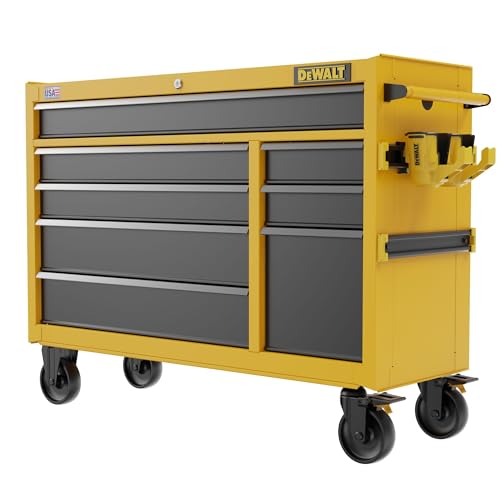
Toolbox
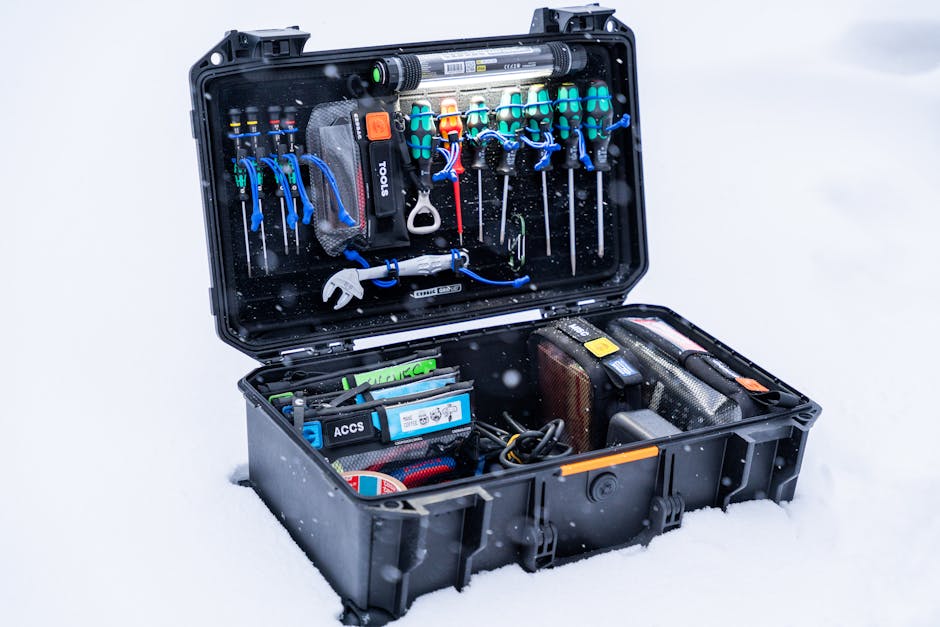
A well-organized toolbox is your first line of defense against chaos. Think about having a dedicated space for each tool. Label each compartment for easy access. A toolbox that opens wide and has multiple trays can help you see everything at a glance. It saves time and reduces frustration. You’ll thank yourself during those late-night repair sessions.
Wall Mounted Racks
Wall mounted racks are a game changer in keeping your garage or workspace tidy. They free up floor space and create a more organized environment. Use hooks and racks to hang tools and spare parts. Have you ever stumbled over a misplaced pump or wheel? With everything up on the wall, that’s a worry of the past. This setup also makes it easier to clean your workspace. Dust and debris have fewer places to hide.
Portable Workstand
A portable workstand is an essential tool for any serious cyclist. It provides a stable platform for repairs and adjustments. Look for one that’s sturdy but easy to fold away. The flexibility of moving your workstand wherever you need it is unparalleled. Whether you're working in the garage or taking it to a friend's house, a portable workstand adapts to your needs. Have you ever tried fixing a bike on the ground? It’s a back-breaking experience you can avoid. Organizing your bike maintenance tools doesn't have to be a daunting task. With the right storage solutions, you can make the process efficient and even enjoyable. How much time could you save with a well-organized setup? Give it a try and see the difference it makes in your maintenance routine.
Safety Gear For Maintenance
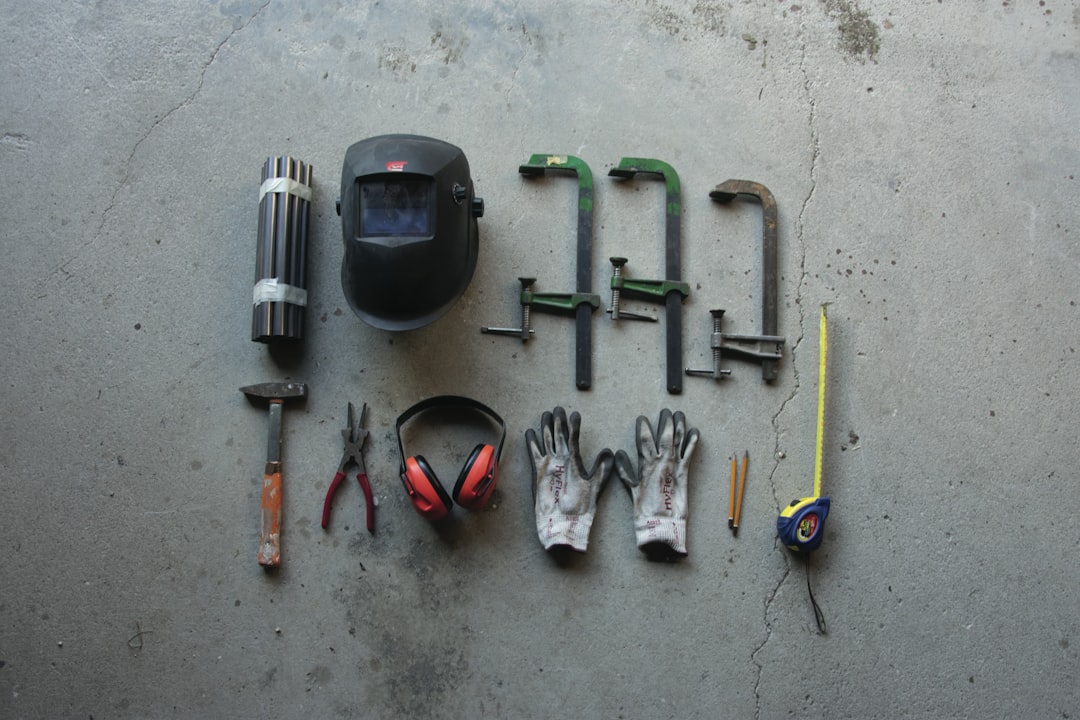
Bike maintenance requires essential safety gear like gloves, goggles, and sturdy shoes. Tools like wrenches, tire levers, and lubricants are vital. Always wear protective gear to ensure a safe and efficient repair process.
Maintaining your bike requires the right tools and safety gear. Proper safety equipment protects you from potential hazards. It ensures you can work confidently and safely on your bike.
Gloves
Wearing gloves is essential during bike maintenance. They protect your hands from cuts and bruises. Gloves also provide a better grip when handling tools. Choose gloves made of durable materials. They should be comfortable and fit well. Ensure they offer good dexterity for handling small parts.
Safety Glasses
Protect your eyes with safety glasses. Small metal bits or dust can fly into your eyes. Safety glasses are a simple solution to this problem. They should be clear and shatterproof. Look for glasses that fit snugly on your face. This will prevent debris from getting in.
Dust Masks
Dust masks are important when working with bike parts. They protect your lungs from dust and fumes. Choose a mask that fits well and is easy to breathe through. Masks with adjustable straps offer better comfort. Ensure the mask is suitable for the type of work you do. `
Frequently Asked Questions
What Are Essential Bike Maintenance Tools?
Essential tools include a tire pump, multi-tool, and chain lubricant. A tire pump ensures proper tire pressure for a smooth ride. A multi-tool helps with basic adjustments and repairs. Chain lubricant keeps your bike chain running smoothly and prevents rust.
These tools form the foundation for basic bike upkeep.
How Often Should I Maintain My Bike?
Regular maintenance is key to bike performance. Check tire pressure weekly and clean the chain monthly. Regularly inspect brakes and gears for wear. A thorough check-up every six months helps identify issues early. Consistent maintenance ensures safety and prolongs bike lifespan, enhancing your riding experience.
Can I Maintain My Bike At Home?
Yes, basic bike maintenance can be done at home. With essential tools like a tire pump and multi-tool, you can handle routine tasks. Regular cleaning and lubrication are straightforward. For complex issues, consult a professional. Home maintenance saves time and money while ensuring your bike remains in top condition.
How Do I Choose The Right Bike Tools?
Choose tools based on your bike type and maintenance needs. Start with basics like a multi-tool and tire pump. Quality tools ensure durability and efficiency. Consider specialized tools for specific repairs. Research and reviews help in selecting reliable brands. Proper tools make maintenance easier and more effective.
Conclusion
Choosing the right bike tools is crucial for effective maintenance. Start with basics like a pump, wrenches, and lubricants. These tools keep your bike running smoothly. Regular maintenance extends the bike's life and enhances safety. A well-maintained bike ensures enjoyable rides.
Investing in quality tools saves time and effort. Don't forget a repair stand for convenience. With the right equipment, bike care becomes simple and straightforward. So, equip yourself and keep your bike in top shape. Enjoy every ride with confidence and ease.
Happy biking!