Have you ever found yourself staring at a tangled mess of wires, unsure where to begin? Electrical work can seem intimidating at first, but with the right tools, you can transform any project into a successful endeavor.
Imagine the satisfaction of fixing a faulty socket or installing a new light fixture with confidence and precision. You don’t need to be an expert to tackle these tasks; you just need the right gear to guide your way. You'll discover the essential tools that every aspiring electrician should have in their toolkit.
Each tool plays a pivotal role in ensuring safety, efficiency, and success. Ready to equip yourself with the knowledge to take on any electrical challenge? Let's dive in and explore what you need to get started.
Basic Hand Tools
Getting started with electrical work requires the right tools. Basic hand tools are essential. They help you complete tasks safely and efficiently. Whether you are a beginner or a pro, these tools are a must-have. Let's explore some of these basic hand tools.
Screwdrivers
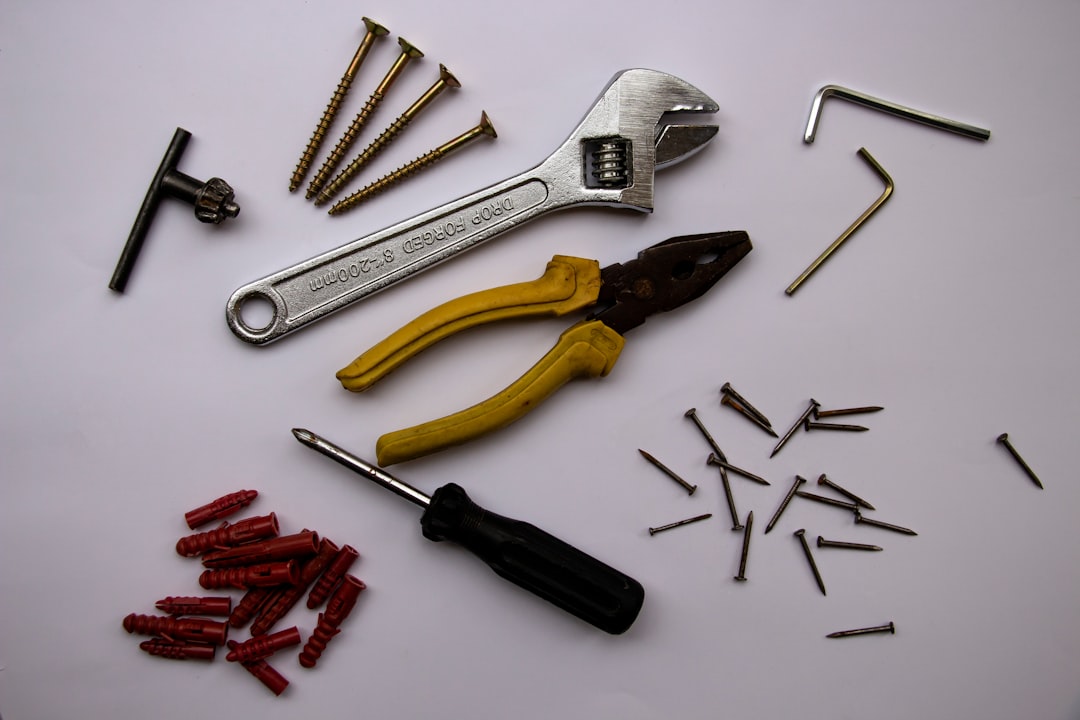
Screwdrivers are vital for electrical work. You need them to tighten and loosen screws. Choose a set with different sizes. Insulated screwdrivers are safer for electrical tasks. They protect against electric shock. Consider both flathead and Phillips types.
Pliers
Pliers come in handy for gripping and bending wires. Needle-nose pliers are useful for tight spaces. Lineman's pliers cut wires and twist them together. Insulated handles provide extra safety. They protect you from electric currents.
Wire Strippers
Wire strippers remove insulation from electrical wires. They expose the metal for connections. Choose a tool with multiple gauge settings. This ensures precise stripping. A wire stripper with a cutter is versatile. It combines two tools in one.
Tape Measure
A tape measure is necessary for accurate measurements. You need it to measure wires and distances. Choose a tape measure that is easy to read. A retractable tape measure is convenient. It allows for quick and easy storage.
Power Tools
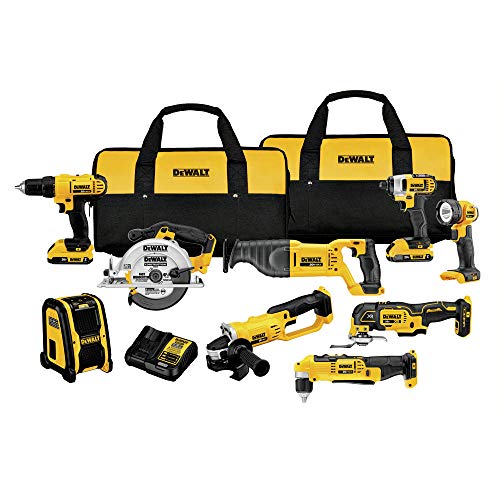
Power tools are essential for efficient electrical work. They save time and provide precision. Each tool has a unique purpose and benefits. Choosing the right power tool is crucial for the task. Let's explore some key power tools used in electrical work.
Drills
Drills are versatile tools in electrical work. They create holes in various materials. Cordless drills offer flexibility and ease of use. Choose a drill with adjustable speed settings for better control. Look for ergonomic designs to reduce strain during long tasks.
Impact Drivers
Impact drivers are powerful for driving screws into tough materials. They deliver more torque than regular drills. This makes them ideal for heavy-duty tasks. Compact designs ensure easy handling in tight spaces. Always consider the battery life for uninterrupted work.
Saw Options
Saws are vital for cutting materials to size. Circular saws handle large pieces efficiently. Reciprocating saws are perfect for smaller, detailed cuts. Choose a saw based on the material type and task size. Safety features like blade guards enhance security during use.
Testing Equipment
Testing equipment is the backbone of any electrical work. It's what ensures safety, accuracy, and efficiency. Imagine working without knowing if a wire is live or if a circuit is functioning correctly. Testing tools give you that peace of mind. Let's dive into the essential testing equipment you should have in your toolkit.
Multimeters
Multimeters are versatile tools every electrician needs. They measure voltage, current, and resistance. Picture them as your Swiss army knife for electrical testing.
If you've ever wondered why a device isn't working, a multimeter can help. It's like having a detective on hand to solve electrical mysteries. Digital multimeters are user-friendly, showing readings clearly on a screen. They help you diagnose issues quickly, saving you time and effort.
Always check the multimeter's settings before use. Ensure it's set to measure the right parameter. A small mistake can lead to incorrect readings, which could affect your work.
Voltage Testers
Voltage testers are simple yet vital tools. They tell you if a wire is live or dead. Picture yourself trying to fix a light fixture without knowing if it's safe.
Voltage testers come in various forms, like pens or plug-in devices. They're easy to use and provide instant results. Their simplicity makes them a favorite for quick checks.
Keep a voltage tester handy for any electrical job. It's like having a flashlight in the dark, guiding you to safety.
Circuit Analyzers
Circuit analyzers offer deeper insights than basic testers. They analyze the quality of electrical circuits. Imagine trying to understand why a circuit keeps tripping.
These tools evaluate things like voltage drop and grounding. They help you pinpoint issues that could lead to bigger problems. Using a circuit analyzer can prevent future headaches.
Think of a circuit analyzer as your electrical health check-up. It ensures everything is functioning optimally, and helps you avoid costly repairs down the line.
Do you have these tools in your kit? They could be the difference between a smooth job and a challenging one. Investing in quality testing equipment not only boosts your confidence but also enhances your efficiency.
Safety Gear
Electricians need essential safety gear like insulated gloves, goggles, and voltage testers. These tools protect against electrical hazards. Ensuring proper equipment use enhances safety during electrical work.
When tackling electrical projects, prioritizing safety is crucial. Safety gear plays a vital role. It protects against potential hazards. Investing in the right equipment ensures a secure work environment. Let's explore essential safety gear for electrical work.
Insulated Gloves
Insulated gloves are a must-have for electricians. They prevent electric shocks. The gloves create a barrier between your skin and live wires. Choose gloves made of high-quality rubber. Ensure they fit snugly for maximum protection. Regularly inspect them for any wear or damage.
Safety Glasses
Safety glasses protect your eyes from flying debris. Electrical work often involves cutting wires. Sparks or dust can harm your eyes. Choose glasses with clear lenses for better visibility. Ensure they are comfortable and secure. Never compromise on eye protection.
Ear Protection
Ear protection safeguards against loud noises. Drilling and cutting can produce high decibel levels. Prolonged exposure may harm hearing. Use earplugs or earmuffs. They reduce noise and provide comfort. Make ear protection a habit on noisy jobs.
Specialized Tools
Electrical work often requires specialized tools for precise tasks. These tools ensure safety and efficiency. Each tool has a unique purpose. Understanding their use is crucial for quality work. Let's explore some essential specialized tools.
Fish Tapes
Fish tapes are essential for routing new wiring through walls. They are long, flexible strips of metal or fiberglass. Electricians use them to pull wires through confined spaces. Fish tapes make threading wires through conduits easier. They are a must-have for complex wiring jobs.
Cable Pullers
Cable pullers are tools designed to pull heavy electrical cables. They offer the strength needed to move thick cables. Cable pullers ensure smooth installation of wiring in large projects. These tools help prevent damage while handling cables. Efficient and safe cable management requires good pullers.
Conduit Benders
Conduit benders shape conduits for electrical wiring protection. They help create precise bends in metal or plastic conduits. Properly bent conduits enhance the safety and appearance of installations. Conduit benders are vital for neat and secure electrical setups. Mastering their use requires practice and skill.
Tool Storage Solutions
Effective tool storage ensures you have everything you need at hand. It helps keep tools organized and ready to use. Good storage solutions save time and increase productivity. They also protect tools from damage.
Tool Belts
Tool belts are ideal for keeping essential tools close. They allow for easy access while working. You can carry small tools and screws effortlessly. Adjustable belts fit snugly for comfort. Choose a belt with multiple pockets for better organization.
Toolboxes
Toolboxes provide a sturdy storage option. They offer protection for larger tools. Many come with locks for security. Portable toolboxes are easy to transport. Select one with compartments for varied tool sizes.
Organizers
Organizers help sort small items like screws and nails. They come in different shapes and sizes. Wall-mounted organizers save floor space. Drawer organizers keep things tidy. Choose transparent ones for easy visibility.
Frequently Asked Questions
What Are Essential Tools For Electrical Work?
Essential tools for electrical work include wire strippers, voltage testers, and pliers. A multimeter is crucial for measuring electrical values. Screwdrivers, especially insulated ones, ensure safe handling of wires. Having a reliable circuit tracer helps identify circuits. These tools provide efficiency and safety during electrical tasks.
How Do Wire Strippers Help In Electrical Work?
Wire strippers are vital for safely removing insulation from electrical wires. They ensure clean cuts without damaging the wire. This tool makes connections easier and more reliable. Properly stripped wires are crucial for secure electrical connections. Using wire strippers enhances safety and efficiency in electrical projects.
Why Is A Multimeter Necessary For Electricians?
A multimeter measures voltage, current, and resistance, making it indispensable for diagnosing electrical issues. It helps verify circuit functionality and safety. Electricians use it to troubleshoot and ensure accurate readings. This tool is key for maintaining electrical systems. Having a multimeter is essential for any electrical work.
What Is The Role Of Pliers In Electrical Tasks?
Pliers grip, bend, and cut wires, making them essential for electrical tasks. They provide precision and control when handling wires. Pliers help in twisting wires together and cutting them to size. Their versatility makes them a staple in any electrician's toolkit.
Proper use ensures safe and efficient electrical work.
Conclusion
Choosing the right tools makes electrical work safer and easier. Start with basics like pliers and screwdrivers. These are essential for any electrical project. Multimeters help you check currents accurately. Wire strippers and cutters ensure clean, precise work. Don't forget safety gear.
Gloves and goggles protect you. A tool bag keeps everything organized and handy. Remember, quality tools last longer. They save time and effort. Investing in good tools is wise. It boosts confidence and efficiency. With the right tools, you can tackle any electrical task successfully.
Always prioritize safety and proper technique.