Ever found yourself staring at a toolbox, wondering what each tool does and why it's essential? You're not alone.
Knowing the basics of hand tools is empowering and can save you time and money. Imagine confidently fixing a loose chair leg or assembling a new piece of furniture without any hassle. Sounds great, right? This article is your go-to guide for understanding the basic hand tools and their uses.
Whether you're a beginner or someone looking to brush up on your knowledge, you'll find this information practical and easy to apply. Get ready to unlock the secrets of your toolbox and transform how you handle tasks around the house. Keep reading, and you'll discover how these tools can become your best allies in tackling everyday problems with ease and efficiency.
Overview Of Basic Hand Tools
Understanding basic hand tools is essential for anyone looking to tackle home improvement projects or simple repairs. Whether you're a seasoned DIY enthusiast or just starting out, knowing which tools to use can make all the difference in the success of your project. Let's dive into the basics and explore the essential hand tools you should have in your toolbox.
Hammer
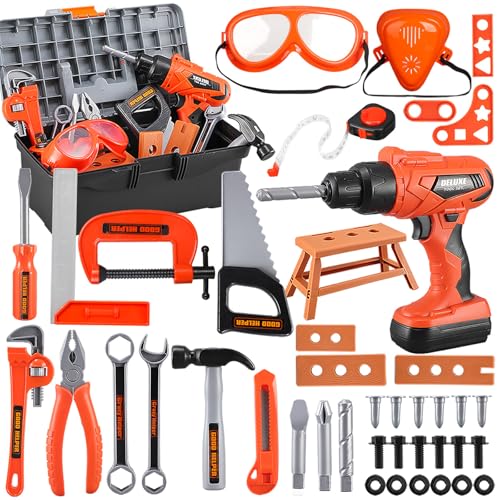
The hammer is one of the most fundamental tools you can own. It's perfect for driving nails into wood or other materials and pulling them out when necessary. A claw hammer, with its flat head and curved claw, is particularly versatile. Have you ever tried assembling a bookshelf without one? It’s a struggle!
Screwdriver
Imagine trying to tighten a loose cabinet door without a screwdriver. There are two main types: the flathead and the Phillips. While the flathead is great for slots, the Phillips is ideal for crosshead screws. A set of varying sizes ensures you’re ready for any task.
Wrench
A wrench is indispensable for tightening or loosening nuts and bolts. The adjustable wrench, also known as a crescent wrench, adapts to various sizes. It's like having multiple wrenches in one! Have you ever wondered how mechanics can work on so many different cars with just a few tools? The adjustable wrench is key.
Pliers
Pliers come in handy for gripping, twisting, and cutting wires. Needle-nose pliers are excellent for precision tasks, while slip-joint pliers are more versatile. They can be a lifesaver when trying to fix a stubborn pipe under the sink.
Measuring Tape
Accuracy is crucial in any project, and a measuring tape ensures you get the dimensions right. Whether hanging a picture frame or building a birdhouse, measuring before cutting is a must. Have you ever hung a shelf only to find it's slightly off-center? A measuring tape prevents such mishaps.
Utility Knife
A utility knife is essential for cutting through materials like cardboard, rope, or even drywall. It’s a tool that offers precision and control. Have you ever tried opening a stubborn package without one? It’s not fun!
Equipping yourself with these basic hand tools is like preparing for an adventure. Each tool has its unique role, but together they make any task achievable. Which tool do you find most useful in your projects? Let me know in the comments below!
Types Of Hand Tools
Hammers drive nails, screwdrivers turn screws, and wrenches tighten or loosen nuts. Pliers grip and twist wires, while saws cut wood. Each tool has a specific job, making them essential for DIY tasks.
When you think about building something by hand, a toolbox filled with various hand tools becomes your best friend. Whether you're a DIY enthusiast or a professional, understanding the types of hand tools and their uses can elevate your craft. They’re not just tools; they’re extensions of your hands, each with a specific purpose to make your project come alive. From cutting and fastening to measuring and shaping, these tools are the essentials you need to get started on any project. Cutting tools are essential for trimming and shaping materials to fit your needs. Scissors, utility knives, and hacksaws fall under this category. They allow you to cut through materials like paper, plastic, and even metal. A sharp blade is crucial for precision and ease of use. Keep them well-maintained to ensure clean cuts and avoid accidents. Fastening tools hold your materials together. Think of screwdrivers, hammers, and wrenches. Each tool has a unique function, like driving screws or securing bolts. I remember the first time I used a screwdriver to assemble a bookshelf; it was empowering to see the pieces come together. Having the right tool makes all the difference in the stability of your project. Accuracy is key in any project, and measuring tools help achieve that. Tape measures, rulers, and levels ensure your cuts and placements are precise. Imagine hanging a picture frame without a level—crooked results can be frustrating! Always measure twice to cut once, saving you time and resources in the long run. Shaping tools mold materials to the desired form. Chisels, files, and sandpaper are common choices. These tools refine edges and surfaces, giving a polished finish. The first time I used sandpaper on a wooden project, the smooth texture felt rewarding. Shaping tools are vital for adding those finishing touches that make your work stand out. Clamping tools secure your materials, keeping them in place while you work. Clamps and vices provide stability, allowing you to focus on precision. Picture trying to glue two pieces of wood without a clamp—they'd slide apart, leaving a messy result. Clamps act as an extra pair of hands, holding everything steady for you. What hand tool do you find indispensable in your projects? Share your thoughts below and let's spark a conversation. These tools are more than mere items; they are key components in bringing your creative visions to life.
Cutting Tools
Basic hand tools like hammers, screwdrivers, and wrenches are essential for everyday tasks. They help in assembling furniture, tightening screws, and fixing leaks. Having these tools at home can make small repairs easier and quicker.
When diving into the world of basic hand tools, cutting tools emerge as essential players in crafting, building, and everyday fixes. They are designed to slice through materials cleanly and efficiently. Whether you're a DIY enthusiast or just someone who occasionally needs to tackle a home project, understanding cutting tools can make your tasks easier and more effective. But how do you know which tool to reach for? Let’s break it down into some common cutting tools you might encounter.
Utility Knives
Utility knives are compact, versatile, and easy to handle. They're your go-to tool for slicing through cardboard, trimming wallpaper, or opening packages. Keep a utility knife in your toolkit for quick, precise cuts. The blade is retractable, enhancing safety when not in use. Always ensure your blade is sharp—dull blades make your tasks harder and can be dangerous. Have you ever struggled with a stubborn tape seam? A utility knife can be your best friend here, making clean cuts without damaging what's inside.
Scissors
Scissors are more than just a school supply. They come in various forms, each tailored for specific tasks. Kitchen scissors, for example, are great for cutting herbs or trimming meat, while fabric scissors are designed for textiles. For your home, invest in a pair of multi-purpose scissors. They are handy for cutting paper, string, and even some types of wire. Have you tried cutting with dull scissors? It can be frustrating. Keep them sharp for the best performance.
Saw Types
Saws are vital when you need to cut through wood, metal, or plastic. But did you know there are different types of saws for different jobs? A hand saw is perfect for simple woodcutting tasks. It's manual, meaning it requires some elbow grease but offers precise control. For cutting curves or intricate shapes, a jigsaw is your best bet. It’s electric and can handle a variety of materials with the right blade. If you're tackling larger projects, consider a circular saw. It’s powerful and can slice through hefty wood pieces with ease. Each saw type has its strengths and ideal uses. Which one fits your project needs? Identifying the right saw can save you time and effort. When selecting cutting tools, consider the material and the precision you need. Your choice can significantly impact the quality of your work. Are you prepared to make your next cut confidently?
Fastening Tools
Fastening tools are essential for any toolbox. They help in joining materials. These tools make tasks easier and more efficient. Understanding their use is crucial for DIY projects. Let's explore some common fastening tools.
Screwdrivers
Screwdrivers are used to drive screws into surfaces. They come in various types and sizes. The most common are flathead and Phillips. Flathead screwdrivers have a single flat blade. They fit into slotted screw heads. Phillips screwdrivers have a cross-shaped tip. They fit into screws with a cross indentation. Choose the right size for the screw head. This prevents damage and ensures a firm hold.
Wrenches
Wrenches tighten or loosen nuts and bolts. They come in different types like adjustable, socket, and box-end. Adjustable wrenches have a movable jaw. This allows them to fit various sizes of nuts. Socket wrenches use detachable sockets to turn fasteners. Box-end wrenches enclose the nut or bolt for a firm grip. Always use the correct size to avoid slipping.
Hammers
Hammers are versatile fastening tools. They drive nails into wood or other materials. Claw hammers have two ends: a flat striking surface and a curved claw. The claw helps in removing nails. Ball-peen hammers have a flat and rounded end. They are useful in metalwork. Always grip the hammer firmly and strike with control.
Measuring Tools
Measuring tools are essential in every toolbox. They ensure precision and accuracy in tasks. Whether you are building furniture or hanging a picture, these tools help. From simple tasks to complex projects, measuring tools provide the exact dimensions needed. Let’s explore some common measuring tools and their uses.
Tape Measures
Tape measures are versatile and handy for everyday use. They consist of a flexible strip with marked measurements. Use them to measure length, width, and height. They are compact, easy to carry, and fit in your pocket. Tape measures are perfect for measuring furniture or walls.
Calipers
Calipers offer precise measurements for small objects. They measure the distance between two opposite sides. Use them in woodworking, metalworking, and mechanical engineering. Calipers come in various types like digital, dial, and vernier. Each type provides accurate measurements. They are vital for tasks needing high precision.
Levels
Levels are crucial for maintaining balance and alignment. They determine if a surface is horizontal or vertical. Use them in construction, carpentry, and home improvement projects. Levels come in different forms like spirit levels, laser levels, and digital levels. They ensure surfaces are even and straight. Perfect for hanging shelves or aligning tiles.
Shaping Tools
Basic hand tools shape materials efficiently. Hammers drive nails into wood. Screwdrivers turn screws to secure objects. Pliers grip and twist wires. Chisels carve wood or stone. Each tool serves a unique purpose, essential for crafting and building.
Shaping tools are essential for anyone who loves working with wood or metal. They allow you to refine and mold materials to your desired form. Whether you're crafting a new piece of furniture or just dabbling in a DIY project, these tools are your best friends. Each tool has its unique application, and learning how to use them effectively can elevate your craftsmanship. Let’s dive into some of the key shaping tools that every craftsman should have in their toolkit.
Files
Files are indispensable in smoothing and shaping surfaces. They come in various shapes and sizes, catering to different tasks. A flat file is perfect for leveling out surfaces, while a round file can tackle curved edges. Have you ever tried to fit two pieces of wood together and found them just a bit off? A file can be your savior, helping you achieve that perfect fit. Next time you're struggling with uneven edges, think of how a simple file could turn your frustration into satisfaction.
Chisels
Chisels are the sculptor's tool for woodworkers. These tools allow you to cut into wood with precision and control. A sharp chisel can make clean cuts, helping you create intricate designs or joints. Imagine working on a piece that requires delicate detailing – a chisel lets you carve out those precise lines effortlessly. Have you tried using a chisel to create a dovetail joint? The satisfaction of seeing those snugly fitting pieces is unbeatable. Always keep your chisels sharp for the best results.
Planes
Planes are your go-to tool for smoothing and leveling wood surfaces. They are perfect for removing thin layers, ensuring a flat finish. Ever had a piece of wood that just wouldn’t sit flush? A plane can help achieve that seamless look. As you glide the plane over the wood, you’ll notice how it shaves off imperfections and reveals the beauty beneath. Why settle for a rough surface when a plane can provide a touch of finesse? Remember to adjust the blade for the depth you need, and enjoy the satisfaction of a silky-smooth finish. Shaping tools are not just for professionals; they're for anyone who wants to achieve a polished result. Have you ever thought about how a simple tool could transform your project from amateur to professional? Dive into these tools and discover the joy of crafting with precision.
Clamping Tools
Clamping tools are essential hand tools used to hold materials securely in place. They help in woodworking, metalworking, and crafting by providing stability. Common types include C-clamps, bar clamps, and pipe clamps. Each offers unique benefits for specific tasks, ensuring precision and safety during projects.
When you're getting started with DIY projects, understanding clamping tools can make all the difference in the world. These tools are essential for holding your workpieces firmly in place, ensuring precision and safety. Whether you’re a hobbyist or a seasoned pro, getting to grips with clamping tools will enhance your skills and confidence in any project.
Vises
Vises are your best friend when you need extra stability. Picture this: you’re sanding a piece of wood, and it keeps slipping. A vise can hold it steady, allowing you to focus on the task at hand. They are typically attached to a workbench, providing a solid grip and freeing up both your hands for the job. Can you imagine trying to saw a piece of metal without a vise? It would be a challenge. Vises come in various types, such as bench vises and pipe vises, each suited for different materials and tasks.
Clamps
Clamps are versatile and come in handy for a variety of tasks. Whether you're gluing pieces of wood or holding metal parts together while welding, clamps provide the necessary pressure to keep everything aligned. Have you ever tried assembling a bookshelf only to realize the pieces keep shifting out of place? Clamps can solve that problem. They come in different forms, such as C-clamps, bar clamps, and spring clamps, each designed for specific situations. Remember to choose the right clamp for your project to ensure the best results.
Pliers
Pliers are not just for electricians; they are incredibly useful in everyday tasks. Think about those times when you need to bend a stubborn wire or grip a tiny nail. Pliers offer the precision and strength you need. They are available in multiple types, like needle-nose pliers and slip-joint pliers, catering to various needs. Have you ever had to twist a tight bolt in a cramped space? Needle-nose pliers can reach where your fingers can’t. Pliers are compact yet powerful, making them a staple in any toolkit. Clamping tools are more than just accessories; they are the backbone of effective craftsmanship. By understanding how to use these tools, you not only make your projects easier but also more professional-looking. Which clamping tool do you think will enhance your next project the most?
Safety Tips For Using Hand Tools
Basic hand tools like hammers, screwdrivers, and wrenches are essential for many tasks. Use them carefully to prevent injuries. Always wear safety gear and keep tools in good condition.
When it comes to using hand tools, safety should always be your top priority. Accidents can happen in a split second, but with a few precautions, you can protect yourself and others. Whether you're a seasoned DIY enthusiast or just starting out, understanding these safety tips can make a world of difference in your projects.
Wear Proper Protective Gear
Always wear the right protective gear for the job. Gloves can shield your hands from cuts and blisters, while safety glasses protect your eyes from flying debris. Hearing protection is also crucial when working with noisy tools. Do you have your gear on every time you pick up a tool?
Inspect Your Tools Regularly
Before using any hand tool, check it for wear and tear. Look for cracks, loose parts, or rust that can compromise its function. If a tool is damaged, don't risk using it—repair or replace it immediately. Regular inspections can prevent accidents before they happen.
Use The Right Tool For The Job
Always select the appropriate tool for the task at hand. Using a screwdriver as a chisel, for example, is not only ineffective but dangerous. Each tool is designed for a specific purpose, and using it correctly ensures both safety and efficiency. Are you matching your tools to your tasks?
Maintain A Clean Work Area
A cluttered workspace can lead to accidents. Ensure your work area is tidy and well-organized, with tools stored safely when not in use. This minimizes the risk of tripping or accidentally knocking tools over. Have you cleared your workspace lately?
Handle Tools Properly
Using tools with the correct grip and posture can prevent injuries. For instance, keep your wrist straight when using a hammer to avoid strain. Always cut away from your body when using a blade. Proper handling can make your work smoother and safer. Are you mindful of your tool-handling techniques?
Stay Focused And Avoid Distractions
Pay attention to the task you're working on. Distractions can lead to mistakes and accidents. If you're tired or unfocused, take a break. It's better to pause and regroup than to risk injury. How often do you take breaks to ensure you're focused? Following these safety tips can help you work confidently and efficiently with hand tools. With each project, you'll gain more experience and skill, making safety second nature. Remember, the best projects are those completed without injury.
Maintenance And Care
Basic hand tools are essential for any DIY enthusiast or professional. Proper maintenance and care ensure their longevity and efficiency. Neglecting these tools can lead to rust, damage, and reduced performance. Keeping them in good condition is easy with a few simple steps.
Cleaning
Regular cleaning prevents dirt buildup on tools. Use a dry cloth to wipe them after use. For stubborn grime, a mild soap solution works well. Dry the tools thoroughly to prevent rust. Apply a light oil to metal parts for added protection.
Storage
Store tools in a dry, cool place. Avoid direct sunlight or damp areas. Use toolboxes or pegboards for organized storage. This keeps tools accessible and prevents damage. Proper storage extends their lifespan.
Regular Inspection
Inspect tools regularly for wear or damage. Look for loose handles, rust, or dull edges. Address any issues immediately. Sharpen blades and tighten screws as needed. Regular checks ensure tools are safe and ready for use.
Choosing The Right Tool For The Job
Choosing the right tool for a task is essential. The right tool ensures efficiency and safety. It also saves time and effort. Knowing your tools can make a big difference. It helps in achieving the desired outcome. Explore how to choose the best tool for your job.
Assessing The Task
Start by understanding the task at hand. Is it a simple job or complex? Determine the requirements and challenges. Think about the size and scope of the task. Consider the force needed to complete it. This helps in selecting the right tool.
Material Considerations
Consider the material you will work with. Wood, metal, and plastic need different tools. Soft materials require gentle tools. Harder materials need stronger tools. The tool must match the material's strength. This ensures the task is done efficiently.
Tool Quality
Quality matters when choosing tools. High-quality tools last longer and perform better. They reduce the risk of damage to materials. Check for ergonomic designs for comfort. Reliable brands often offer better tools. Invest in quality for better results and safety.
Frequently Asked Questions
What Are Common Hand Tools For Beginners?
Common hand tools include hammers, screwdrivers, pliers, wrenches, and saws. These tools are essential for basic repairs and DIY projects. Each tool serves a specific purpose, from driving nails to turning screws. Beginners should start with these to build a solid foundation in tool usage.
How Do Pliers Work In Various Tasks?
Pliers grip, twist, bend, and cut wires or materials. They're versatile, used in electrical work, jewelry making, and general repairs. Their jaws apply force to manipulate objects securely. With various types available, each serves different functions, making them indispensable in any toolkit.
Why Are Wrenches Important In Toolkits?
Wrenches are crucial for tightening or loosening nuts and bolts. They provide grip and leverage, ensuring secure assemblies. Available in adjustable and fixed types, wrenches fit different sizes of fasteners. Their importance lies in their ability to perform essential tasks in mechanical and plumbing work.
How Do Screwdrivers Vary By Type?
Screwdrivers come in various types, such as flathead and Phillips. Each type fits specific screw heads for proper torque application. They ensure screws are securely fastened or removed. Screwdrivers are fundamental for assembling furniture, electronics, and other items requiring precise fastening.
Conclusion
Basic hand tools are essential for many tasks. They make jobs easier. Hammers help in driving nails. Screwdrivers turn screws. Pliers grip and twist wires. Wrenches tighten or loosen nuts. Saws cut wood or metal. Measuring tapes ensure accuracy. Each tool serves a unique purpose.
Knowing their uses boosts efficiency. Practice brings comfort with these tools. Choose quality tools for better results. Keep them clean and organized. This ensures long-lasting performance. Embrace these tools in your daily tasks. They simplify work and save time. Start using them today for better projects.