
What is This Old Hand Tool?
Have you ever stumbled upon an old hand tool and wondered about its origins or purpose? It's like holding a piece of history in your hands.
These tools, with their worn handles and aged metal, whisper stories of bygone eras and craftsmanship that's nearly forgotten. They captivate curiosity, pulling you into a world where every tool had a unique role and was crafted with care and precision.
This old hand tool you found could be a key to unlocking tales of innovation and tradition. By understanding it, you not only gain knowledge but also a deeper appreciation for the hands that once wielded it. Curious to discover the secrets this tool might hold? You're in the right place. Let's explore together and satisfy that curiosity.
History And Origins
The story of old hand tools stretches back centuries. These tools are essential in shaping human civilization. Each tool has a rich history. Exploring their origins reveals fascinating insights. From the dawn of human craftsmanship, these tools evolved. They served as vital instruments for survival and progress.
Early Uses And Development
Old hand tools began as simple implements. Early humans crafted them from stone and wood. They were used for hunting and building. Gradually, metalworking improved their durability. These tools became more specialized. Each design had a specific purpose. This evolution marked a leap in human ingenuity.
By the Bronze Age, tools advanced further. Craftsmen began using bronze and iron. These materials made tools stronger. They were perfect for farming and construction. The development of hand tools accelerated human progress. Villages and cities emerged, driven by these innovations.
Cultural Significance
Hand tools are more than functional items. They hold cultural significance across societies. Each tool reflects the skill of its maker. They symbolize the bond between people and their environment. In many cultures, these tools are passed down through generations.
Artisans often decorate tools with unique designs. These decorations tell stories of the community. They represent shared values and traditions. Hand tools are celebrated in festivals and rituals. They remain a symbol of human creativity and resilience.
Types And Variations
Understanding the types and variations of old hand tools is like diving into a treasure chest of history. Each tool tells a story, reflecting the needs and skills of the craftsmen who used them. Whether you're a collector, a DIY enthusiast, or simply curious, knowing the different designs and features can enrich your appreciation and practical use of these tools.
Common Designs
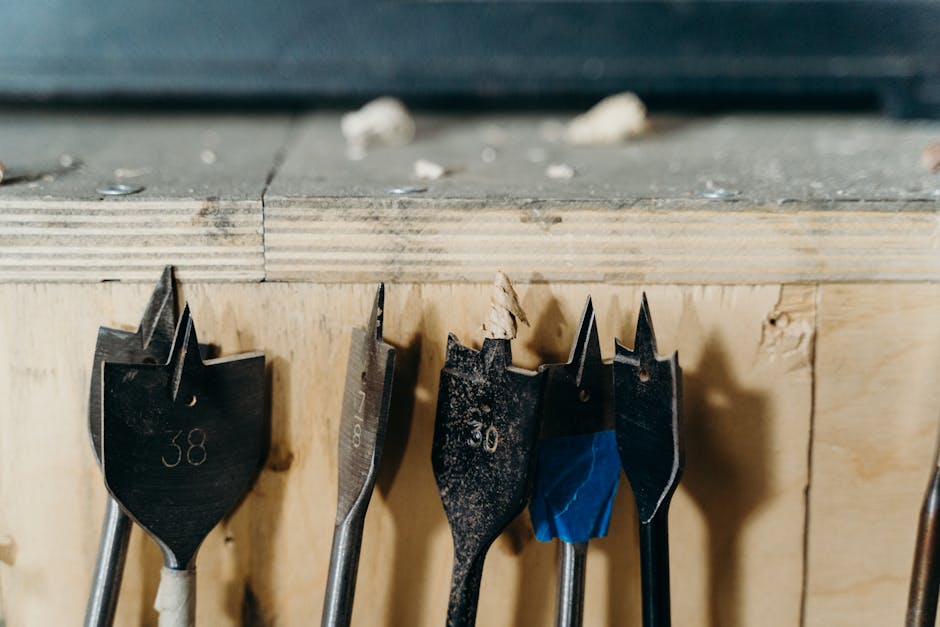
Old hand tools come in a myriad of designs, each tailored to specific tasks. Think of the classic claw hammer, with its sturdy wooden handle and curved metal head, designed for driving nails and pulling them out. Many tools like chisels and saws maintain a basic design, yet their variations can be seen in size and shape, adapting to different materials and tasks.
Some designs have barely changed over centuries. The hand plane, for example, still features a flat base and sharp blade, used for smoothing wood surfaces. How often have you picked up a tool and felt the weight of its history in your hand?
Unique Features
What makes old hand tools fascinating are their unique features. These often reveal the ingenuity of past craftsmen. Take the adjustable wrench: its adjustable jaw allows it to fit various sizes, showcasing versatility and adaptability. It's a tool that hasn't lost its charm or usefulness over time.
Sometimes, the beauty lies in simplicity. The brace and bit, used for drilling holes, is a testament to efficient design. Its crank handle and rotating head make drilling a breeze, proving that sometimes, less is more. Ever tried using one and marveled at how smoothly it operates?
Do you ever wonder why some tools have stood the test of time while others faded into obscurity? It often boils down to these unique features that continue to offer practical benefits.
What old hand tool design resonates with you? Understanding these types and variations can add a new dimension to your appreciation of craftsmanship.
Materials And Craftsmanship
Craftsmanship shines through in old hand tools, revealing the maker's skill and dedication. Made from quality materials, these tools tell stories of the past. Each piece holds history, showcasing timeless design and functionality.
Understanding the materials and craftsmanship behind old hand tools can offer a glimpse into a world where quality and durability were paramount. These tools, often passed down through generations, tell stories of skilled hands and thoughtful design. With each tool, there is a rich history embedded in its materials and the techniques used to craft it.
Traditional Materials
Old hand tools often utilized materials that were chosen for their strength and resilience. Wood was a common choice for handles, often sourced from hardwood trees like oak, hickory, or ash. These woods were not only durable but also provided a comfortable grip. Steel was typically used for the working parts of the tool. The steel was often hand-forged, resulting in a blade or edge that could be sharpened to a fine point. This process ensured the tool could withstand heavy use without losing its effectiveness. In some tools, you might also find brass or iron. These metals added strength and sometimes decorative elements, giving the tool a unique character. Have you ever picked up an old hand tool and marveled at its weight and balance? That’s the craftsmanship in the materials speaking to you.
Artisanal Techniques
The creation of these old hand tools often involved artisanal techniques that combined skill and precision. Blacksmiths hand-forged the metal parts, heating and hammering them into shape. This wasn’t just about making a tool; it was about crafting a reliable partner for those who worked with their hands. Woodworkers carefully shaped the handles, sanding them to ensure a smooth finish. This attention to detail meant that the tool was comfortable to use, reducing fatigue during long hours of work. Artisans also used joinery techniques to assemble different parts of the tool, ensuring that each piece fit perfectly. This precise craftsmanship is a testament to the dedication and expertise of the makers. So next time you hold an old hand tool, take a moment to appreciate the artistry involved. Could these tools have been made with less care and still functioned? Probably, but they wouldn't have the same soul or story. What old hand tools do you have lying around? Consider the journey they've been on and the skilled hands that once brought them to life.
Functions And Applications
Old hand tools have a charm that transcends time. These tools serve purposes that modern devices sometimes overlook. Their simplicity offers unique benefits. Let's explore their functions and applications.
Practical Uses
Old hand tools excel in woodworking. They cut, shape, and finish wood beautifully. Carpenters use them for precise tasks. These tools often require skill and patience. Their simplicity ensures fewer mistakes and greater control. Gardeners also find these tools valuable. They help with planting and pruning. Their durability withstands tough outdoor conditions.
Modern Adaptations
Many old hand tools have modern counterparts. Innovations enhance their efficiency and ease of use. Electric versions reduce manual effort. Yet, some craftsmen prefer traditional versions. They appreciate the tactile feedback. Modern adaptations also focus on safety. Improved designs reduce injury risk. These updates make old tools relevant today.
Preservation And Restoration
Discovering the purpose of antique hand tools often reveals fascinating history. These tools, once essential, now tell stories of craftsmanship. Their restoration and preservation keep traditional skills alive, offering a glimpse into the past. Each tool holds unique value, reflecting the ingenuity of its time.
Preserving and restoring old hand tools is like a journey through time. Each tool carries stories of its past, and with the right care, you can bring them back to life. Whether you're an avid collector or someone who cherishes family heirlooms, understanding how to preserve and restore these tools is crucial. Not only does it maintain their functionality, but it also honors the craftsmanship of yesteryears.
Conservation Methods
Conserving old hand tools begins with a gentle approach. Start by cleaning the tools with a soft brush to remove dirt and grime. Avoid using harsh chemicals, as they can damage the tool's surface. Consider using natural oils, like linseed or mineral oil, to protect the wood and metal parts. These oils can prevent rust and keep the wood from drying out. Always apply with care, ensuring even coverage without leaving excess residue. Store your tools in a dry, cool place. Moisture is the enemy of preservation, causing rust and decay. A simple silica gel packet can help absorb excess moisture and protect your collection.
Restoration Challenges
Restoring old hand tools can be a rewarding yet challenging endeavor. One of the biggest hurdles is finding the right parts. Many vintage tools have parts that are no longer in production, requiring creativity to find replacements. You might encounter tools with rust or corrosion. Removing rust without damaging the tool is tricky. Use fine-grade sandpaper or a rust eraser to gently clean the affected areas, taking care not to remove original markings or patina. Balancing restoration with preservation is another challenge. While it's tempting to make an old tool look new, maintaining its character is key. Consider the tool's history and purpose, and aim to restore its functionality without erasing its story.
Engage with your tools. Listen to what they tell you through their wear and imperfections. Are you ready to give them a new lease on life while honoring their past?
Collecting And Valuation
Discovering the value of old hand tools can be intriguing. Many hold historical significance and unique craftsmanship. Identifying their origin and use enhances their worth and appeal.
Collecting old hand tools is more than just a hobby; it's a journey through history. Each tool tells a story, reflecting the craftsmanship and technology of its time. But how do you know the value of these tools? Understanding their worth is crucial for collectors, whether you're buying, selling, or simply appreciating your collection.
Factors Affecting Value
Several factors determine the value of old hand tools. Condition is paramount. A tool in excellent shape, with no rust or damage, is usually more valuable. Rarity also plays a significant role. A tool that was made in limited numbers or by a notable manufacturer might fetch a higher price. Provenance can add a fascinating layer to valuation. Knowing a tool's history, such as its original owner or its journey over the years, can increase its value. Functionality is another factor. Tools that are still usable today can be more appealing to collectors who wish to use them rather than just display them.
Market Trends
The market for old hand tools is dynamic, with trends changing over time. Currently, there's a growing interest in tools from the Industrial Revolution due to their historical significance. Tools from this era often exhibit unique designs and superior craftsmanship. Online marketplaces have made it easier to buy and sell these tools, broadening their appeal. However, with increased accessibility comes the challenge of authenticity. As a collector, how can you be sure you're investing in a genuine piece? Attending local antique fairs or joining a collector's club can provide insights into market trends. Engaging with fellow enthusiasts can help you understand what is in demand and what might soon become popular. As you explore the world of old hand tools, consider what draws you to them. Is it the history, the craftsmanship, or the thrill of the hunt? Each tool you add to your collection is a piece of history, and knowing its value can enhance your appreciation of its story.
Stories And Anecdotes
Old hand tools carry stories from the past. They whisper tales of craftsmanship, hard work, and innovation. Each tool tells its own unique story. Some were part of historic events. Others shaped the world in small but significant ways. Let's delve into some fascinating stories and anecdotes.
Tales Of Famous Tools
Many old tools have legendary tales. Take Abraham Lincoln's axe, for example. It's said he used it to split logs. This tool symbolized his humble beginnings and hard work. Another famous tool is George Washington's surveying equipment. These tools helped shape the layout of early America. Each famous tool carries a legacy. Their stories inspire generations.
Personal Accounts
Individuals often share personal stories about old hand tools. A grandfather's hammer passed down through generations. It built homes and furniture. Each dent tells a story of a job well done. Others share tales of their first tool. The one that sparked a lifelong passion for crafting. These personal accounts create a bond. They connect the past with the present.
Frequently Asked Questions
What Is The Purpose Of Old Hand Tools?
Old hand tools were primarily used for manual tasks in carpentry, metalwork, and other crafts. They offer precision and control, making them ideal for detailed work. Despite technological advances, many artisans still value them for their durability and craftsmanship. Collectors and historians also appreciate them for their historical significance.
How Can I Identify An Old Hand Tool?
Identifying old hand tools involves examining their design, materials, and markings. Look for manufacturer stamps or engravings that indicate age and origin. Researching catalogs or guides can provide more information. Online forums and collector communities are also valuable resources for identification and dating tools.
Why Are Old Hand Tools Valuable?
Old hand tools are valuable due to their craftsmanship, durability, and historical significance. Many are made from high-quality materials and exhibit expert workmanship. Collectors and enthusiasts often seek them for their aesthetic appeal and functionality. Some tools may also have historical or sentimental value, increasing their desirability.
Where Can I Buy Vintage Hand Tools?
You can buy vintage hand tools at antique shops, flea markets, and online marketplaces like eBay. Specialized tool auctions and estate sales often feature unique finds. Joining collector groups or forums can also provide leads on purchasing opportunities. Always research to ensure authenticity and fair pricing.
Conclusion
Understanding old hand tools connects us to history and craftsmanship. These tools tell stories of skilled hands and timeless techniques. Their simplicity is often their charm. They remind us of an era before machines dominated. Using them can be a satisfying experience.
It fosters a deeper appreciation for the work and the workers of the past. Whether for use or collection, old tools hold value. They enrich our understanding of tool evolution. So, next time you find an old tool, consider its past.
Appreciate its journey through time.